Reference Guide
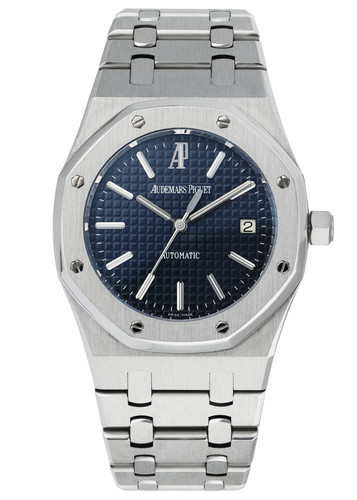
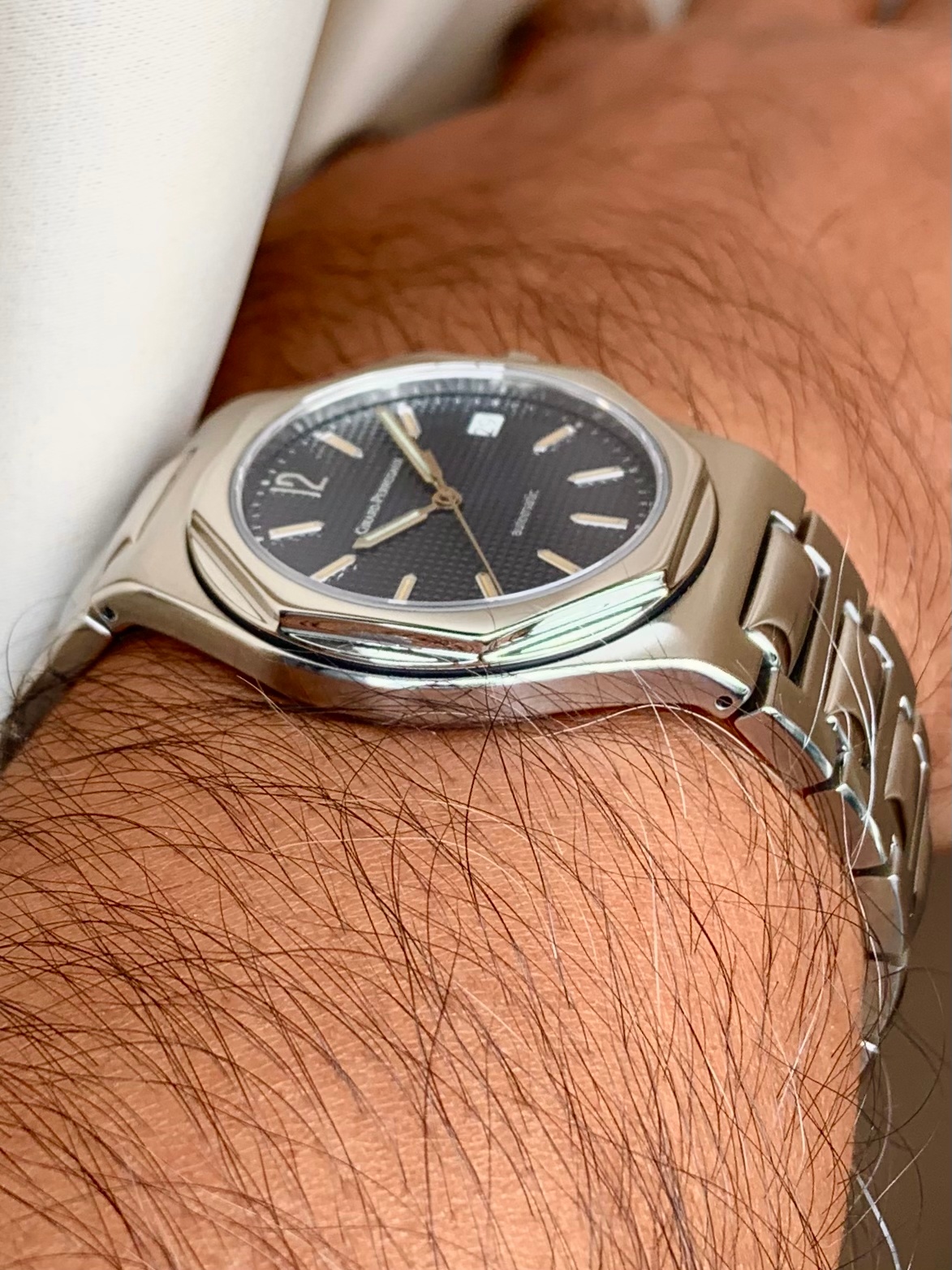
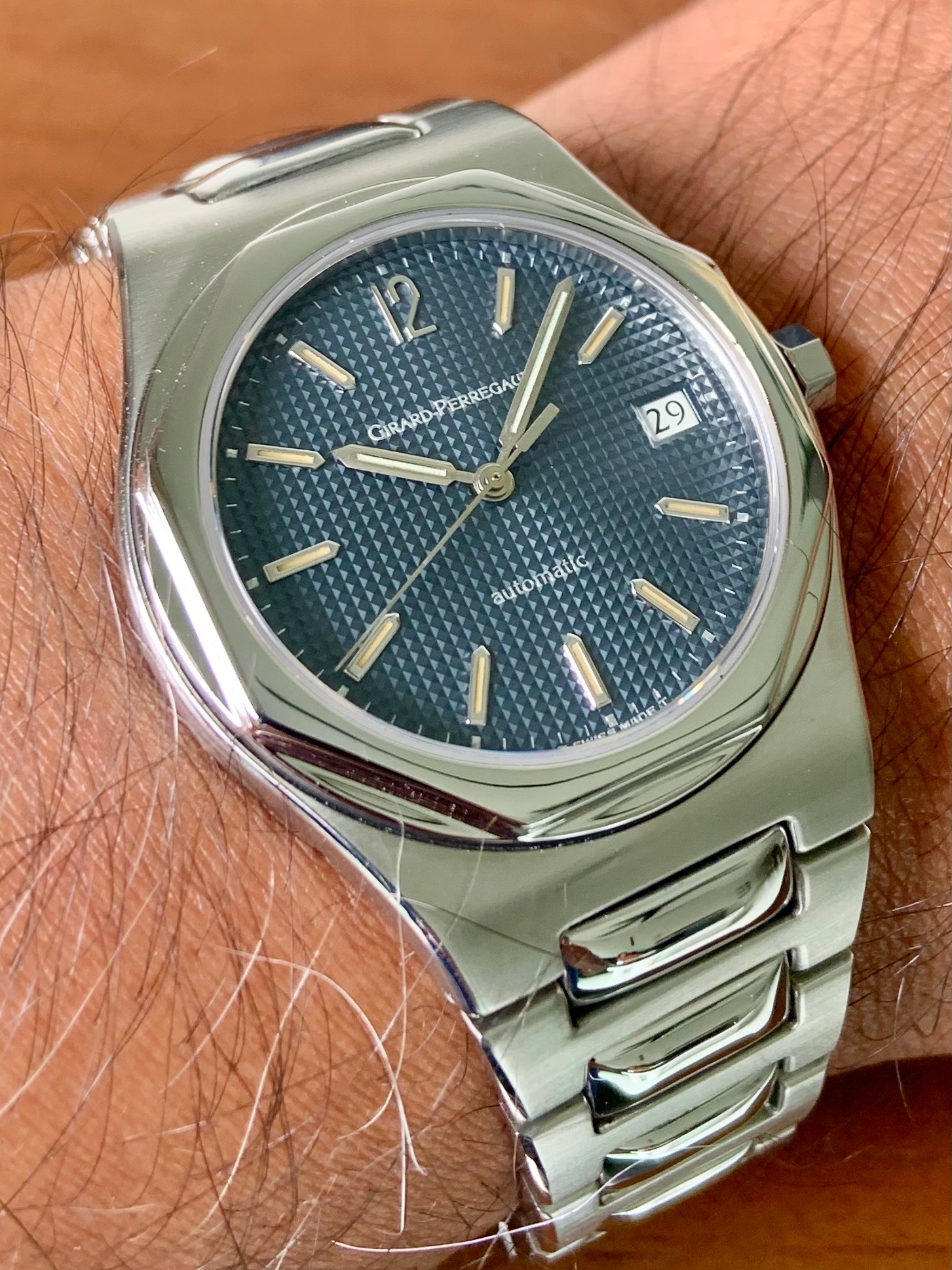
In a fascinating comparison, 'this_hobby_of_hours' presents two neo-vintage icons: the Audemars Piguet Royal Oak 15300 and the Girard-Perregaux Laureato 8010. This article delves into the nuanced differences and shared heritage of these integrated bracelet sports watches, offering a unique perspective on their design, manufacturing, and historical significance. The author's detailed breakdown and personal insights provide a valuable resource for collectors interested in the evolution of these celebrated references.



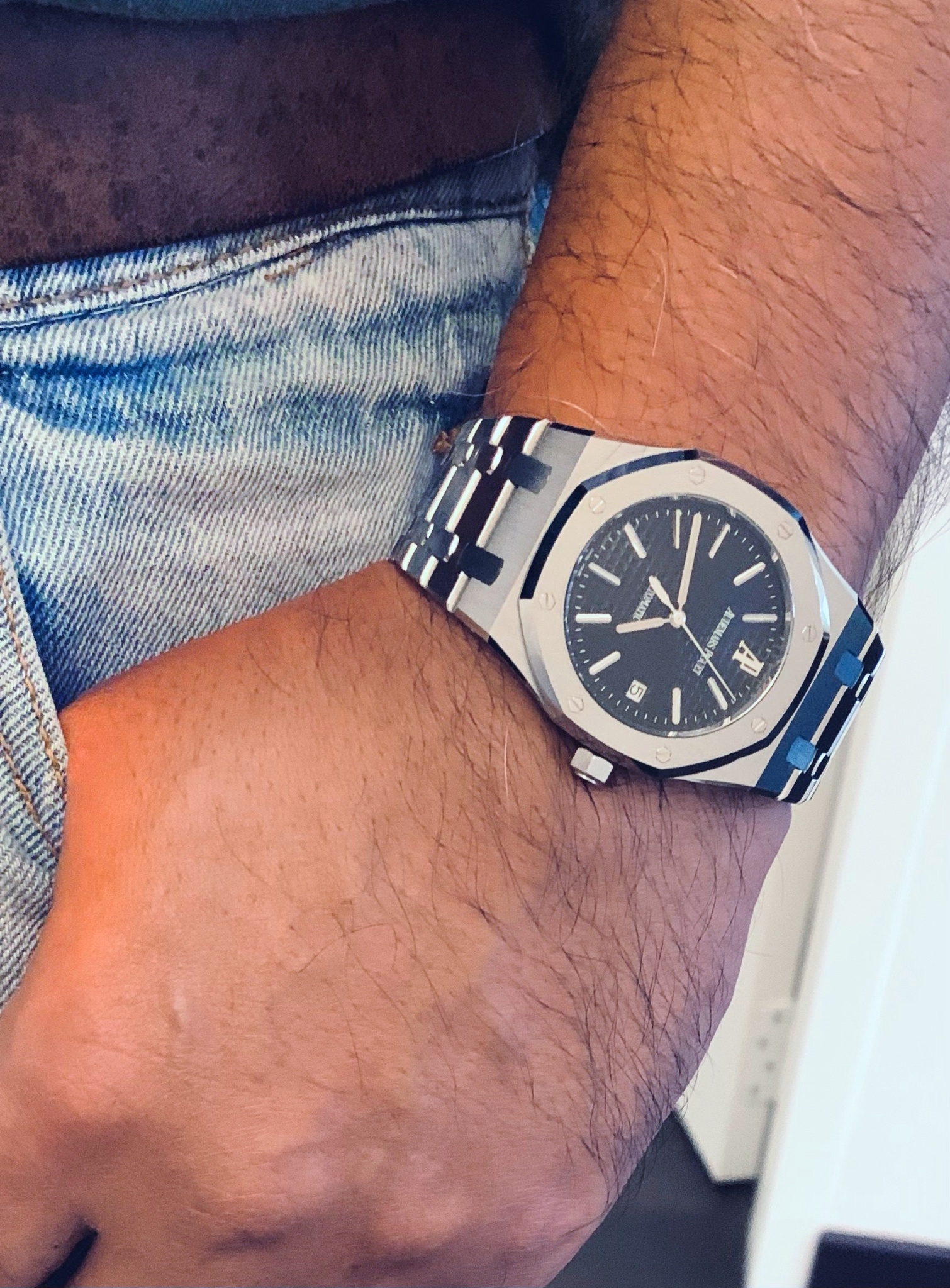
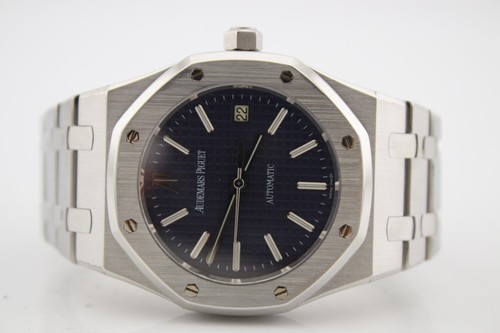
The Audemars Piguet Royal Oak reference 15300 represents a significant evolution within the Royal Oak lineage, succeeding the 15202 "Jumbo" and preceding the 15400. It introduced a slightly more robust case and an in-house movement, distinguishing it from earlier models that often utilized Jaeger-LeCoultre base calibers. This reference maintained the classic Gérald Genta-designed aesthetic while offering a contemporary update in terms of its mechanical heart and wearability for a broader audience. It is often considered a transitional reference, bridging the gap between vintage and modern Royal Oak interpretations.
This reference features a 39 mm stainless steel case with a thickness of 9.4 mm, maintaining the characteristic octagonal bezel secured by eight hexagonal screws. The watch is powered by the in-house Audemars Piguet Caliber 3120, an automatic movement known for its robust construction and a power reserve of 60 hours. A sapphire crystal protects the dial, and the watch offers a water resistance of 50 meters. The integrated stainless steel bracelet is a hallmark of the Royal Oak design, ensuring a cohesive and comfortable fit.
For collectors, the 15300 is appealing due to its balanced proportions, which are often preferred over the larger 41 mm cases of subsequent references. Its in-house movement also adds to its desirability, marking a period of increased manufacturing independence for Audemars Piguet. The reference was produced with various dial colors, including blue, black, and white, offering collectors choices within this specific model run. The production period from 2005 to 2012 makes it a neo-vintage piece with a distinct place in the Royal Oak's history.
If there was a fire and I had to rescue just one …. 🤔 😅
They are to me “hard” and “soft”, the RO with the hard lines being the former. The softer lines of the GP might be what many prefer I think. Of course, the best case is to have both !
The RO says I’m 35 and looking to close some deals and make my mark in the world. The laureato says I’m 50, and retired early. 😆
Best, Emmanuel
1,885 Audemars Piguet listings are live on the eBay market and 1477 collector listings on the WatchProSite marketplace.
This thread is active on the Horological Meandering forum with 25 replies. Share your knowledge with fellow collectors.
Join the Discussion →