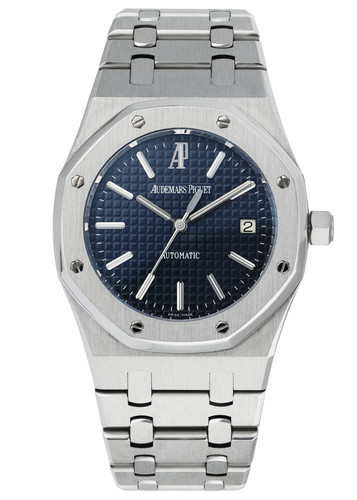
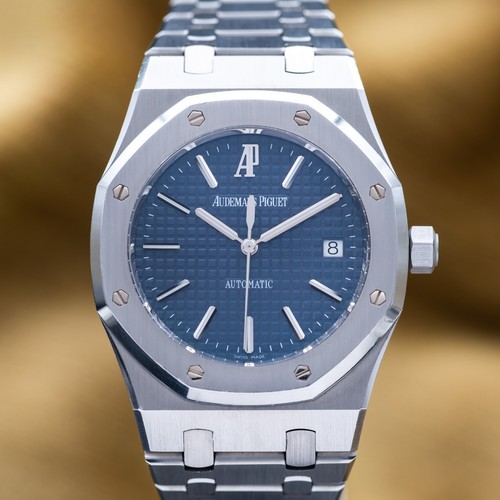
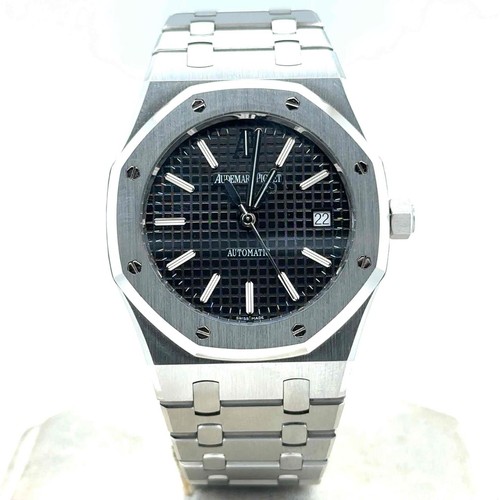
Comparison
TonyR provides a direct comparison between his newly acquired Audemars Piguet Royal Oak 15300 and his Vacheron Constantin Overseas chronograph. This post addresses a common dilemma among collectors, offering a side-by-side analysis of two iconic sports watches across various design and wearability aspects.


Last week I acquired a Royal Oak 15300 to go along with my Overseas chronograph. Since I've seen quite a few people on these forums ask many times which one to choose, I figured I'd post a comparison. Now I know it’s not quite an apples to apples comparison seeing that one is a chronograph and one isn't but I think you'll get the idea. Both companies make a date, chronograph, and dual time version of these watches.
The Royal Oak is one of the most iconic, well known sports watches on the market. The styling hasn't changed much over the years. The watch still looks very similar to the way it looked in the 70's when it was first released. The Overseas has morphed at least 4 times since the 70's starting with the 222 then on to the Phidias. In 1996 the original version of the Overseas was released. I feel that VC's newest offering (released in 2004) is more of a modern looking version of the Royal Oak.
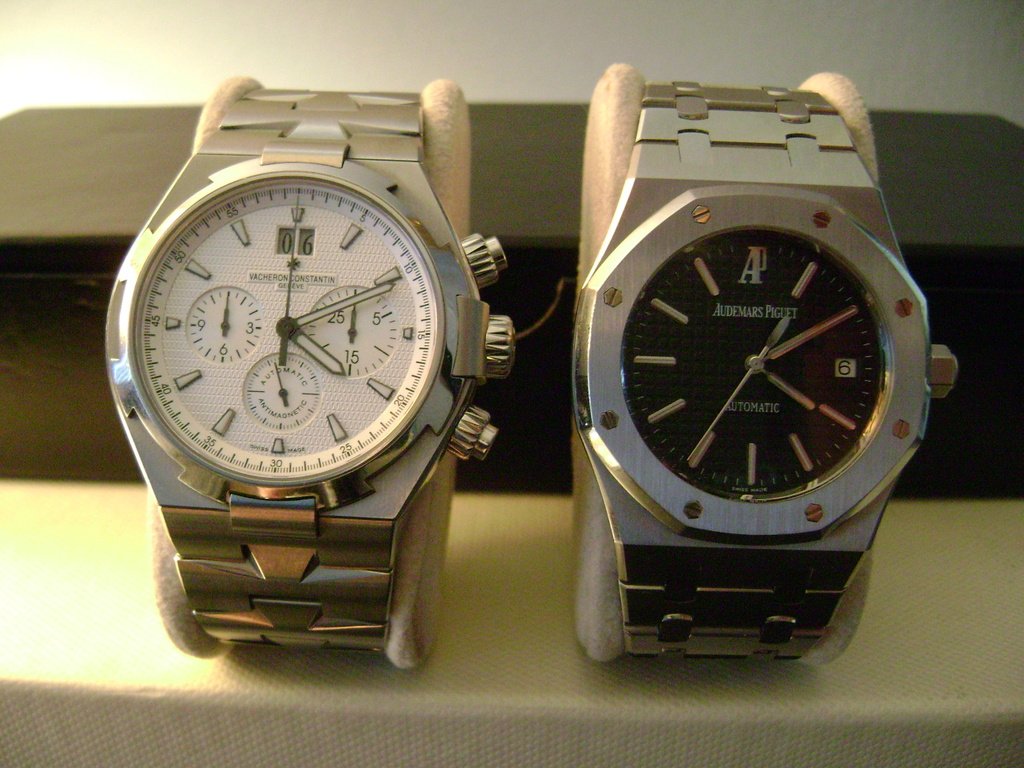
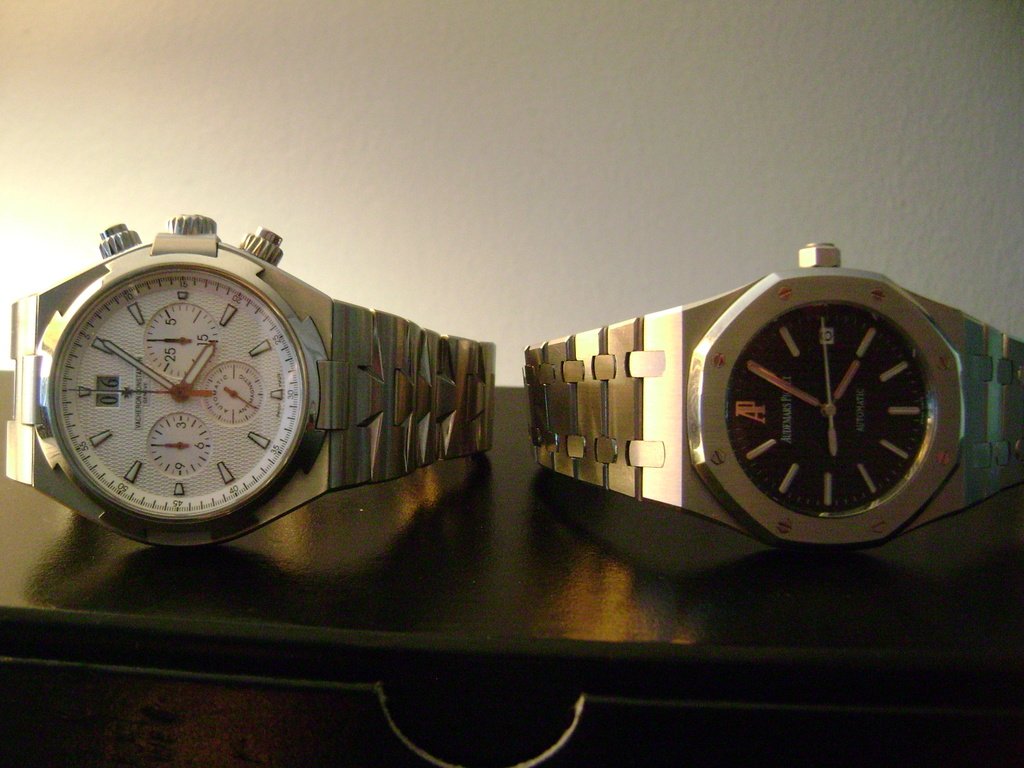
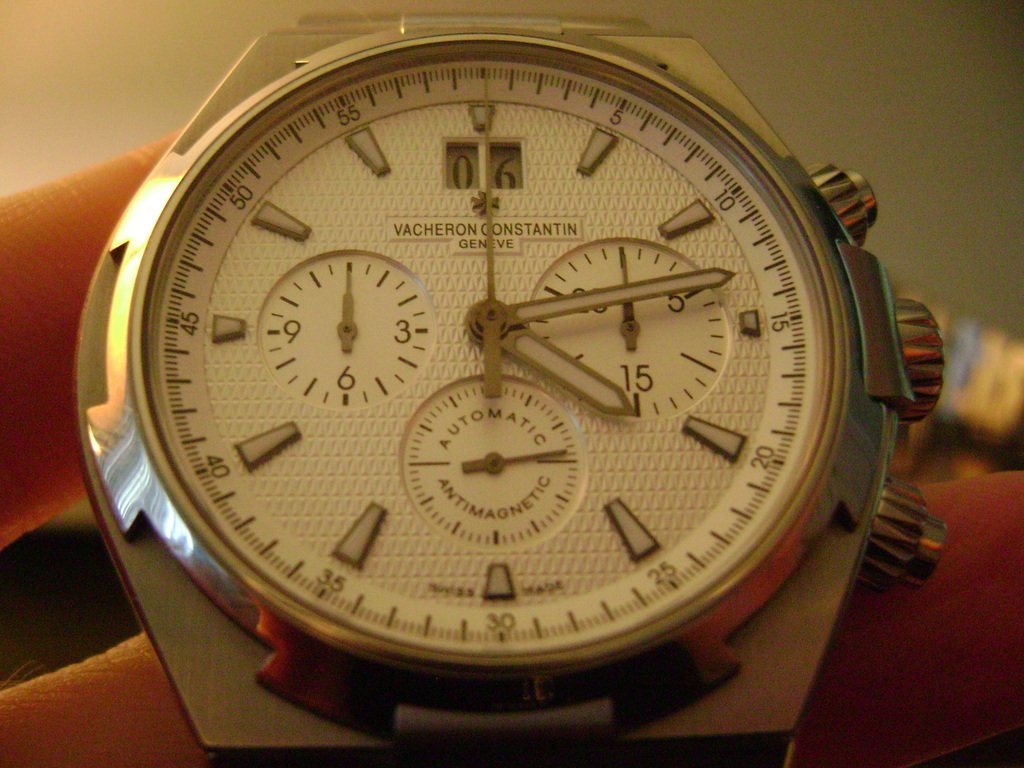
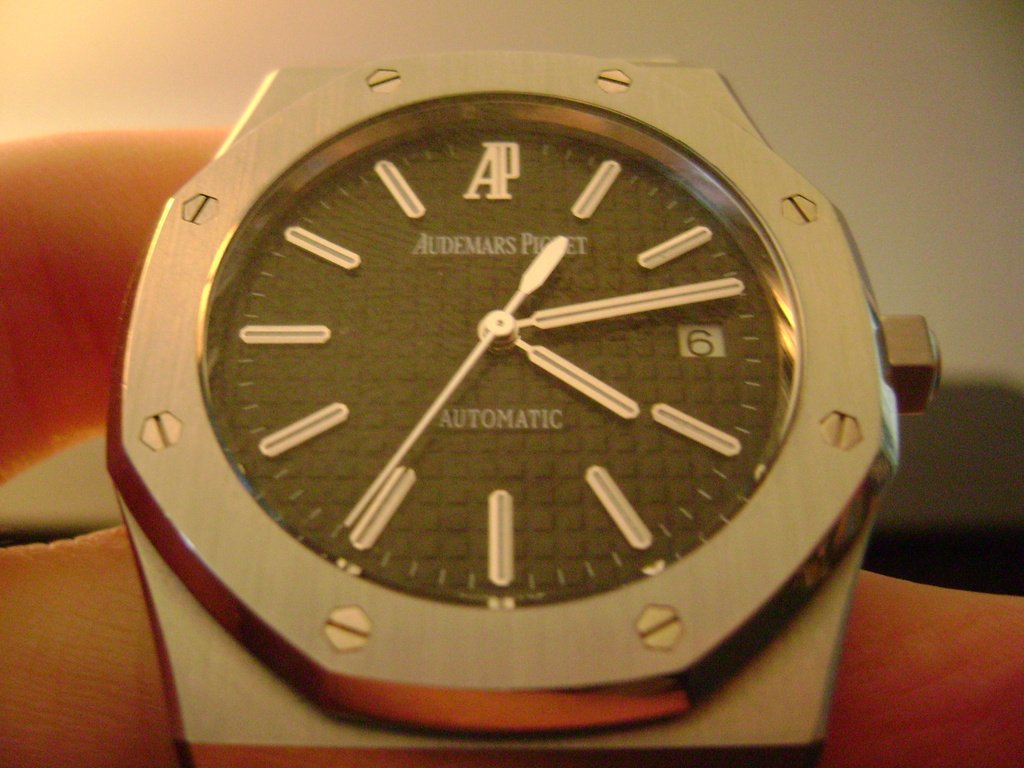
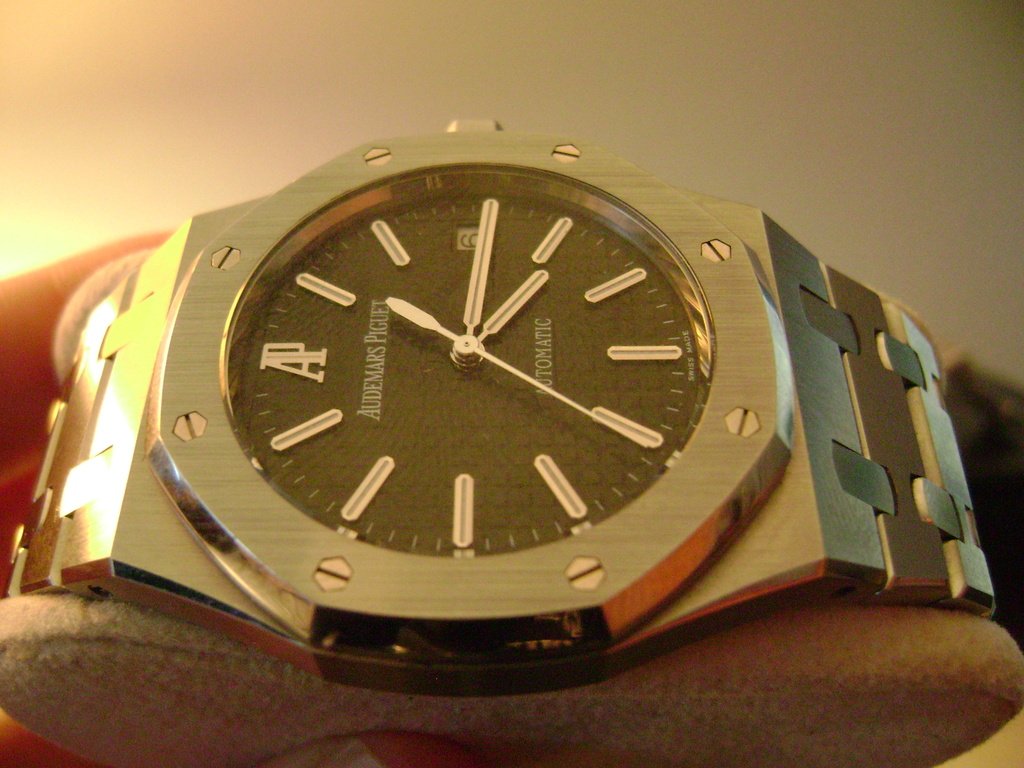
DIAL: I prefer the guilloche dial on the VC compared the hobnail of AP’s. The big date is also a nicer feature. I do like the markers and hands better on the AP. The lume on both watches is about equal. The advantage here goes to VC
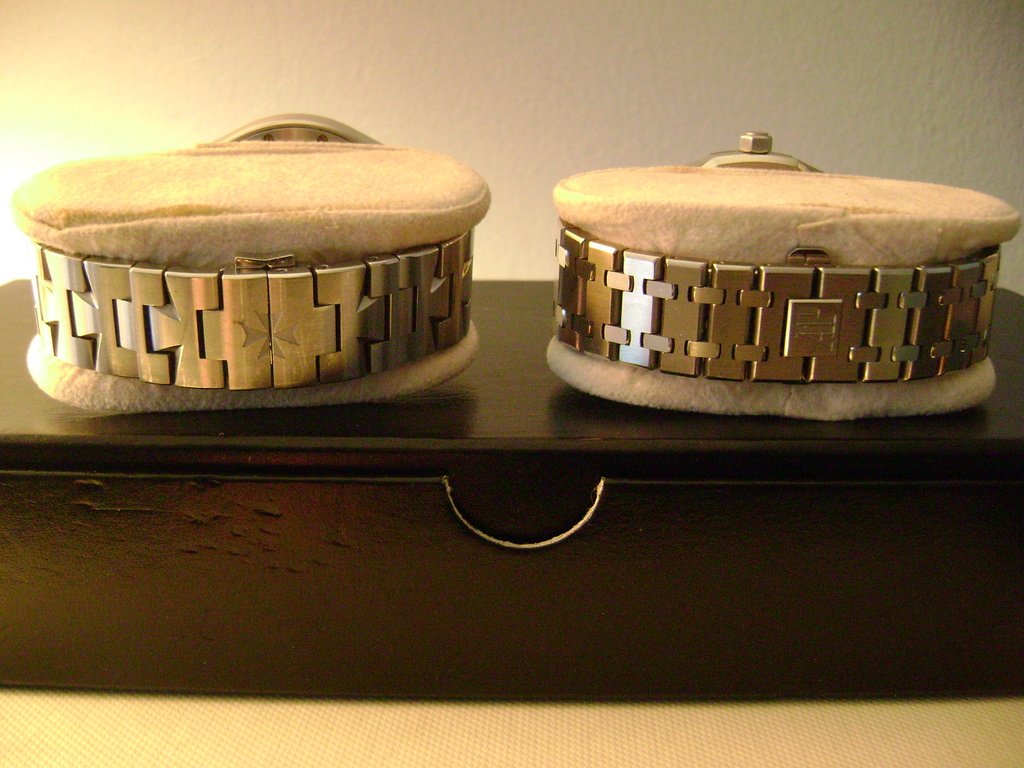
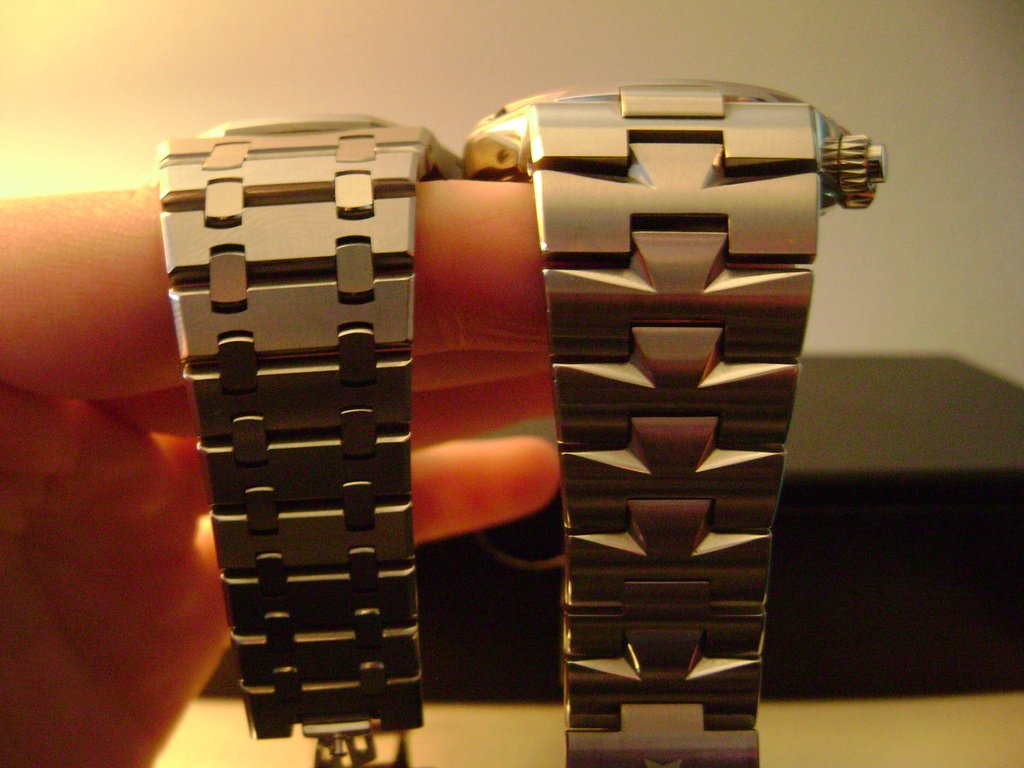
BRACELET: Both bracelets are extremely well made, with AP's being one of the most recognizable on the market. The polishing job done on the Royal Oak bracelet is the best I've ever seen. VC's bracelet is outstanding as well. It's very comfortable and was designed in a way that it incorporates the companies malte cross logo. It’s tough to choose a winner in this dept. but due to comfort reasons VC has the slight overall advantage. The links on the Royal Oak's bracelet tend to catch wrist hair making it a little uncomfortable at times.
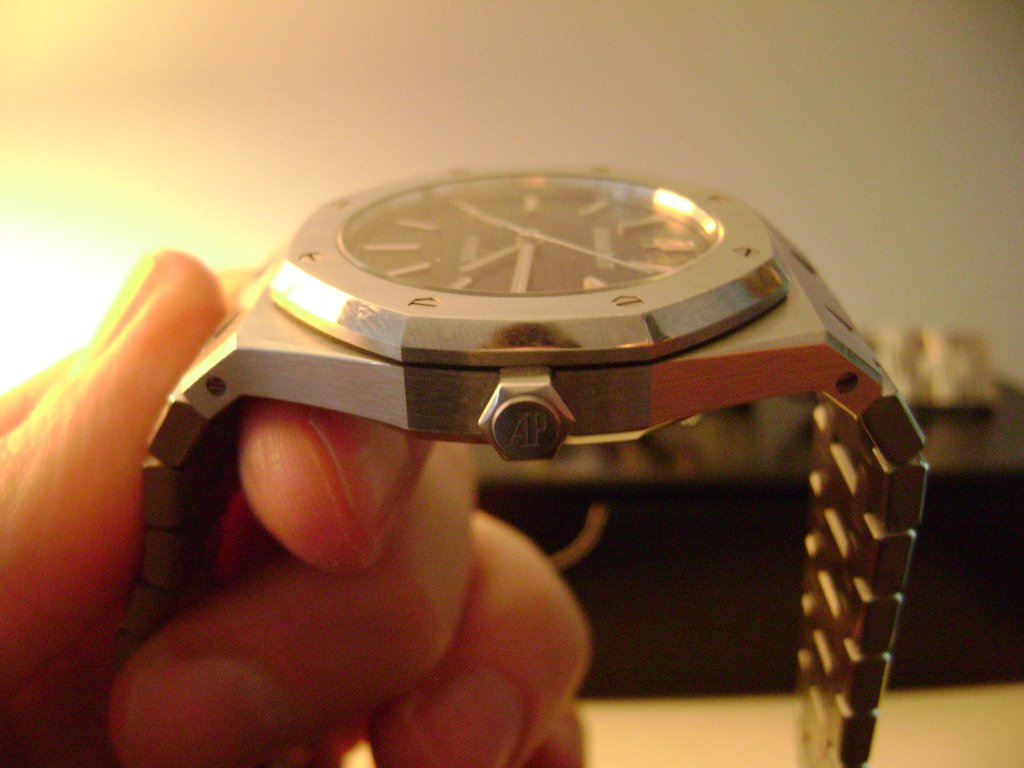
CASE/BEZEL: Advantage goes to the Royal Oak, the bezel has been copied so many times over the years, it's really one of AP's trademarks. Both cases are built like tanks.
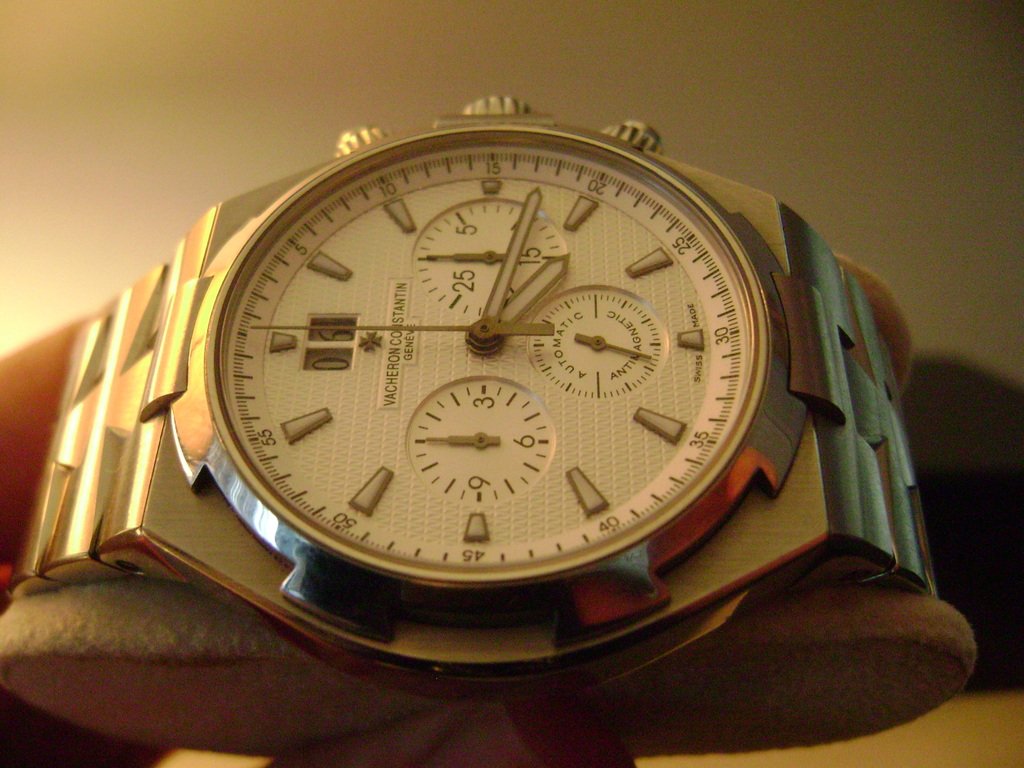
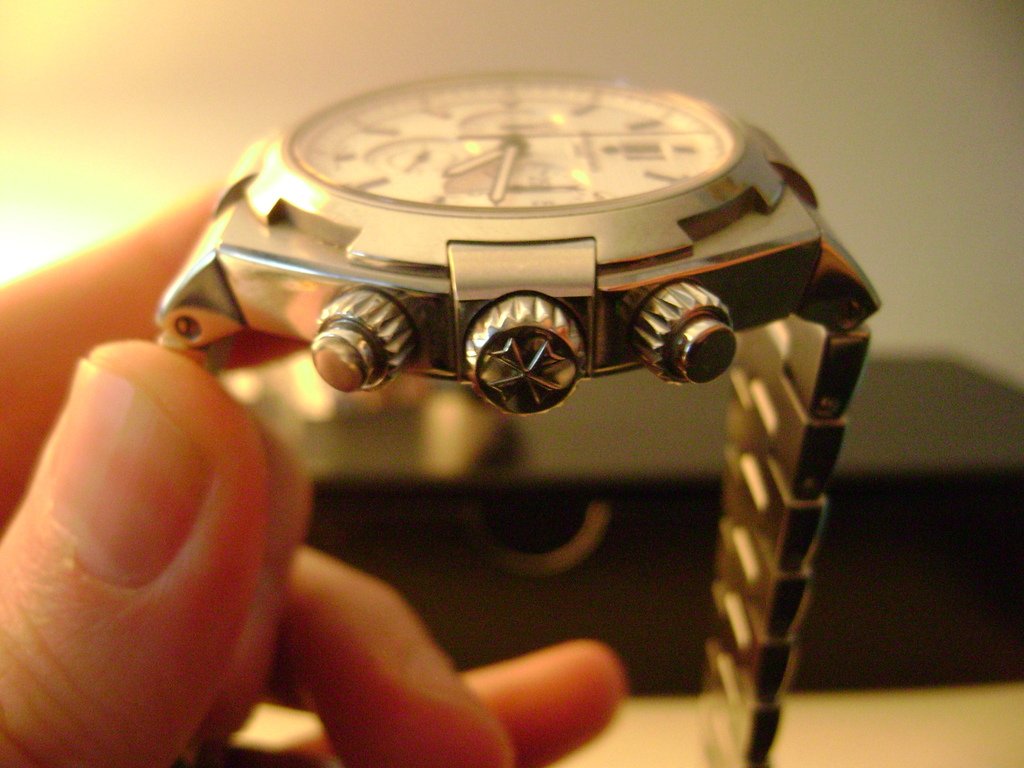
CROWNS/WATER RESISTANCE: The VC's crowns are nicer looking and the watch is water resistant up to 150m whereas the AP's water resistant is a little disappointing for a sport watch at 50m. Advantage VC.
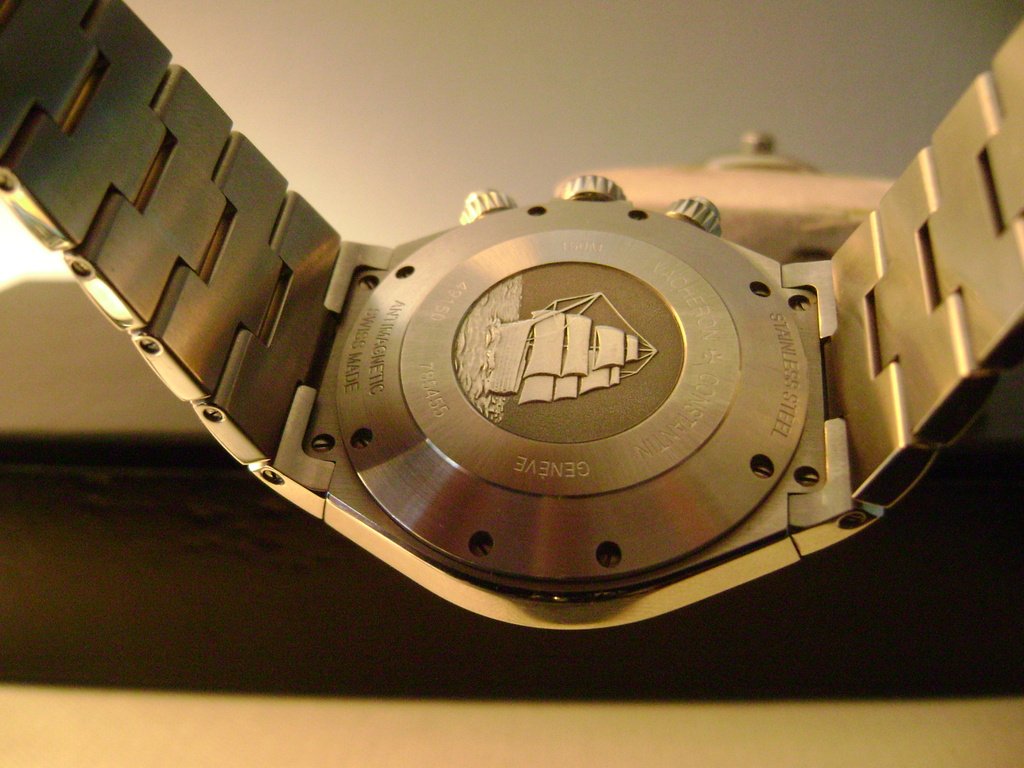
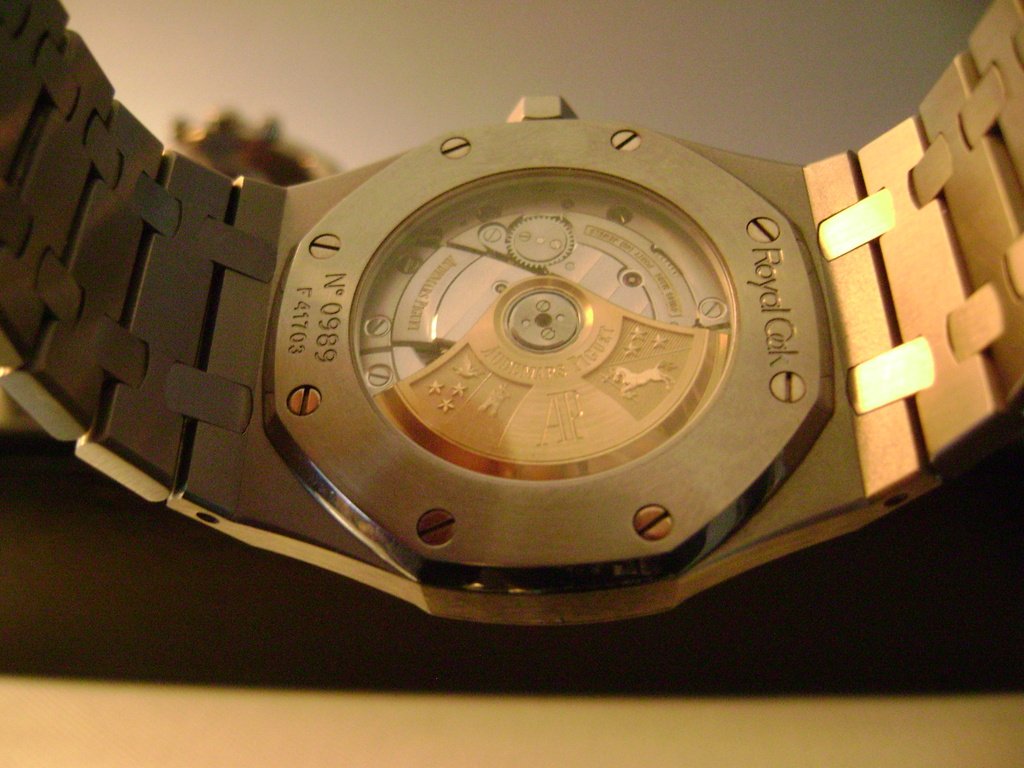
CASE BACK/MOVEMENT: The AP wins hands down although this is an instance where we are not really comparing apples to apples. AP's chronograph offering uses the same F. Piguet movement as VC's and the case back is pretty plain whereas VC has a nice engraving of a ship. Since we are comparing it with the 15300 I've give AP the edge.
Here are wrist shots of both watches.
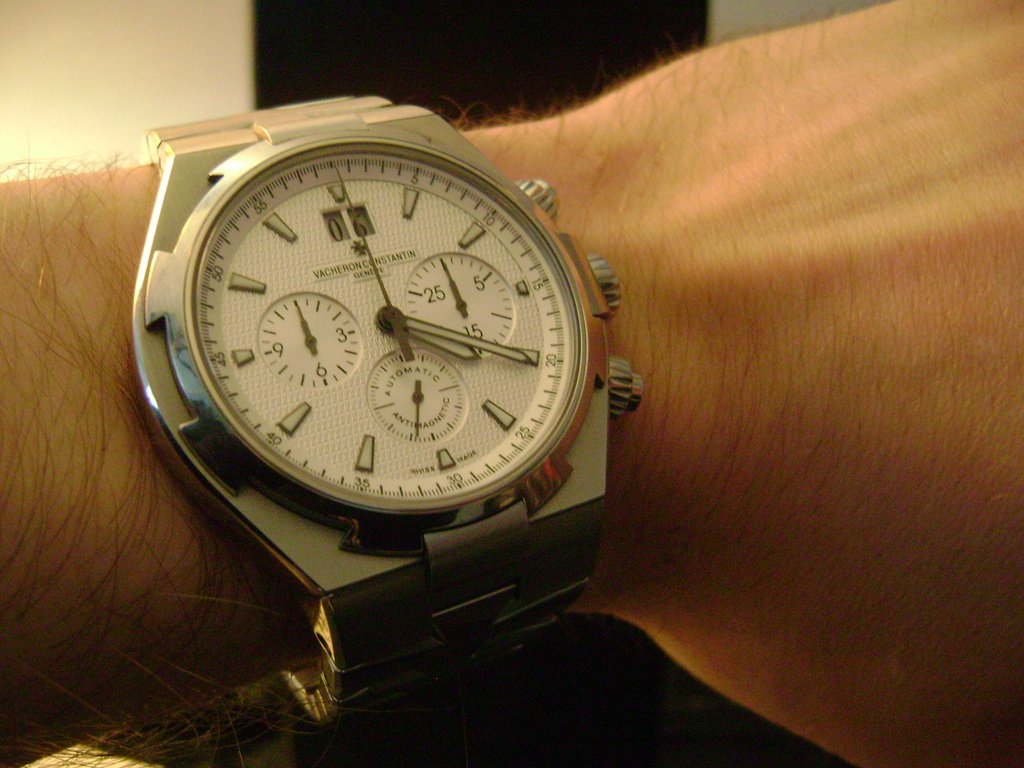
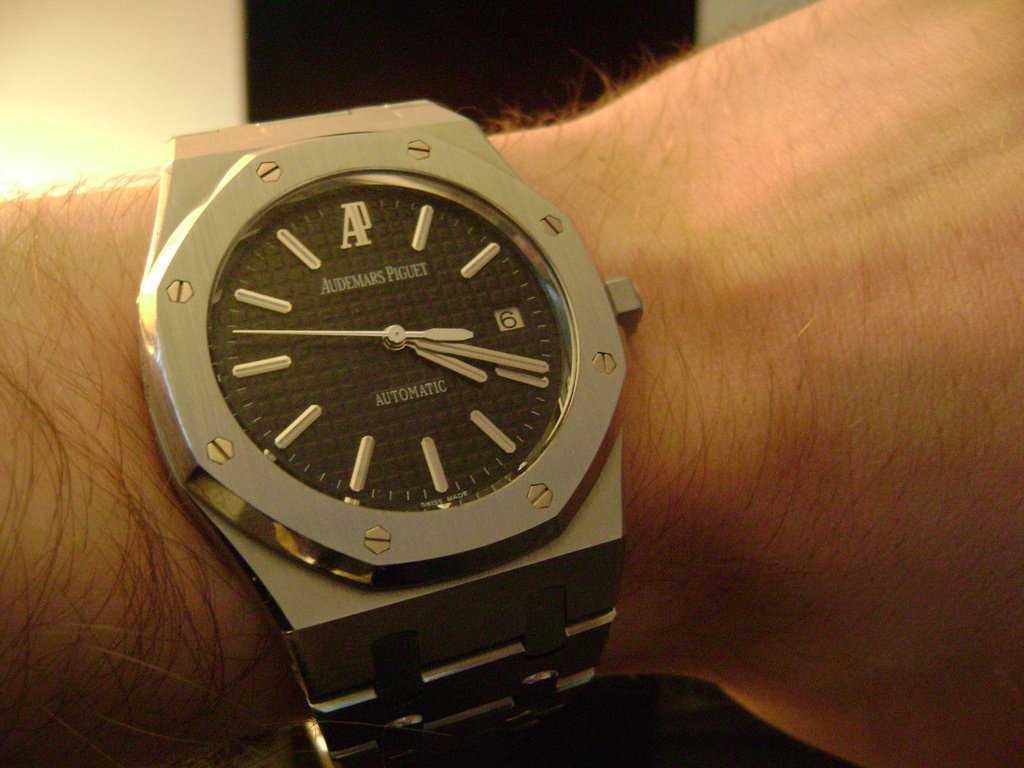
In closing there really isn't a right or wrong answer here. You will be very pleased with either offering, it all really comes down to personal tastes. For me, I prefer the modern look, size, and comfort of the Overseas but with that being said I think the overall consensus would disagree with me. So there you have it, I hope this comparison is helpful.
Tony
added to Editor's Pick
This message has been edited by AnthonyTsai on 2008-03-06 19:25:35The Audemars Piguet Royal Oak reference 15300 represents a significant evolution within the Royal Oak lineage, succeeding the 15202 "Jumbo" and preceding the 15400. It introduced a slightly more robust case and an in-house movement, distinguishing it from earlier models that often utilized Jaeger-LeCoultre base calibers. This reference maintained the classic Gérald Genta-designed aesthetic while offering a contemporary update in terms of its mechanical heart and wearability for a broader audience. It is often considered a transitional reference, bridging the gap between vintage and modern Royal Oak interpretations.
This reference features a 39 mm stainless steel case with a thickness of 9.4 mm, maintaining the characteristic octagonal bezel secured by eight hexagonal screws. The watch is powered by the in-house Audemars Piguet Caliber 3120, an automatic movement known for its robust construction and a power reserve of 60 hours. A sapphire crystal protects the dial, and the watch offers a water resistance of 50 meters. The integrated stainless steel bracelet is a hallmark of the Royal Oak design, ensuring a cohesive and comfortable fit.
For collectors, the 15300 is appealing due to its balanced proportions, which are often preferred over the larger 41 mm cases of subsequent references. Its in-house movement also adds to its desirability, marking a period of increased manufacturing independence for Audemars Piguet. The reference was produced with various dial colors, including blue, black, and white, offering collectors choices within this specific model run. The production period from 2005 to 2012 makes it a neo-vintage piece with a distinct place in the Royal Oak's history.
The choice of which to choose has been an ongoing dilemma for myself between the Overseas and the Royal Oak. They are both beautifully and finely crafted pieces. It is great to see photos of both side-by-side, even though it is still very difficult to choose between them. If VC was to place their inhouse calibre 2450 in the Overseas I would go with this one, but no telling when that will happen. I was wondering if you have ever seen a photo of the Overseas case without the bracelet attached from
Thanks for the response; I hope the post helps you choose. For me an in-house movement is not that important (at one point is but I've gotten over it), I'd much prefer a high end tried and true movement whether it’s in-house or sourced. A lot of times in-house movements are more expensive to service and because they aren't produced as much as other more popular sourced movements, defects tend to occur at a higher probability. In regards to your photo request I don't know where your going to find
...the VC Overseas. Great brushed bracelet, and the fit and finish is excellent. It is a very versatile and elegant watch. You can wear it with a suit at a formal event, or with a t-shirt and jeans to get an upscale sporty look. This watch is truly one of my favorites and most heavily worn. Great report Tony, look forward to seeing you soon. Godspeed, Scott D This message has been edited by sdd7820 on 2008-03-07 02:11:27
Bravo my friend, the comparison was grate. As you probably know I disagree with your concluion, long live the RO!
Jay, Why don't you post some pictures of your RO chronograph? Tony
This thread is active on the Vacheron Constantin forum with 18 replies. Share your knowledge with fellow collectors.
Join the Discussion →