Discussion
India Whiskey Charlie initiates a compelling debate, pitting the Breguet Classique 5177 against the A. Lange & Söhne Lange 1. His original post highlights a critical design element—the date window—as a decisive factor in his preference. This article delves into the community's nuanced perspectives on these horological titans, exploring how subtle design choices can profoundly impact a collector's appreciation.


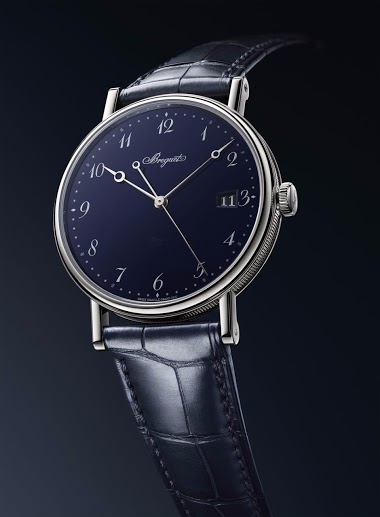
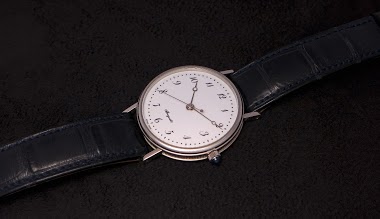
The Classique 5177 is a notable reference within Breguet's Classique collection, recognized for its traditional aesthetic combined with contemporary refinements. This particular model often features a distinctive dial, which, as noted by collectors, can be a significant point of interest due to its color and finish. It represents Breguet's commitment to classical watchmaking principles while incorporating subtle modern touches that appeal to a discerning clientele seeking understated luxury and horological integrity. The Classique 5177 maintains the brand's signature design elements, such as the fluted caseband and Breguet hands, making it instantly recognizable as a product of the esteemed manufacture.
This reference typically houses an automatic mechanical movement, often visible through a sapphire caseback, showcasing the intricate finishing and traditional craftsmanship. The case is commonly crafted from precious metals, with dimensions that ensure a comfortable fit while maintaining a presence on the wrist. A sapphire crystal protects the dial, offering clarity and scratch resistance. The movement provides a substantial power reserve, contributing to the watch's practicality for daily wear. The construction emphasizes durability and precision, reflecting Breguet's long-standing heritage in high-end watchmaking.
For collectors, the Classique 5177 appeals to those who appreciate traditional watchmaking with a focus on refined details and technical execution. The presence of a date complication, as observed by some, is a functional addition that can be a point of discussion among purists. Variants of this reference may include different dial materials and colors, offering choices for diverse preferences while retaining the core design language of the Classique line. It serves as a strong representation of Breguet's enduring legacy in creating timepieces that balance historical reverence with contemporary wearability.
Dates never bothered me, specially if it’s tone on tone as it is here…
This thread is active on the Horological Meandering forum with 23 replies. Share your knowledge with fellow collectors.
Join the Discussion →