Chopard Lucent Steel A223: Material Innovation
Innovation

Chopard Lucent Steel A223: Material Innovation

By patrick_y · Jan 12, 2025 · 32 replies
patrick_y
WPS member · Chopard forum
32 replies10239 views6 photos
f ๐• in ๐Ÿ’ฌ โœ‰ ๐Ÿ”—

Patrick_y, a respected moderator on WatchProSite, delves into the often-overlooked material science behind luxury timepieces with his in-depth look at Chopard's Lucent Steel A223. His analysis challenges collectors to consider the tangible benefits of advanced steel alloys, moving beyond traditional perceptions of watch case materials. This exploration provides valuable context for understanding Chopard's commitment to innovation in both aesthetics and durability.
32 collectors discussing this on the WatchProSite forumJoin the Conversation →
Moderator Patrick_y explores the advantages and disadvantages of the Chopard Lucent A223 steel in a frank mini-review.  


Here's a question nobody has ever asked.  Who makes the best steel case and bracelet material in a steel watch?  

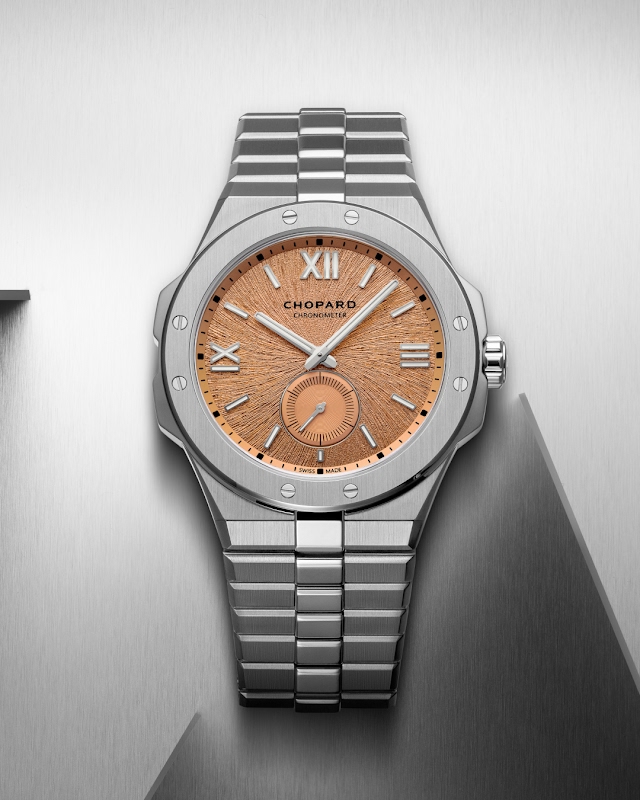
Chopard Lucent A223 steel.  It's a double refined steel (it goes through the refinery process twice which enhances its purity).  Made from 70-80% recycled steel, percentage to increase.  Extra hard.  Extra white, the steel looks like palladium or platinum!  Made in the Voestalpine foundry in Austria.  Typical steel is around 150 vickers, Chopard's Lucent steel is over 200 vickers in hardness; significantly harder and much more scratch resistant.  The hardness also partially allows it to be polished to a higher albido.  

Most watch brands use a 316L steel.  Rolex uses a 904L steel that is whiter than most steels because of the higher nickel content.  In a practical sense, the Lucent A223 steel will have less scratches than typical steel watches and will have greater tensile strength; the Chopard Lucent A223 steel will also be more chemically resistant, brighter, whiter, less likely to cause allergies, and be overall more appropriate for jewelry than 316L and 904L steel.

The A223 Lucent steel will also be significantly many times more expensive to buy (Chopard buys about 20 metric tons of steel a year, so not a huge deal at the end) and significantly more expensive to machine.  Tools used to machine the steel will have significantly more wear.  So there is a real added cost to employing the material.  

With little doubt, this is likely the most expensive and most appropriate high end steel to be used in the watch industry today as a case and bracelet material.  There are also real tangible benefits for the user.  

Chopard uses a surprisingly high amount of steel per year - around 20 metric tons (they certainly don't make even half weight in products in all materials per year).  In other words, one mostly full truck load of steel.  It won't save the world, but it probably does reduce overall emissions from Chopard as a corporation by a reasonable percentage.  Thus, I applaud Chopard's employment of this steel - from a practical standpoint and from an environmental one.  

I'm a fan of steel watches.  While I like gold and platinum watches (very much), I don't like the use of gold on watches, especially bracelets, since gold bracelets sometimes stretch and wear over time.  Steel bracelets retain their shape.  I applaud Chopard's use of this steel.  Most features touted by watchmakers aren't a real benefit to the user.  This Lucent A223 steel is a true feature that has true benefits to the user.


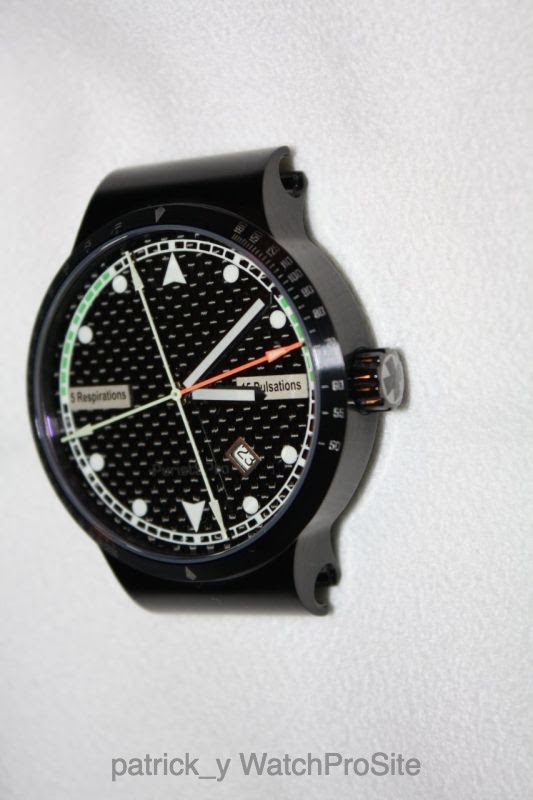
The PuristSPro ABR watch uses 316L stainless steel with a black PVD coating!  


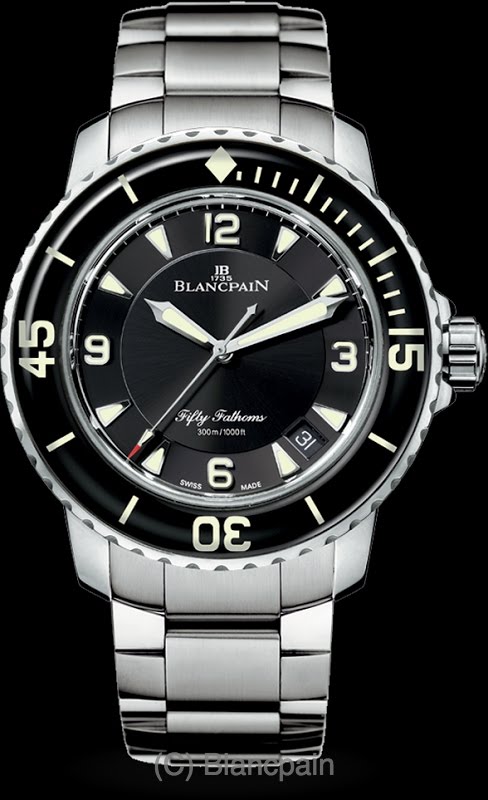
The Blancpain 50 Fathoms uses a 316L stainless steel!  


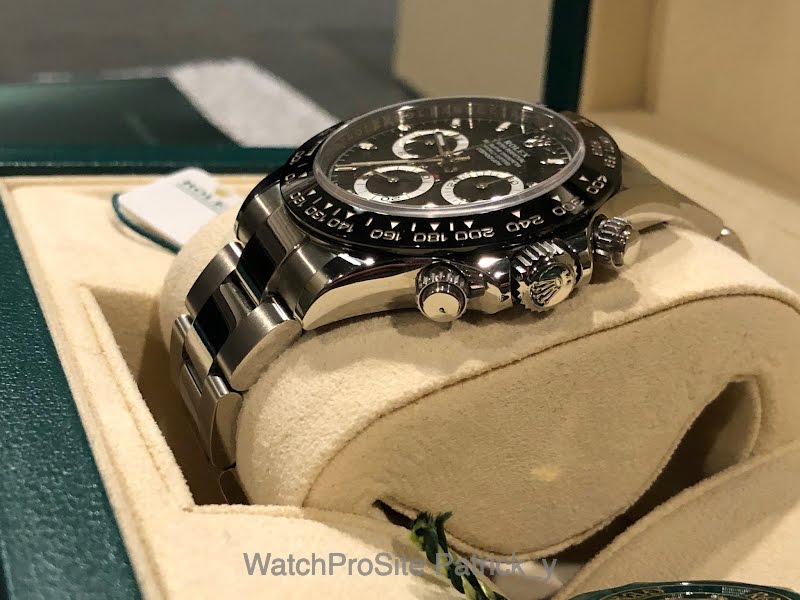
Rolex uses a 904L stainless steel with a higher nickel content for a shinier and whiter steel.  


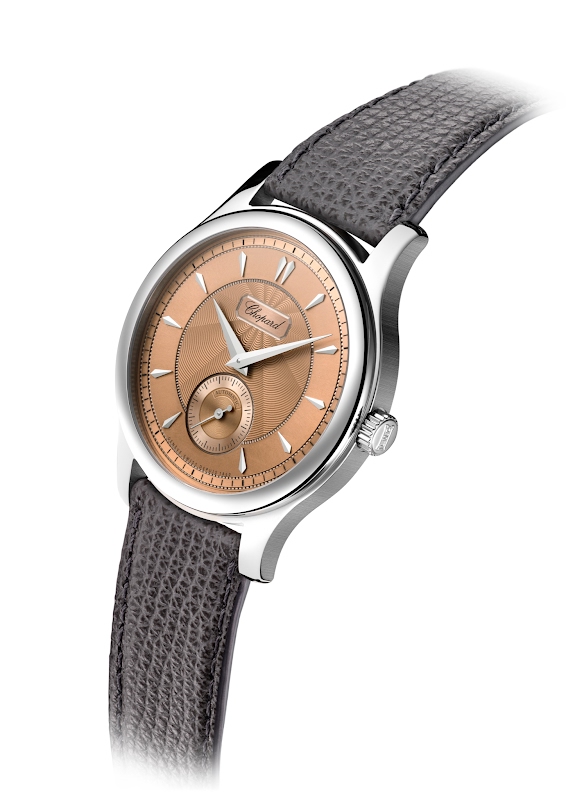
This Chopard dress watch is made of steel!  Not white gold or platinum!  The Chopard Lucent A223 steel is so white that it is mistaken to be palladium or platinum sometimes.  

Key Points from the Discussion

Advertisement
The Discussion
QU
quattro
Jan 12, 2025

Thereโ€™s just one thing that I can say, unfortunately, owning a regular 41mm grey dial Alpine Eagle: it is quite prone to scratches. It would maybe be even worse with an other steel (I donโ€™t have enough experience with steel watches) and maybe some part of the problem comes from the many polished parts of the bracelet and from the very finely brushed parts. But light scratches are many after 2 years of ownership.

PA
patrick_y
Jan 12, 2025

I'm very careful with my watches, so I generally don't have a problem. Even my 316L steel watches still look in good shape. Overall, the design of the Alpine Eagle bracelet with the polished bits sticking out is just asking for scratches on the most visible parts.

PA
patrick_y
Jan 12, 2025

Generally, most companies order their steel off a catalogue. 316L or 904L. Chopard and Seiko probably got slightly involved with the steel foundry and specified a steel that met their needs; both from a performance standpoint (hardness, aesthetic polish qualities, etc.) and from an environmental standpoint. These companies are probably not getting very involved in the steel making. But just a little more involved than ordering their steel off a catalogue. The rest is possibly more marketing rela

PA
patrick_y
Jan 12, 2025

A lot of steel is generic. Some people think Rolex invented 904L steel - they did not. And most steel is ordered off a catalogue - the watch company just buys it (or their case supplier just buys it). Chopard, Seiko, and a few other brands probably got slightly more involved than ordering their steel off a catalogue, but the brand is definitely not making their own steel. They're probably just approaching the manufacturer and asking if certain properties or attributes can be incorporated (whiten

MD
mdg
Jan 12, 2025

...I prefer it in almost all cases unless it is a very slim, very dressy watch...

PA
patrick_y
Jan 12, 2025

Nicer steel is probably not a big deal to most. But I'm just hoping more consumers pay attention to it so this way more watch companies realize consumers are paying more attention it and the watch companies themselves start paying more attention it. Watch companies and their case suppliers generally order raw 316L or 904L steel off a catalogue and don't think much about it. Perhaps it's time they start paying more attention to the steel they use!

Advertisement

Continue the conversation

This thread is active on the Chopard forum with 32 replies. Share your knowledge with fellow collectors.

Join the Discussion →