
Vintage
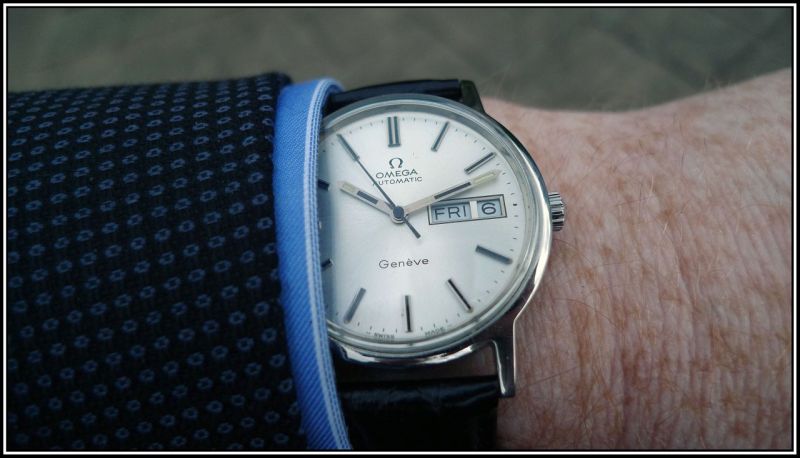
AndrewD's detailed post on the Omega Geneve Day-Date Ref. 166.0117 offers a valuable look into a classic yet often overlooked vintage Omega. His insights into its Cal. 1022 movement, case dimensions, and design elements provide a comprehensive overview for collectors interested in the brand's mid-century offerings. This piece highlights Omega's commitment to functional legibility and robust engineering during the 1970s.
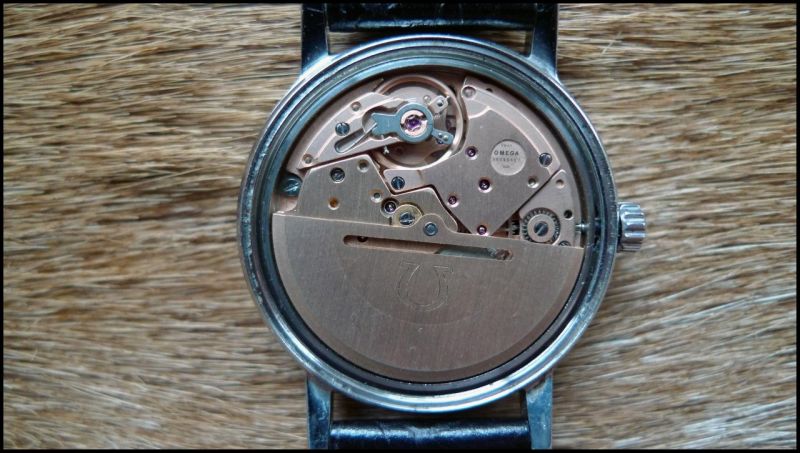
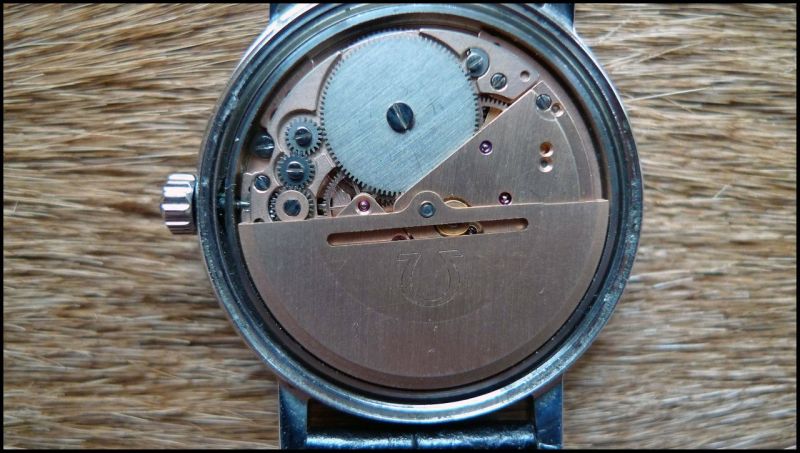


...the third through fifth shots? Ruckdee
I think it is a "head shot" instead of a wrist shot... To be serious - I guess it is some fur. erich
Love this kind of “ clean “ watches with something “ extra “ ! Also the black second hand I think is brilliant and also that the black markings on the hour and minute hands are clearly inside the hour indexes. Thanks for sharing this with a “ Omega hang-around ” Best Blomman
if my memory serves correct this is one of the last of the true in-house calibres before they started using modified ETA calibres in the mid 70's. i owned one in years gone buy, but never realised you could quick set the day. you live and learn. its weird listening too you on the video as we often make an impression of the person we email regularly. its human nature i think, so when i heard you talking i thought 'this isnt Andrew, he's a highly respected Doctor, always smartly dressed in the wri
Hi Graham, Pleased you enjoyed the video, and that I was able to teach you something about the Cal. 1022. I found out about the quickset day and date from a contemporary instruction manual; the Internet is a wonderful resource. Apologies for the Australian accent. But you're right, we all speak funny like that down here! And of course it's the multicultural nature of this community that makes it so interesting. My 'collection', for what it's worth, is all over the place. Just watches that I like
i look forward to it Andrew. interestingly, regarding accents, if you listen to some english historians they claim that in the age of Shakespeare we in england spoke with the antipodean accent. their theory is that the original settlers in Australia were isolated and kept their original accent whilst the english mixed with other europeans and our accent changed. its probably a load of rubbish and an excuse for 10 years research grant, but interesting nonetheless. best Graham
This thread is active on the Omega forum with 19 replies. Share your knowledge with fellow collectors.
Join the Discussion →


