Omega Manufacture Bienne & Museum Visit
Manufacture

Omega Manufacture Bienne & Museum Visit

By amanico · Nov 1, 2018 · 51 replies
amanico
WPS member · Omega forum
51 replies20491 views36 photos
f 𝕏 in 💬 🔗

Amanico takes readers on an exclusive journey through Omega's Bienne manufacture and its treasure-filled museum, following up on his technical insights from Saint Imier. While assembly and control processes remain behind closed doors, his privileged access to the Omega Museum allows for a rare photographic exploration of iconic prototypes and historical pieces. This post offers a unique opportunity to appreciate Omega's heritage and manufacturing prowess.

After the technical aspects discussed in Part I with the visit of the Manufacture in Saint Imier, we went to Bienne. 


There, we could see how the watches are totally assembled, controlled and packaged, but  don't expect pictures, as photos are not allowed. 

A lot of processes are made by robots, and we saw them working, but humans are still present, at the key stages. 
But I had a secret hope, when coming to Bienne... I prayed to be authorized by the Omega Museum to take pictures of some of their treasures. And... They kindly allowed me to do so! 
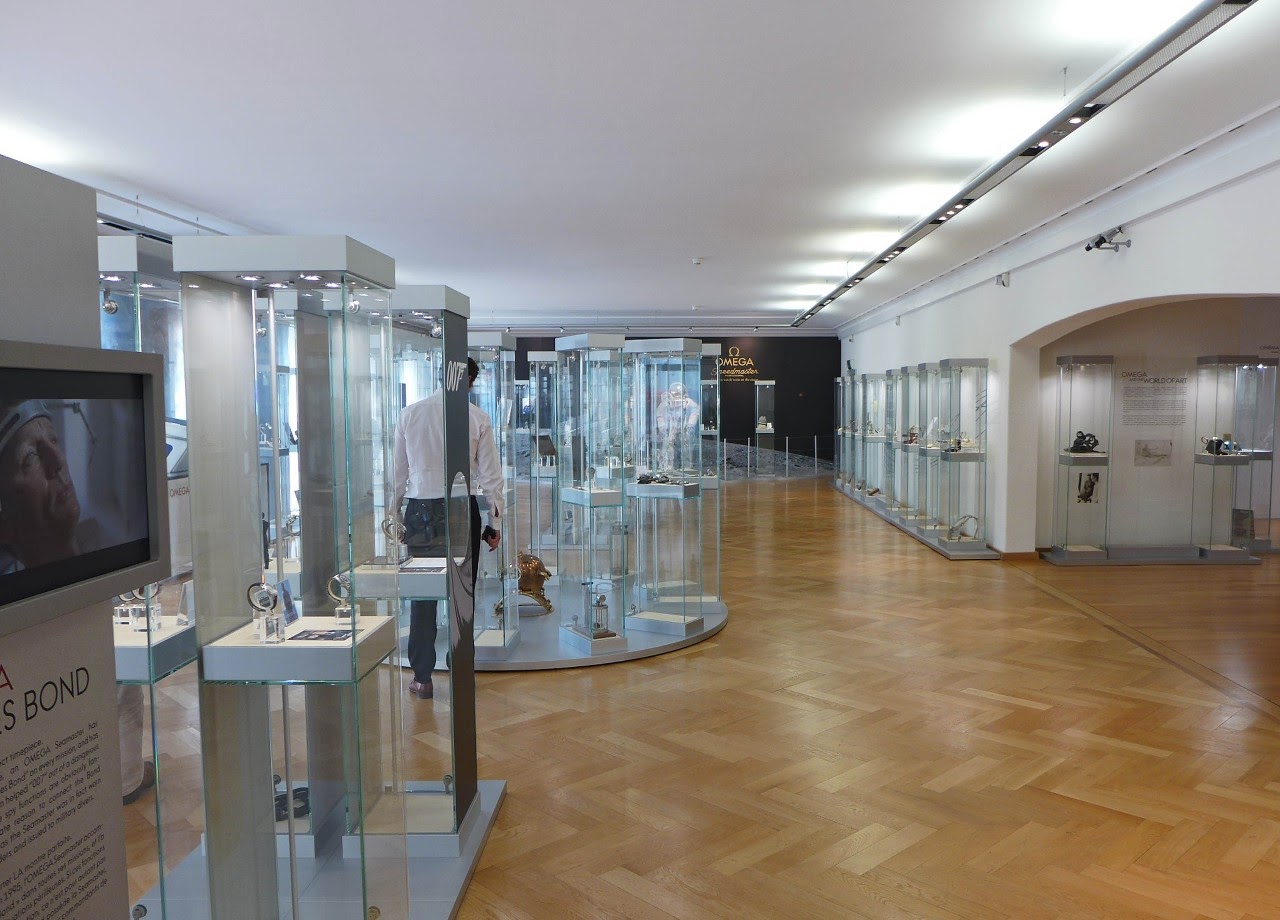
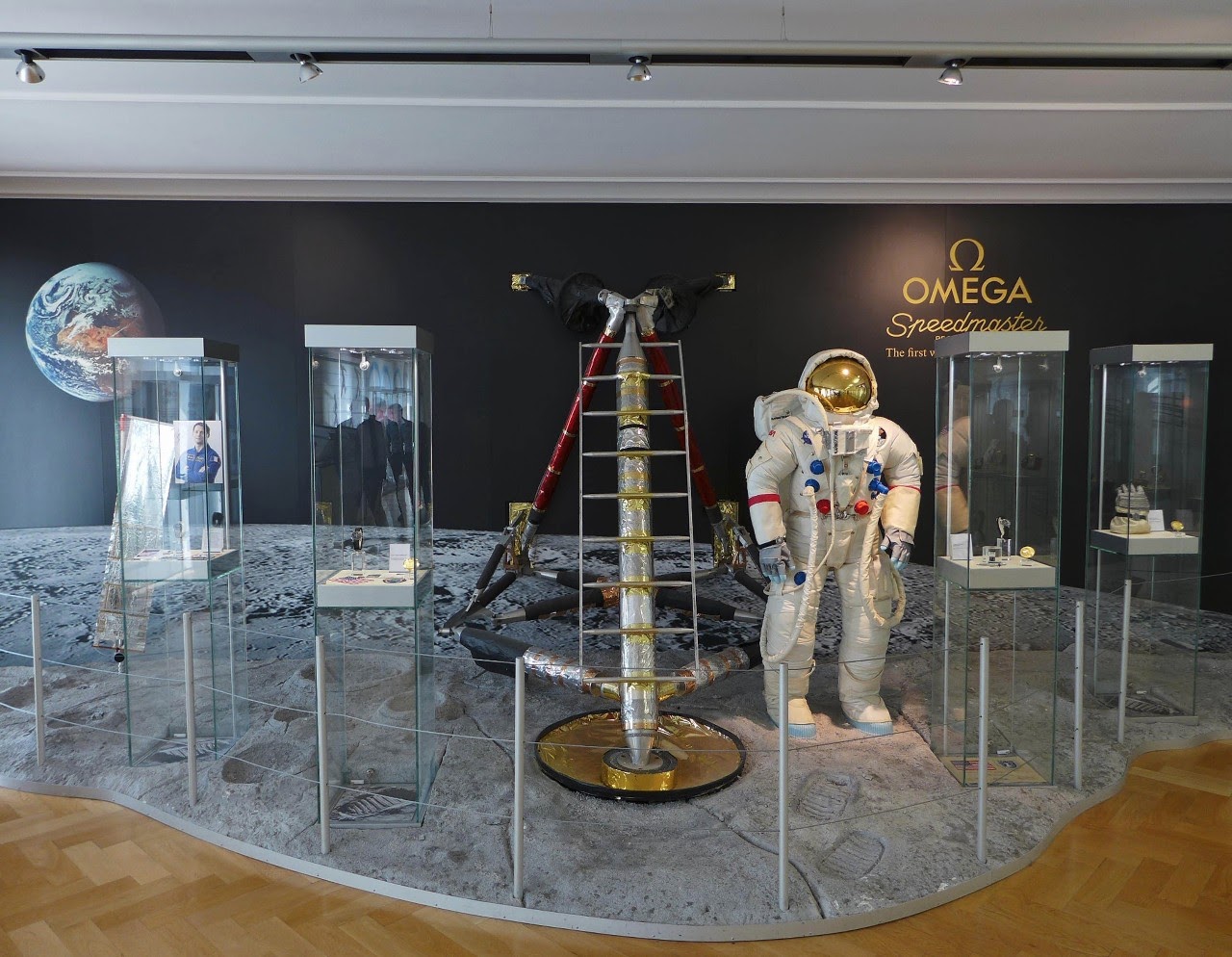
The Museum:


And THE display I wanted to see... 


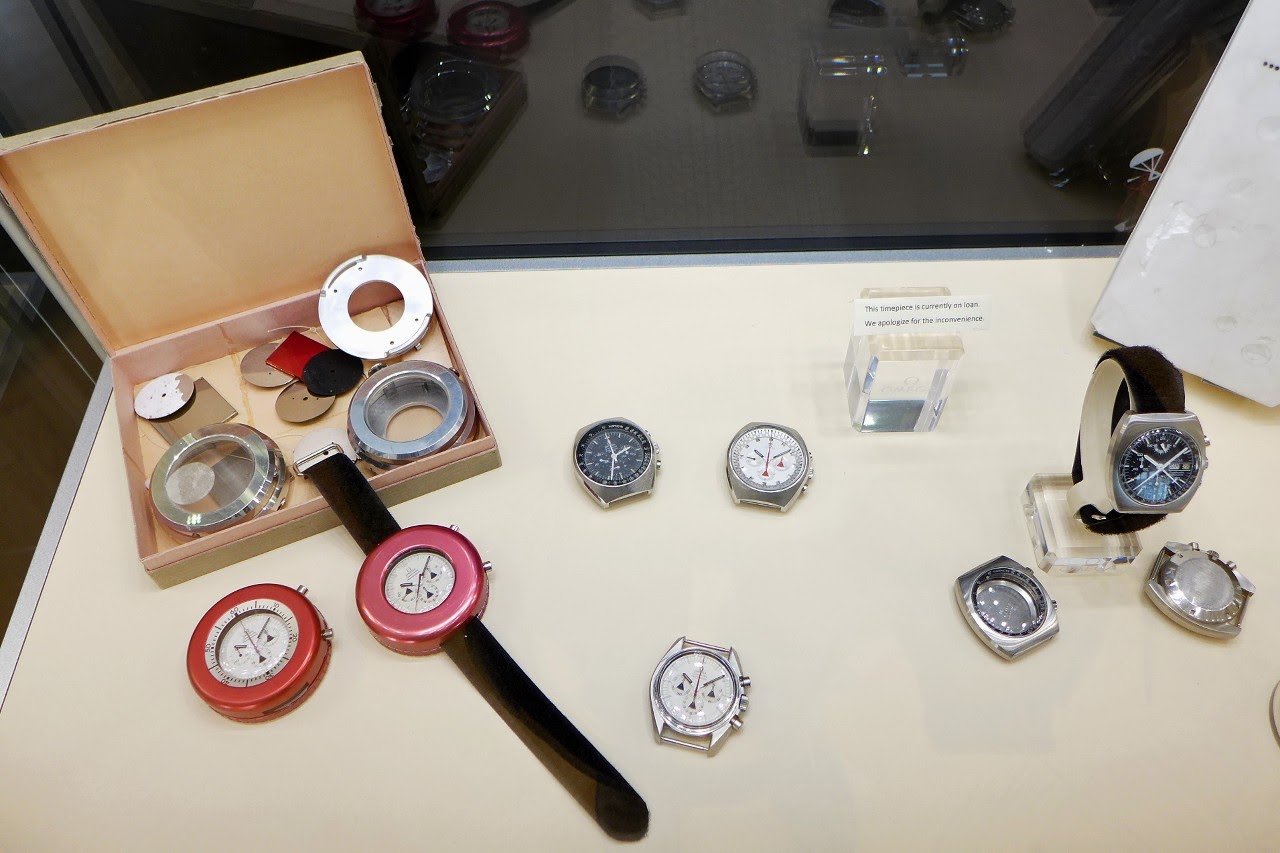
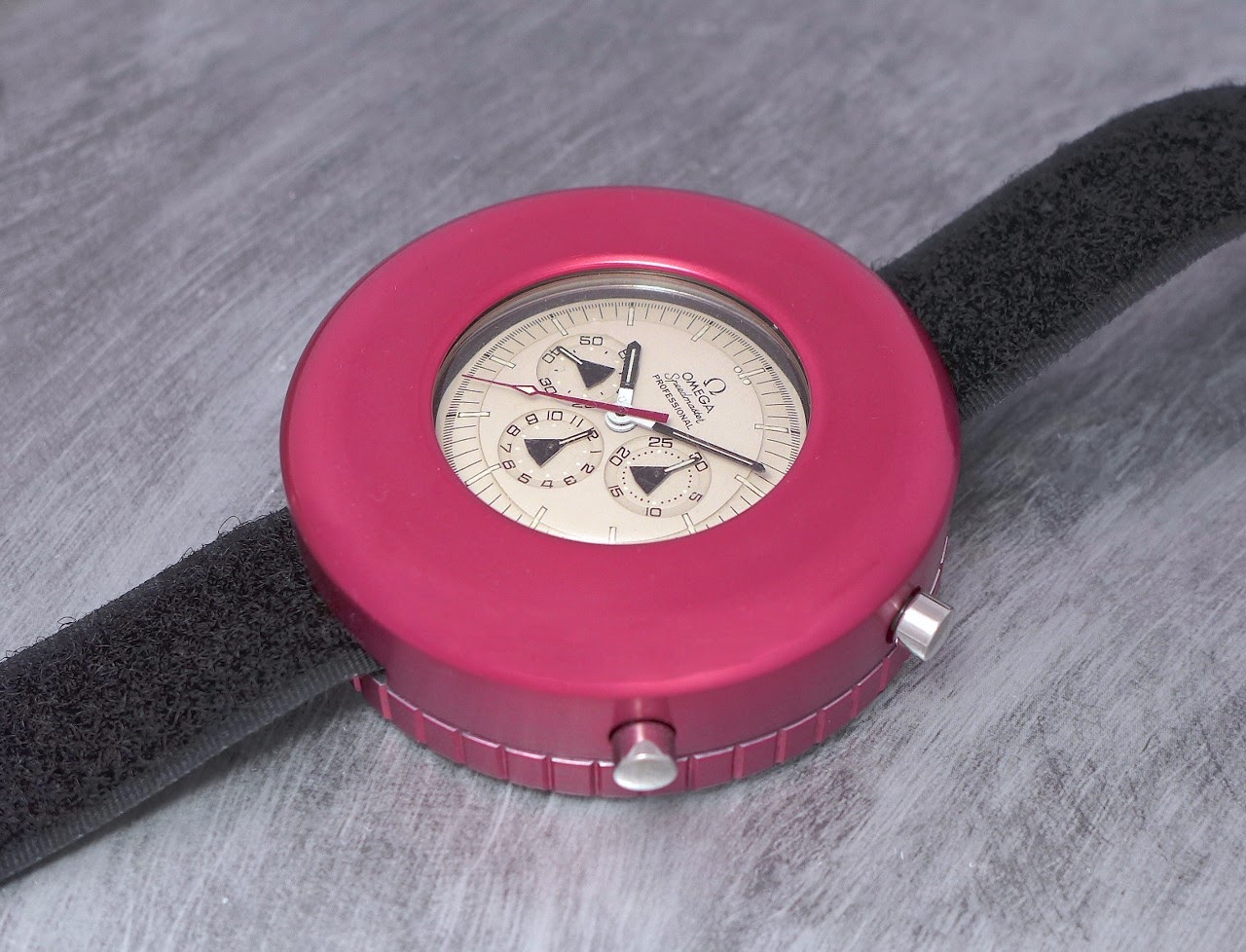
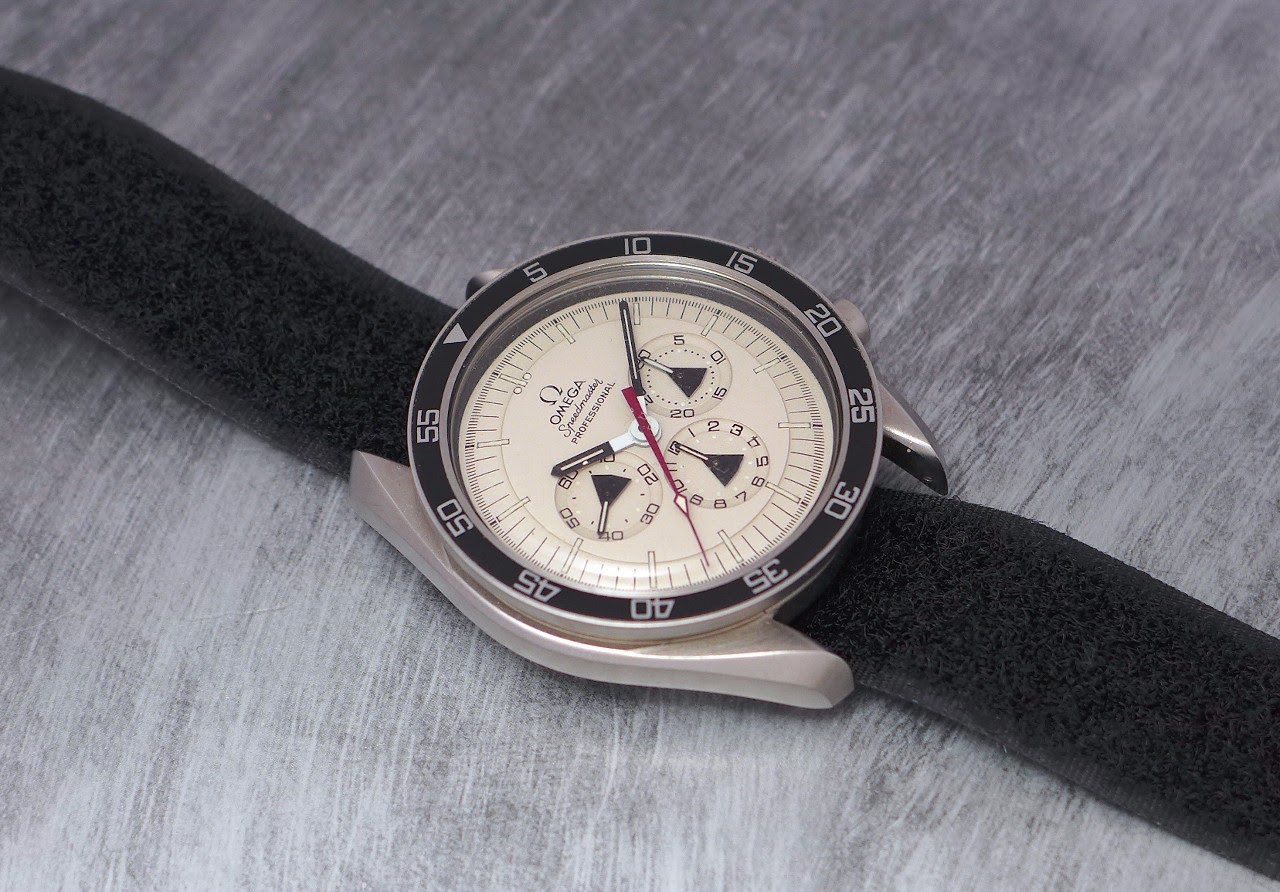
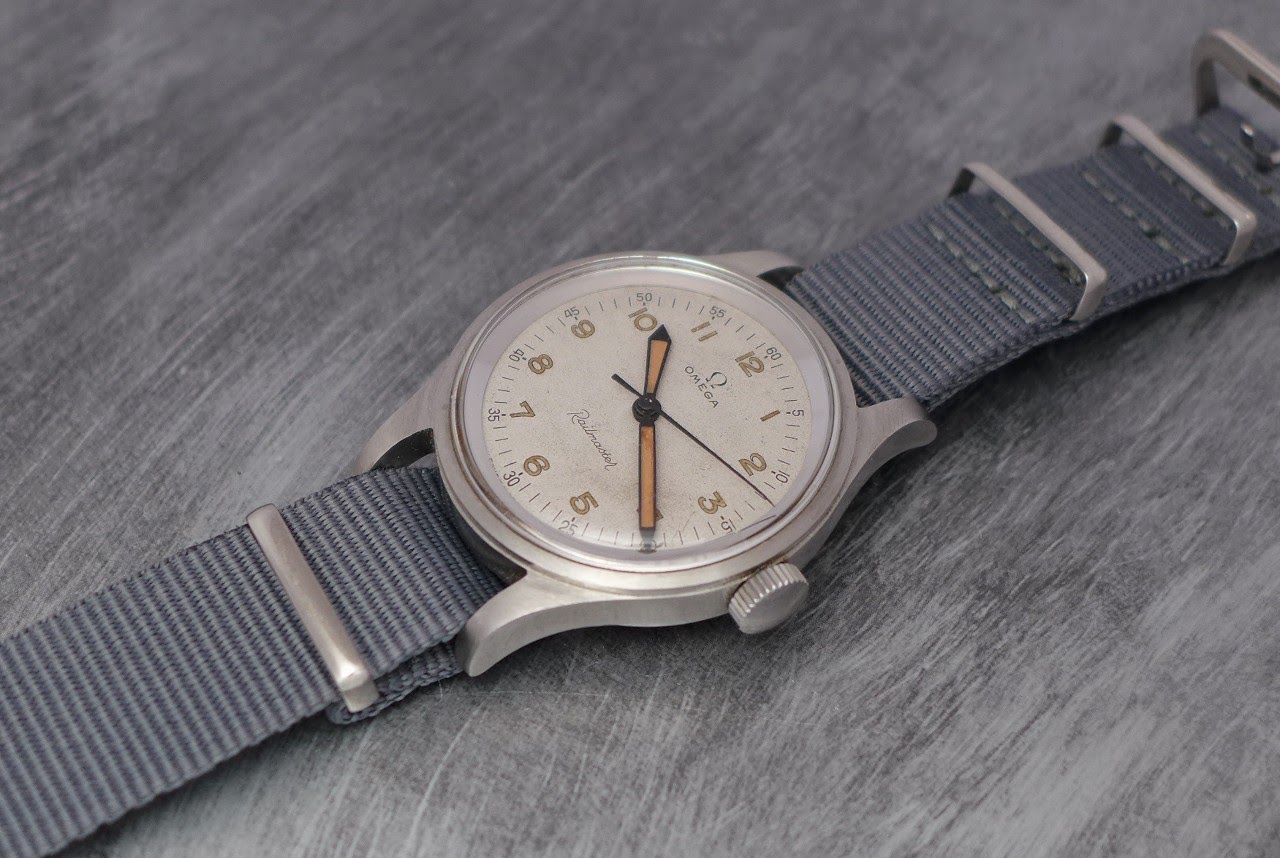
The pieces I wanted to take in pictures were the Speedmaster Alaska Prototype Type 1 and Type 2, the Seamaster Plo Prof " Janus " Type 1 and 2, and the Railmaster CK 2777-2 White. 

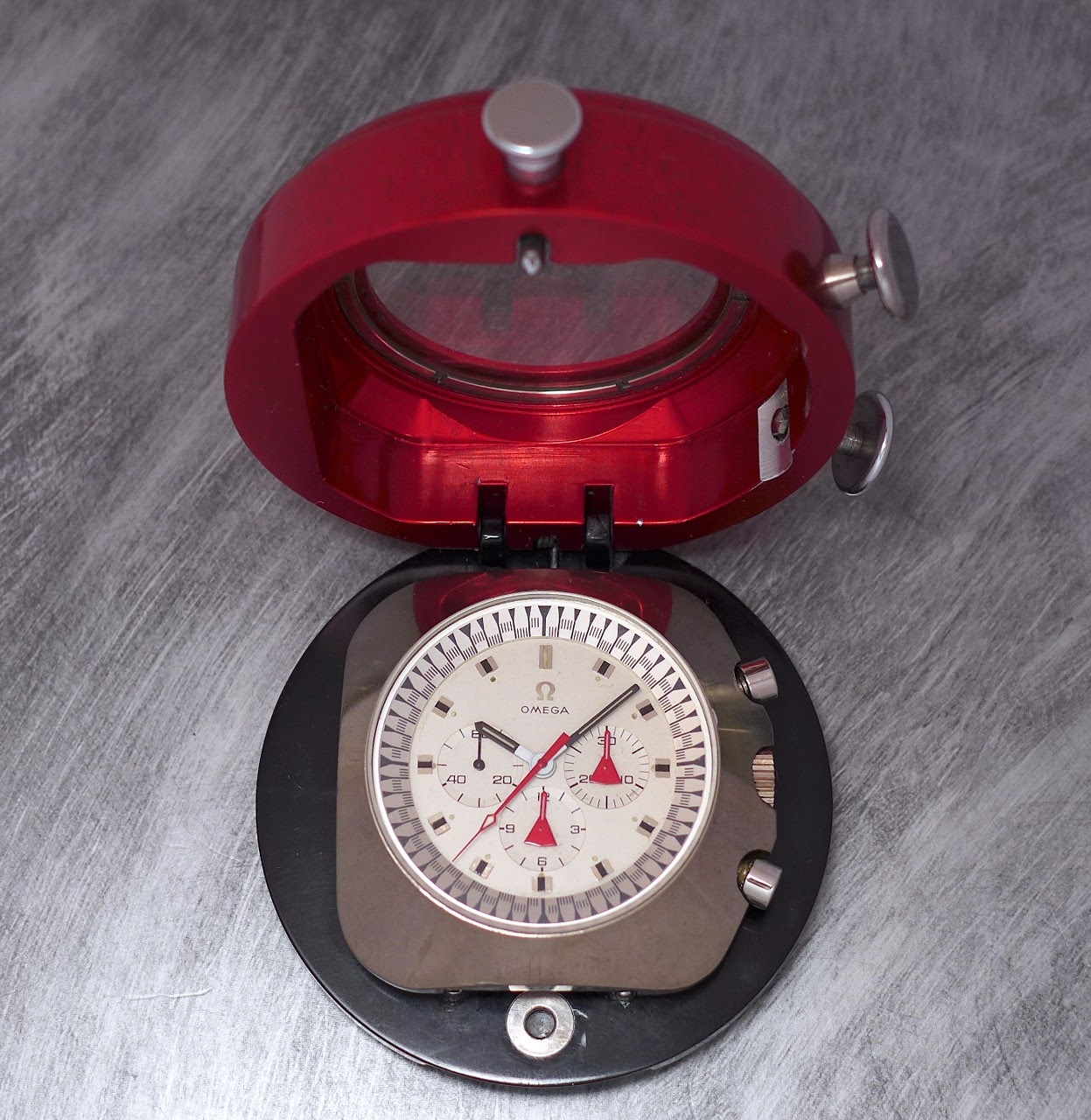
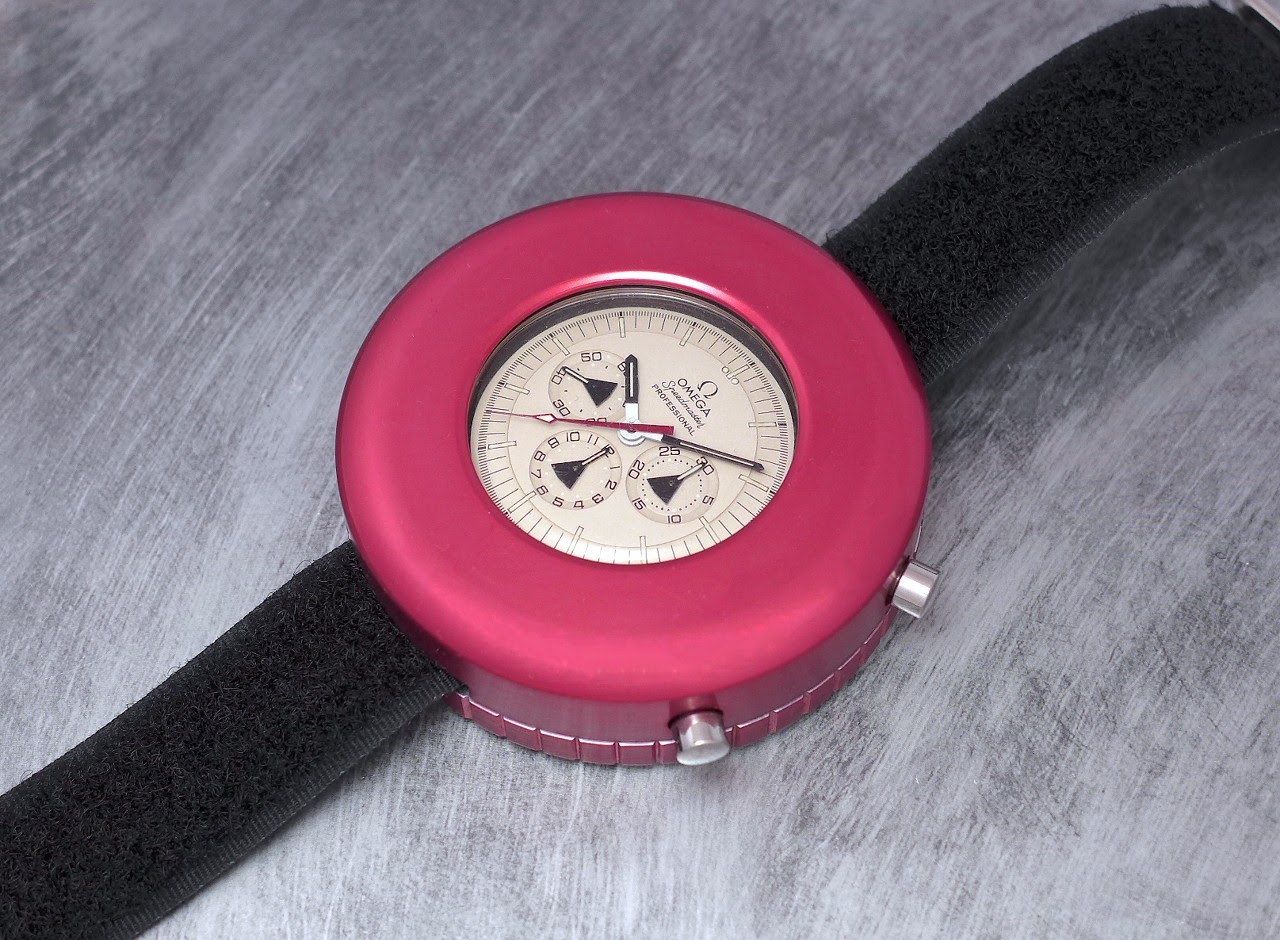
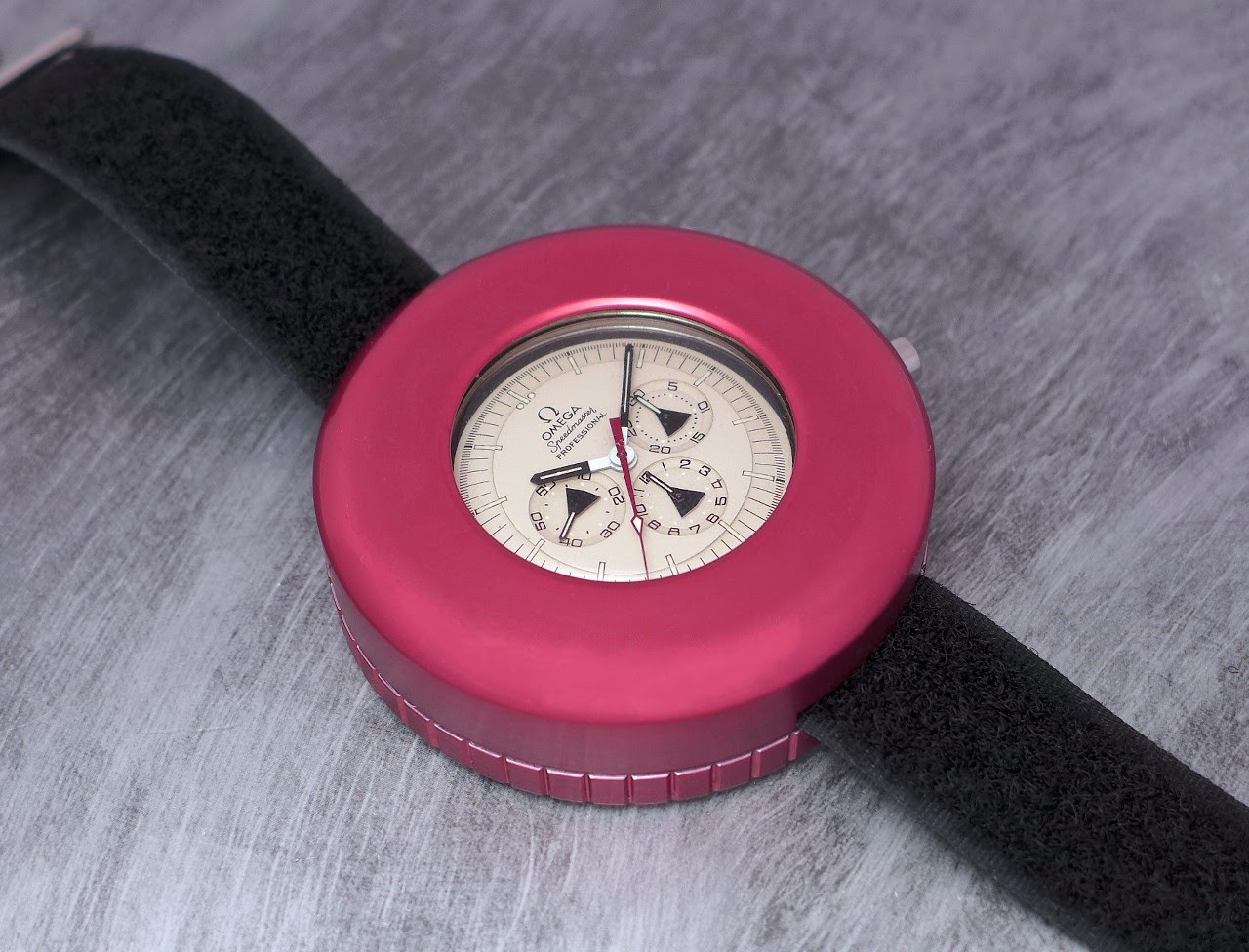
Let's start with the Speedmaster Alaska Prototype MK 1. 


Made in 1969, in a very small series of prototypes, Omega offered it to the NASA, who  didn't want it. 

The 46 mm titanium case is huge, thick and even bigger with its characteristic red heat  shield, and when you see it in the real, you start to understand why the NASA preferred something more conventional for the missions. 

The movement is not original, as it is the Cal 861 housed in other Speedmasters. 

I could find the reference of that watch: 5-003. 

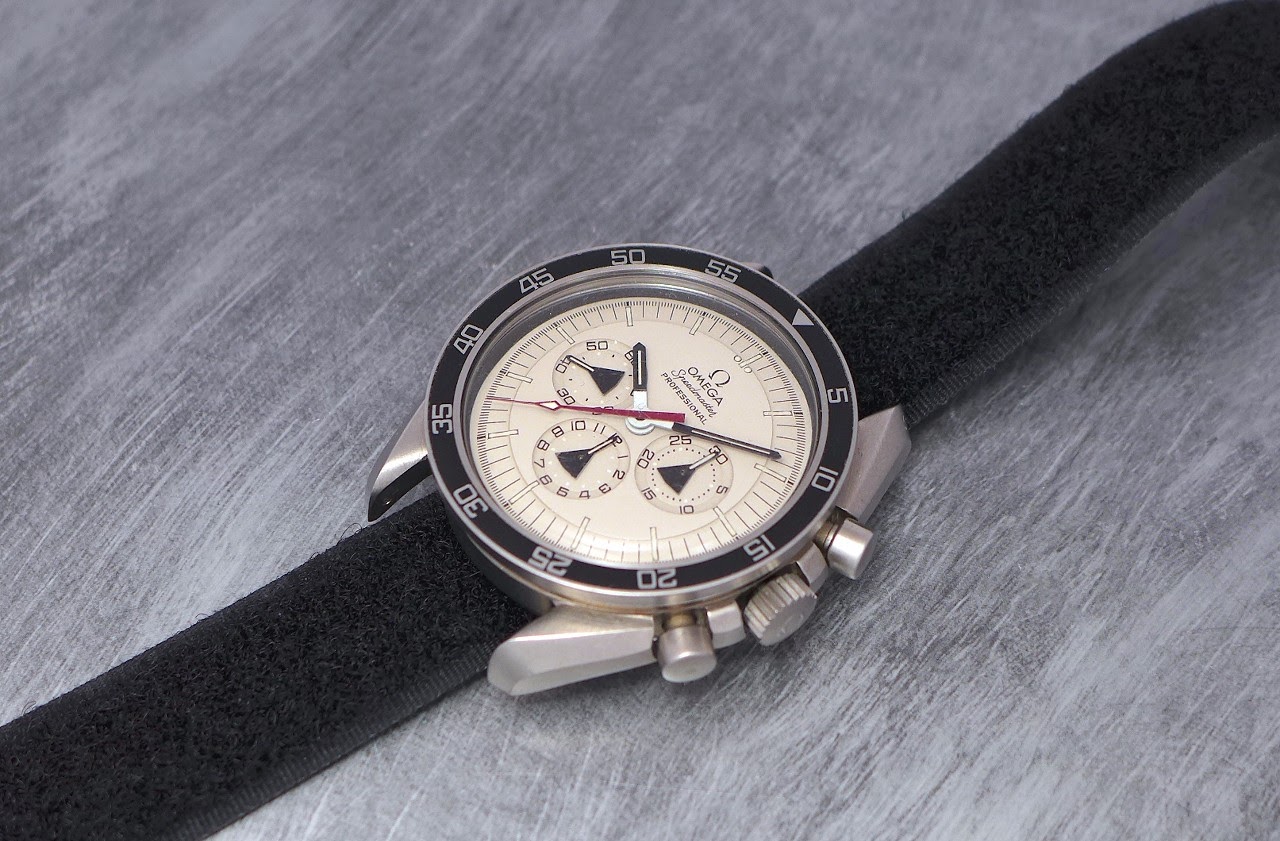
So, Omega came back three years after, in 1972, with a more conventional Speedmaster, the reference 145 022, using the well known lyre lugs case, 42 mm big, with an originality: The steel case is sandblasted.

Here with its red shield:


The movement is the same than the first prototype, the Cal 861.

Here again, the prototypes didn't convince the NASA, and this watch was not in production, till 2008... When Omega decided to release a limited re edition  we well know, now. 

Without its red shield: 


I really love this dial and set of hands at the point it is, for me, an absolute grail.

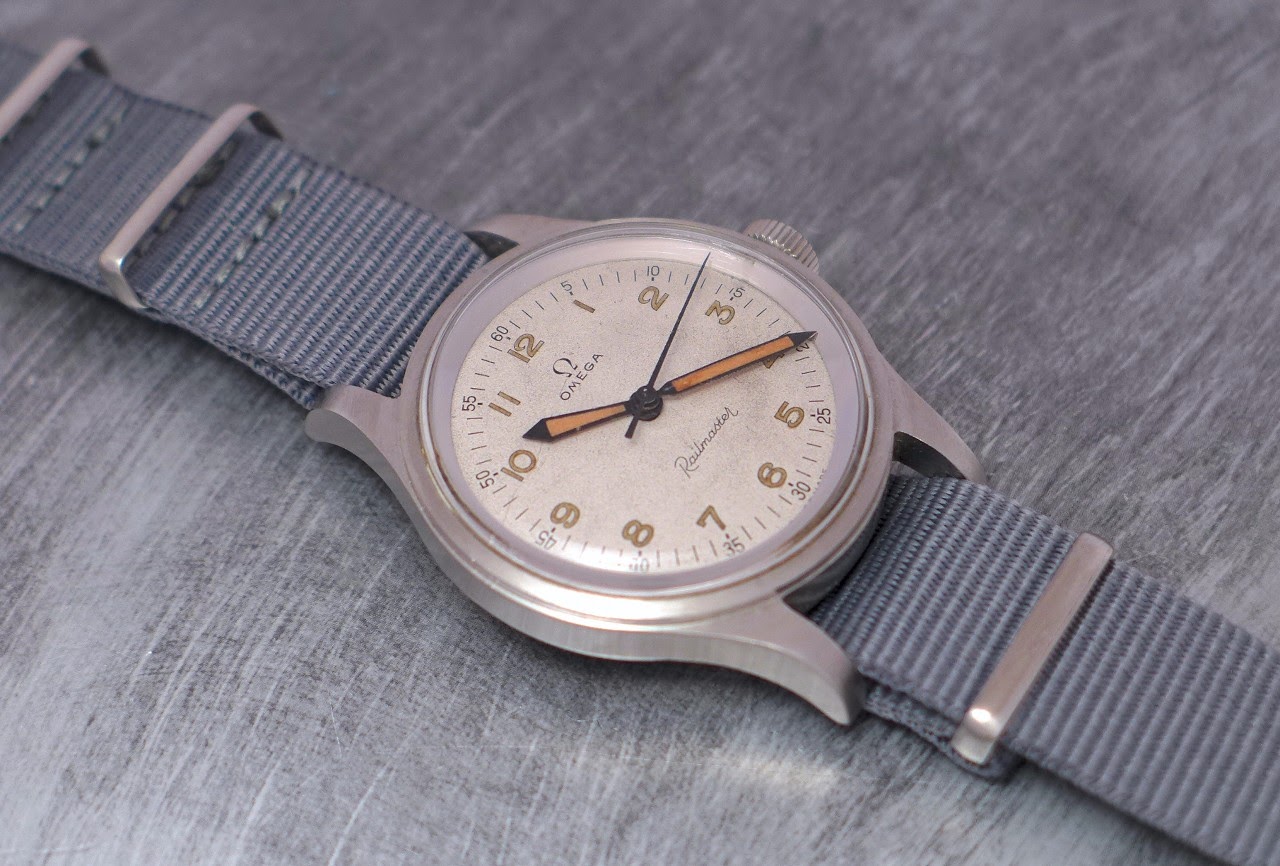
Now, let's see another sea snake, a Railmaster which unchained the passions, the reference CK 2777-2. 


Some very serious collectors and vintage Omega experts mentioned it, especially on our site. Here is Bill Sohne's review, for example: 

www.watchprosite.com  

This watch is born in 1955 / 1956, was made in a very small batch, at the point some think it is the prototype of the legendary Railmaster CK 2914, born in 1957.

The chances you see one in the real life are close to zero, so it was an honor to take pictures of this one! 

The movement is the manual winding Cal 283. The case size is 37 mm, so 1, 5 mm smaller than the CK 2914. 

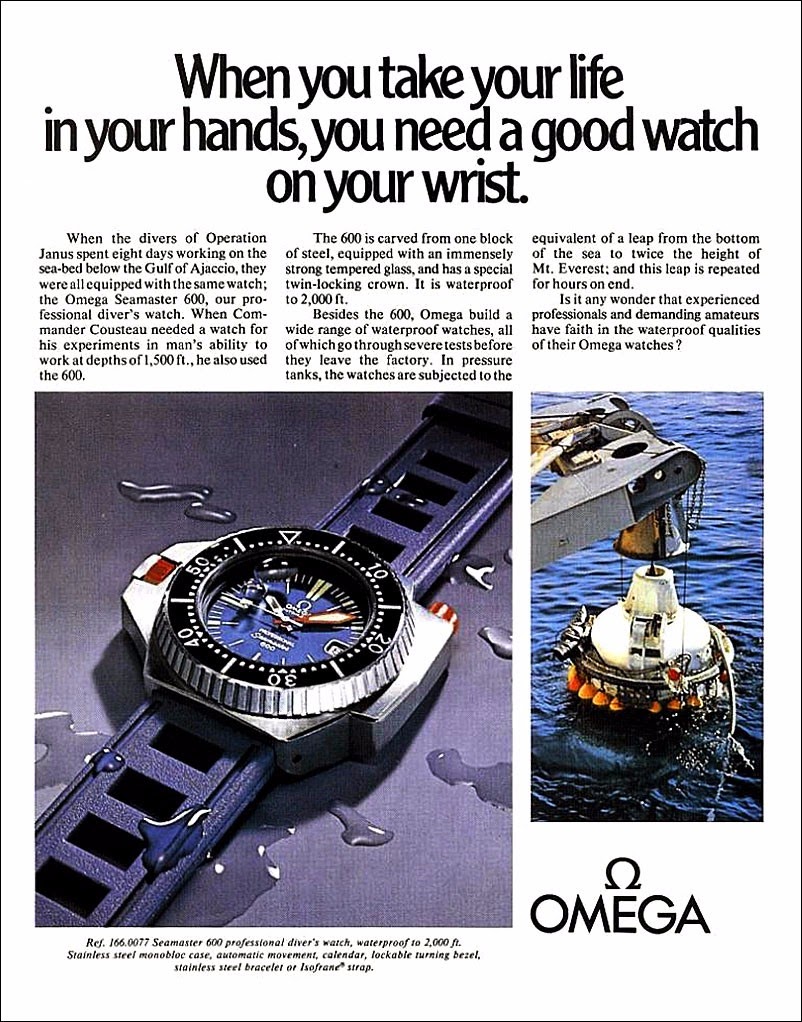
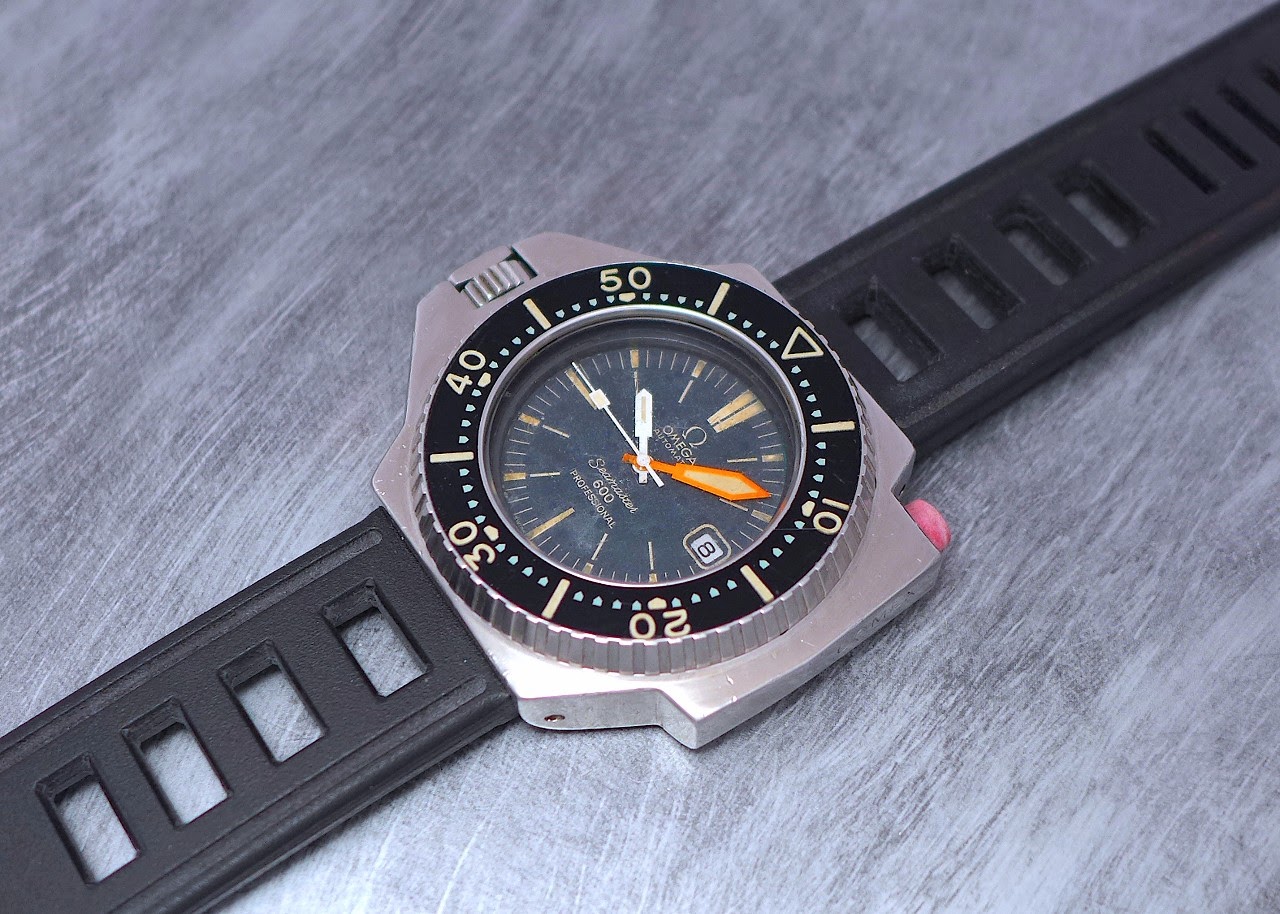
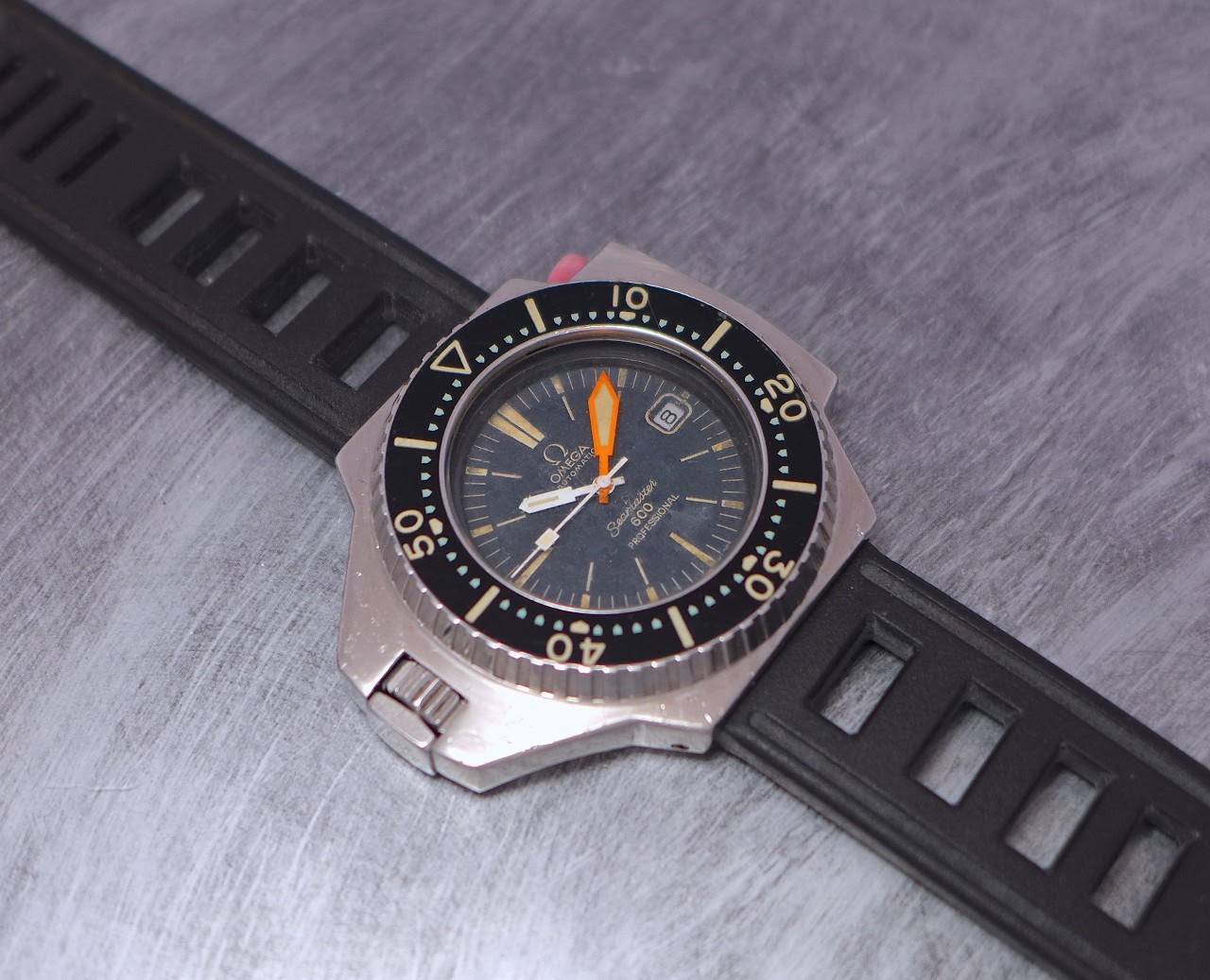
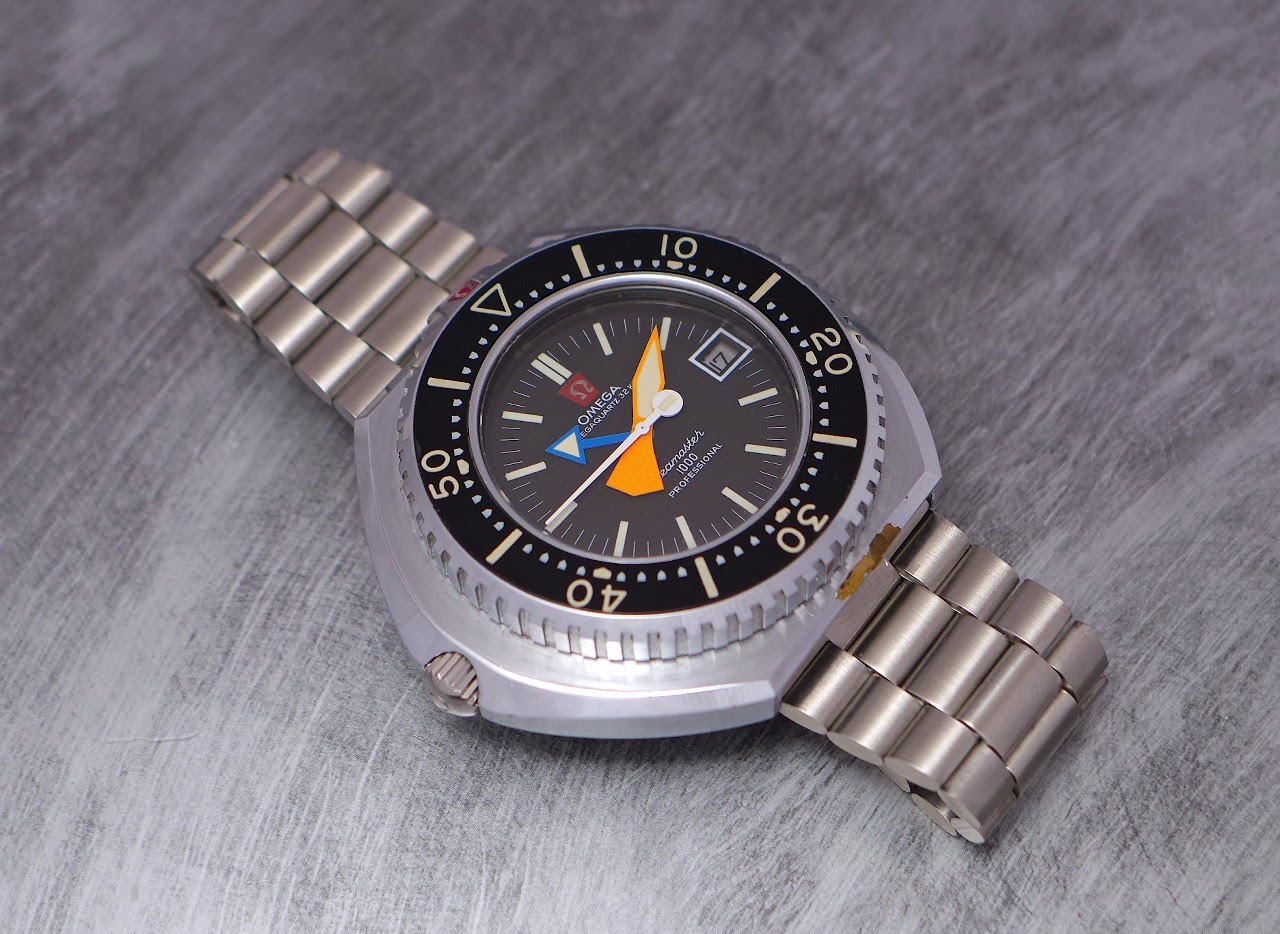
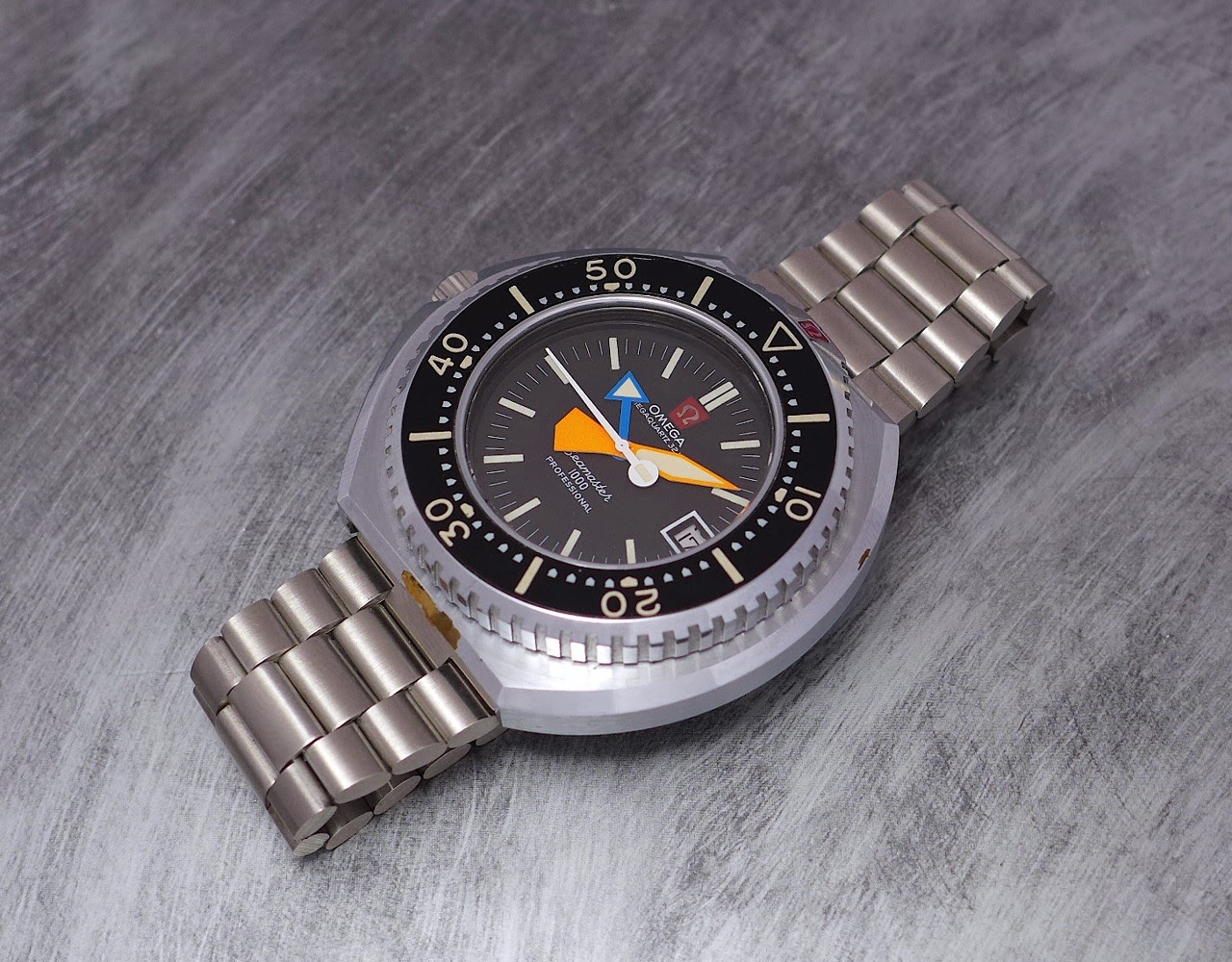
Now come the Pro Prof Seamaster 600 and 1000... 

These 2 are special. An old advertisement explains the story behind the watch:


Have a close look at the right side of the Plo Prof 600... Can you see " Comex " engraved ? 


It was used by the Comex during the Janus Mission by the Comex between 1969 and 1972. 


As for the 1000 meters, it has an incredible look, pushing the aesthetical limits of the Plo Prof 600 farther, if it was possible, ever. I've been told by the Museum that it was made circa 1974.

Its specificity? It is a quartz watch! 


There were several other vintage watches which were worth being taken in pictures, but we were too short of time, as we had our last part of this day dedicated to watches from the current collection. 

Let's start by a Speedmaster, as it is a line of watches which is very dear to Omega, it seems... 


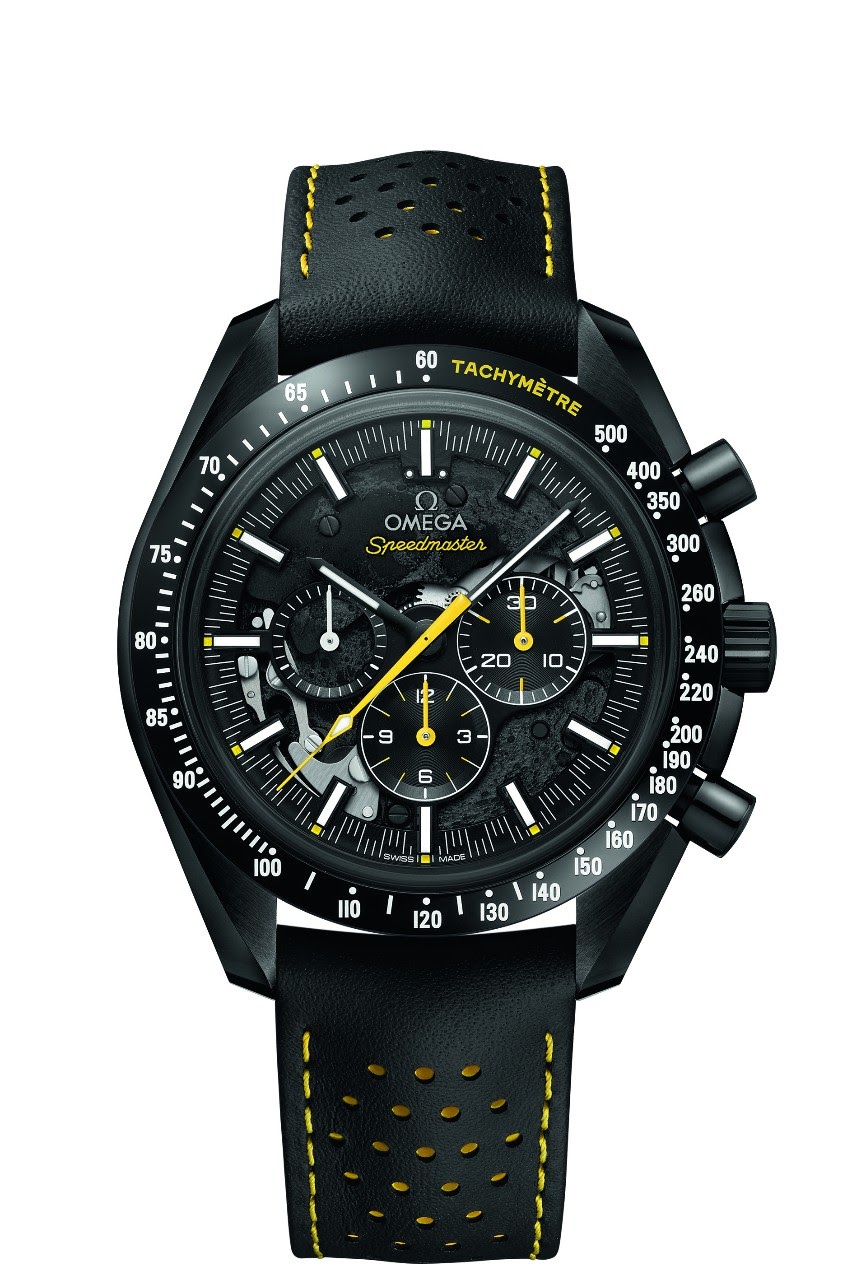
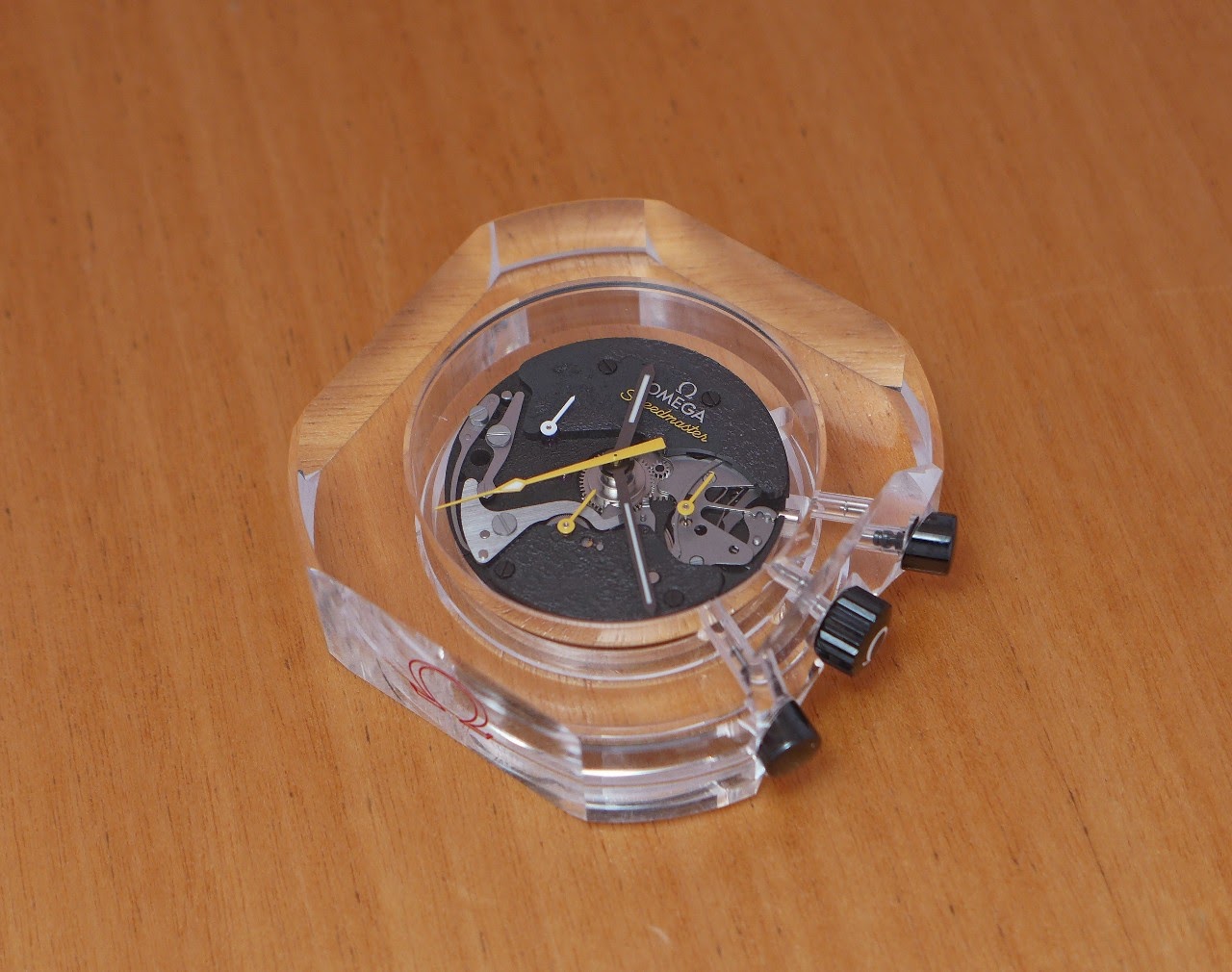
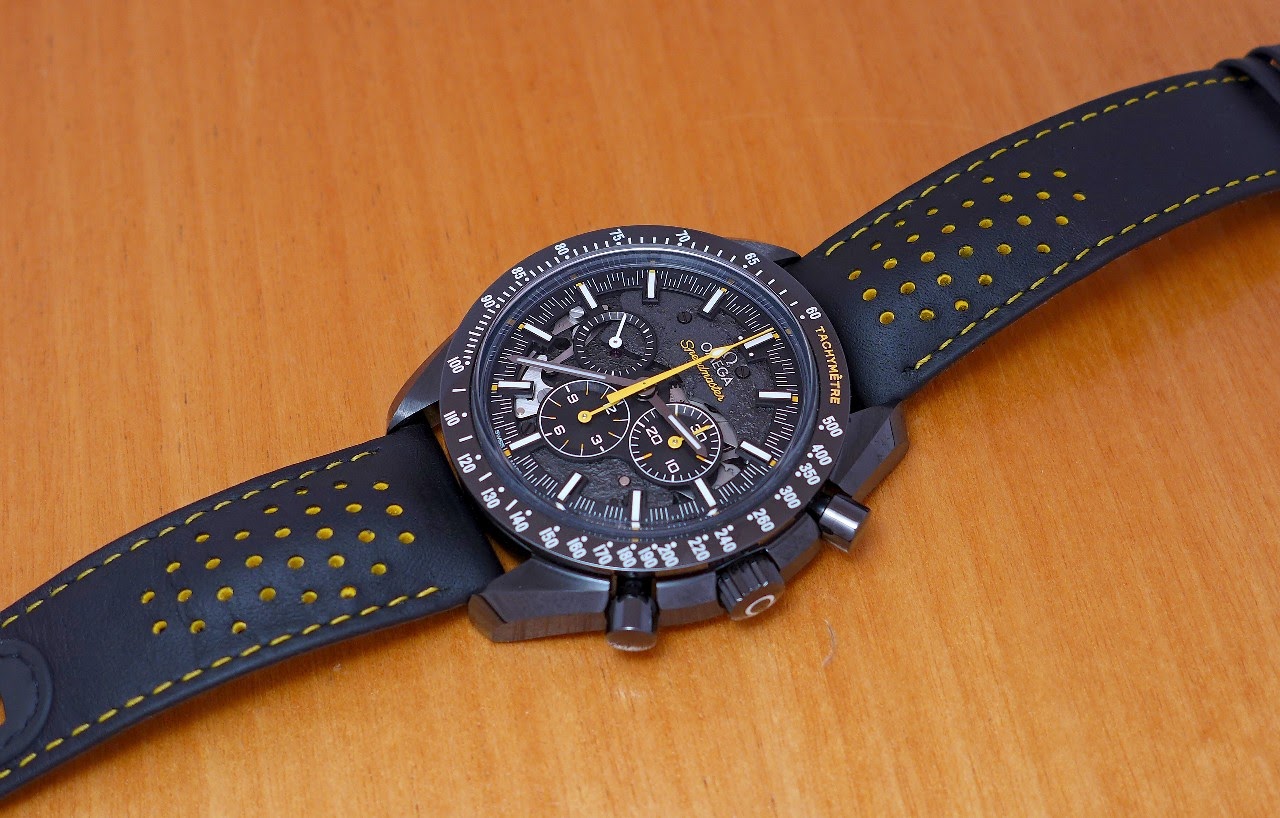
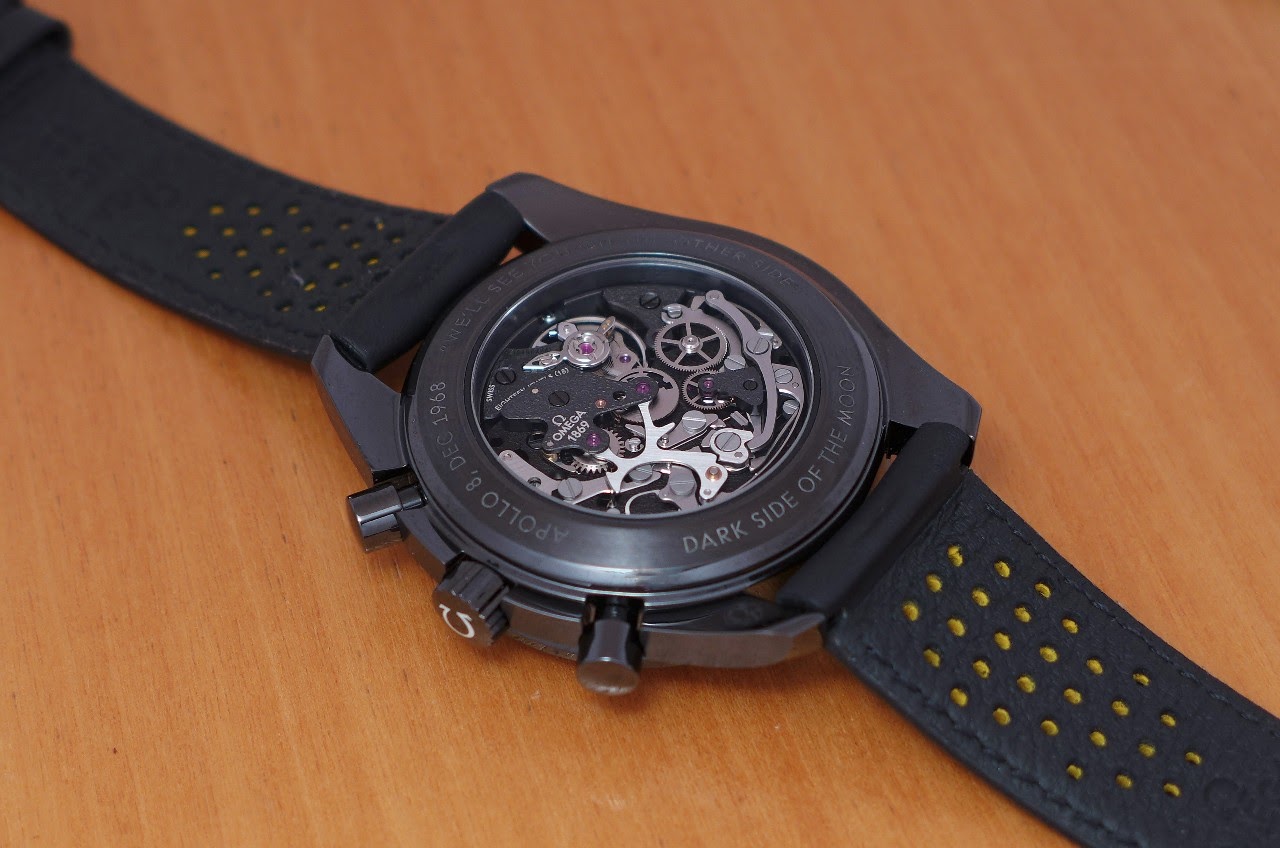
Here is one from this year, the Apollo 8 " Dark Side of the Moon " which comes with a ceramic case and an open dial with some elements of decoration reproducing the surface of the moon.

The official picture:


A view on the dial, out of the case: 


Another particularity is that the tachymeter scale and the top of the crown are filled with Luminova. 


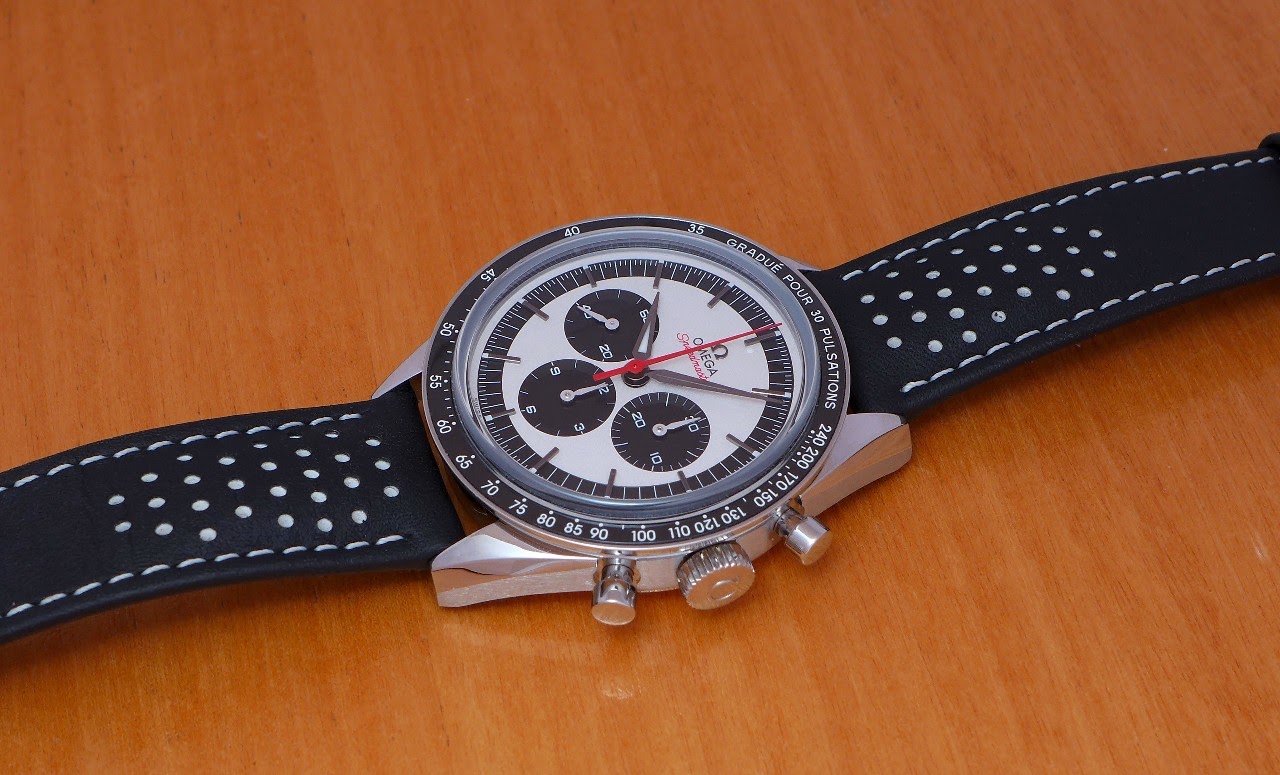
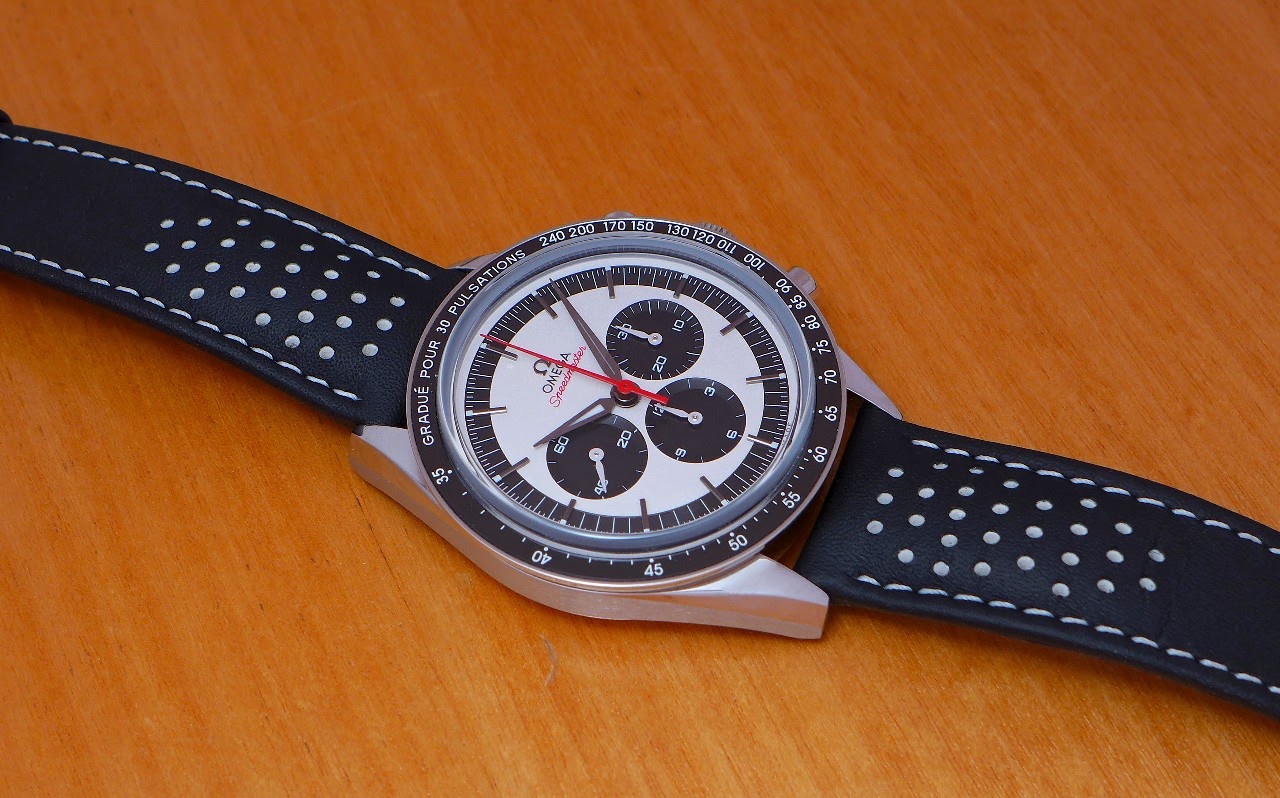
Another Speedmaster I could finally take in picture is the CK 2998 Black and White which was also unveiled this year. A very good looking version, I must say. 


I will come back to it later, with pictures of the Sedna Gold version and the Steel Blue. 

I am not a Speedmaster fan, even if two modern are very appealing to me, and, I would also well see myself adding a vintage one. I must say that I don't get the point to see so many iterations of this model, even if it certainly is iconic, each year. Since the beginning of this year, how many do we have? 4, 5, 6? More? 

Personally, I find that too much... 

BUT... I found my Star of the Year, in the new Omega collection. 

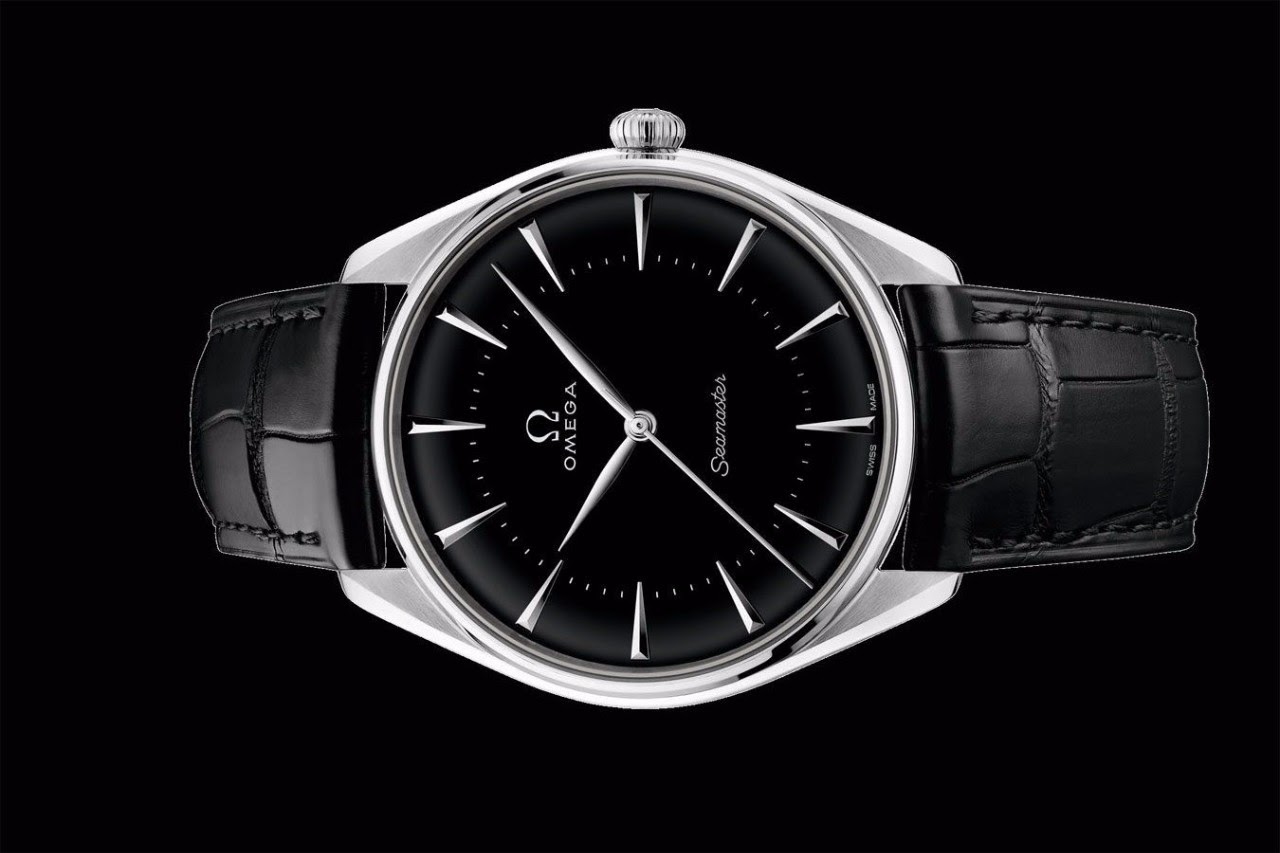
One I still have to see in the flesh, but I already have goose bumps when I saw it in picture, the Seamaster Olympic Collection in platinum with its black enamel dial: 


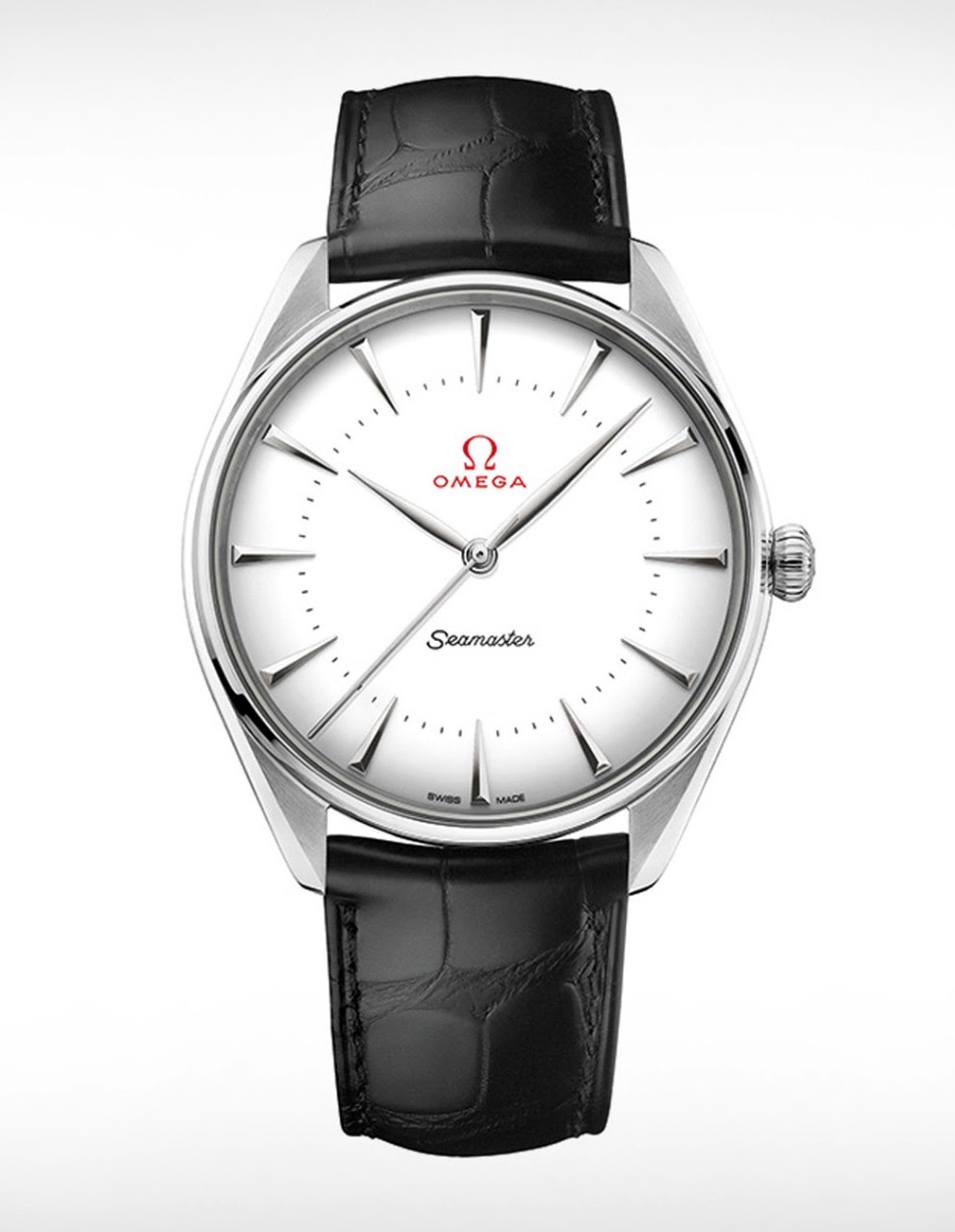
Which also exists in white gold, with a white enamel dial: 


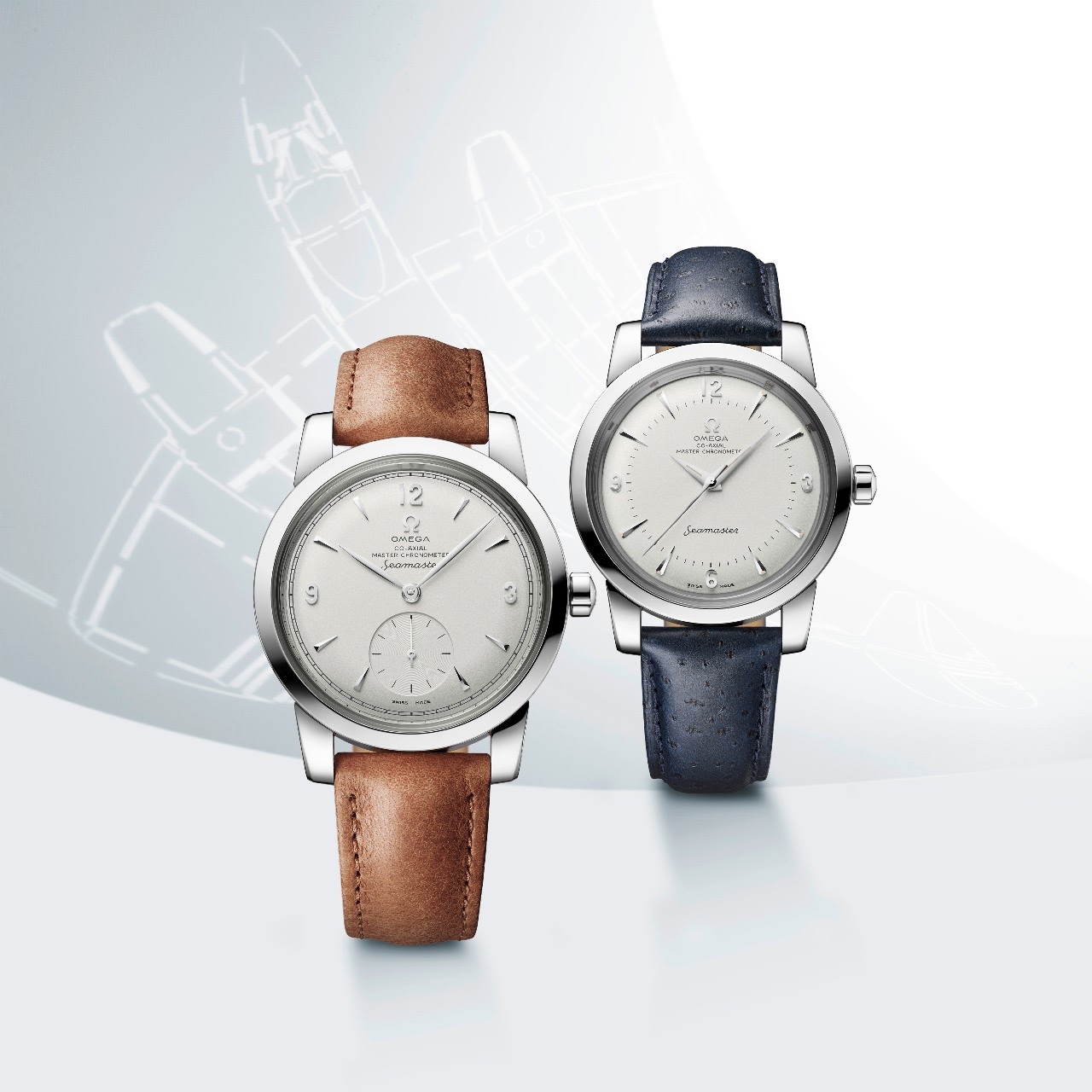
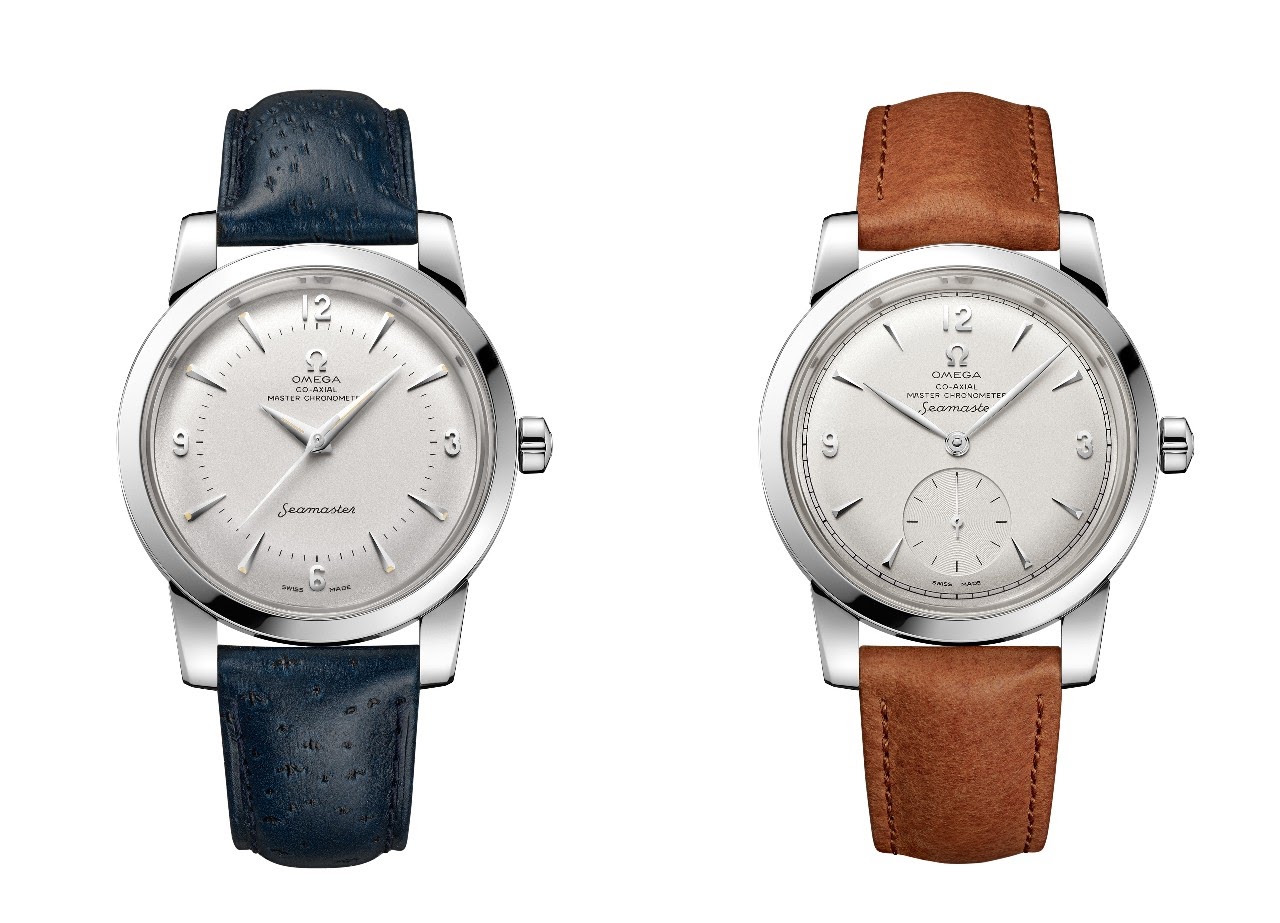
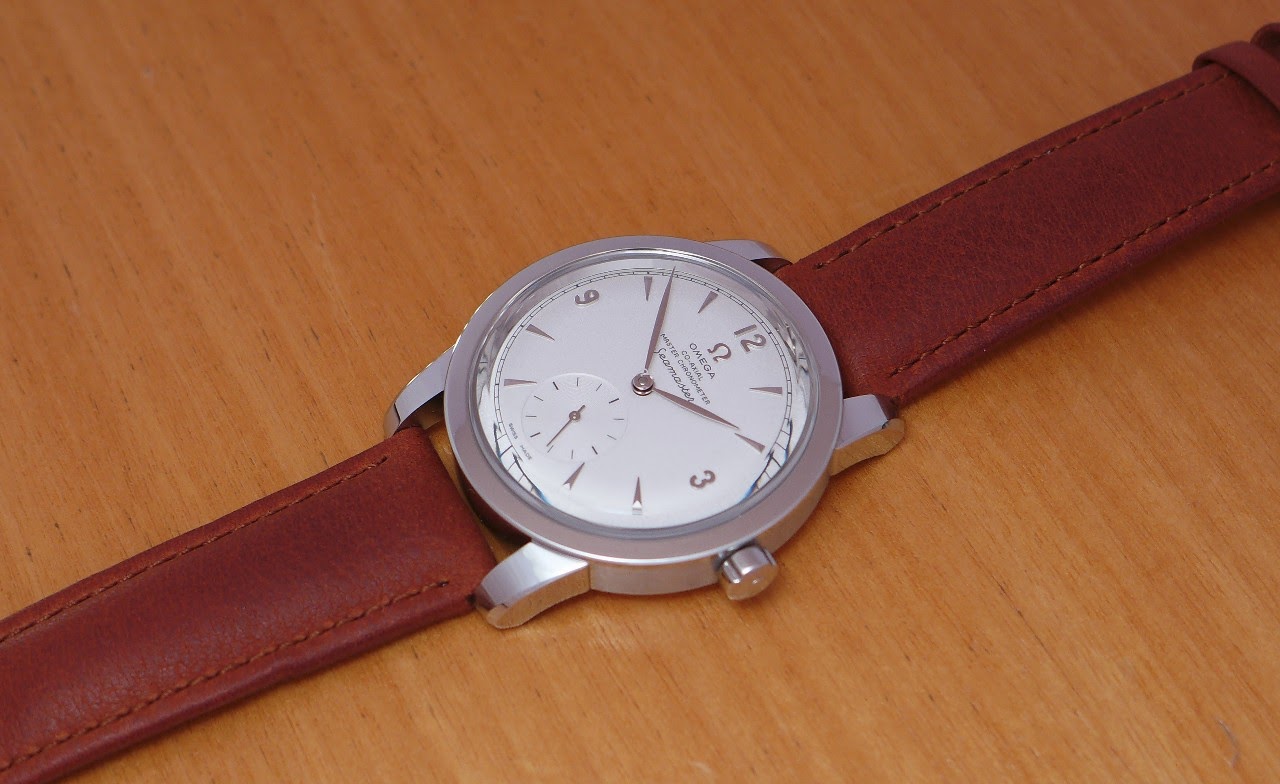
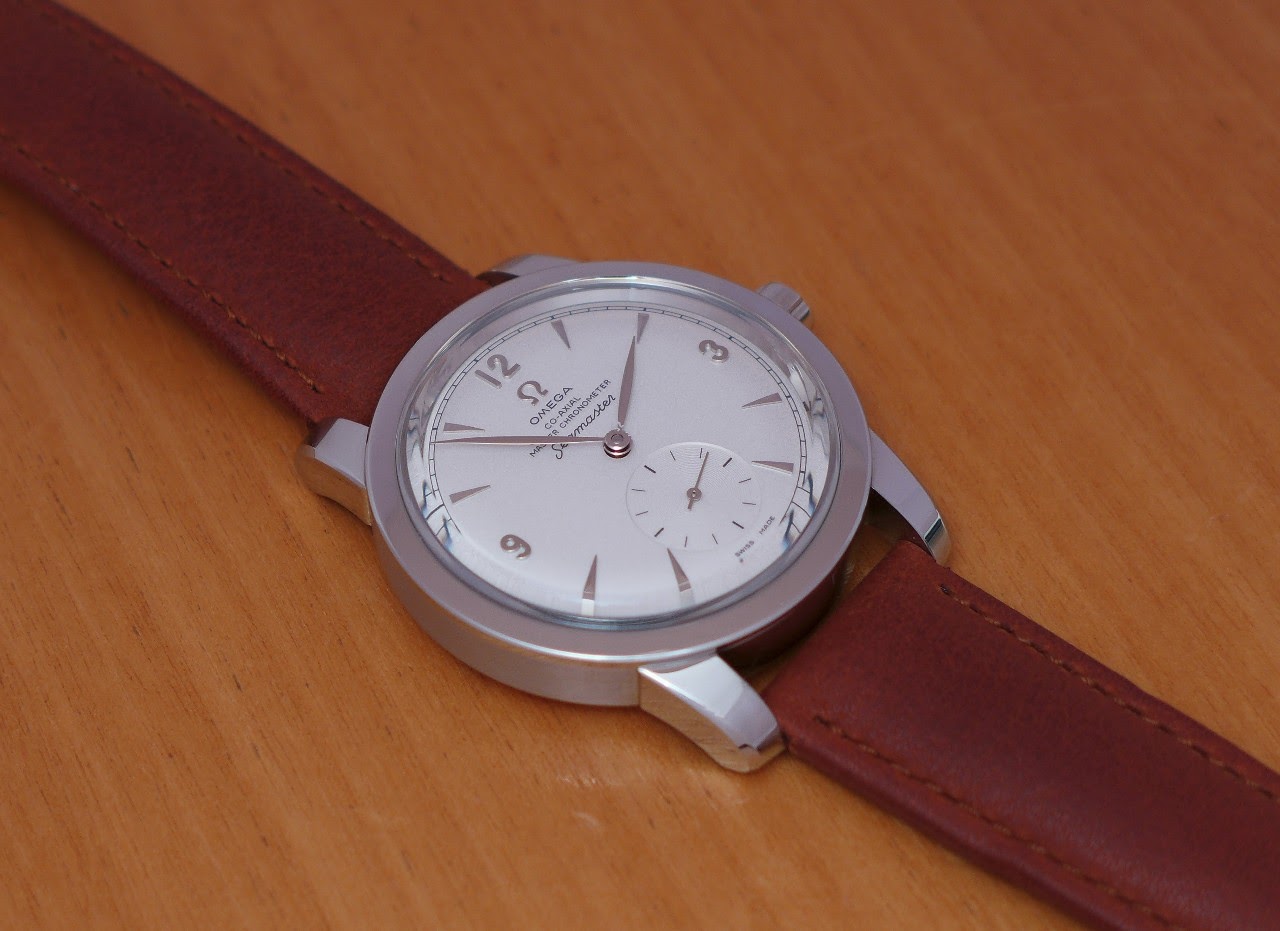
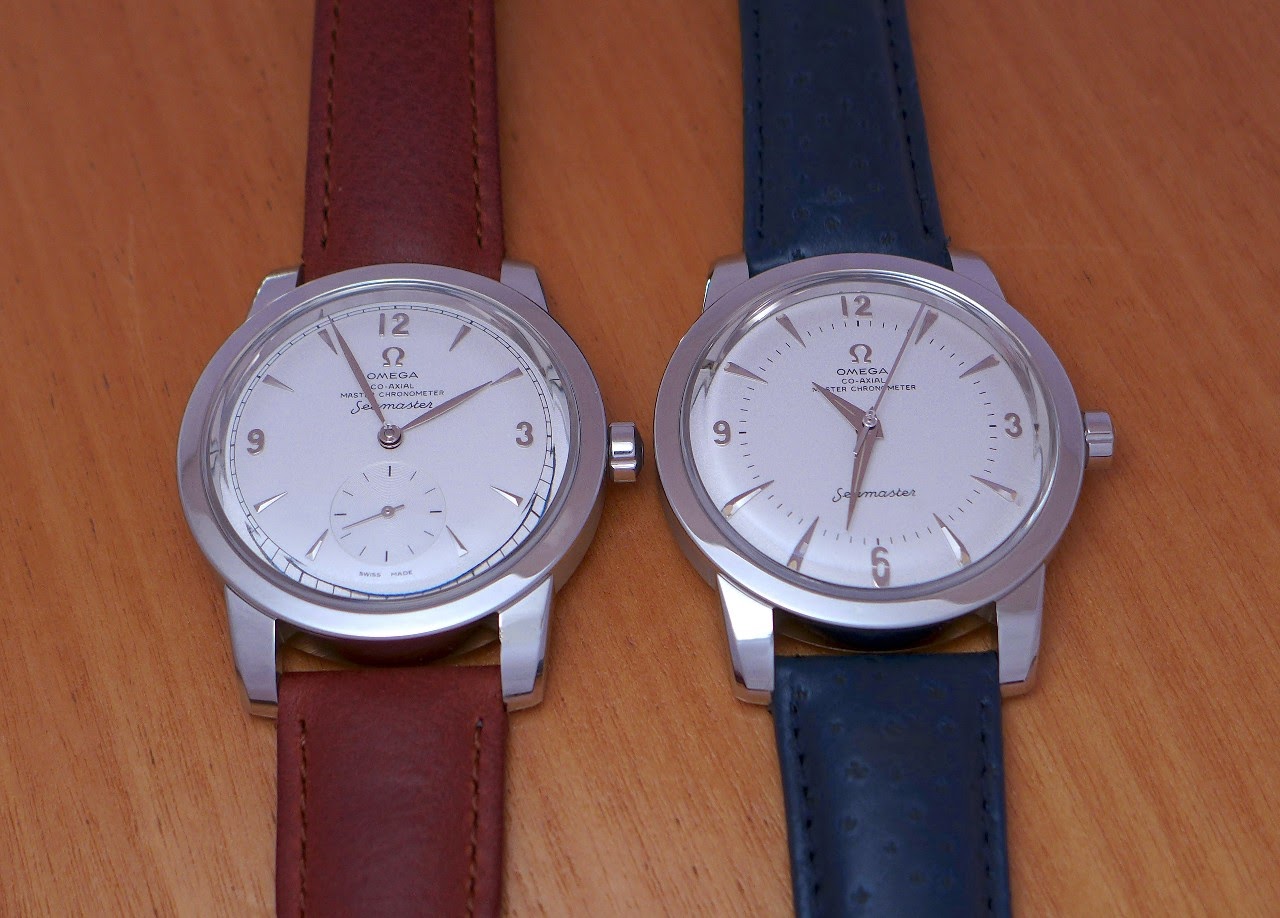
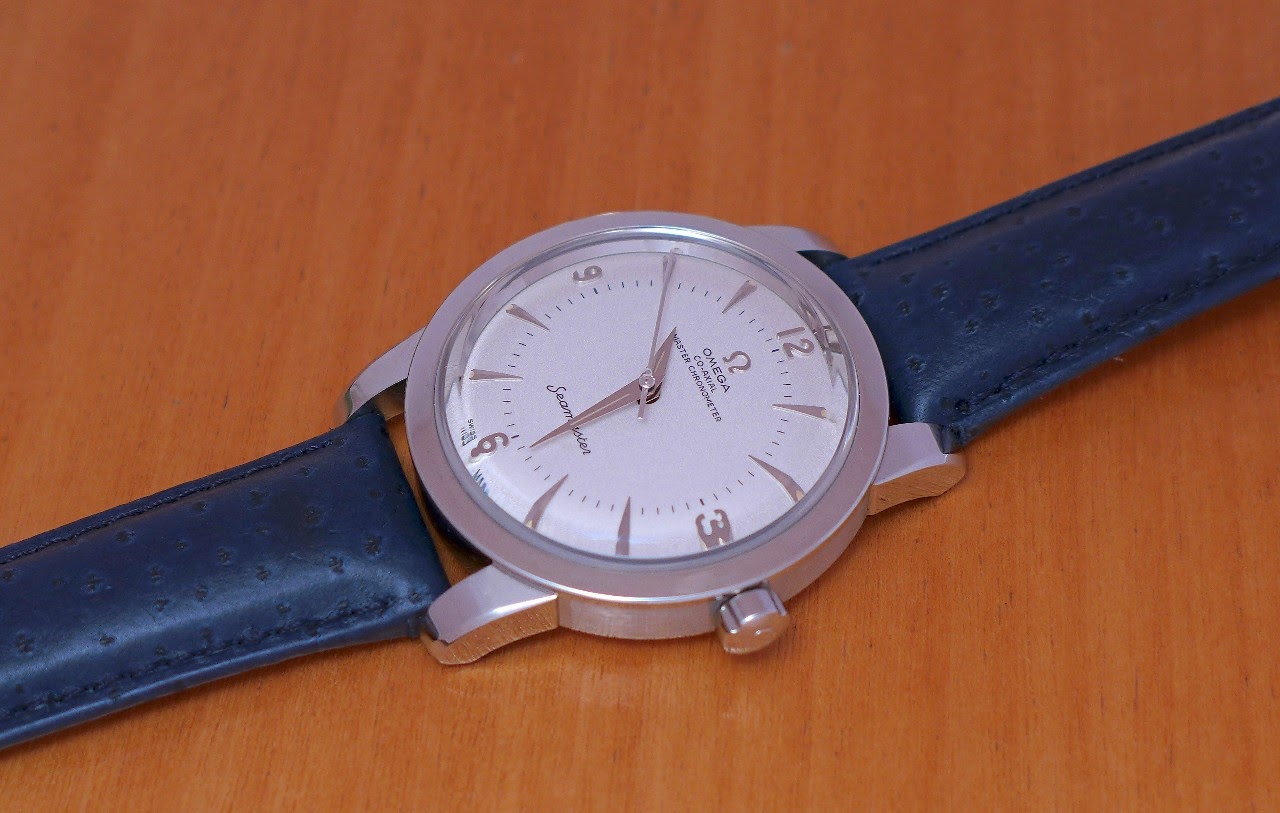
AND the revelation... The Seamaster 1948... I should use the plural, as there are two models: One with the big seconds, the other with the small seconds, to celebrate the 70th anniversary of this reference. 

Side by side pictures, from Omega, first: 


The case has the same diameter for the big and the small seconds, 38 mm, but a tad higher for the small seconds ( 11, 20 mm / 11, 65 mm ).

You will notice some differences in the dial layout ( longer indices  and Dauphine hands  for the big seconds, Leaf shaped  hands for the small seconds version. The minute indices are centered on the big seconds, too. The wording is not located at the same place, either. 


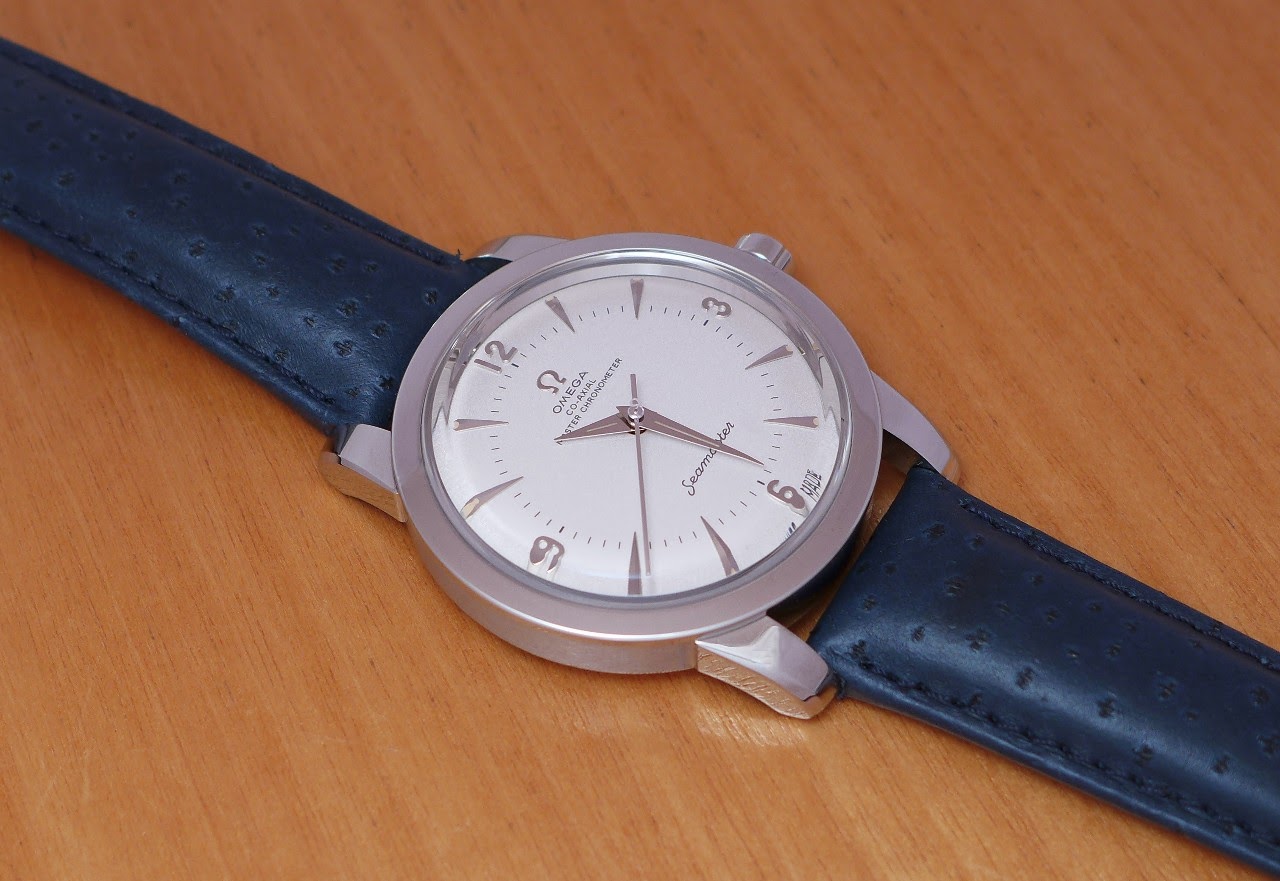
AND... The big seconds version is the only one to get luminous hands and indices ( at the base of the slim applied indices ). 

The Central Seconds: 


The small seconds: 


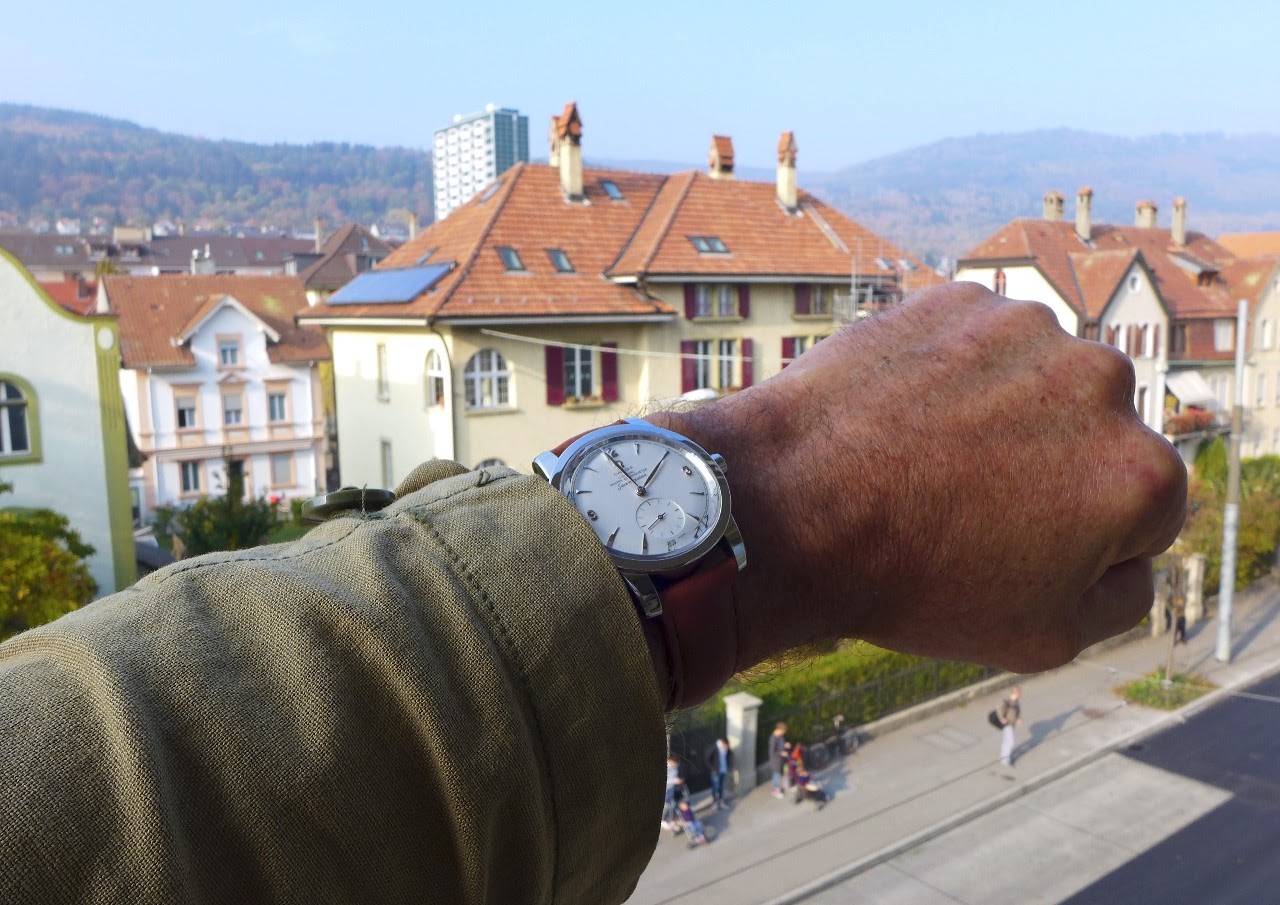
A superb presence on the wrist, with a shot taken from the Balcony of the Manufacture: 


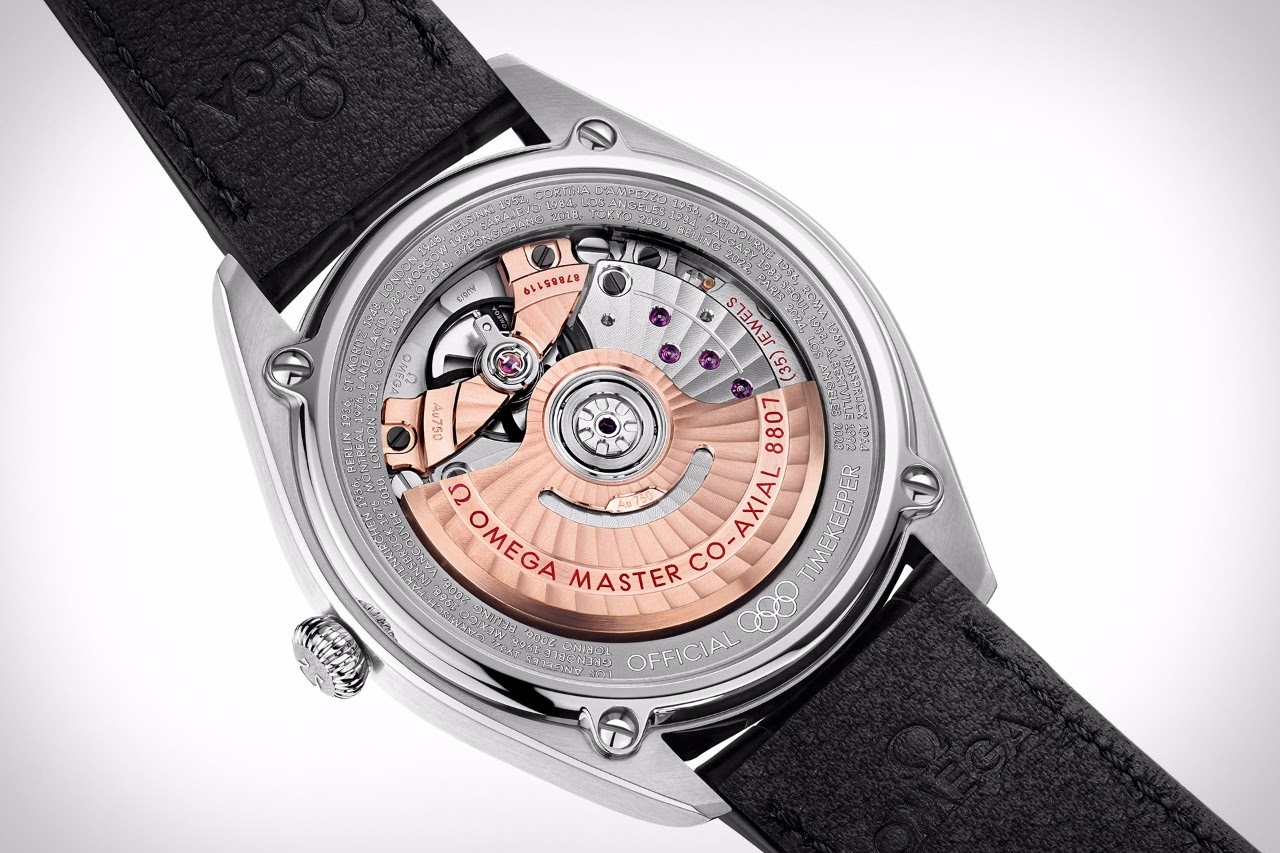
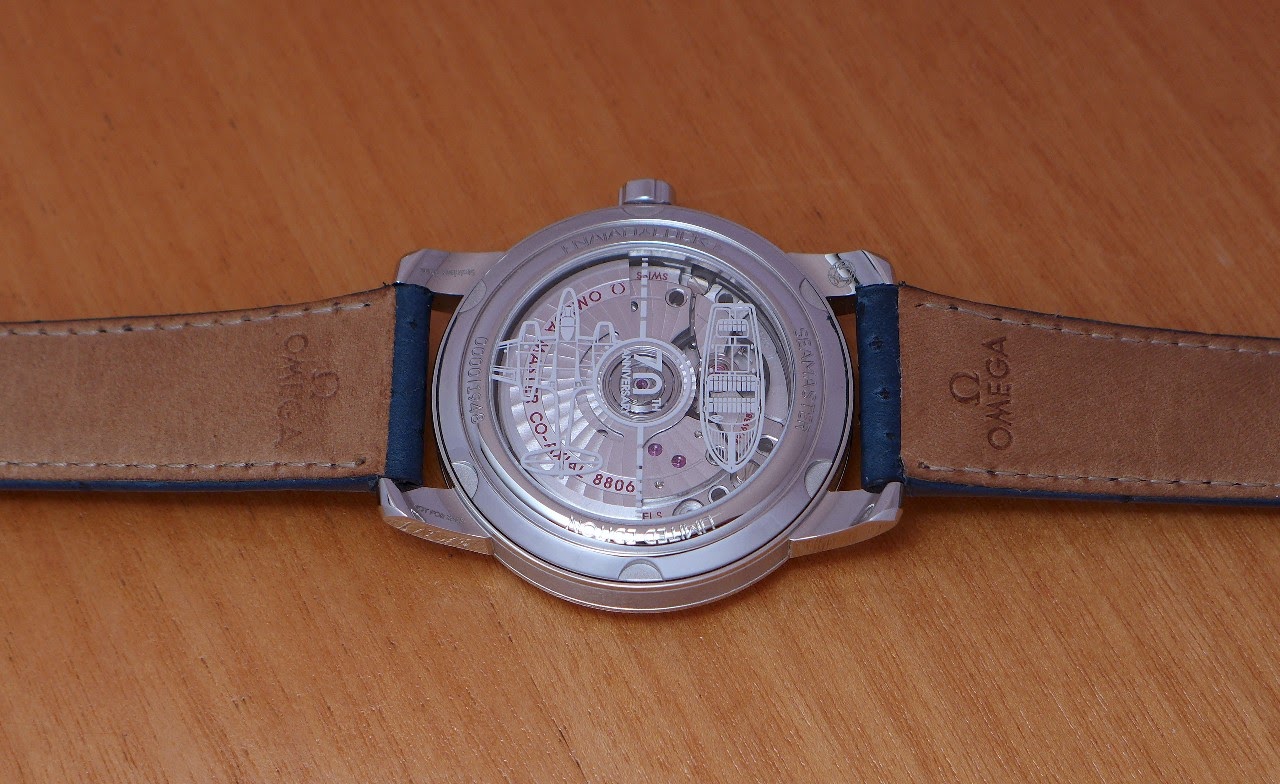
The movements are the Cal 8806 for the big seconds, and the Cal 8804 for the small seconds, with a shorter power reserve for the big seconds ( 55 hours / 60 hours ). 

In both cases, they have a see through case back. 


I fell in love with both of these versions, with a slight preference for the big seconds, but I much prefer the long leaf shaped hands, as I find the Dauphine way too short. This is the only flaw I find on these two models, even if I would have preferred a slimmer case. 

Saying that this trip made me discover Omega is exaggerated, as I know some of their vintage, and a few modern pieces. Still, I could much better measure the importance of this brand, in the vintage and modern collections, and the passionate people behind it. 

I could also learn much more about the co axial movement, which was very interesting. 

I would not end my article without thanking the Omega Team for their warm welcome, their availability, and the great moments we had. 

Looking forward to reading your comments ad thoughts. 

Best,

Nicolas


About the Omega Ref. 2914

The Omega Railmaster reference 2914 is a notable antimagnetic timepiece from the brand's mid-20th century professional collection. Positioned alongside the Seamaster and Speedmaster, the Railmaster was engineered for professionals working in environments with strong magnetic fields, such as scientists, engineers, and technicians. Its design prioritizes legibility and robust performance, reflecting a utilitarian approach to watchmaking that characterized many tool watches of its era. This reference is recognized for its clean aesthetic and technical specifications tailored for specific occupational demands.

This particular reference features a stainless steel case, designed to house a movement protected by an inner soft iron cage, a common method for achieving antimagnetic properties. The movement is a manual-winding caliber, known for its reliability and precision. The crystal protecting the dial is typically made of Hesalite, a durable acrylic material. The case dimensions are characteristic of professional watches from this period, offering a balanced presence on the wrist while ensuring comfort and practicality.

For collectors, the reference 2914 holds significance as an early example of Omega's commitment to specialized tool watches. It appeals to those interested in the historical development of antimagnetic technology in wristwatches and the evolution of professional timekeeping instruments. Variants of this reference may exist with subtle differences in dial markings or caseback engravings, which are points of interest for detailed study and authentication within the collecting community.

Specifications

Caliber
386
Case
Stainless steel
Diameter
38 mm
Dial
Black
Water Resist.
60m
Crystal
Hesalite

Key Points from the Discussion

Advertisement
The Discussion
RE
reintitan
Nov 1, 2018

Like you I love that white-dialed Railmaster. In essence it a Railmaster version of the military-issue Thin and Fat Arrow Omega which was made for the RAF for only one year: 1953. The Thin/Fat Arrow and this white Railmaster even share the same movement, case, hands, and reference number, CK2777. The new dress Seamaster models also look great, the small seconds version is my favorite. I thought Omega fixed the length of the seconds hand for the central seconds version. Notice how it is too long

RE
reintitan
Nov 1, 2018

What's awesome about these dress Seamasters is that they are also resistant to magnetism up to >15,000 Gauss just like the sports models. Thanks for the clarification on the seconds hand as well. That long one looks too unbalanced.

AM
amanico
Nov 1, 2018

I am very tempted by one of these two Seamaster, I must say. Which one, I still don't know, but I will probably go for one. Best, my friend. Nicolas

RE
reintitan
Nov 1, 2018

I also got an email from Omega CH saying they would be available this December.

M4
M4
Nov 1, 2018

Lots to digest in there. I'll definitely be spending some time studying the report and various pieces. I've never owned an Omega . . . and that needs to change Thanks a lot. M4

MY
mynewemailaccount
Nov 1, 2018

Thanks yet again for another terrific report. I enjoyed Part 1 and this is just as good. Congratulations on the superb photographs as well. Kind regards, Bob S

Advertisement

Continue the conversation

This thread is active on the Omega forum with 51 replies. Share your knowledge with fellow collectors.

Join the Discussion →