Vintage
DrStrong presents a comprehensive review of the Omega Seamaster 300 reference 165.024, a significant vintage diver launched in 1964. He meticulously details its reference coding, case dimensions, and manufacturing origins, offering valuable insights into this iconic timepiece. This article serves as an excellent resource for collectors and enthusiasts interested in the historical context and specific features of the 'no date' Seamaster 300.


The Seamaster 300 ”no date” reference 165.024 was launched in 1964 (some caseback are even dated 1963) and replaced its predecessor reference 165.014, the last of the straight lugs Seamaster.
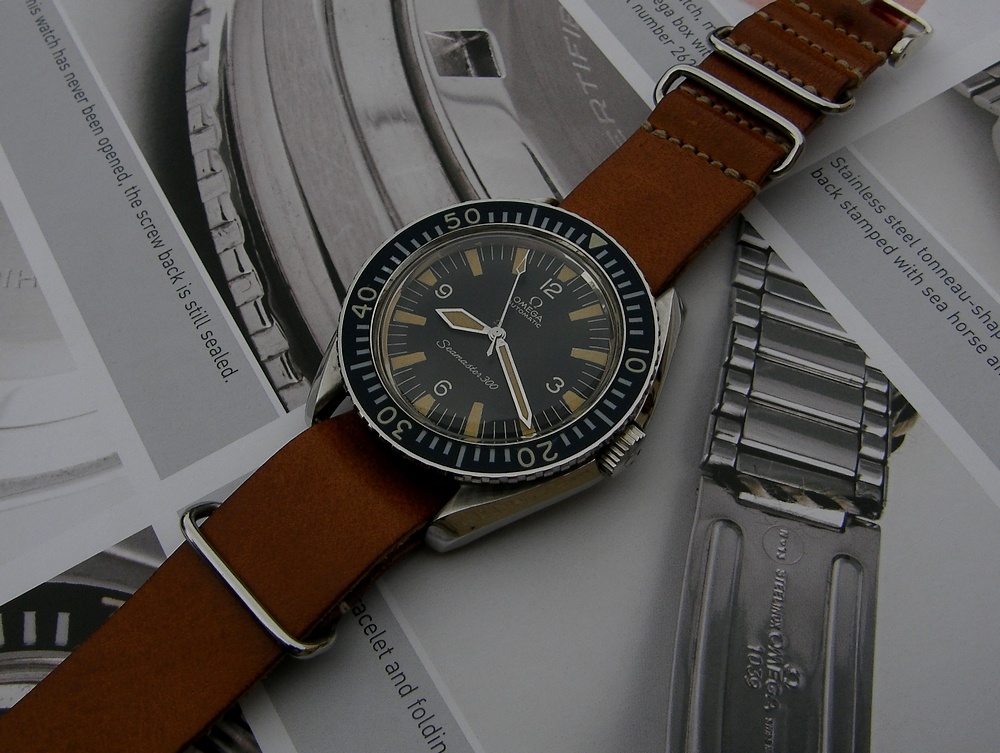
Concerning the meaning of the reference, 024 is the code for this particular model and 165 means that it is a self winding men’s waterproof watch:
1=Men’s watch
6=self winding with central sweep second hand
5=waterproof
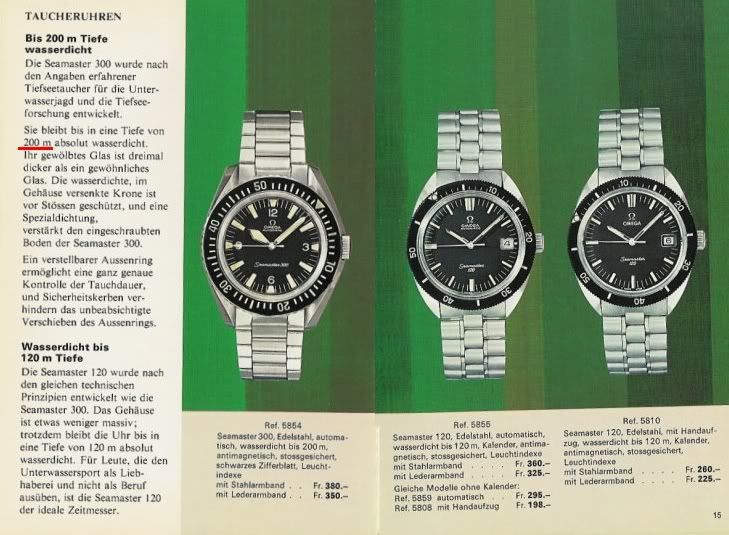
The large 41mm case with “lyre” lugs has the same shape as the “new” Speedmaster reference 105.012 that was launched the same year. As shown in this old brochure, the Seamaster 300 is waterproof to 200 meters like the Rolex Submariner.
The case of the watch was produced by two different manufactures and the inside caseback is either stamped “HF” (Huguenin Frères) or “CB” (Central Boîtes) depending on the production year.
Here’s the inside and outside caseback of my watch with the model reference and “HF” stamp:


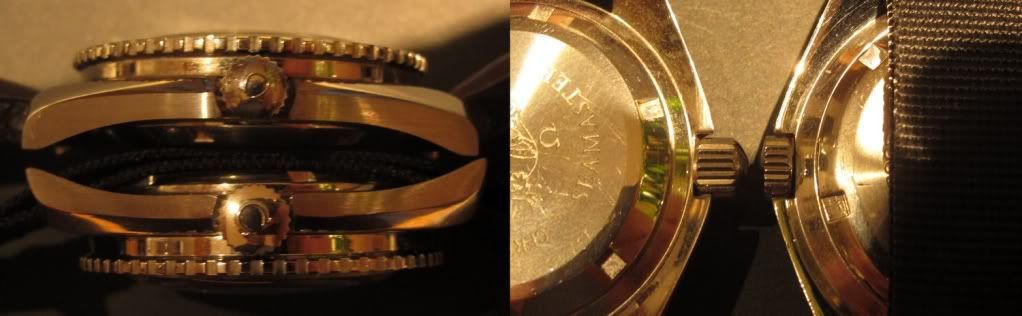
The screw down appeared on the watch in late 1967 to replace the “naiad” crown. This picture compares the shape and thickness of the two types of crowns:
My watch was produced in 1966 and has its original Naiad crown. I really like that feature of the watch, because - unlike the screw down crown - the Naiad crown is very well integrated in the shape of the case:


The movement used in the watch is the famous cal. 552, a workhorse produced by Omega from 1958 to 1969 and used in various other models: Constellation, Railmaster, Genève, etc…It has 24 jewels, a power reserve of 50 hours and beats at 19800 /s. This movement is well known for its reliability.

The first dial variation of the Seamaster 300 reference 165.024 bears the number “12”; after 1967, it was replaced by a large tritium triangle (this is the “Big triangle” version). The hands had a baton shape during the first years, and were replaced by sword hands. My watch has the first – most common – dial and sword hands:

The Seamaster 300 has at least 4 bezel variations, I will not go into details as this is a complicated point. My watch has the bezel type where the long 5 minutes markers don’t have any tritium on it:

Here’s the Extract from the Records provided by Omega concerning my watch. It was delivered in 1966 to French Somalia, that became Djibouti some years later.

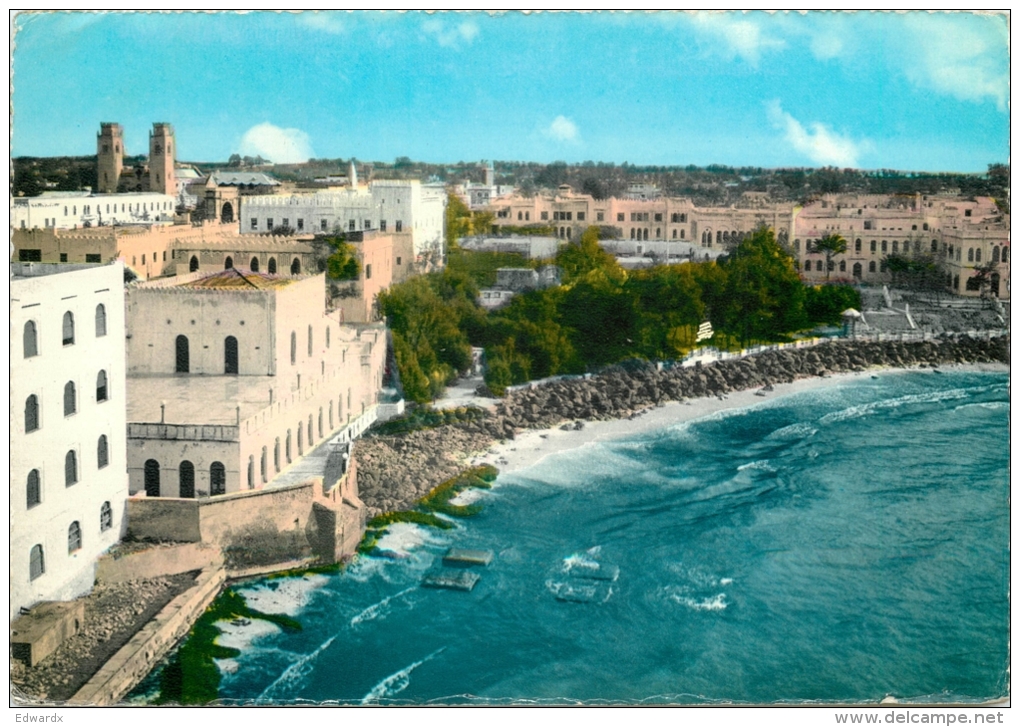
It is a very interesting piece of informations, because this helps me imagine what the watch was used for. If the watch could speak, I guess it would have some stories to tell…here is an illustration of what French Somalia looked like in 1966, when it was visited by General de Gaulle:

I don’t have the bracelet for my watch, but I have found that that the bracelets used on the Seamaster 300 were the following :
1506/516 from 1964 to 1966
1035/506 from 1966 to 1972
1039/516 from 1968 to 1971
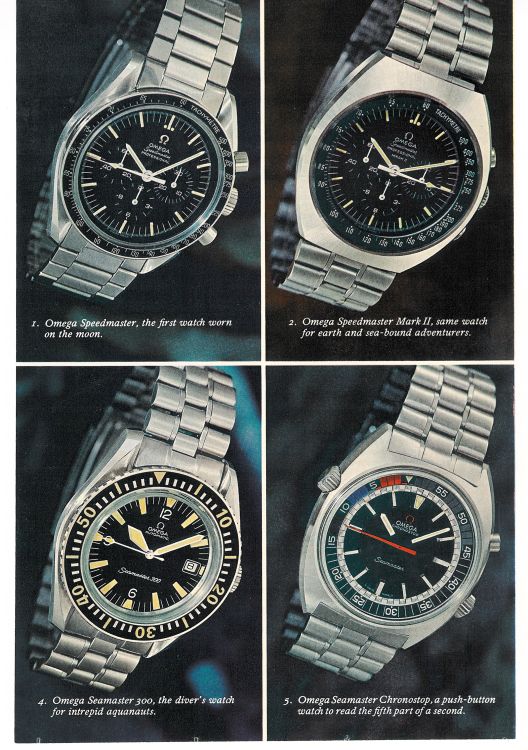
To conclude, here’s a 1970 UK ad that features the Seamaster 300 a watch “for the intrepid Aquanauts”…
The Omega Nautilus reference CK2998 is a specific model within the Omega lineup. This reference is identified by its unique alphanumeric designation.
No verifiable details regarding the case, materials, crystal, or movement are provided in the input facts or the collector's post.
This reference appeals to collectors interested in specific Omega models identified by their reference numbers. Its position within the broader Omega collection is defined by its individual reference.
Dr., I'm not a vintage guy but I have this watch on my short list. It will make a nice pair with my forthcoming Seamaster 300 Master. Hard to find in good shape (those SM were realy used!). Congratulations! About the bracelet, they are not hard to find. Cheers, Nilo
Hi I am a big fan of the SM300, and yours is a very nice example. May I add that, as it is clearly visible in your last picture, toward the end of production Omega also used for the SM300 the 1116 bracelet with 575 endlinks. Best wishes Franco
you have some stunning examples. All the best, my friend. Nicolas
Yes my friend, I have quite a few of them in all shapes and references - let me put together the pics and the description and will post them in a separate later today. I do not want to dilute the response to the original poster's beautiful example. Ciao Franco
This thread is active on the Omega forum with 41 replies. Share your knowledge with fellow collectors.
Join the Discussion →