Manufacture
SteveG's detailed account of transforming a vintage Peseux 260 movement into a custom wristwatch by RGM Company offers a fascinating look into bespoke watchmaking. This journey highlights the intricate process of creating a unique timepiece, from movement adaptation to case and dial design. It underscores the dedication required to bring a horological vision to life.


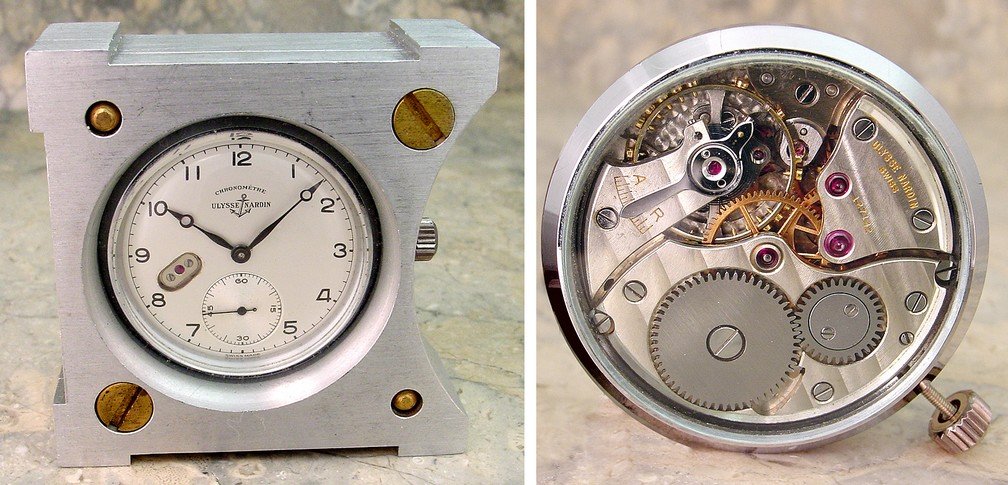
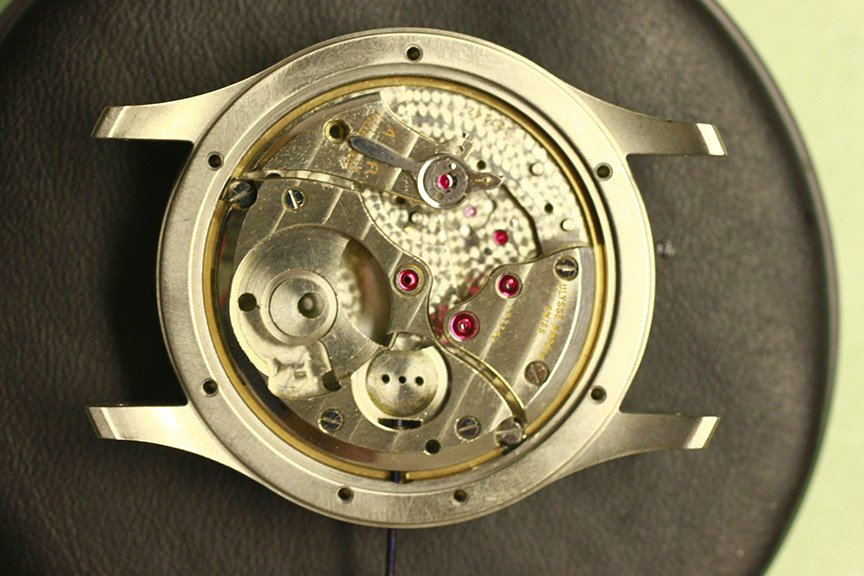
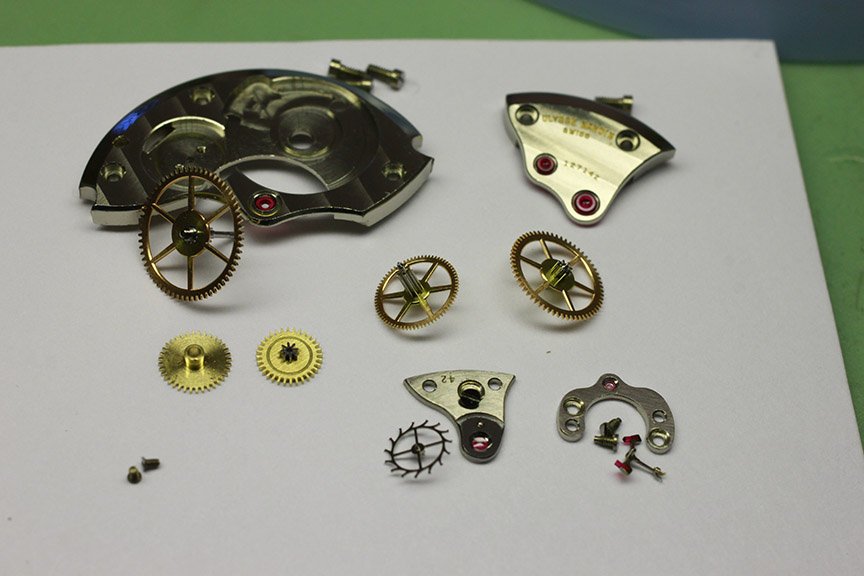
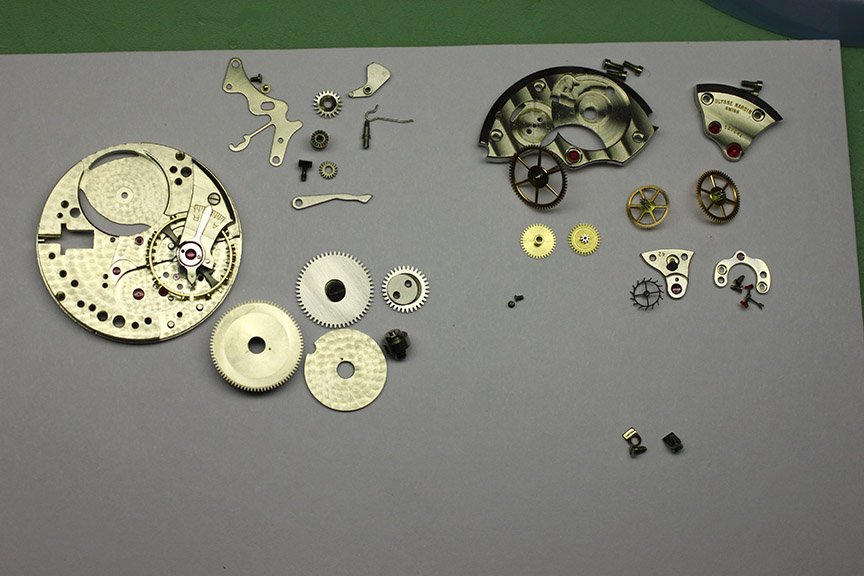
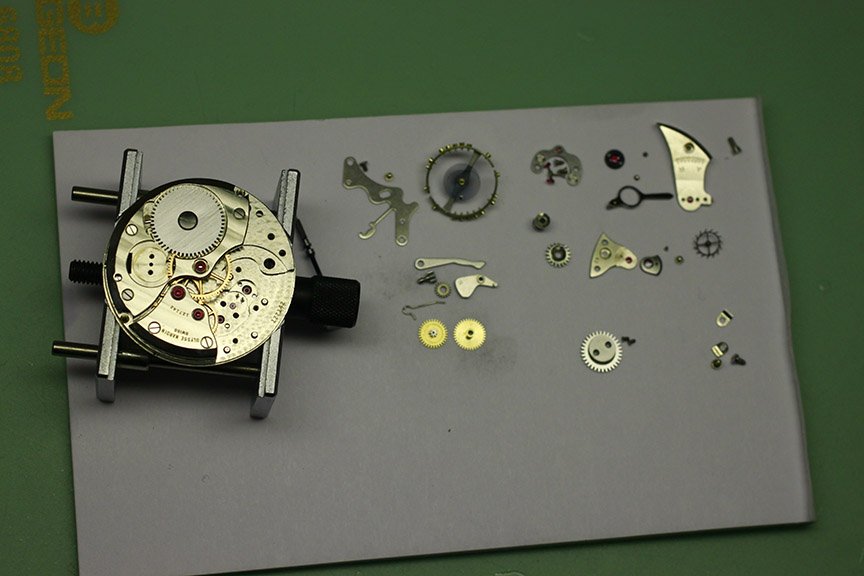
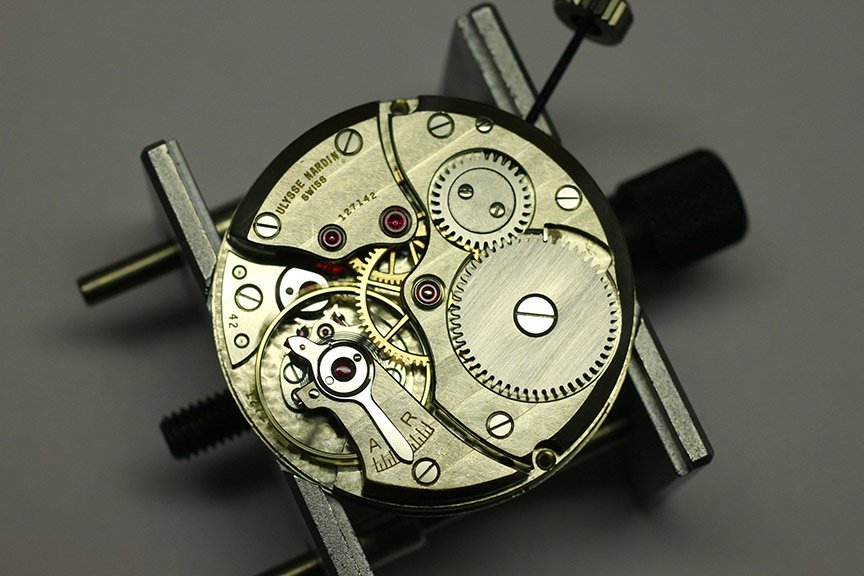
For several years I have had this Peseux 260, finished and assembled by Ulysse Nardin, and still in its aluminum
testing case. It is a beautiful movement, with all the best contemporaneous features for accurate and consistent
running: Guillaume balance, blued overcoil hairspring, and a fine adjustor. The finish is both technically and
aesthetically excellent, a watch to be displayed and enjoyed.  Alas, while I could check it out on my desk, and
study it under a loupe, I really wanted my treasure to be made into a wristwatch:


Eventually, I found a watchmaker who agreed to make my dream a reality, RGM Company of
horologically-saturated Lancaster County, Pennsylvania.
This was to be not an easy road, and considerable time passed, but in the end I was returned a unique
and beautiful, and very wearable wristwatch. Roland Murphy, Richard Baugh, one of the RGM watchmakers,
Benoit, and their company truly extended themselves to prove their competance,
and their confidence.
Their recommendation was to use a case from their 151 Pilots' line, a straightforward modern design with
curved lugs, 38mm diameter. This would be large enough to adapt to the 30mm Peseux movement, and Roland
felt that a titanium case would provide the best protection for the rather delicate, non-shockproofed movement.
RGM would need to fabricate a custom movement ring, and a display back specific to the application. Also, the
watch would require a new stem, sized to the case. Since the original testing case was much smaller, the dial and
hands would also be new; here was the opportunity to design a very special look. Much to my delight, RGM has even
provided documentation of the process, pictures we all can enjoy.
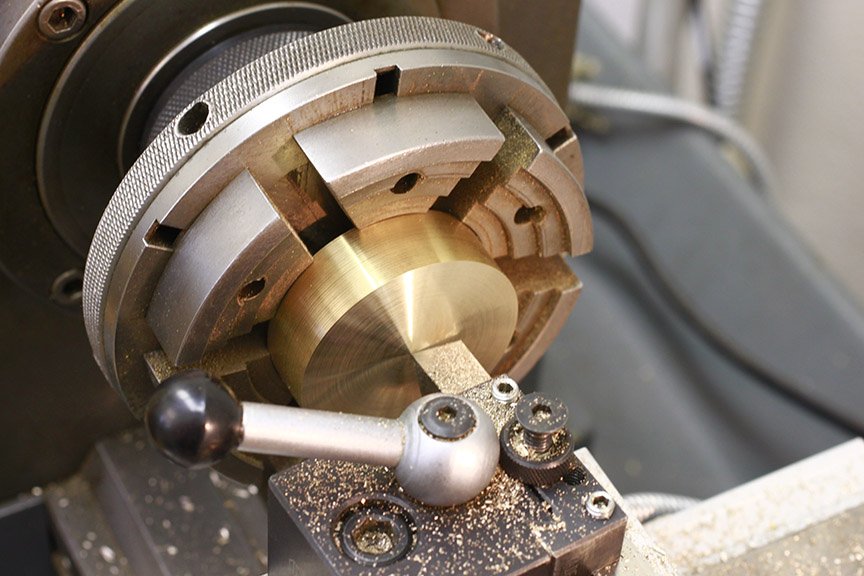
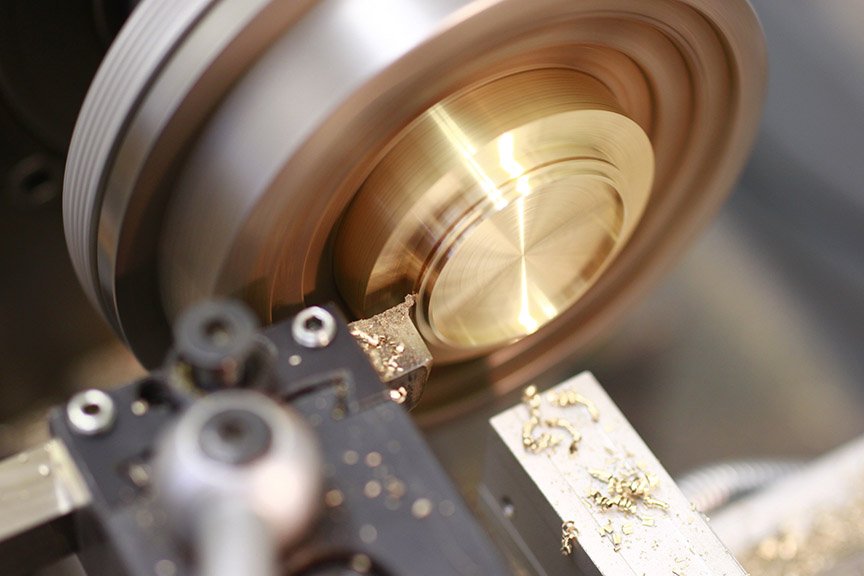
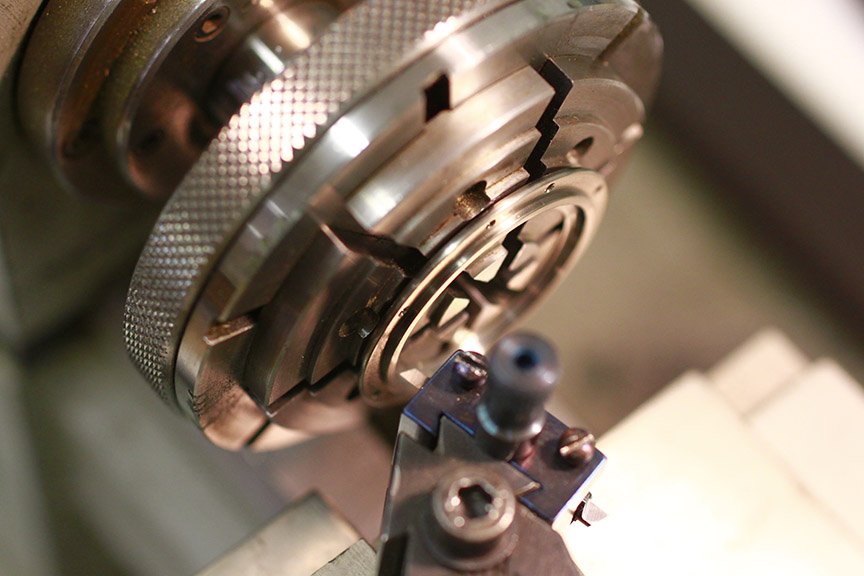
Preparing to mill the movement spacer ring from brass:
Almost finished:


 Ring in place.  Note the notch at top for the stem:
 Movement, ring, case:


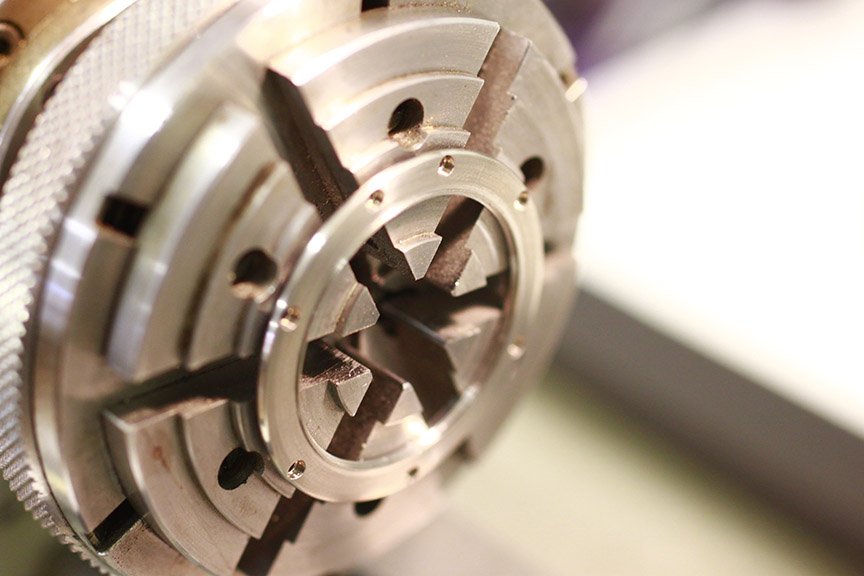
 Turning the back bezel from titanium:


 Finished piece:
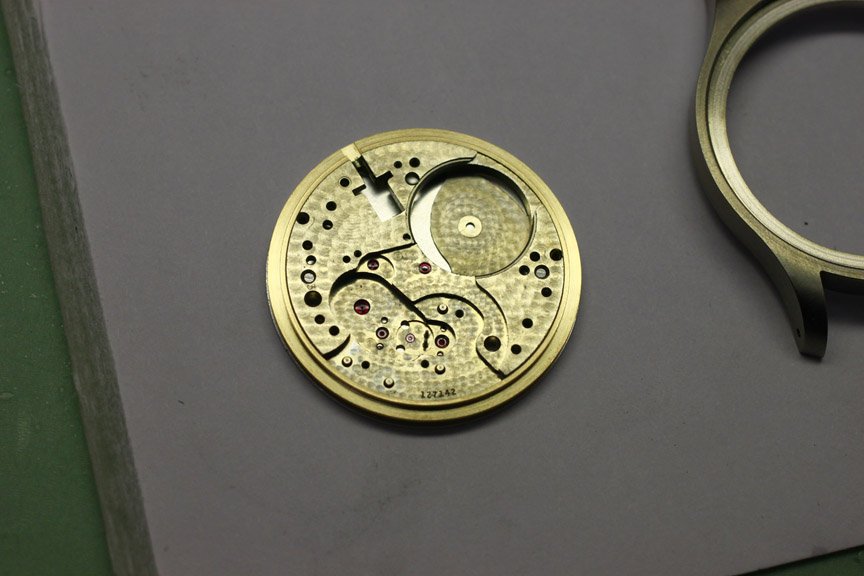
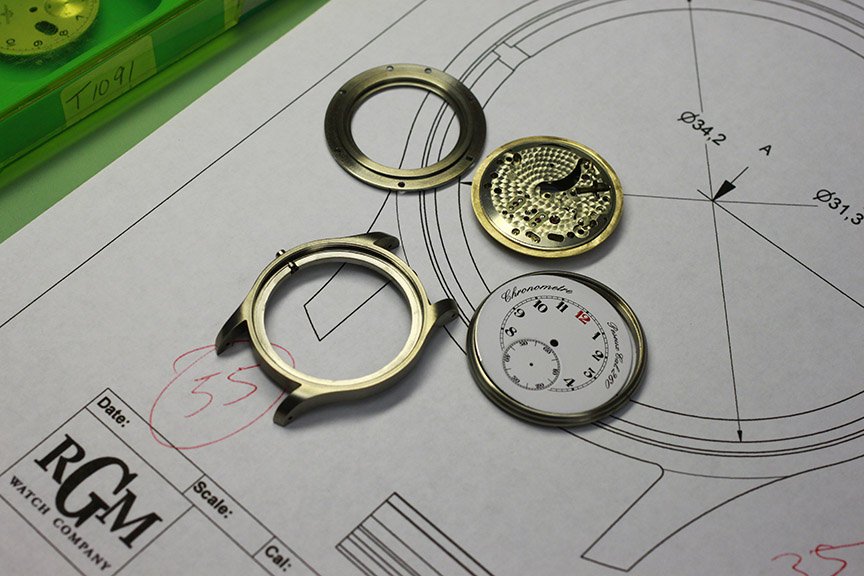
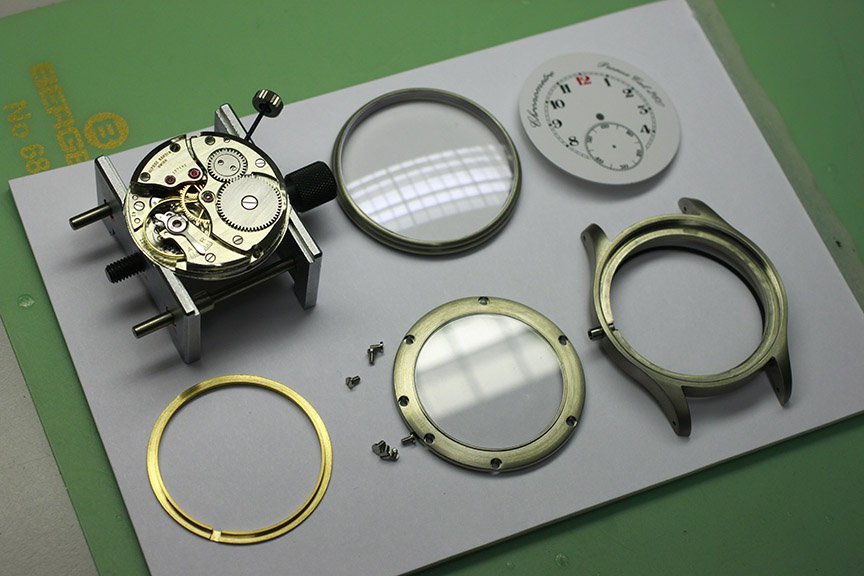
The major parts:  case, dial and bezel, movement and spacer, back bezel:


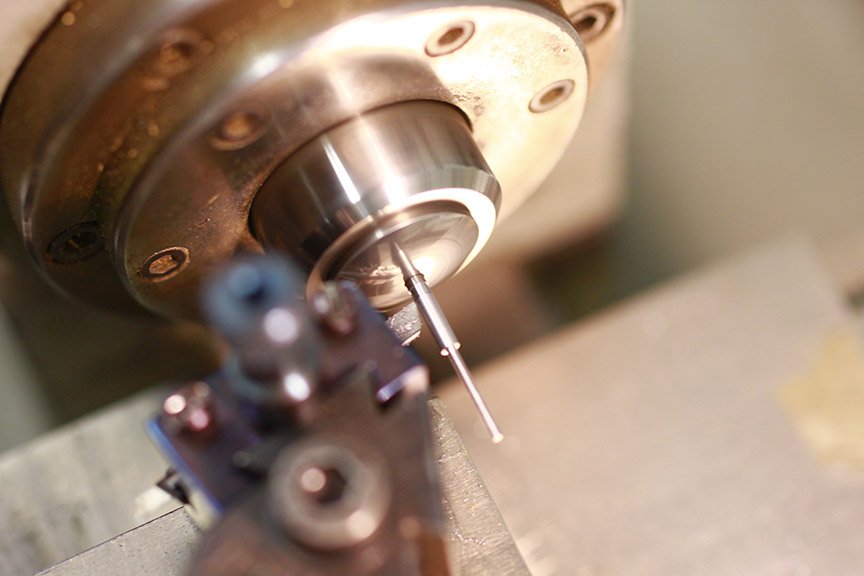
 Fabricating a new stem:


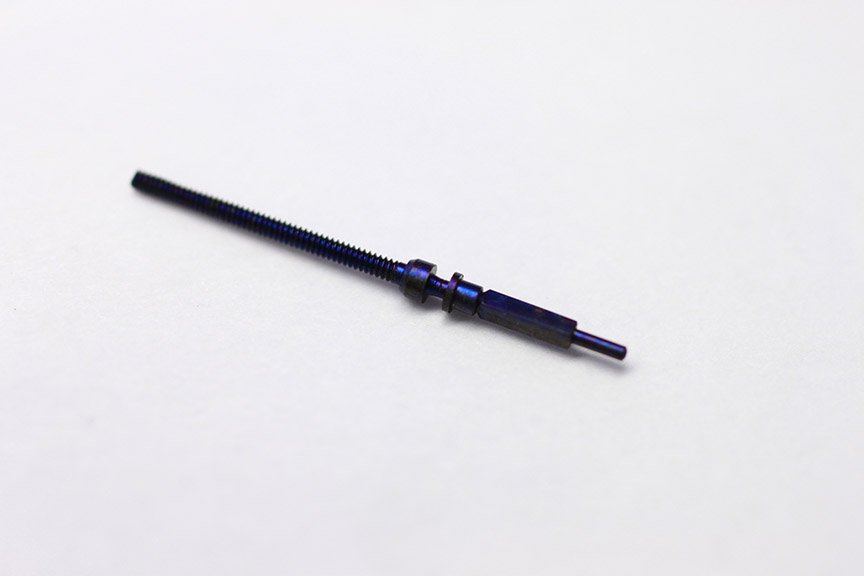
 Finished and blued stem:
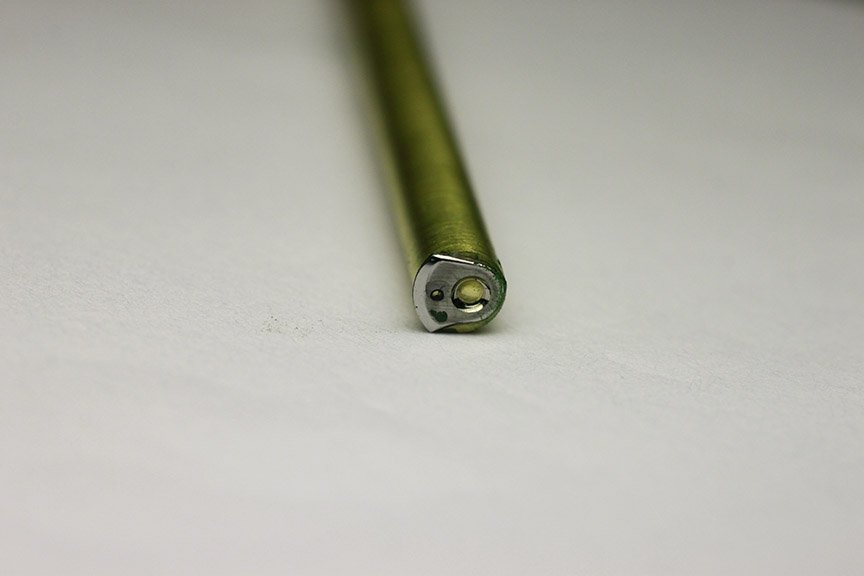
Preparing to polish the cap for the top escape jewel:


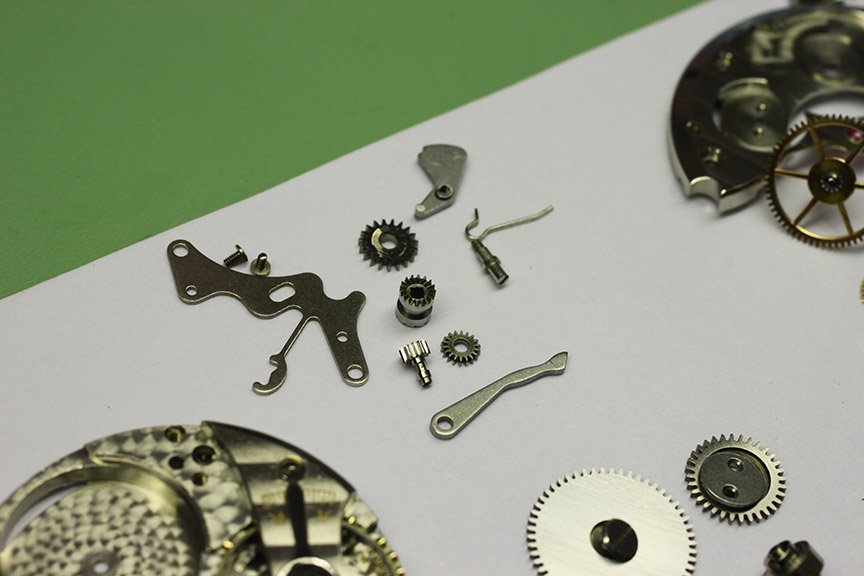
 The keyless works:


 Parts for the timekeeping train:


 A simple movement:
 Halfway home!


 Working movement:


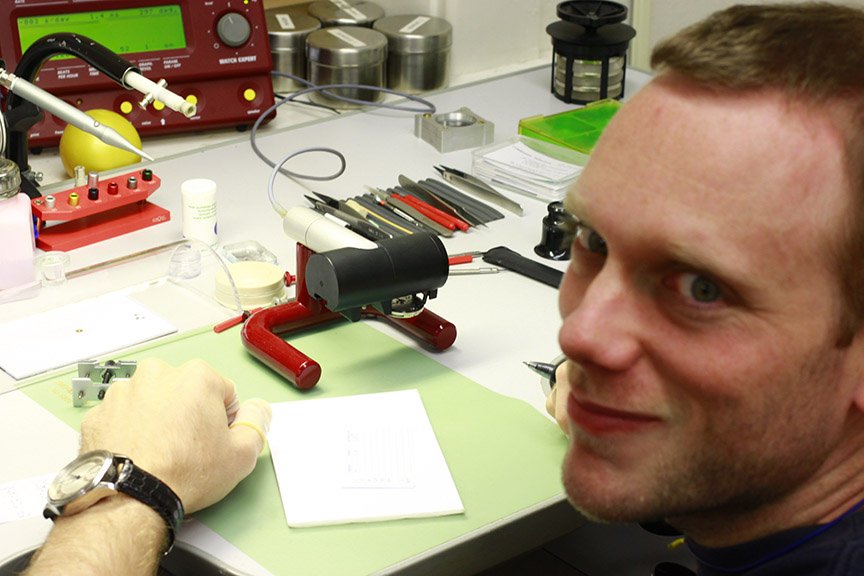
 Happy watchmaker:
 Ready to assemble:


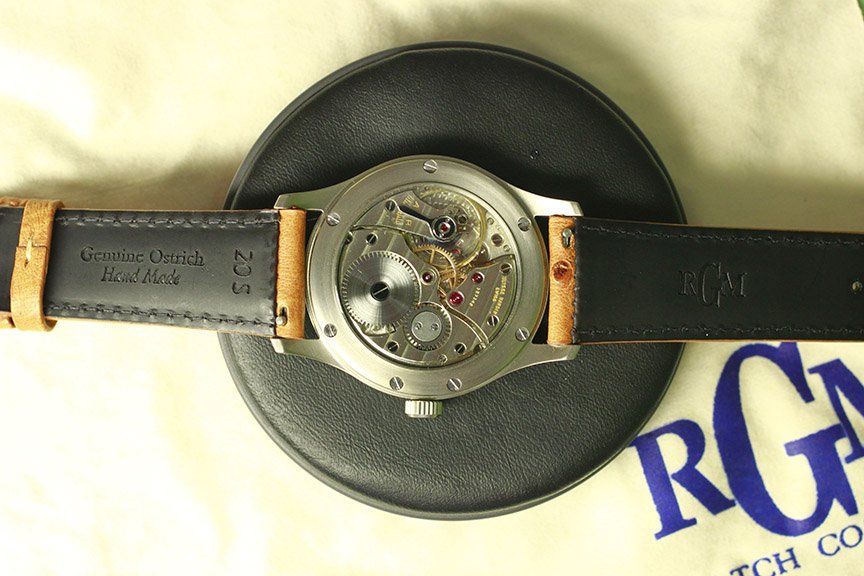
 Finished watch from the back...


 ...and from the front:
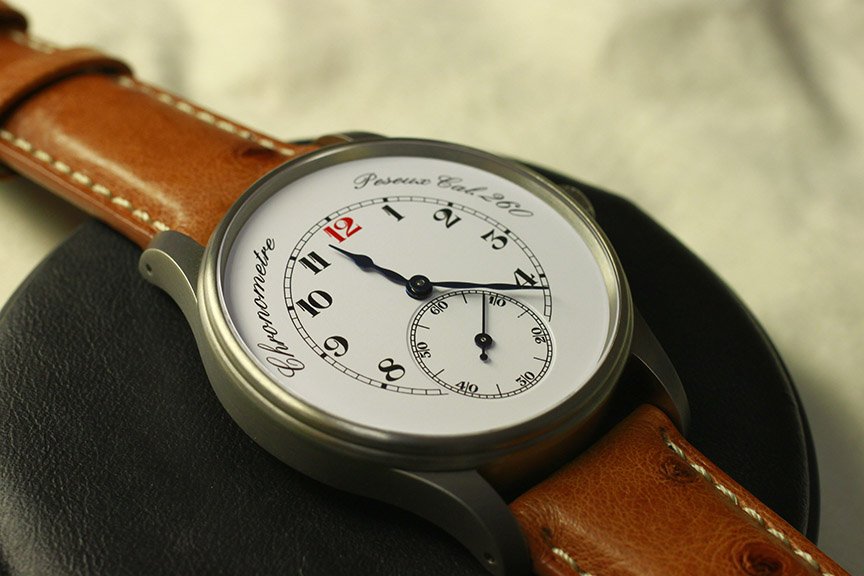
congrats...i must ay that i m fairly ignorant of RGM. thks fr sharing
While your movement in its testing case was a lovely horological curitosity to begin with, having it cased up like this looks like a very practical way to enjoy it more often. Great to see these step by step manufacturing and assembly shots. I always admired the engine turned dials that RGM produces. Did you consider any other sort of dial for this watch ?
were you advised by the watchmaker to consider various type of dials? Regards Ling
wow that is a very beautiful watch! best of luck with it! best regards duemonde
What a great job RGM seems to have done, and how cool of them to photograph the process for you (and for us)! Can you tell us more about the movement (or direct us to a previous post describing it)? Enjoy your new watch/old movement in the best of health. Best, CaliforniaJed
Steve, this is a wonderful project, very ably executed. I am not aware of any production wristwatch which employed the Peseux 260? If this is the case, it makes your project all the more interesting: in the vein of the Be-Ba and the Voutilainen Observatoire, you are getting to create a watch using a movement that doesn't have any historical antecedents. I think the watch size (38mm) coupled with the 30mm movement is at the optimum for a men's watch. Perfect placement of the seconds subdial too.
This thread is active on the Horological Meandering forum with 55 replies. Share your knowledge with fellow collectors.
Join the Discussion →