Vintage
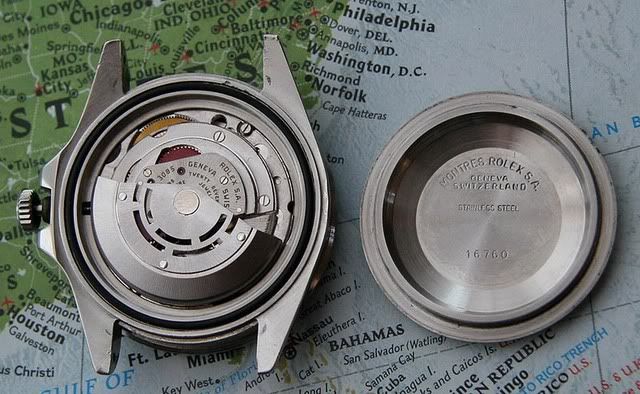
Caius's detailed exploration of the Rolex GMT-Master II ref. 16760, affectionately known as the "Fat Lady" or "Big Mama," offers a crucial look at a transitional reference in Rolex's history. His post highlights the watch's unique characteristics and its significance as the first GMT-Master II, making it a valuable resource for collectors interested in the evolution of this iconic model. Understanding the 16760 provides context for subsequent GMT-Master II iterations and its distinct place in the brand's catalog.


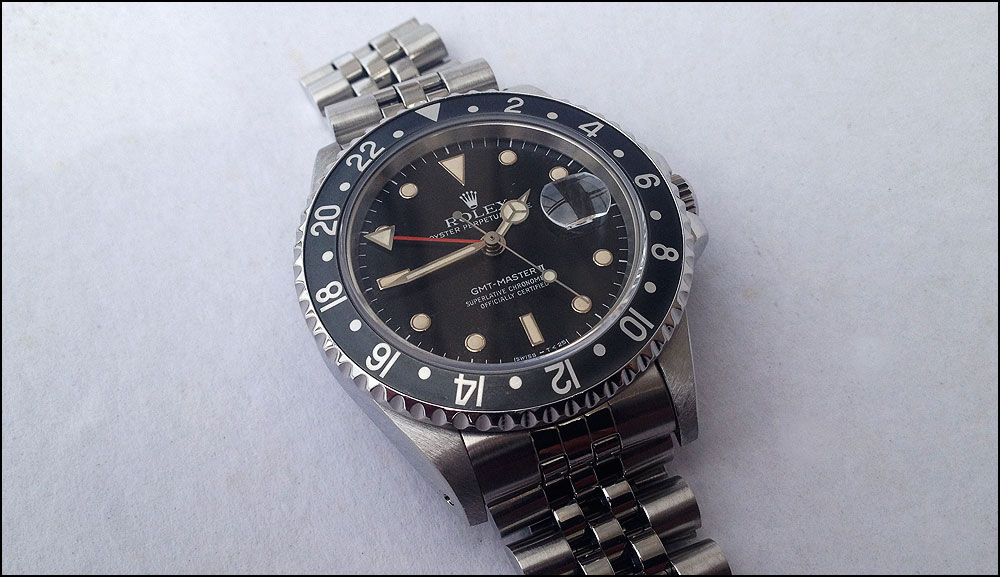

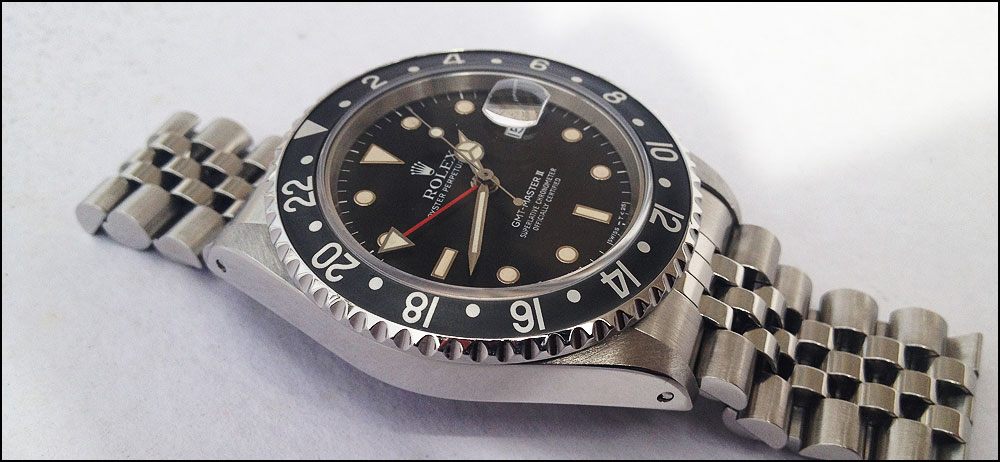
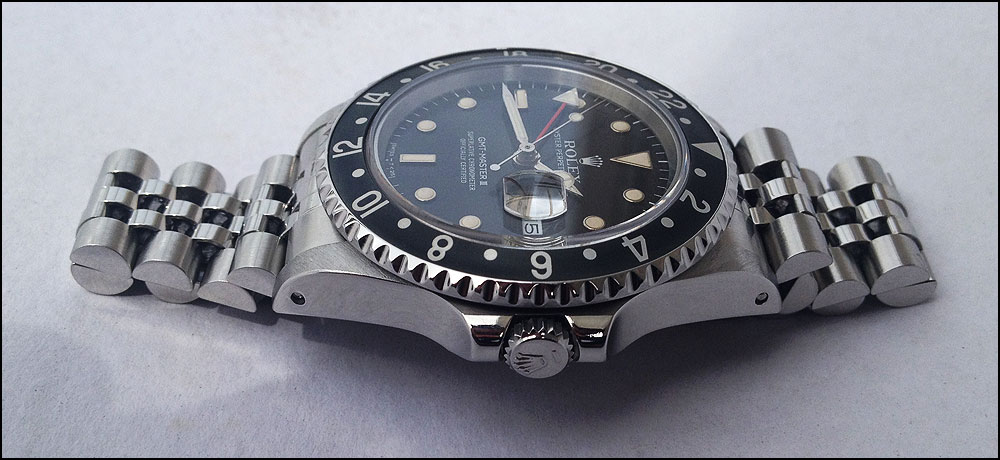


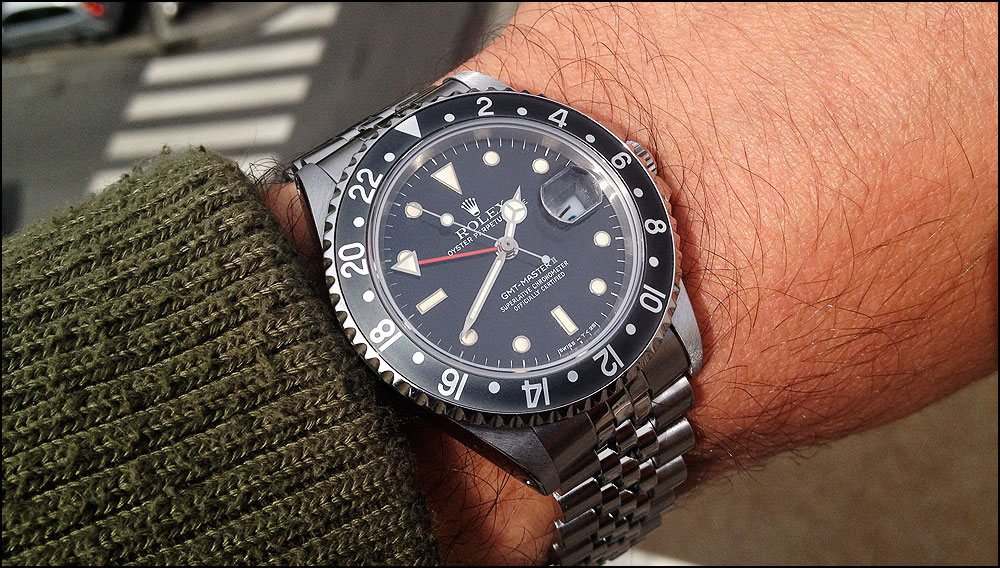


The GMT-Master reference 16700 was introduced as a transitional model, serving as a more traditional alternative to the then-new GMT-Master II reference 16710. It maintained the original GMT-Master functionality, allowing for the tracking of two time zones simultaneously through its independent 24-hour hand linked to the main hour hand. This reference represents the final iteration of the original GMT-Master line, preceding the full transition to the GMT-Master II architecture. It was produced concurrently with the early GMT-Master II models, offering a choice for collectors who preferred the simpler GMT mechanism.
This reference features a 40mm stainless steel case, characteristic of many Rolex professional models of its era. It is powered by the automatic Caliber 3175, which provides a power reserve of approximately 48 hours. The watch is fitted with a sapphire crystal, enhancing its durability and scratch resistance, and offers a water resistance of 100 meters. The bidirectional rotating 24-hour bezel, often seen with a "Pepsi" (blue and red) or "Coke" (black and red) insert, allows for the tracking of a second time zone.
For collectors, the 16700 holds significance as the last of the true GMT-Master series, distinct from the GMT-Master II's independently adjustable 24-hour hand. Its production period, spanning from the late 1980s to the late 1990s, places it at an interesting juncture in Rolex's history. It appeals to those who appreciate the classic GMT-Master design and functionality, often sought after for its robust construction and the availability of various bezel insert options.
As you said, unique and important. Unique because the thick case is really awesome. Important, because it can be considered at the first to announce the modern GMTs, while the 16750 matte dial was a first step, but not really detached from the vintage world, with its painted matte dial. Nice post! Best, Nicolas
nice story, i like Sofia Loren ;) but despite everything i prefer the first (and only) configuration with red/black bezel insert! it's true, i had the chance to try it on my wrist and it fits like a sea-dweller... thanks for sharing... this is one of my couple of sapphire, relative of your :)
A nice GMT II, with a lovely patina on the dial and indexes. Very nice. Cheers Tony
http://i42.servimg.com/u/f42/13/42/38/06/gmt211.jpg Best Doug
I need to dig into this reference a little more. Thanks for sharing Bill
This thread is active on the Rolex forum with 18 replies. Share your knowledge with fellow collectors.
Join the Discussion →