Vintage
Tyo, a seasoned collector, poses a compelling question that resonates with many enthusiasts: is it time to pivot from modern Rolex references to the allure of vintage? His journey, marked by a succession of contemporary models, leads him to reconsider the charm and wearability of older pieces. This discussion explores the practicalities and philosophies behind embracing vintage Rolex, particularly for daily wear.


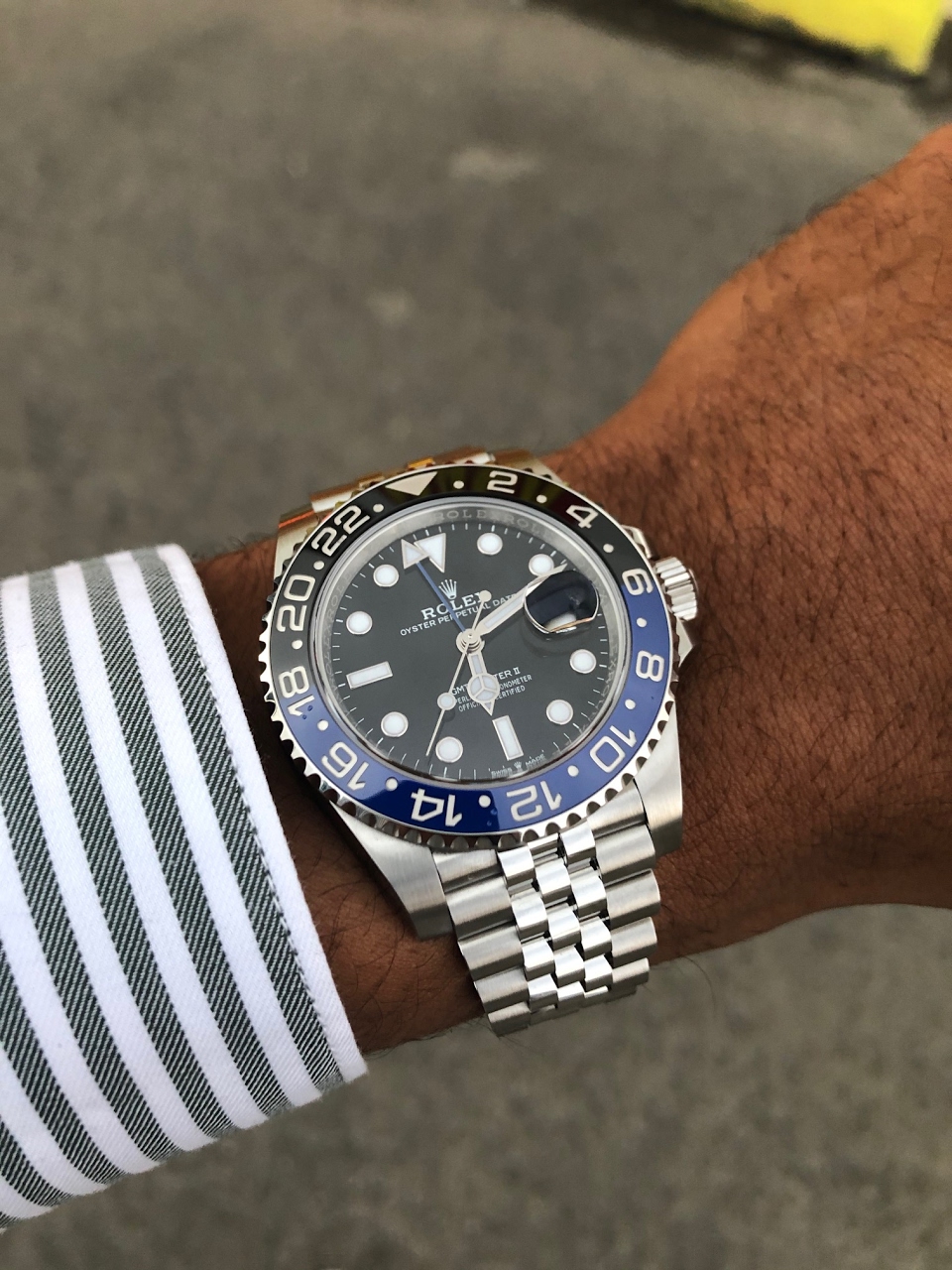
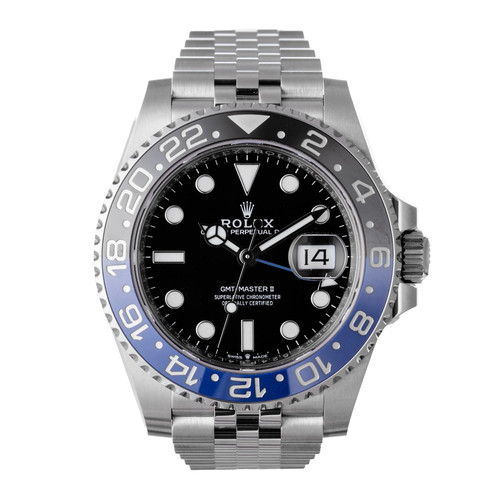
The Rolex GMT-Master II reference 126710 was introduced in 2018, marking a significant update to the GMT-Master II line. This reference is notable for reintroducing the Jubilee bracelet to the GMT-Master II collection, a feature previously associated with earlier GMT-Master models. It is distinguished by its Cerachrom bezel insert, available in specific color combinations, and the updated movement, enhancing its precision and functionality within the professional watch range.
This reference features a 40mm Oystersteel case, characteristic of Rolex's robust construction. It is equipped with the Caliber 3285, an automatic movement developed by Rolex, offering a power reserve of approximately 70 hours. The watch is fitted with a sapphire crystal and is water-resistant to 100 meters, ensuring durability and legibility under various conditions. The bidirectional rotatable 24-hour graduated bezel facilitates the tracking of multiple time zones.
The 126710 appeals to collectors interested in modern Rolex tool watches with historical design cues. Its introduction with the Jubilee bracelet provided a new aesthetic option for the GMT-Master II, complementing the existing Oyster bracelet variants. The availability of different bezel color combinations, such as the blue and red "Pepsi" or black and blue "Batman," further defines its place within the contemporary Rolex catalog.
They do not make watches today that are as good as the old ones. Just think of steel hardness today compared to before (I wrote a chapter about that in my book).
"Klokka og tiden" - published many years ago.
Can you please expand on that here? Thanks
When you machine steel, the tool needs to be harder than the part you are working with. The tools then become more expensive and each operation takes longer to perform, both increases production cost. The steel parts in a movement most subject to wear (due to friction) are the pivots. If you try to do something with a balance staff from an old American pocket watch, you will probably not have a tool hard enough to engage it. If you work on a European movement from pre 1975 your tool will bite, b
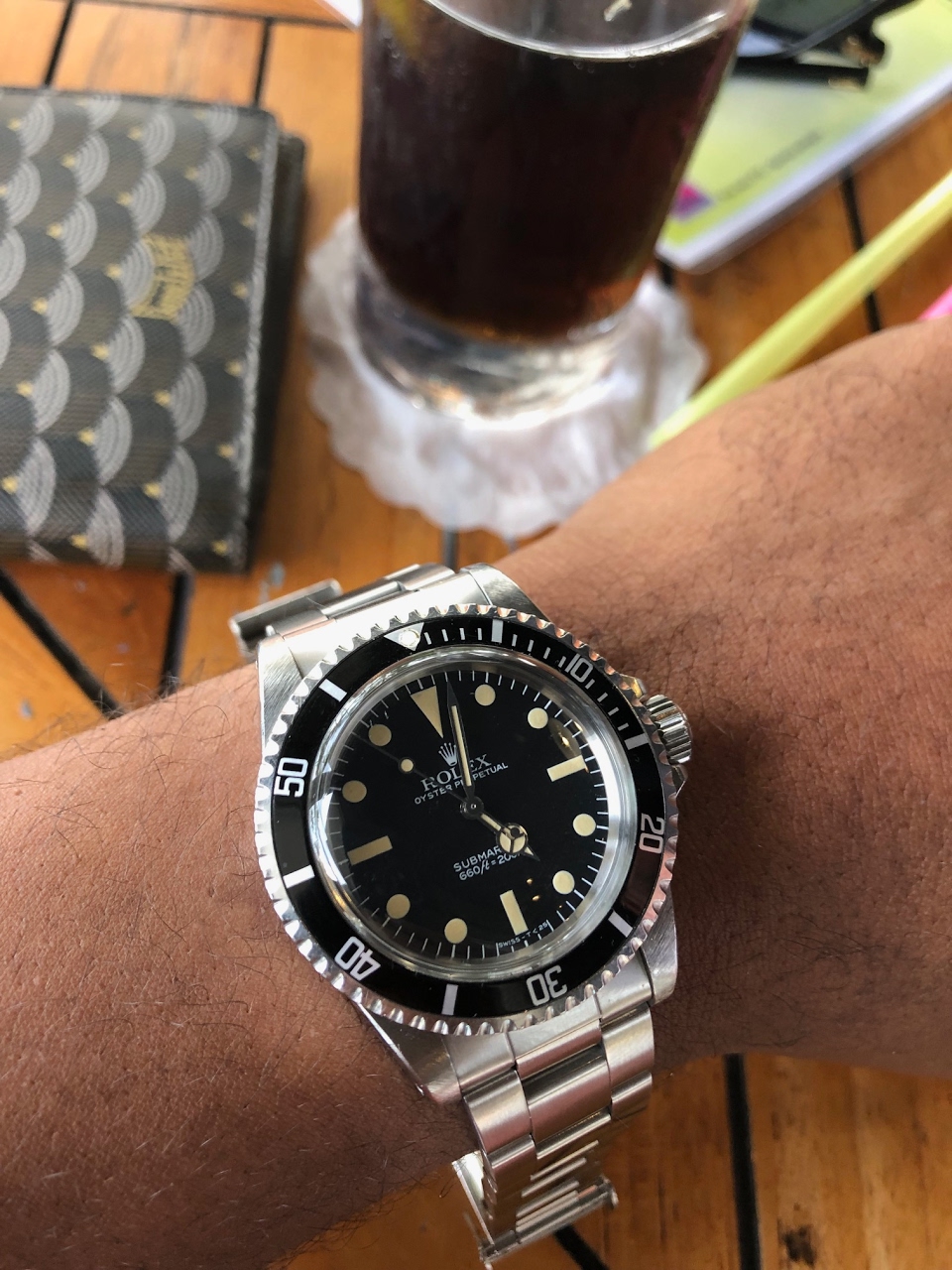
I thought you were talking about steel cases and other outer parts. I still own two Rolex from the sixties and "keep alive" (my women’s watches) two very old ones and a Tudor. My 1967 Submariner got wet a couple of times but the movement, once fixed, still works perfectly. Let's see what the fate of my one year old Tudor Black Bay movement will be in fifty years. Well, actually I won't realistically witness it, but anyway. Thanks a lot for the information. Simone
This thread is active on the Rolex forum with 22 replies. Share your knowledge with fellow collectors.
Join the Discussion →