
Vintage
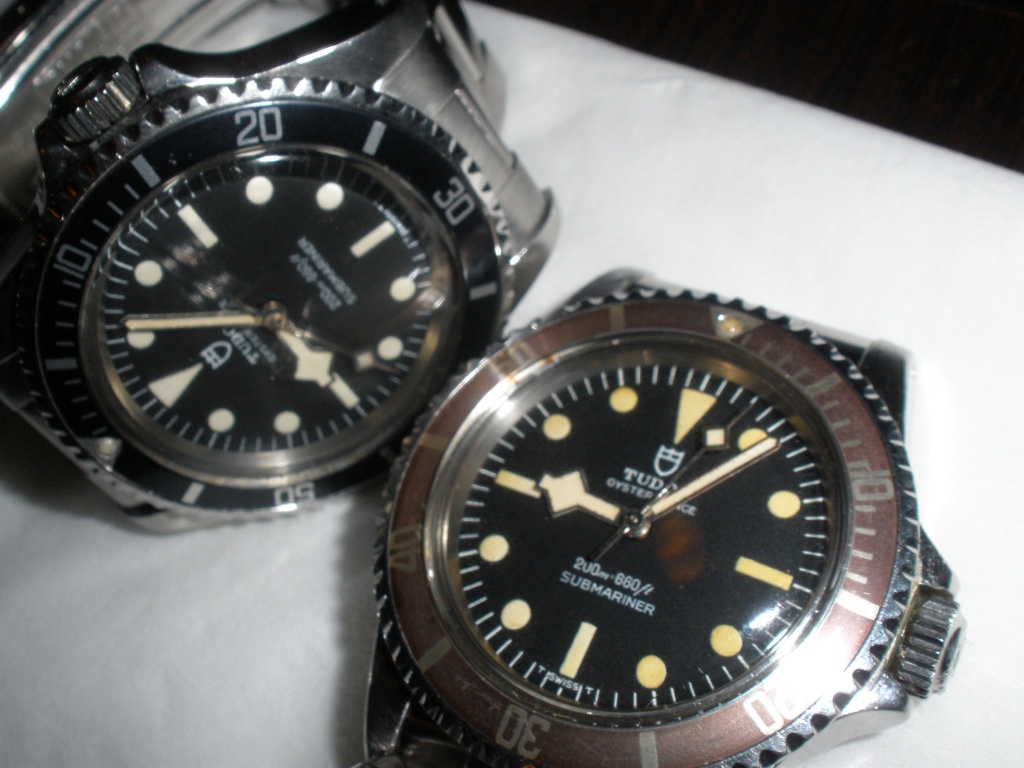
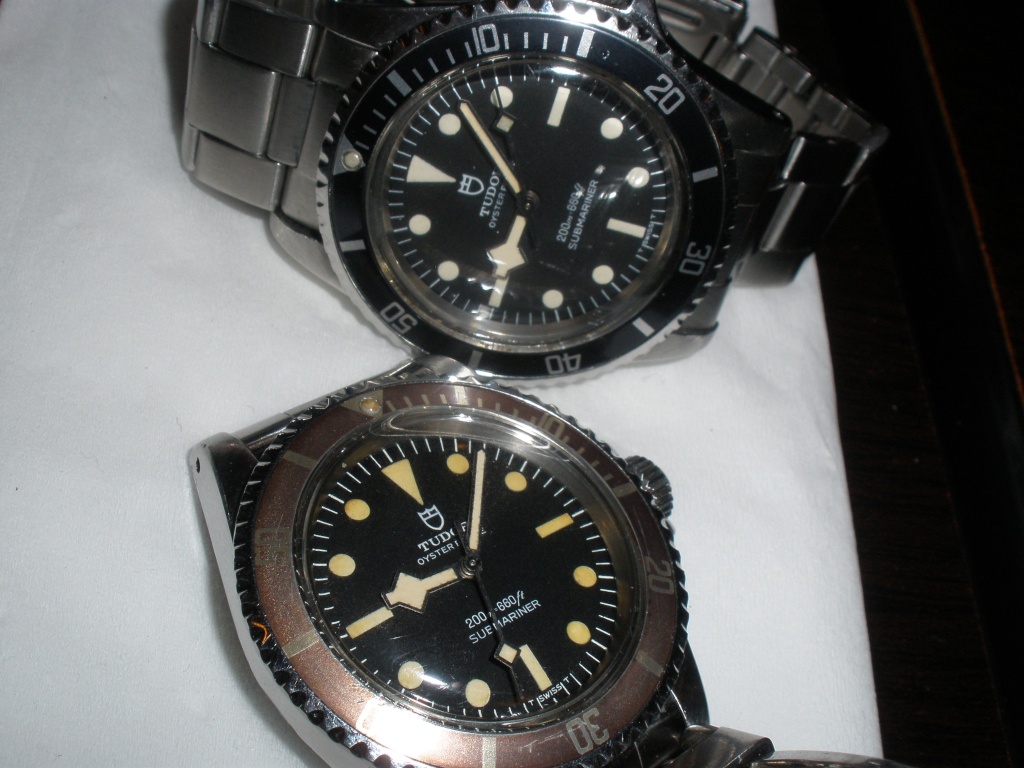
Vulcain's post delves into the fascinating and often debated history of a rare Tudor Submariner reference 94010. He presents compelling evidence to authenticate a specific dial/hands combination, challenging previous skepticism within the collector community. This article is crucial for vintage Tudor enthusiasts seeking to understand the origins of the Black Bay's aesthetic and the nuances of early Submariner references.


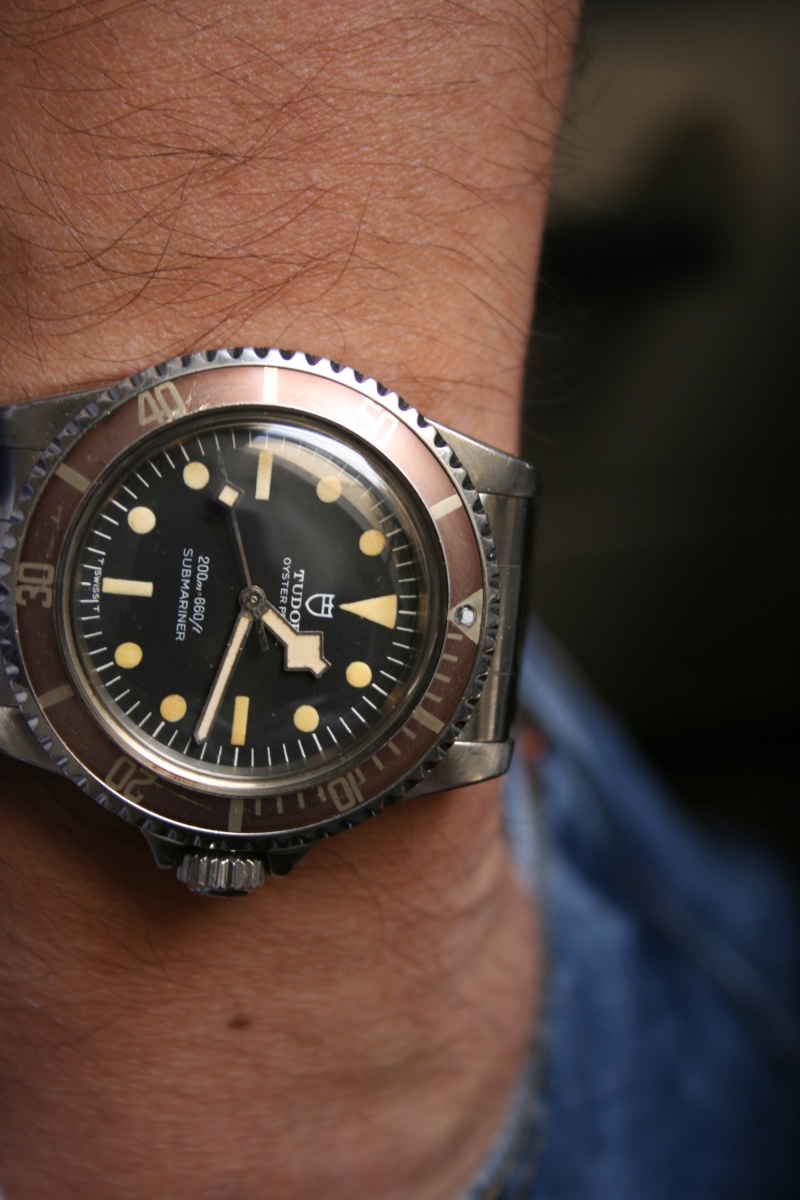
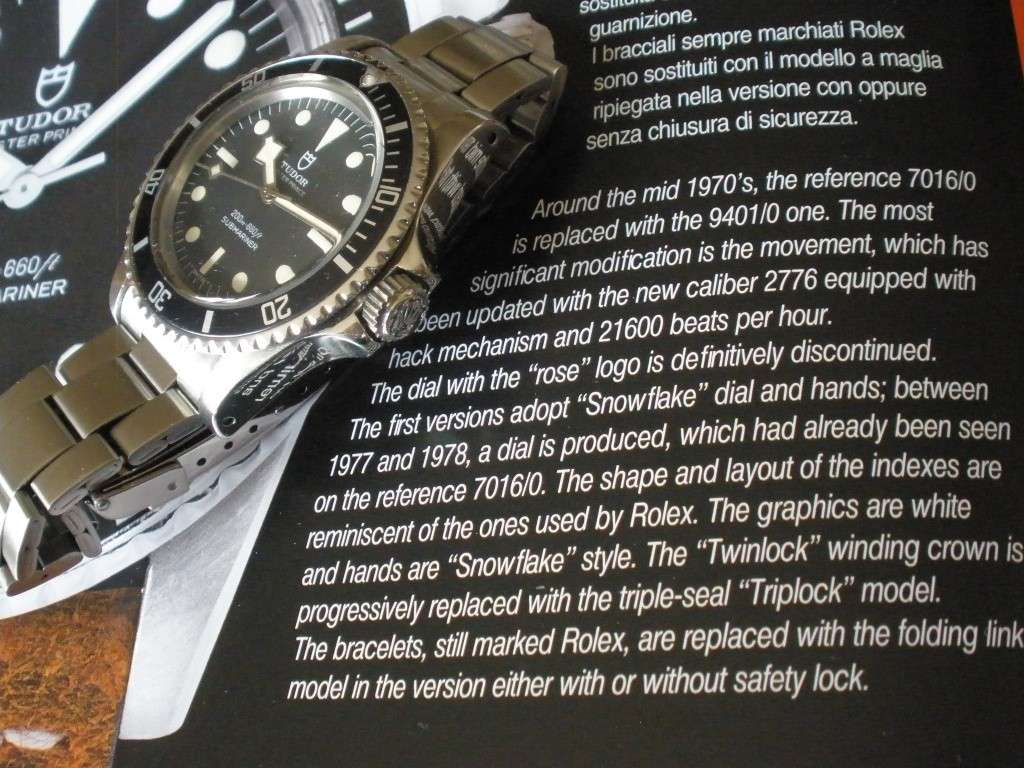
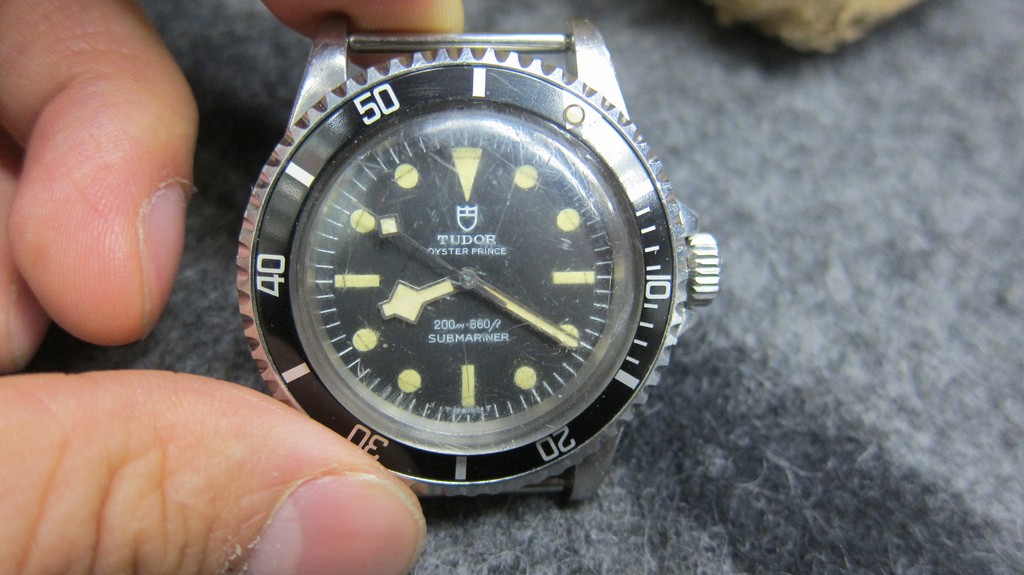
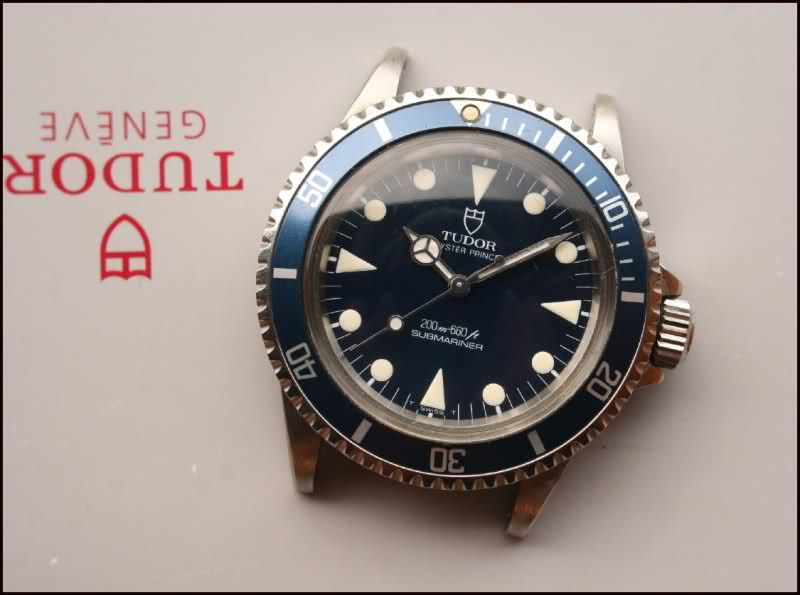


The Tudor Submariner reference 7016 represents a significant evolution within the Tudor dive watch lineage, marking a transition from earlier references. It is notable for being one of the first Tudor Submariner models to feature a date complication, distinguishing it from its no-date predecessors. This reference also introduced design elements that would become characteristic of later Tudor Submariners, solidifying its place in the brand's history. It was produced during a period when Tudor was establishing its own identity while still leveraging Rolex's robust case and bracelet manufacturing.
This reference typically features a stainless steel case, housing a self-winding mechanical movement. The case diameter is commonly found at 39mm, a size that offers a balanced presence on the wrist. The crystal is generally acrylic, contributing to the vintage aesthetic and period-correct specifications. Water resistance for this model is rated at 200 meters, aligning with professional dive watch standards of its era. The movement is often based on an ETA ebauche, modified and finished to Tudor's specifications.
For collectors, the 7016 is valued for its historical importance as a transitional model and its robust construction. It appeals to those seeking a vintage dive watch with a strong connection to its Rolex heritage but with a distinct Tudor identity. Variants within the 7016 series may include different dial configurations, such as those with or without the "smiley" self-winding text, which can influence collector desirability. Its position in the timeline between earlier small-crown models and later references makes it a key piece for understanding the development of the Tudor Submariner.
I have to read the article again, but I haven't seen some of those different versions of Tudor Black Bay/Submariner watches before. Good to see and good to know. Can't believe someone used the watch as a hammer. Someone ought to report the perpetrator to the Society of Prevention of Cruelty To Watches.
To be clear, this Tudor cannot be seen as the ancestor of the Black Bay, since it is the 7922, Big Crown, no crownguards. But I get what you mean, and this is about the dial. I've never seen such a combination of dial and hands, but this is not because I never saw that that it didn't exist, to be clear, once again. I am just intrigued. A fact is that you saw several in the same serial number range. Now, the question is still to know if it was not due to the watchmaker who had the service of thes
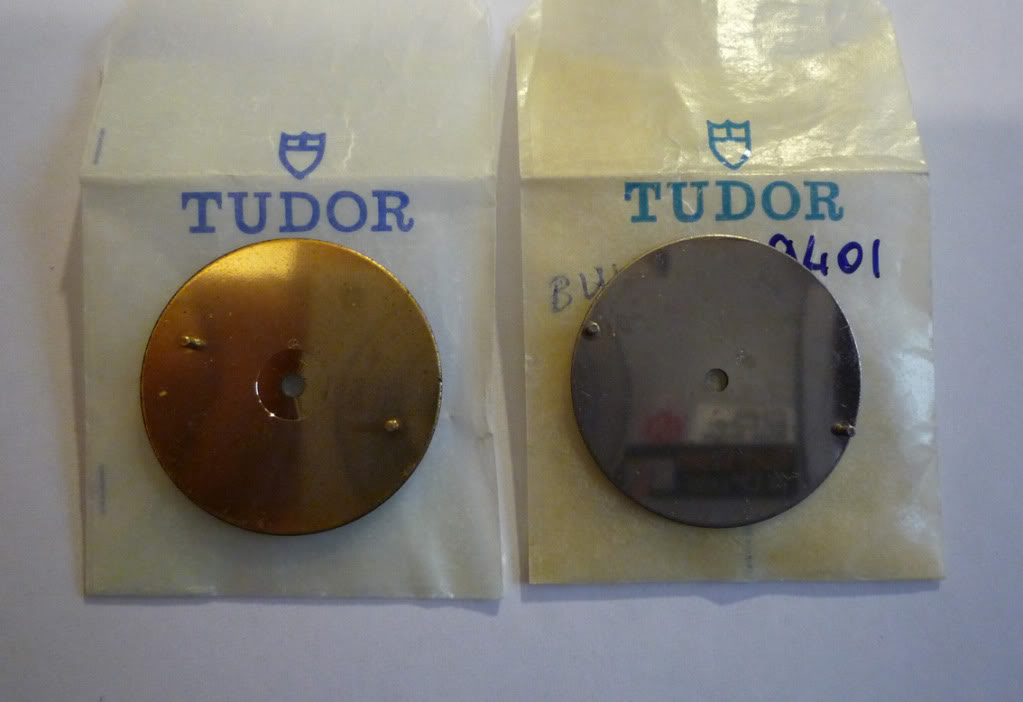
Hello Nicolas, You're right, I refer to this specific dial/hands combo to establish the paternity link between the Black-Bay and this 94010 Submariner. When you examine the different feet location on the two dials (7016 on the left) as seen in the picture below, if makes very unlikely, if not impossible, that some local watchmakers throughout the world did modify some 7016 dials to fit them in 94010 submariners, all of them featuring the same serial number range… Not to mention that it is a risk
I am looking forward to hearing some comments. Bill
I bought it :) No bracelet marks on the case back and I was fully aware of what a great price it was :) Great piece by the way, glad I got in just before you published it I also have a nice brown insert waiting for its new home LOL
This thread is active on the Rolex forum with 16 replies. Share your knowledge with fellow collectors.
Join the Discussion →


