New Release
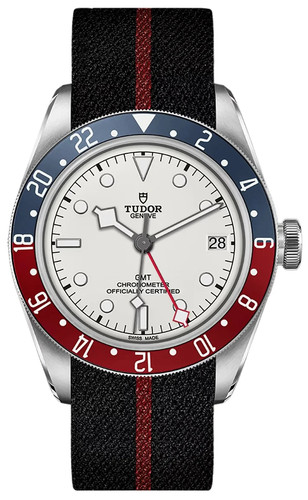
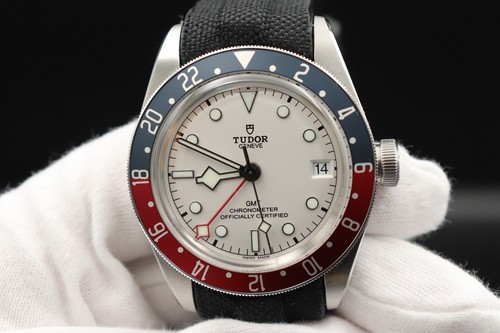
Amanico introduces the Tudor Black Bay GMT from Baselworld 2018, hailing it as a significant release and a 'winner of the year.' He meticulously details its design, drawing parallels to the Rolex GMT-Master Ref. 6542, and praises its in-house movement and accessible pricing.


The Submariner reference 5510 is a notable example within the early production of the model line, distinguished by its "Big Crown" design. This reference was produced for a very short period, making it one of the rarer variants. It represents a transitional phase in the Submariner's development, bridging earlier designs with later, more standardized configurations. Its aesthetic aligns with the functional tool watch philosophy prevalent at the time of its introduction.
The case of the reference 5510 is constructed from stainless steel, featuring a diameter characteristic of its era. It houses an automatic movement, specifically the Caliber 1530, which provides reliable timekeeping. The crystal protecting the dial is made of acrylic, a common material for watches of this period, contributing to its period-correct appearance. The water resistance rating was a significant feature for the model at its release.
This reference appeals to collectors interested in the foundational period of the Submariner. Its limited production run and specific design elements, particularly the oversized winding crown, contribute to its desirability. The 5510 is considered a key reference for understanding the evolution of the Submariner series, showcasing the design language and technical specifications that preceded subsequent iterations.
What a wonderful travel and pool watch without killing the bank account. Best, Kari
The price to value ratio is so incredible it's almost unbelievable. Under US$4k with bracelet. Inhouse everything with Rolex/Tudor quality. Nico is right, this is a Tudor 6542.
The aluminum insert looks lovely and may age even better. The hands are well-proportioned. The dial is spatious and uncrowded and the black is matte. Indices are not bloated. So much done correctly. One question, since I have never owned a GMT: is the only way to adjust the date to revolve the crown through 24 hours of revolutions and go day by day by day until desired date achieved? If so, is this common to all GMT watches?
938 Tudor listings are live on the eBay market and 108 collector listings on the WatchProSite marketplace.
This thread is active on the Rolex forum with 54 replies. Share your knowledge with fellow collectors.
Join the Discussion →