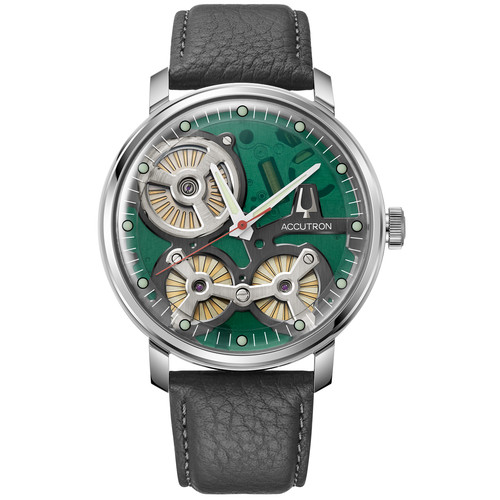
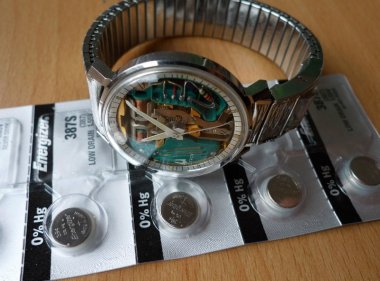
Cazalea initiates a fascinating series on watch dials, using the Seiko 6309 Diver as a prime example to dissect the anatomy and terminology of this crucial component. His approach demystifies the dial's construction and function, offering valuable insights for both seasoned collectors and those new to watch modification.
Dials on a watch are like the cheese on a burger - important, near the top, adding a great deal of flavor, and ... well maybe that's as far as I'll go because I see half the PuristS heading off to the barbeque on this long weekend (it's Memorial Day weekend here).
I've done series of posts on various Families of Watches
(CLICK HERE), types of Movements (
CLICK HERE), and on Hands (
CLICK HERE). In this new series I would like to address the Dial, which is one of the most important components of a watch.

Using a different analogy, the dial is the "Marketing Department" of the watch. The movement might be Engineering, the case is Facilities & Grounds department, etc. But again, we are going into the weekend, so I will refrain from talking about work, as it might lose me a few readers.
I'm making an assumption that not all of us have disassembled a watch in a workshop or boutique, so I'll dive into a couple of mine to illustrate the opening post in this series.
A REPRESENTATIVE SEIKO DIAL
Here you see a Seiko 6309 Diver dial (both sides). On the back side you can see the two dial "feet". Most dials have two or three feet which are fitted into holes in the movement and retained by screws, levers or friction.
NOTE - foot locations can prevent you from changing dials if you are the type that likes to modify watches. There are at least three solutions to the foot problem - (1) cut them off and stick the dial on with little adhesive feet, (2) remove and resolder them in the correct place, (3) buy a custom-made dial with correct foot location. That's all I will say on this issue.
There is a tab on the dial at 2 o'clock to align the dial in the case and with the chapter ring, and a window / slot for the day/date display. There are markers (with lume) for the hours but no minute indications. Seiko informs you of its brand name, the type of movement, and the "water resist"ance.
This dial has a nice sunburnt / faded patina, don't you think? If I could ever get around to assembling it I'd have another diver.
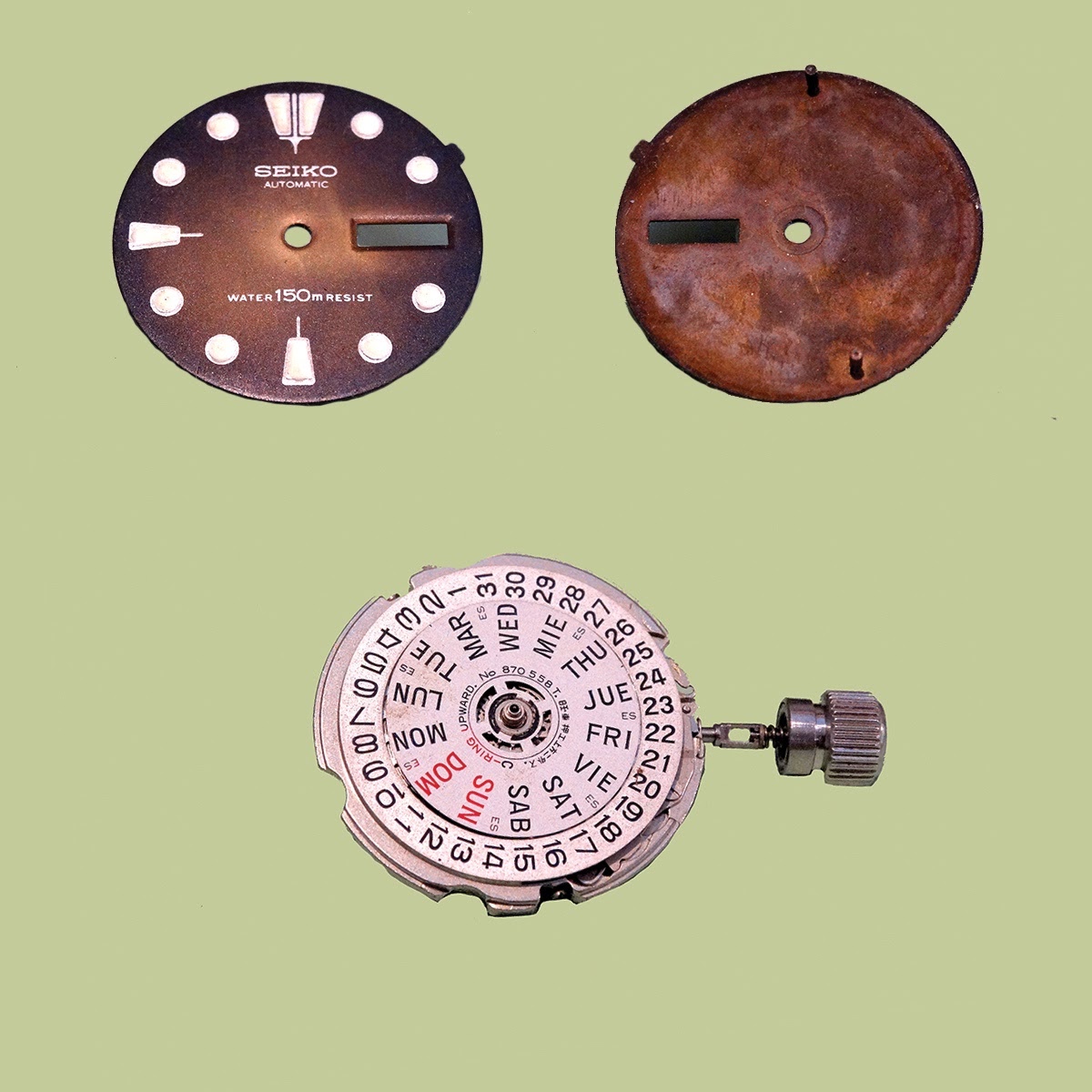
I have included the 6309 movement photo here so you can see the English/Spanish day wheel and the date wheel which normally only appear through windows in the dial. You can also see, next to the 3 and below the 16 on the date wheel, the screws which secure the dial feet to the movement.
ANATOMY & TERMS
Here's a side view of a watch in the case, so we can see the terminology that I am using when I describe the anatomical parts of the watch. In this post of the series they are DIAL, DIAL FEET, DATE WINDOW, MARKER and CHAPTER RING.
BULOVA ACCUTRON
Next you can see a Bulova Accutron wristwatch dial, with similar feet to the Seiko but in different positions. The metal dial is painted and the 12/24 hours and minutes are all present. SORRY NICO - there's no date window.
On the back of the dial you can see that Bulova milled a relief slot in the dial so it wouldn't interfere with the movement. This is rarely done in modern watches as we have better prepared to engineer the watch's components from the beginning.

Of course not all watches have full dials - some have only the outer markers or chapter ring to guide you in observing the time accurately. This Accutron Spaceview shows its movement proudly but also provides markers and lume on the outer ring.
POCKET WATCHES vs WRISTWATCHESOther than the size, and perhaps the materials used, pocket and wrist watch dials don't vary much. Here we have a multi-level enamel Illinois pocket watch dial with subdial for the seconds. Notice this dial has three feet.

The Swiss Wakmann triple-date chronometer dial is very complex with outer date ring, windows for month and day (at 12) and three subdials for the chronograph. In addition this dial has 9 applied markers to indicate hours. Printed numerals indicate the 5-minute intervals on the outer edge of the main dial. As far as the "Marketing", the dial tells us the brand, how many jewels are used, and the type of spring-loaded, shock-absorbing jewel mountings -- INCABLOC. At the bottom, T Swiss T describes its origin and that the lume used is Tritium. There are only two retaining feet.
UNUSUAL DIALS
This antique pocket watch dial intrigued me because the minute and second markers are punched into the metal, while the applied Roman Numerals are actually soldered right onto the front of the dial. The rest of the main dial is engraved. There's no "Marketing" on this dial, other than a subtle indication that it's a bit classier than a plain dial.

The rectangular or cushion dial here is typical of older watches. It's relatively complex, with recessed second subdial, applied Arabic Numerals, screen printed minute track around the outside, and compound curvature of the dial itself. Notice the "V" in the bottom to help align the dial in the case.
MODERN DIALS
Modern watch dials from Seiko have a variety of textures, colors, fonts, markers and so on, but they are consistent in one detail - the indication of the model and the movement in fine print at the bottom. As Grand Seiko lovers probably all know, this year 2018, Seiko conceded top spot on the dial and now Grand Seiko appears up there. See the bottom two of these dials for the new look.
You can use the fine print at the bottom of the dial to confirm your suspicions about what's inside the watch - for example:
Neither TOP LEFT nor BOTTOM RIGHT dials say what kind of movement they contain, unlike TOP RIGHT and BOTTOM LEFT which declare AUTOMATIC. BOTTOM LEFT adds Hi-Beat, 36000, and GMT.
But looking at the fine print we are able to see that TOP LEFT and BOTTOM RIGHT both use the 9F62 Quartz movement.

A QUESTION
Should we consider BEZELS as part of the DIAL? On the left the bezel contains the hours for the GMT hand, and on the right the Halter's 12 rivets mirror the hours on the dial ...

Dials tell us a great deal about a watch. Not only do they attract our eyes, and refine the information we get from a quick glance at the hands, they tell us about the manufacturer and the innermost workings of the watch.
Please let me know your thoughts and comments, and anything else you'd like to know about DIALS.