Ornatus-Mundi highlights Peter Speake-Marin's 'The Naked Watchmaker' project, a valuable resource for enthusiasts seeking to understand the intricate mechanics of timepieces beyond their aesthetic appeal. This post specifically focuses on Speake-Marin's detailed deconstruction of the Zenith Pilot Cronometro Tipo CP-2, offering a rare look into its construction and the El Primero movement.
As many, if not all of you know, independent
Master Watchmaker Peter Speake-Marin has left his namesake brand some time ago and ventured into a fascinatingly educative and entertaining project called
The Naked Watchmaker (TNW). TNW is a real must read (or better must see) for all of us who want to delve deep beneath the shiny and polsihed outsides of our beloved timepiece, and want to look deeper than the display back would grant us.
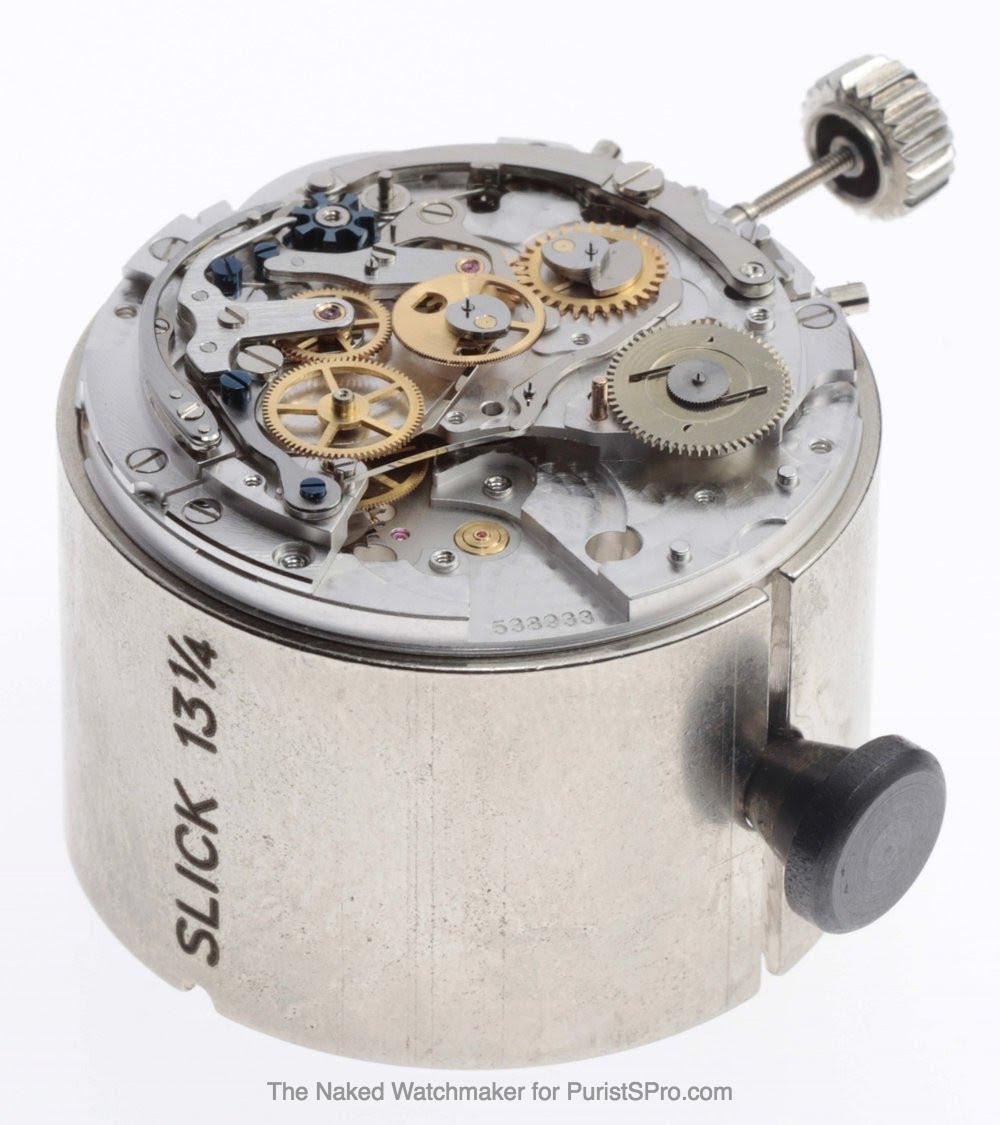
Peter has now laid is hands on the
Zenith Pilot Cronometro Tipo CP-2, the base model upon which our
15th Anniversary Watch is based, and deconstructed it to his own detailled standards.

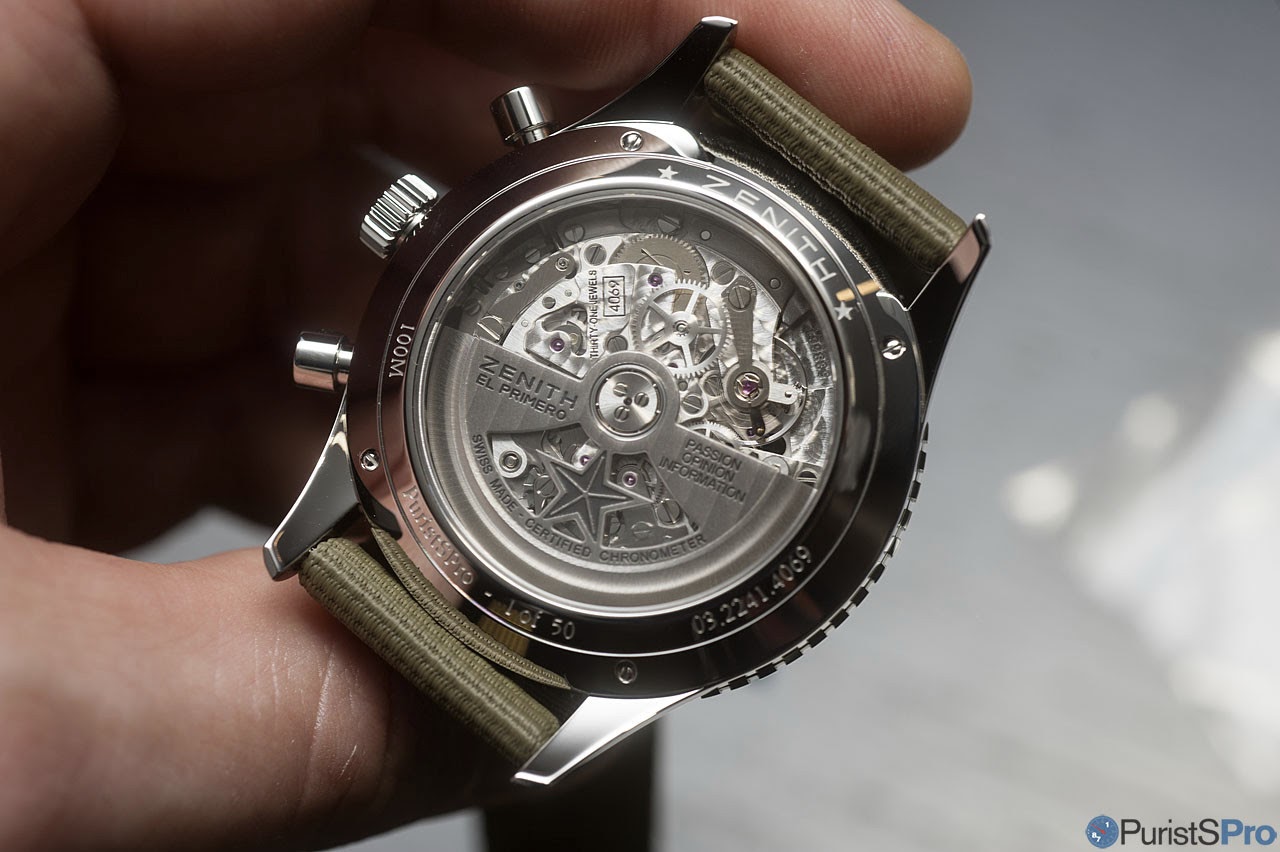
For the entire article I would really urge you
to take a look here . For a quick digest, here are some highlights:
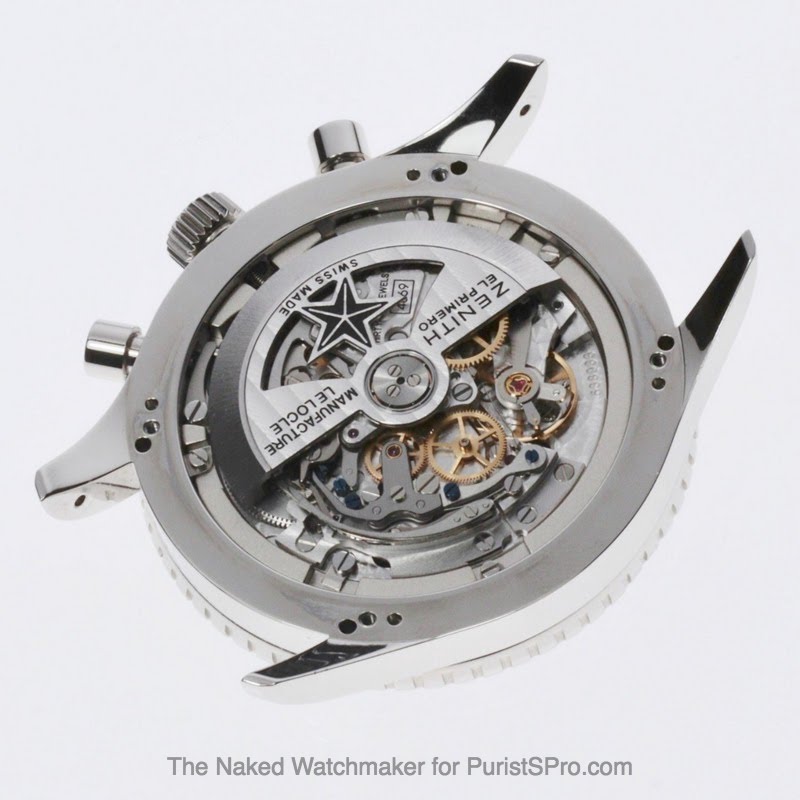
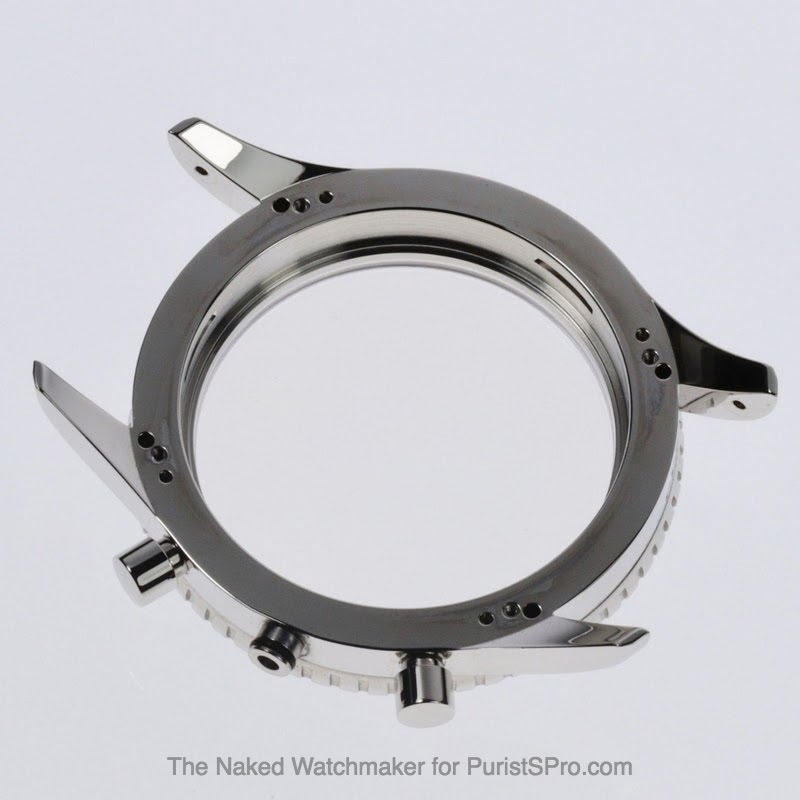
What I first found ultimately intriguing is the construction of the case. It has a flat and polished top side which ensure, together with the seal, the watertightness:
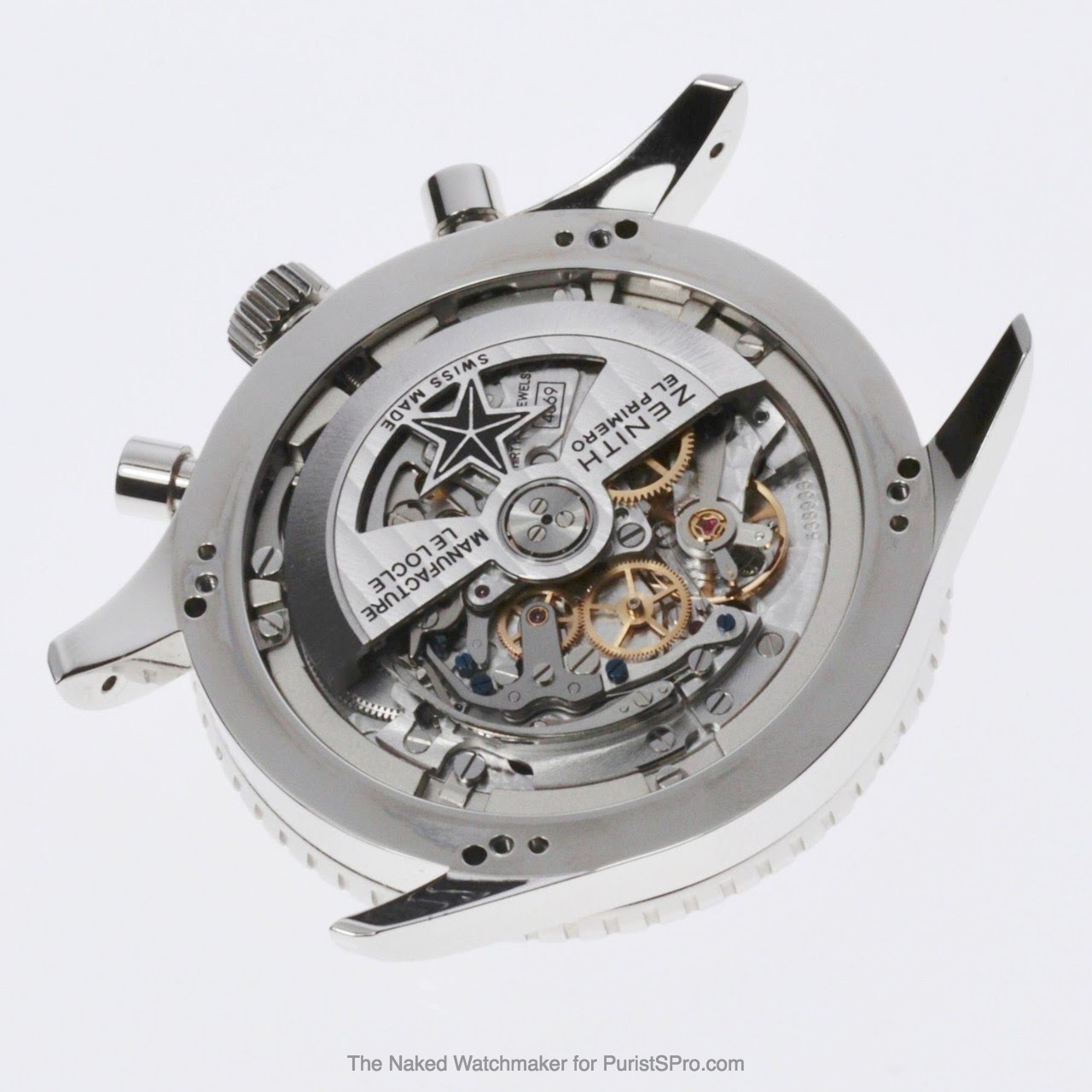
As you can verify quickly, there are only 4 screws to secure the caseback. Another less common detail is the seal for the crown tube. Here is it mounted on the outside of the tube, while usually it is placed on the inside.
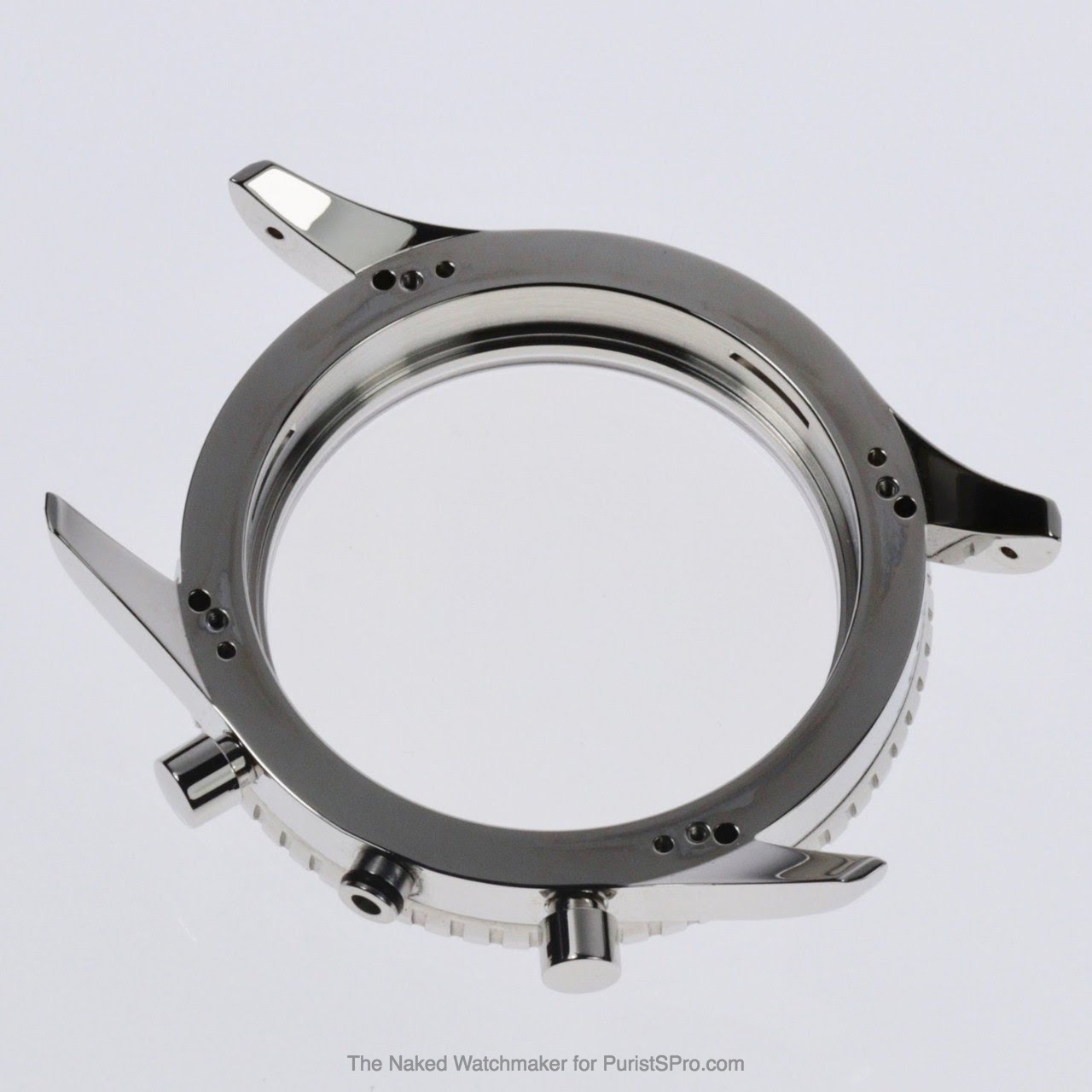
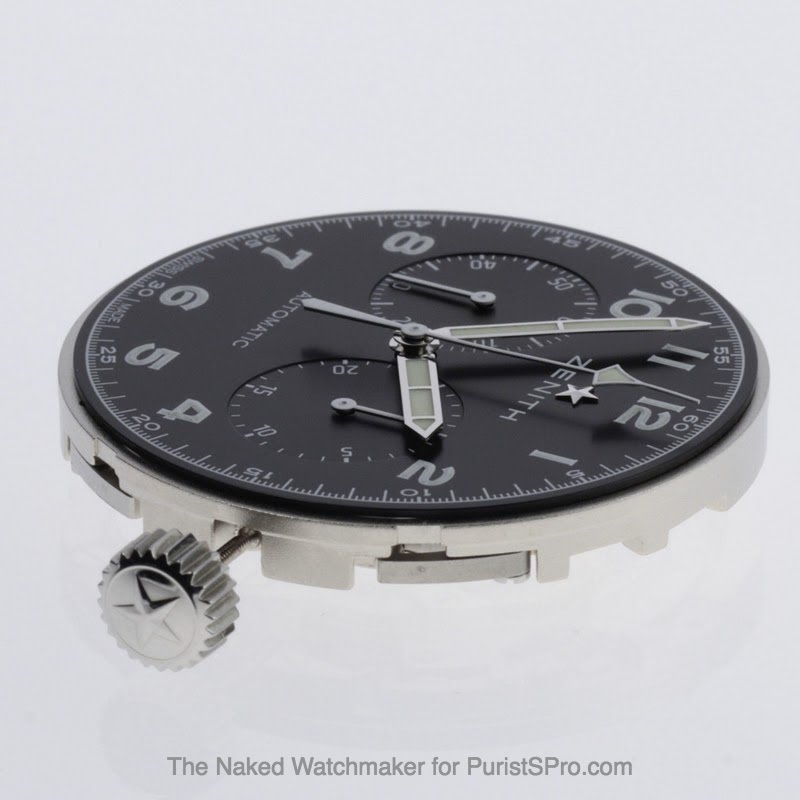
The El Primero movement is mounted in a kind of a container composed of the dial and a movement holder ring and can be removed as a complete assembly.
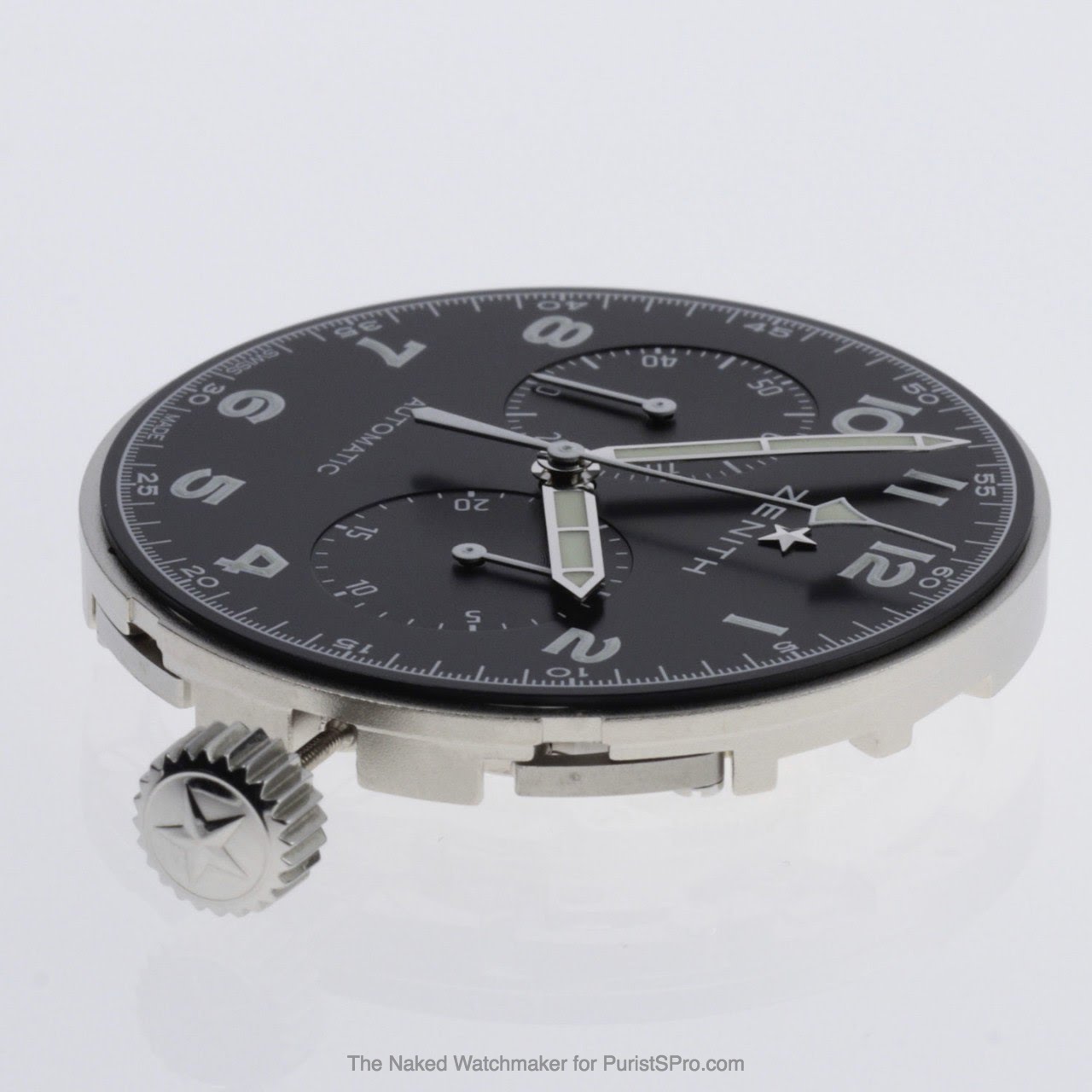
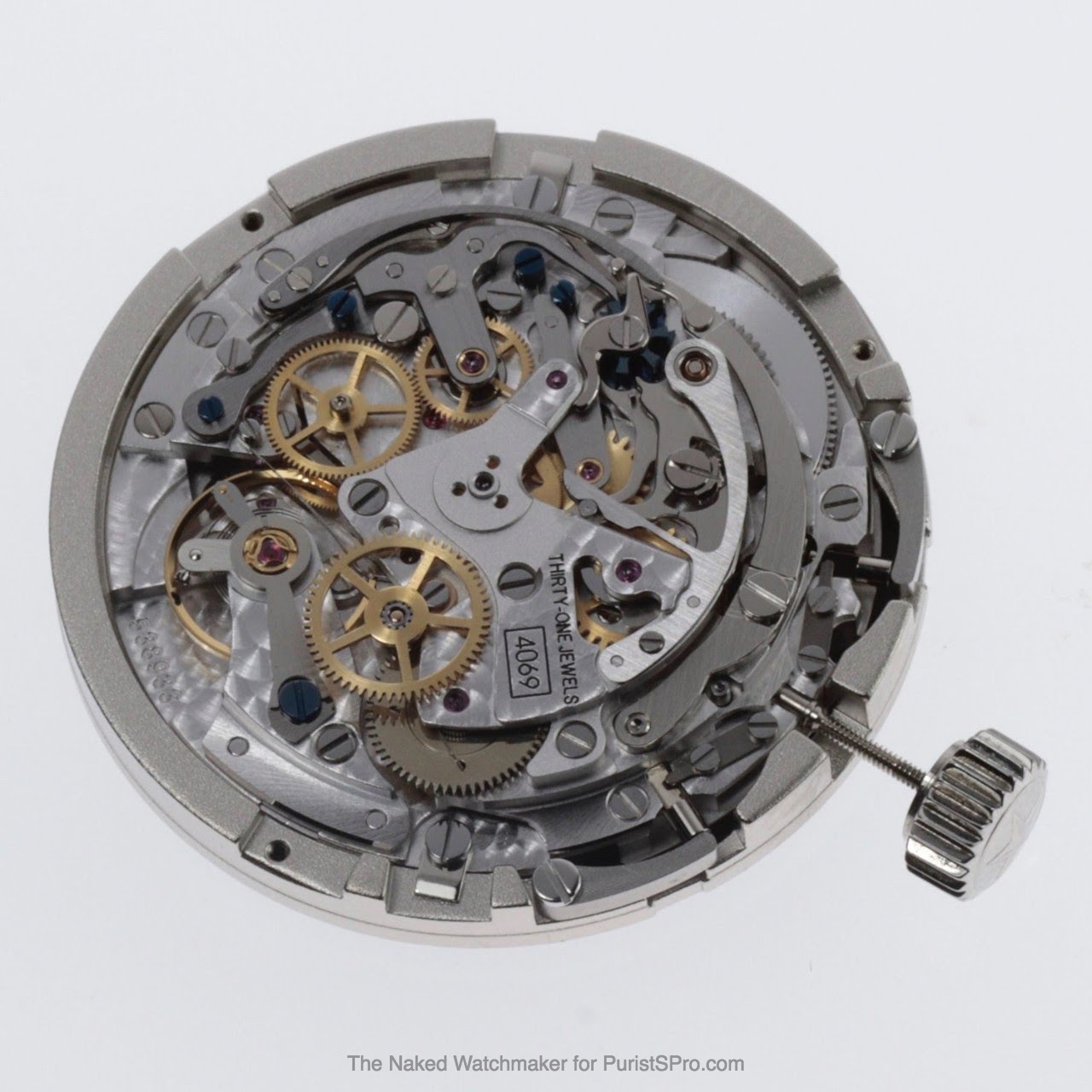
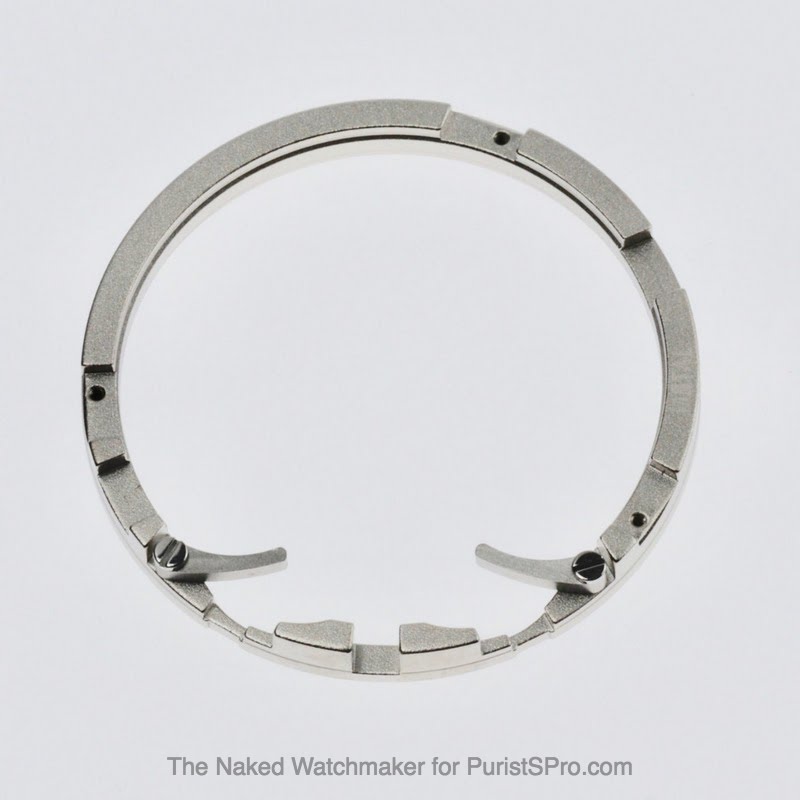
But this holder ring is also a functional piece: it contains two pivoted 'paddles' which transmit the pressure of the pushers, if operated, to the movement:

There are corresponding receptables on the movement, which can easily be detected if one removes the holder ring:

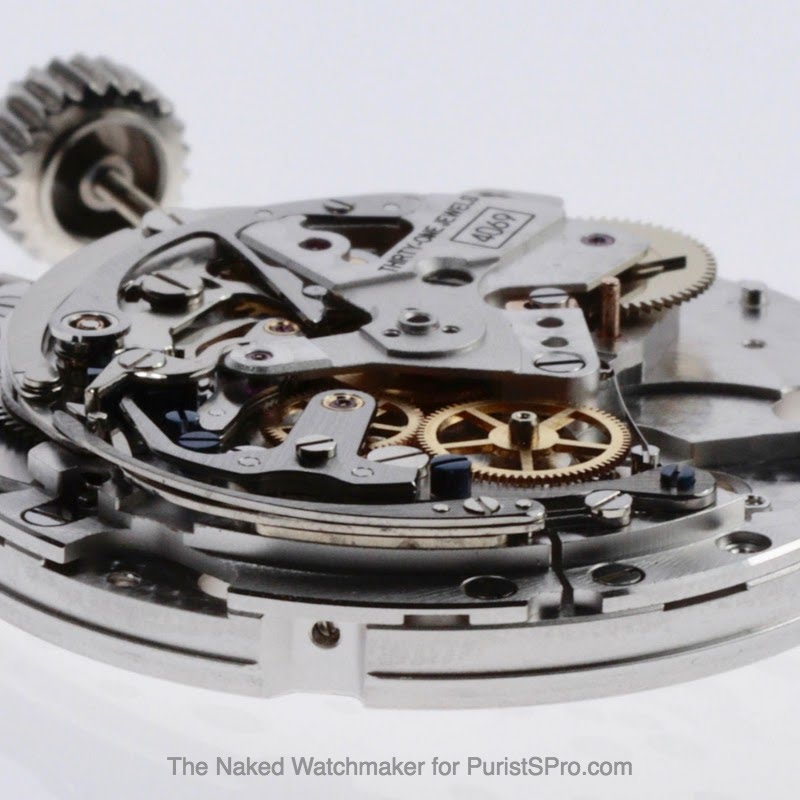
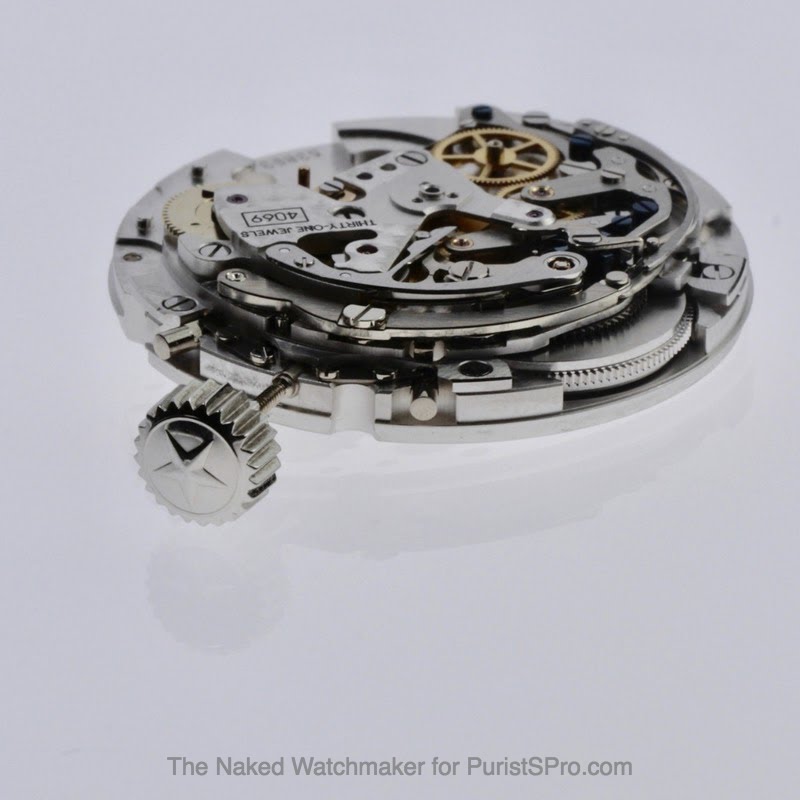
Peter Speake-Marin of course digs deeper, and complete diassembles the movement into its single parts. In the following I would just show a selection of representative parts. Let's start with some side views of the famous calibre:
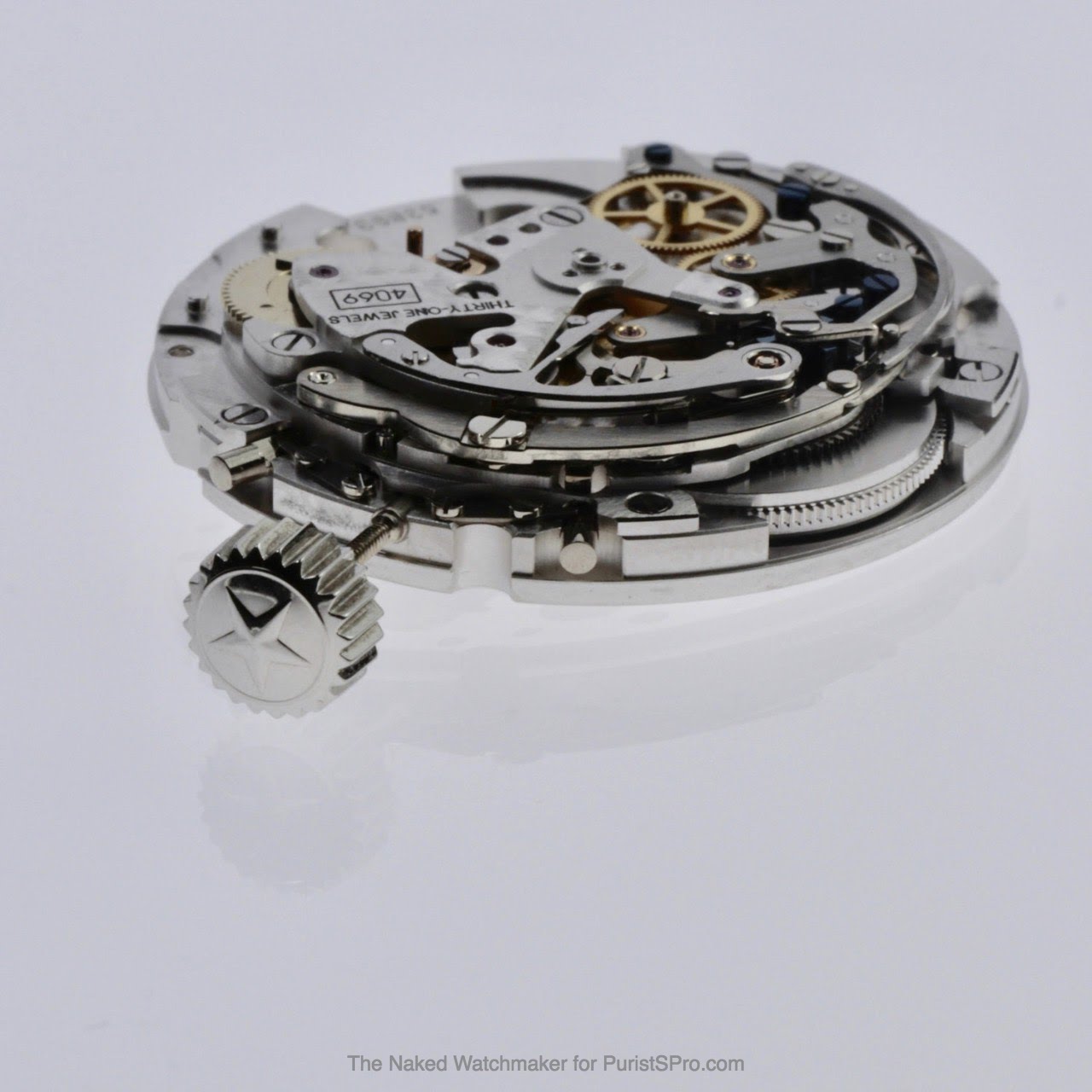
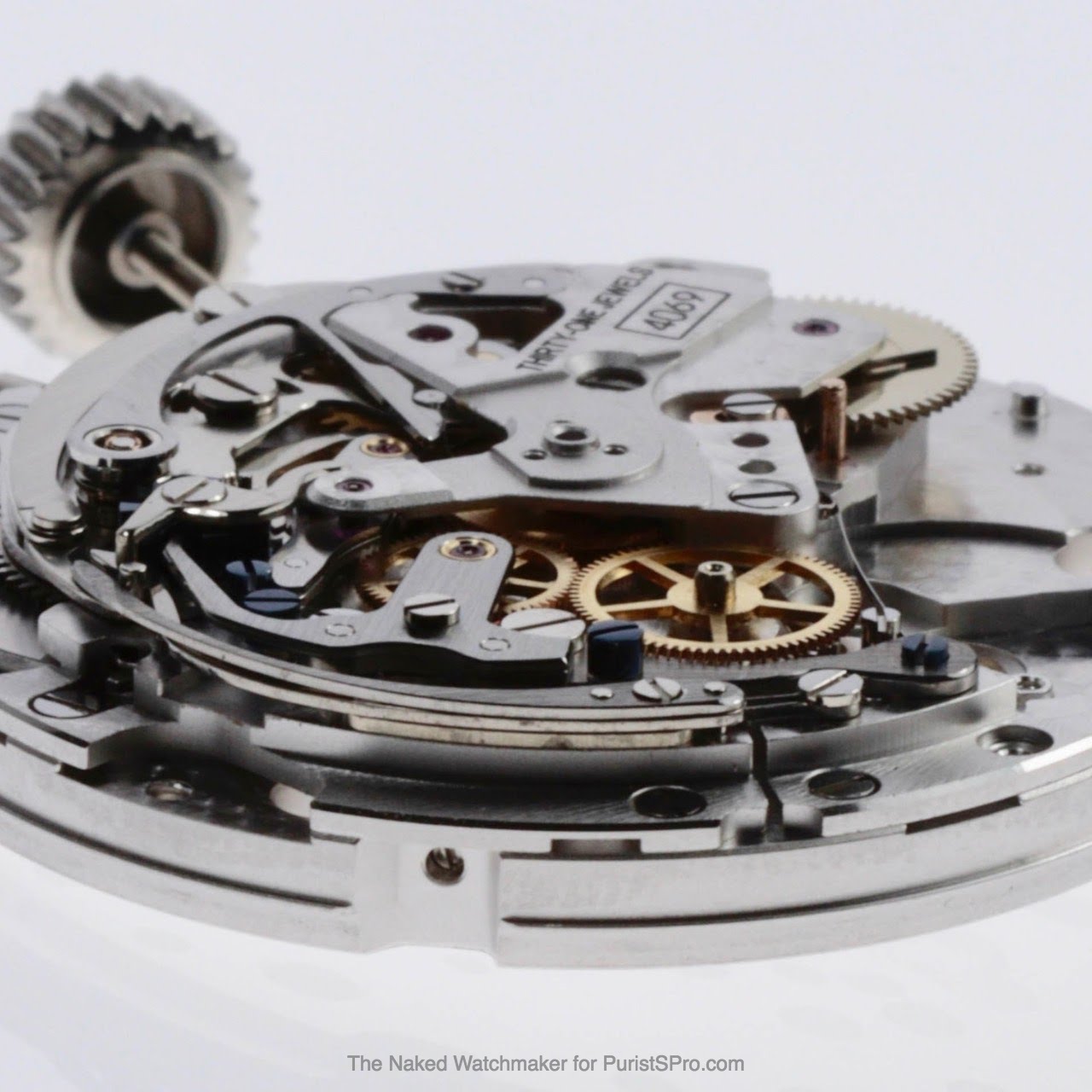
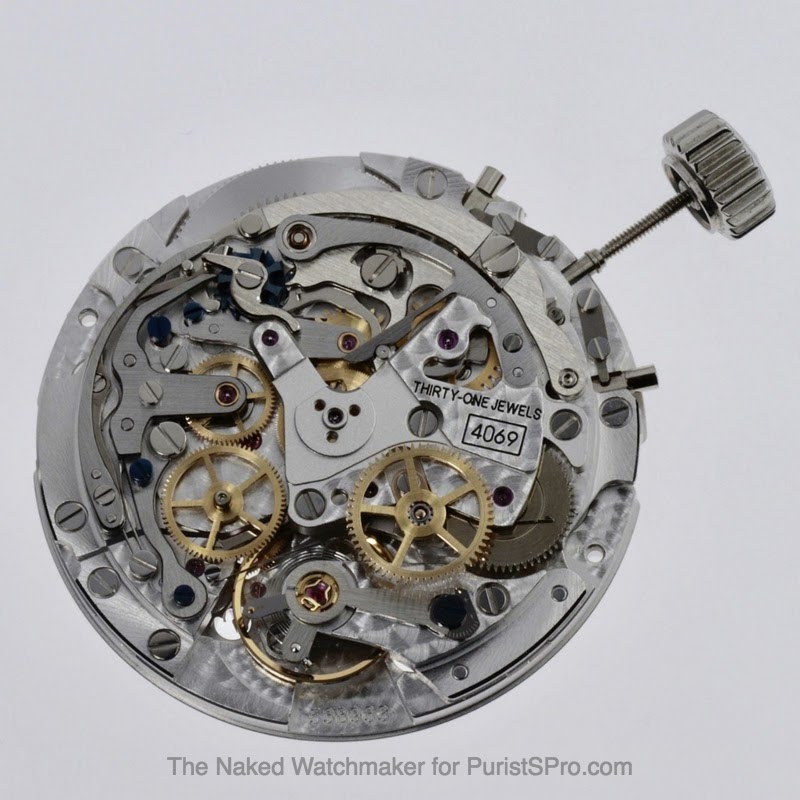
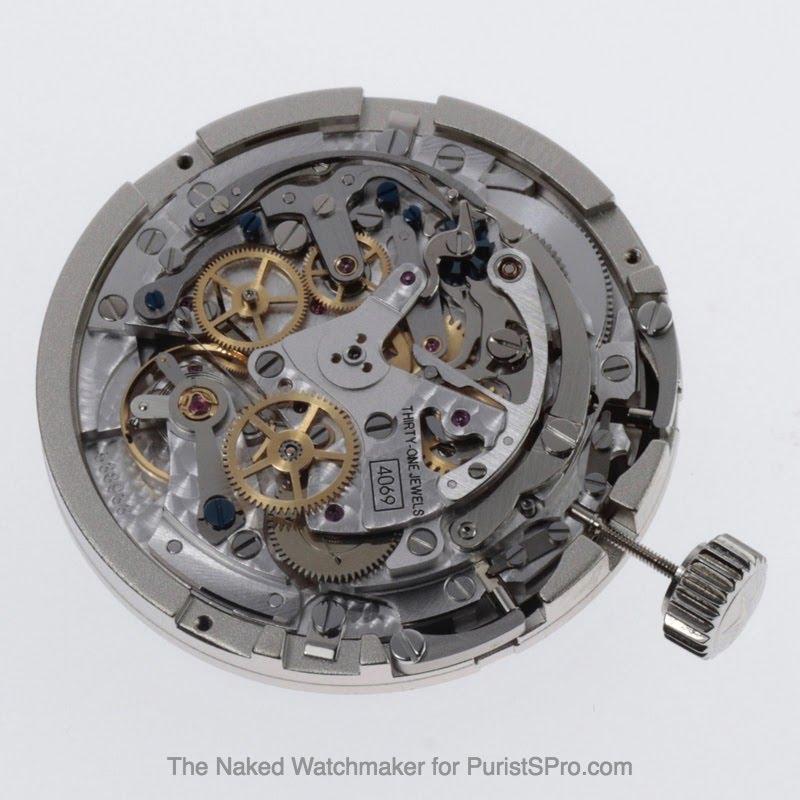
Once the automatic widing brudge is removed, the entire chronograph mechanism can be appreciated:
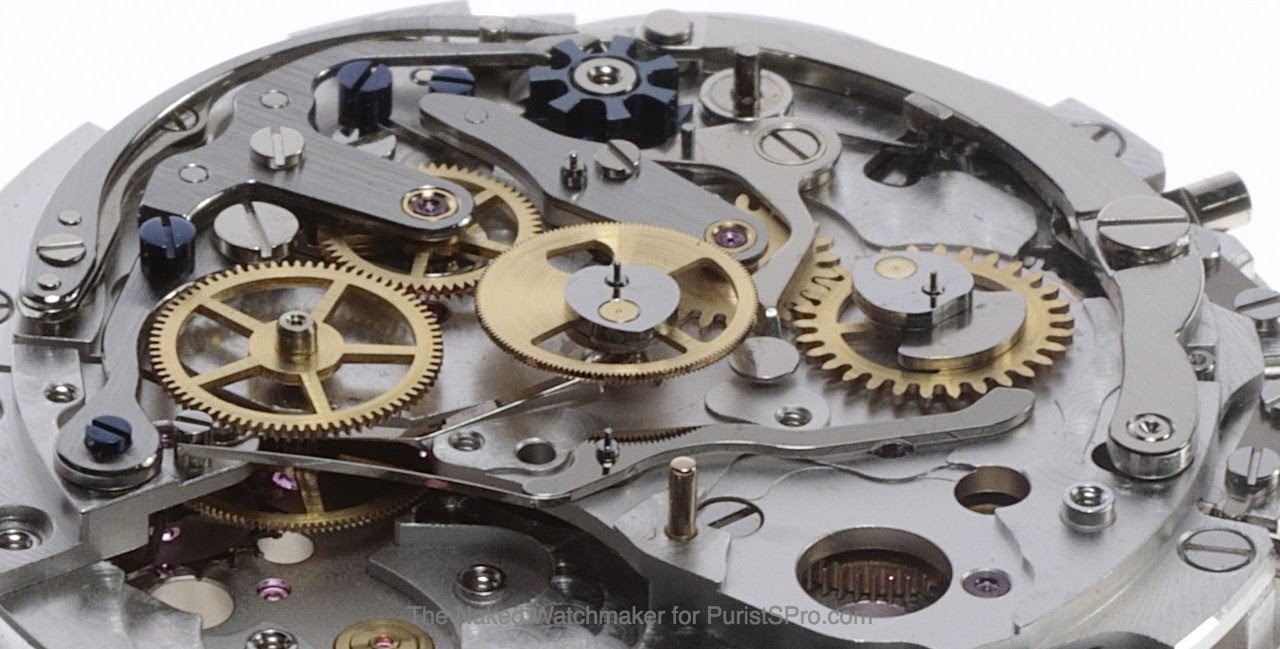
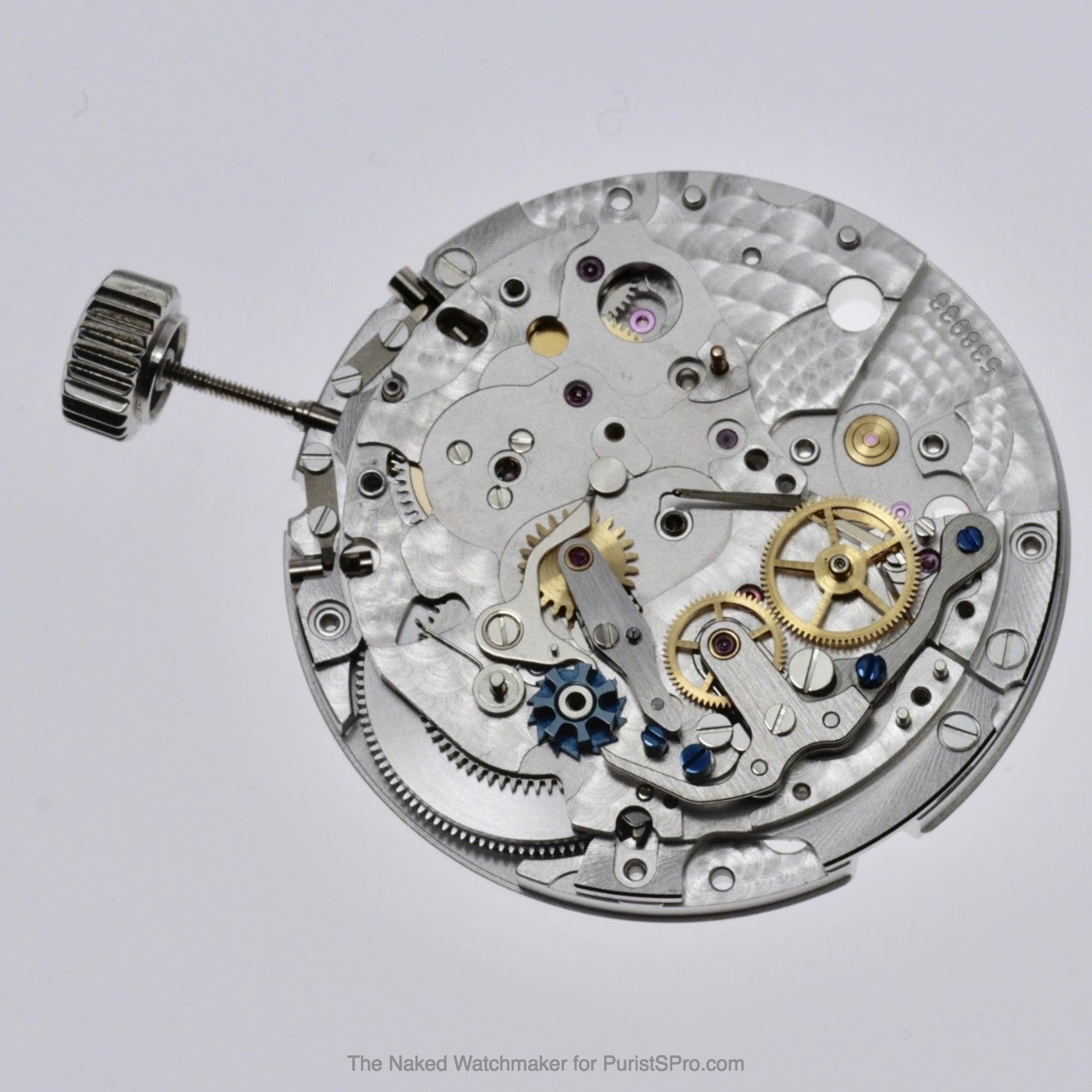
Just the chronograph minute and hours counter mechanism is left, together with the intermediate minute wheel recorder:
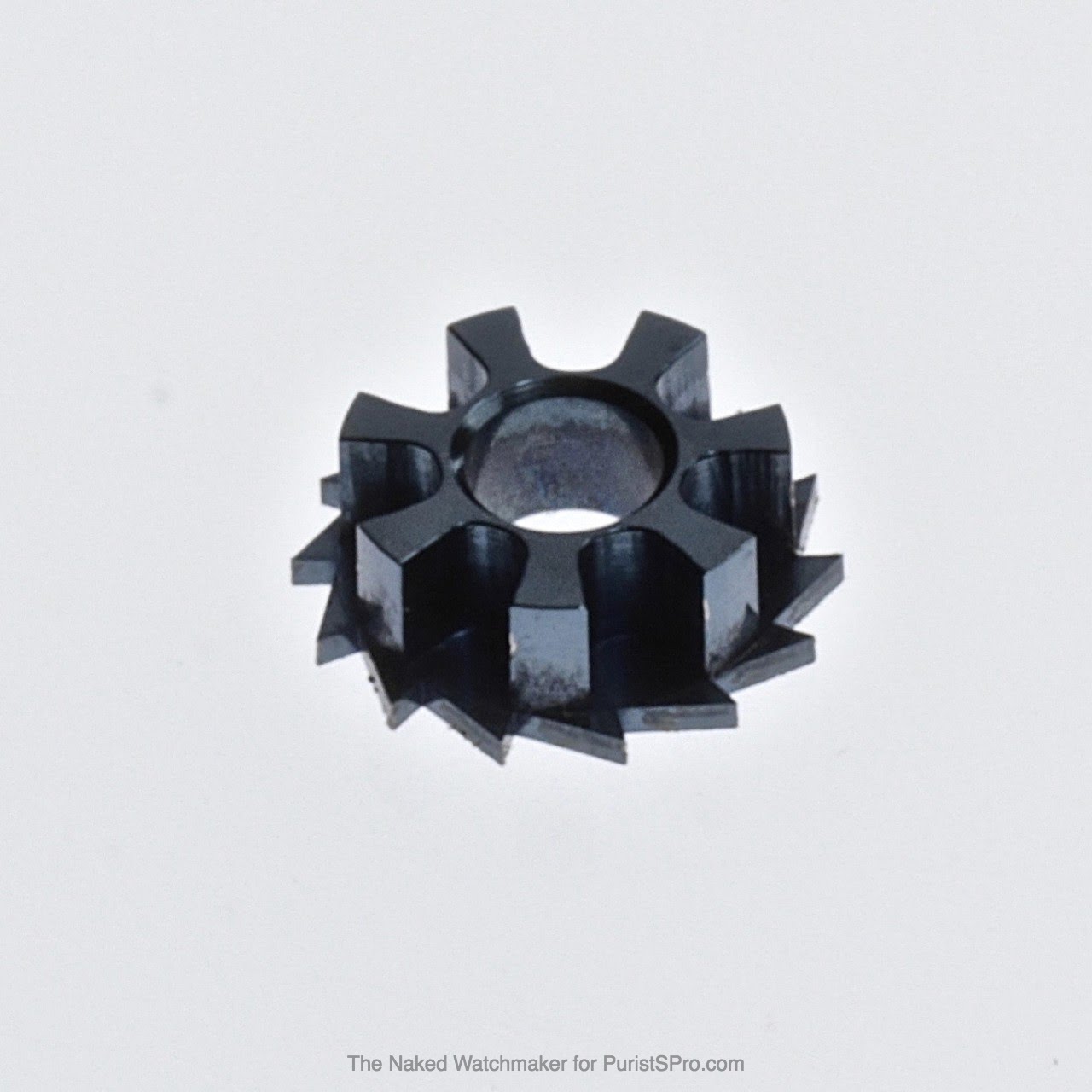
A couple of core components: the column wheel (of course):
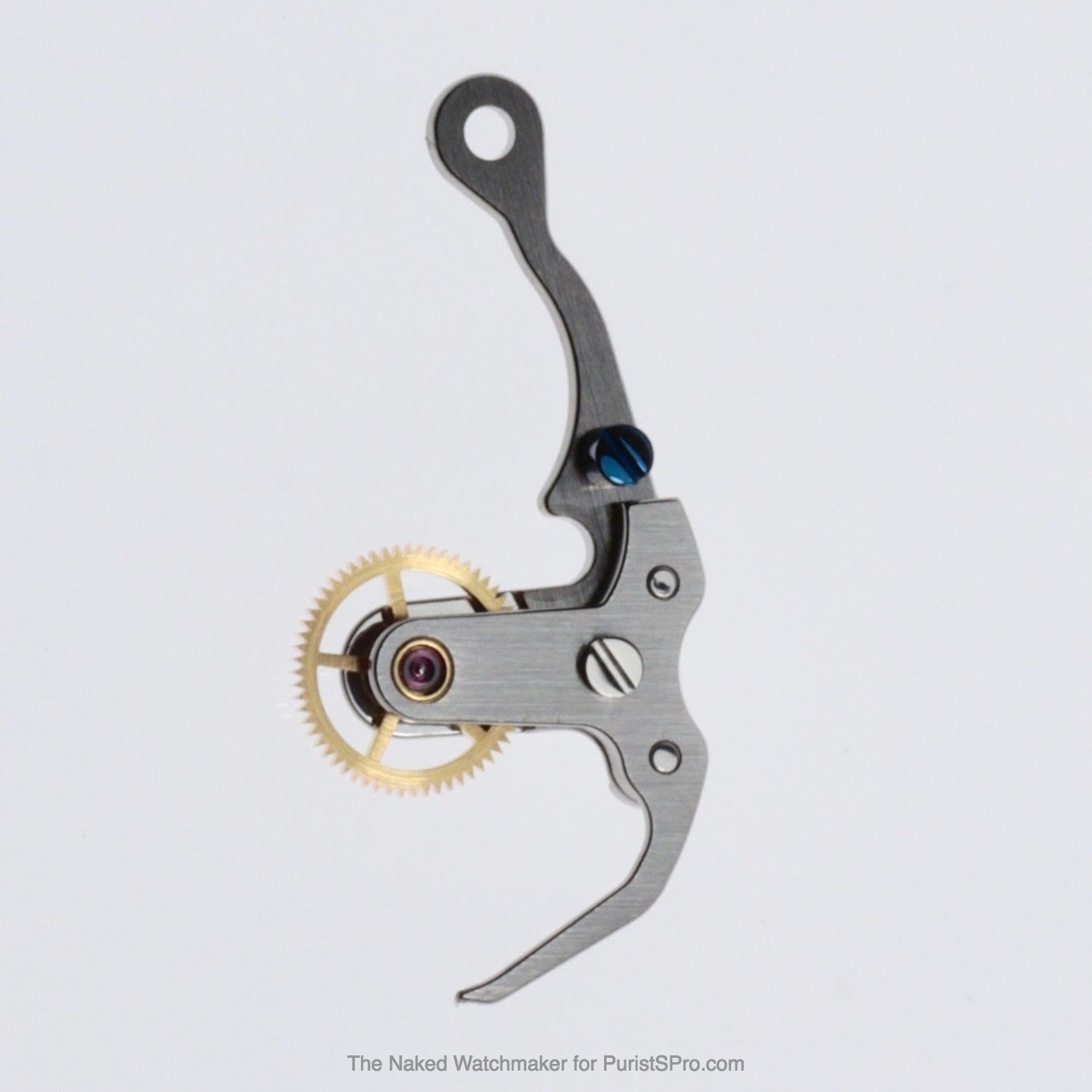
The horizontal clutch, with the coupling wheel being pivoted in jewels on
both sides. The top part with the hole holds and pivots the clutch, the bottom lever interacts with the column wheel and thereby switches the chronograph on and off (power flow secured or interrupted):
The chronograph minute and hour wheels with their repsective heart cam...
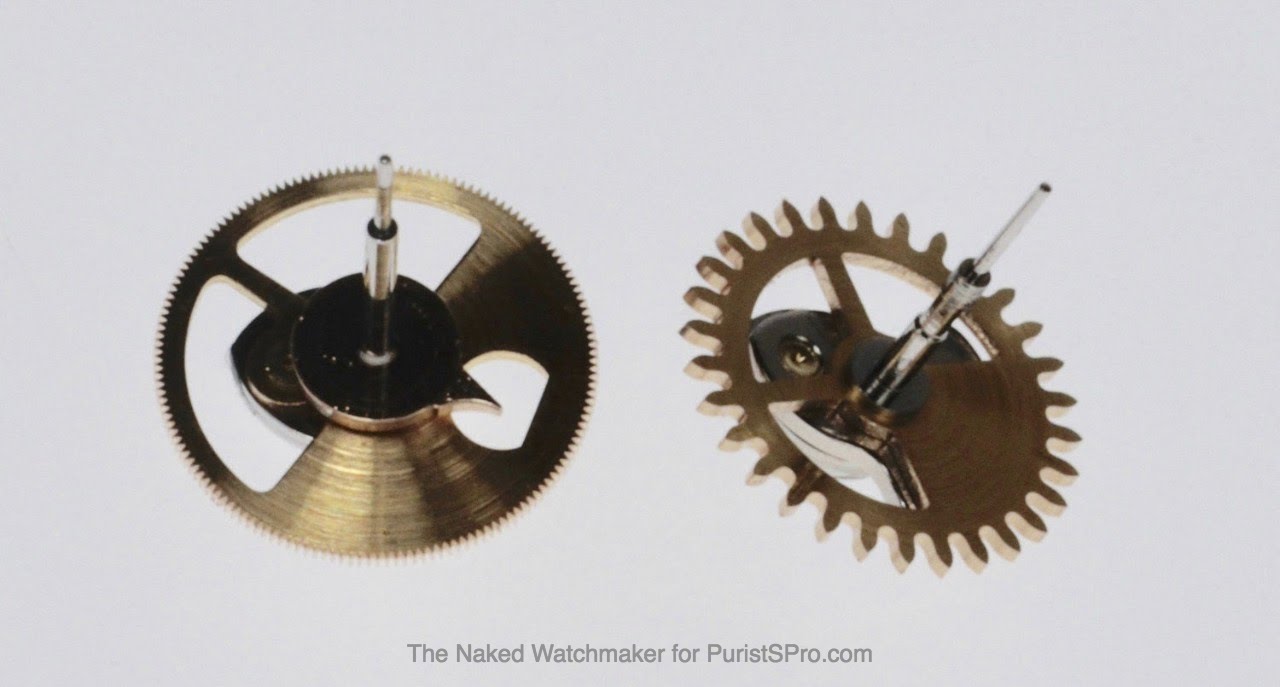
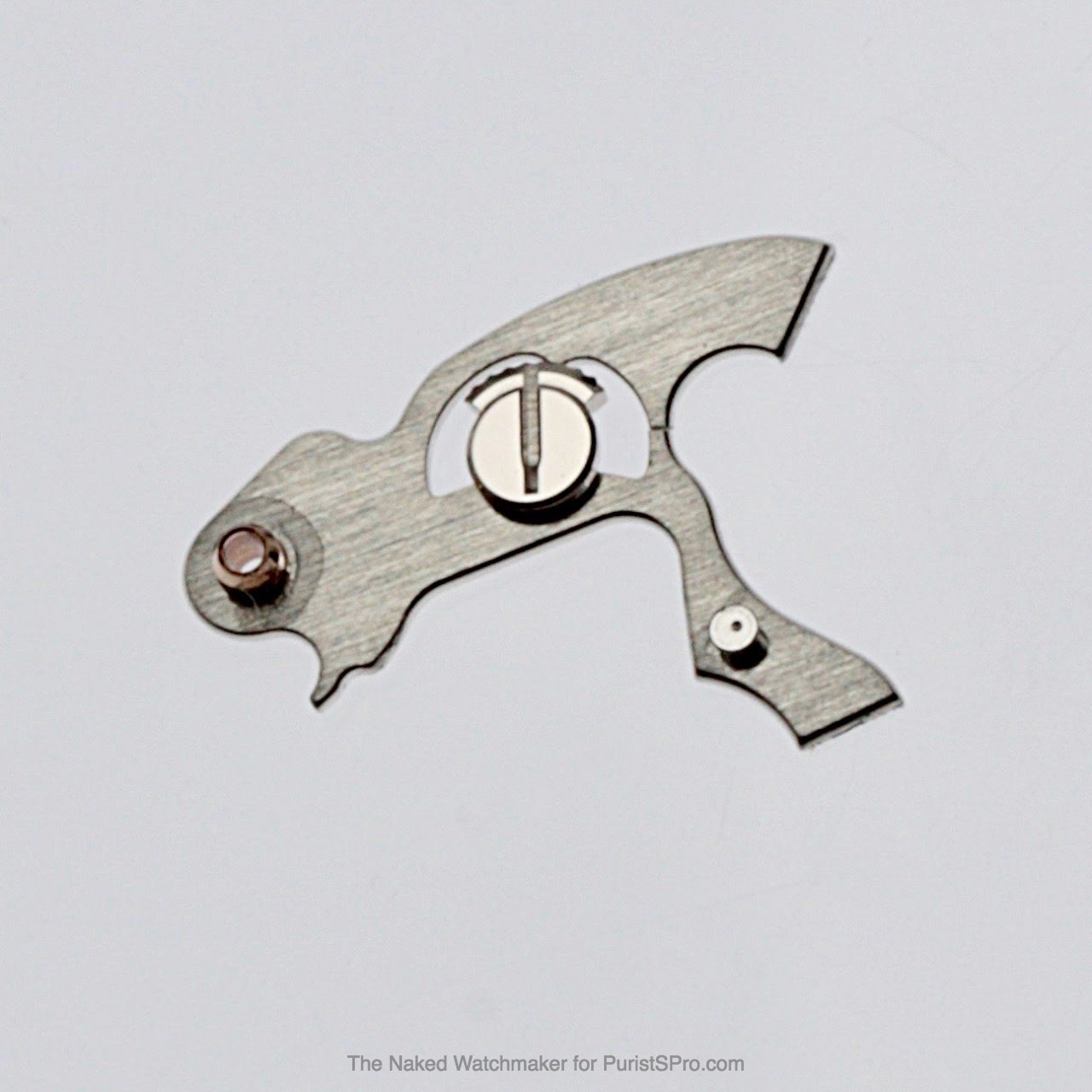
... which serve the resetting operation through the return-to-zero hammer:
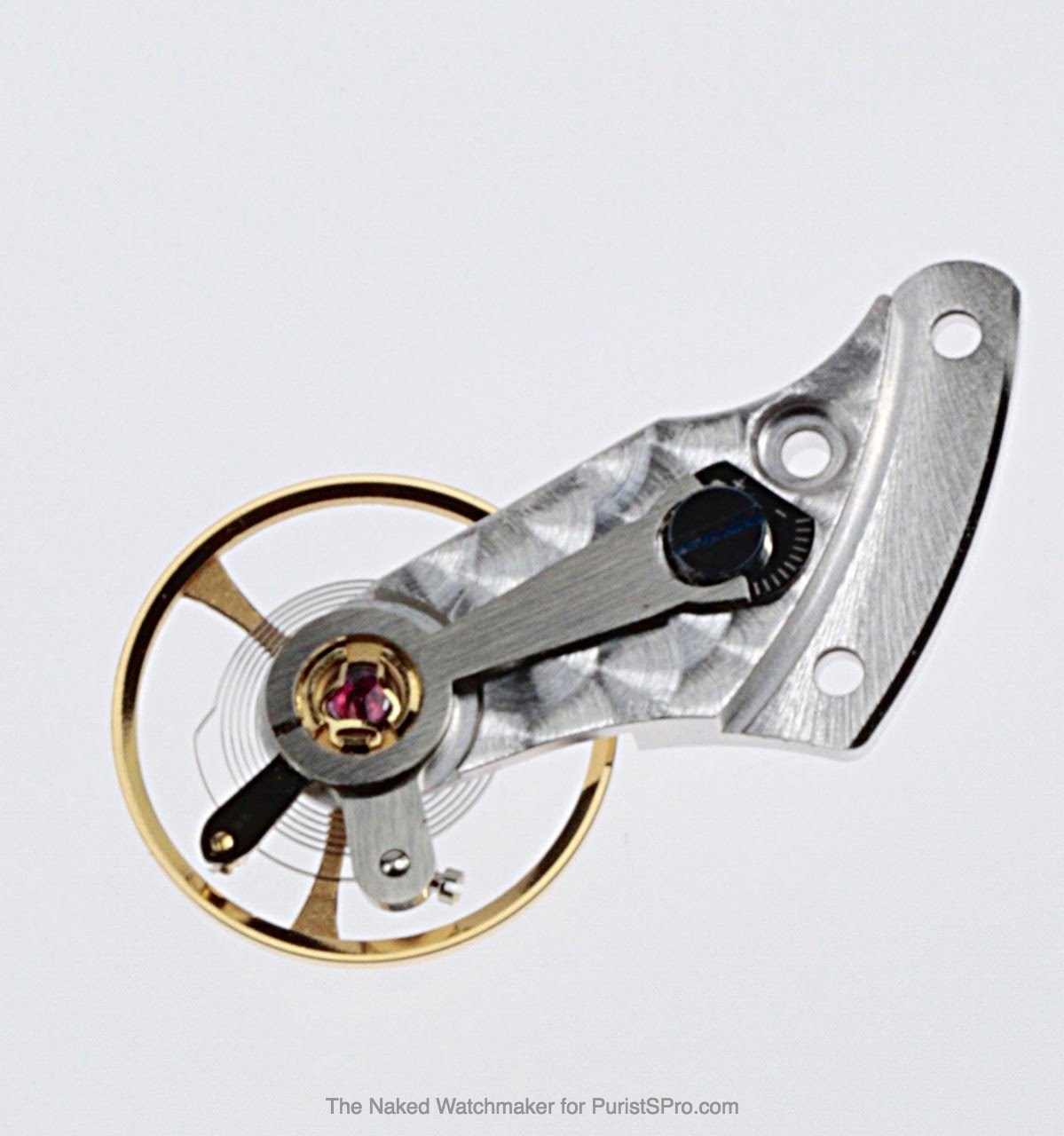
In the following, I will focus on the going train. Peter has already removed the escapement, with the balance and balance cock...
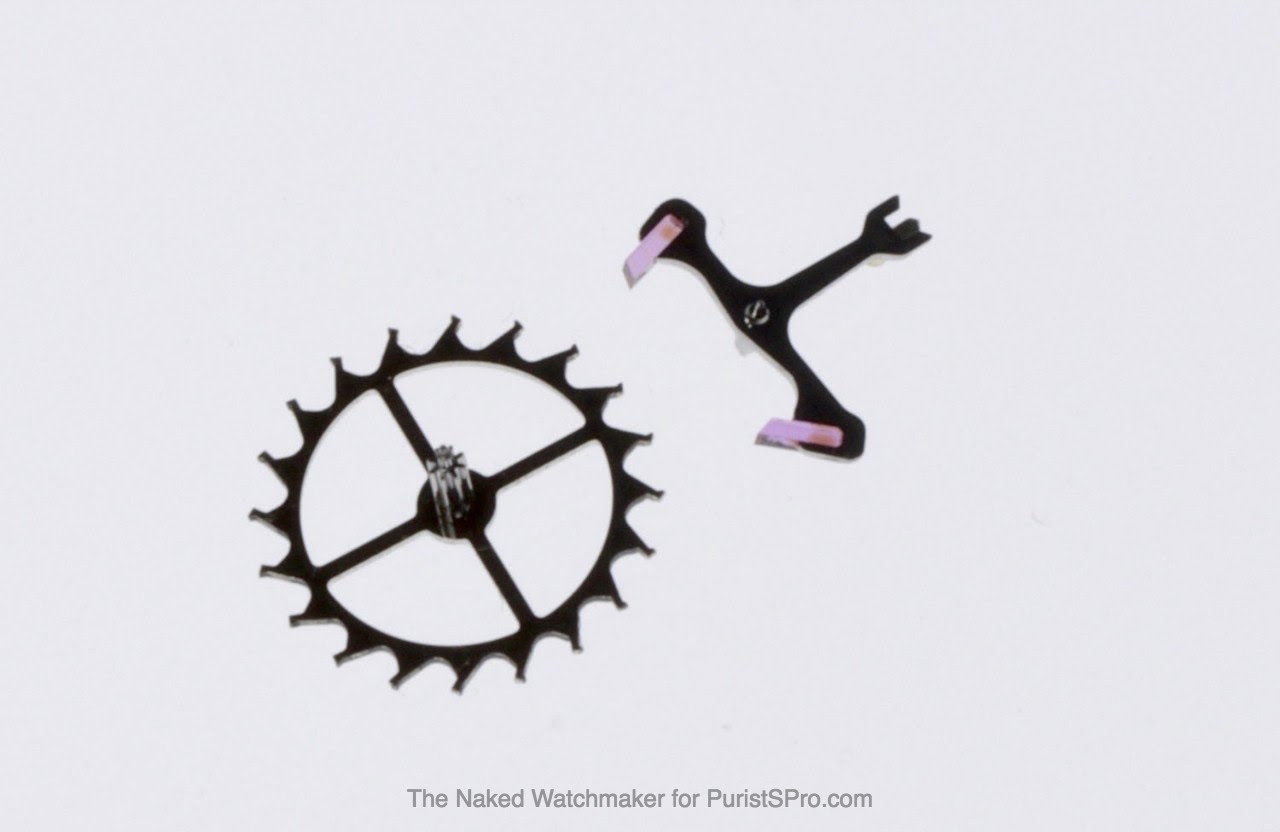
... as well as escepement wheel and pallet (note, in countrast to our PPro-15 watch, the regular version does
not have silicon escapement parts):
What is left is only the wheels of the going train as well as those of the automatic winding system (bottom).
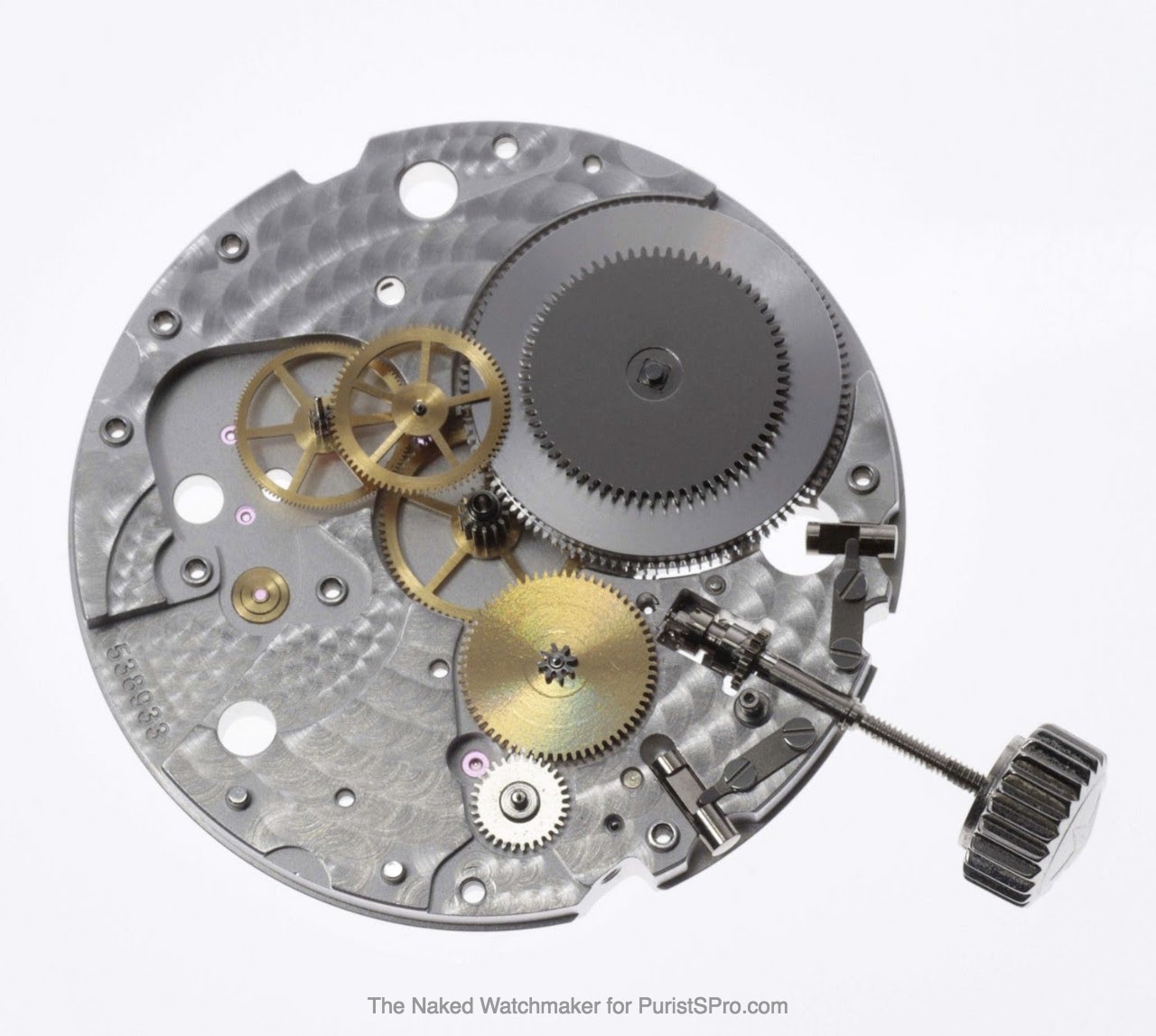
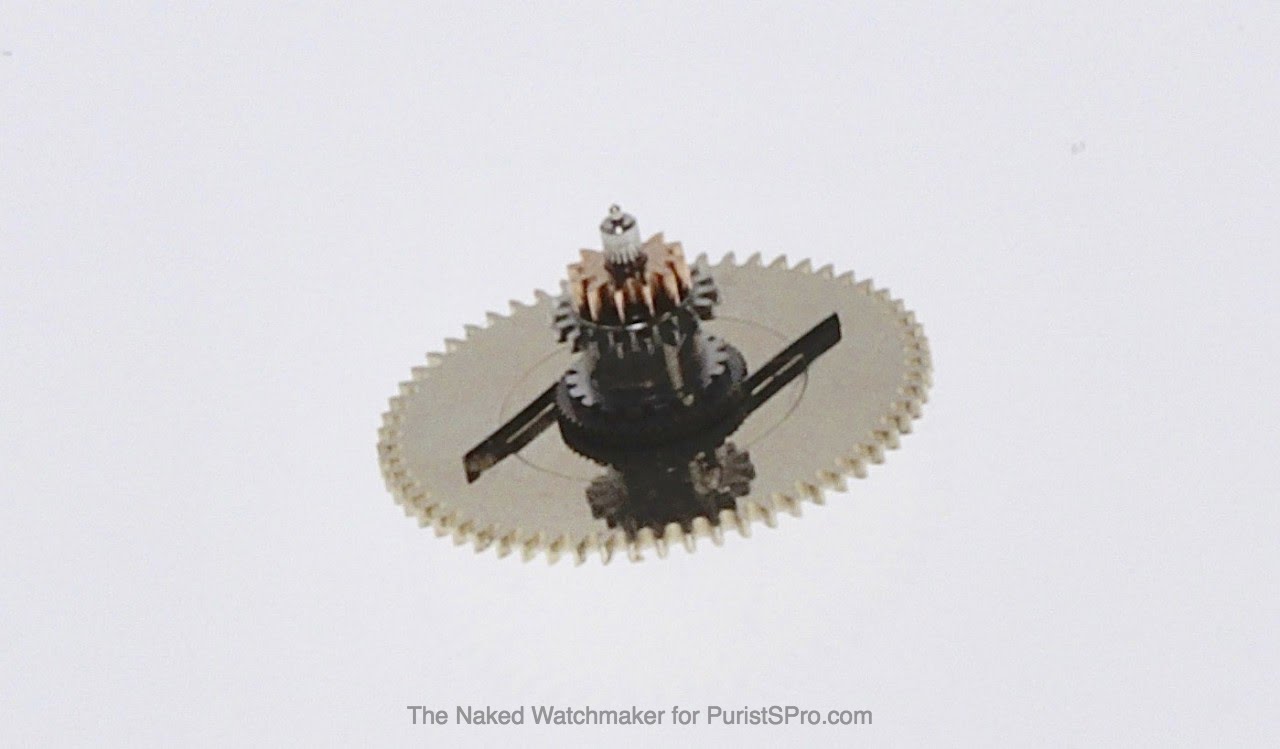
The reverser wheel of the latter is a complicated assembly in itself and has some interesting visible (first) and hidden (second) parts:

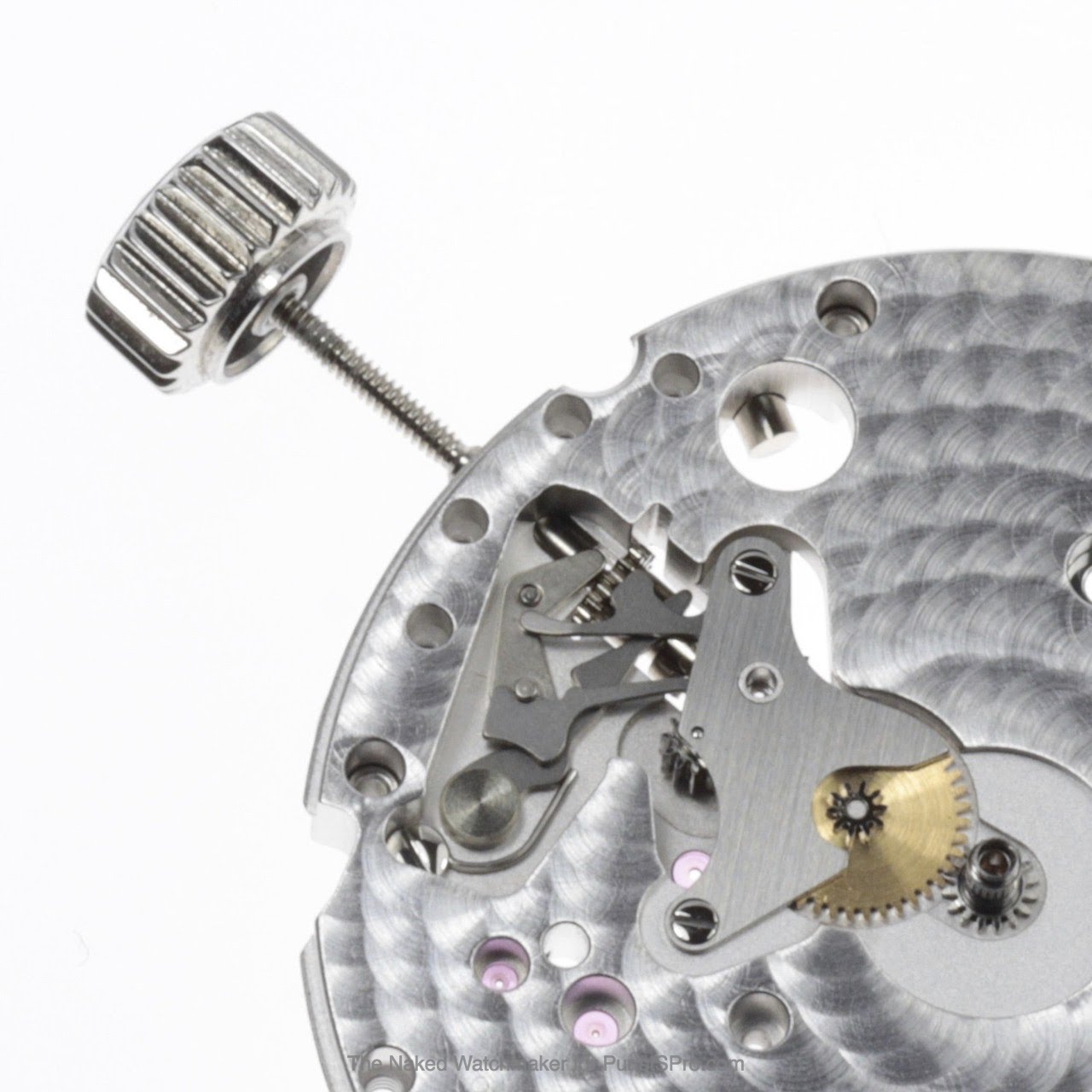
Once (almost) all parts ar e removed, the base plate can be admired. It is surprisingly nicely decorated with perlage given the fact the - in the version Peter dissected - the case back was solidly closed:
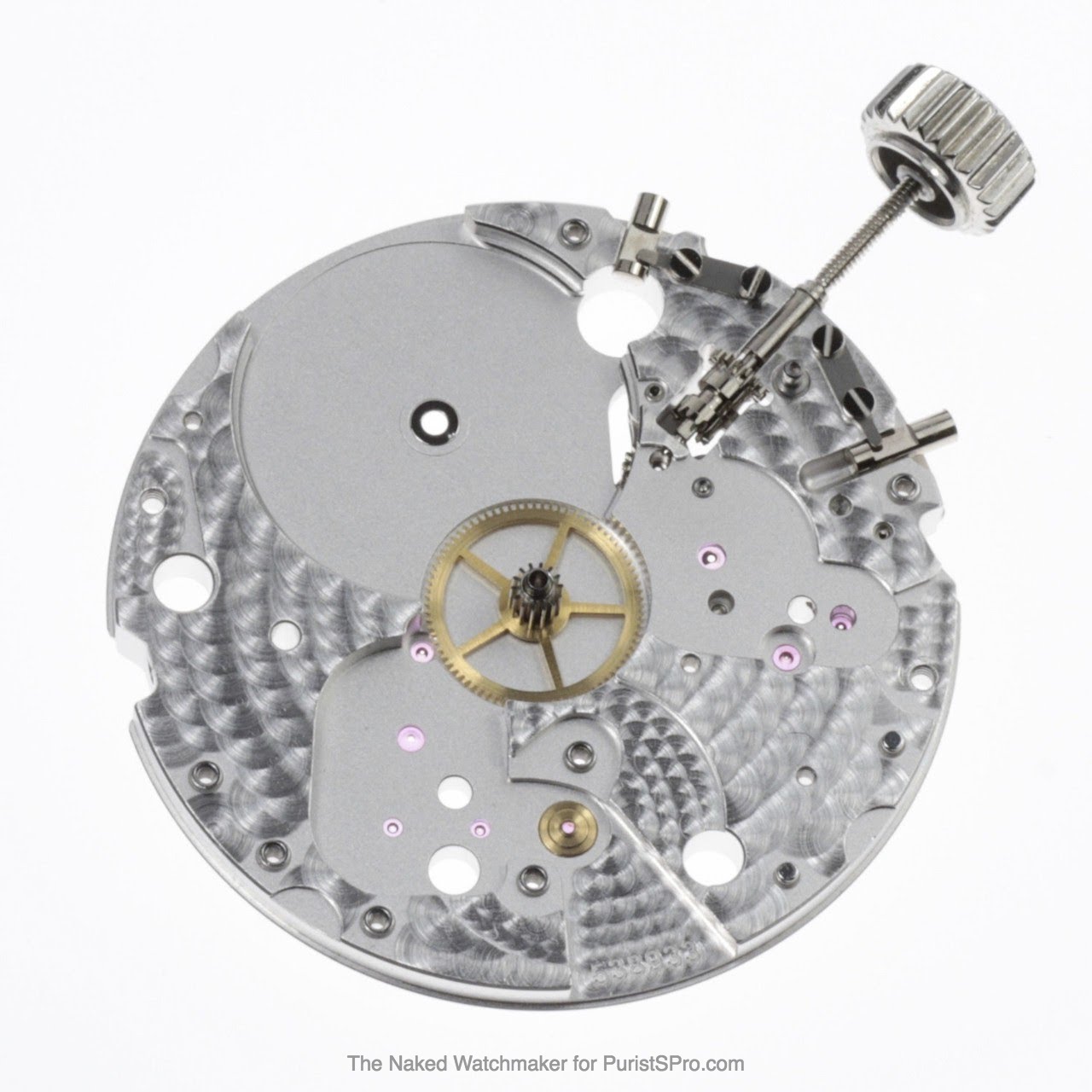
Dial side:
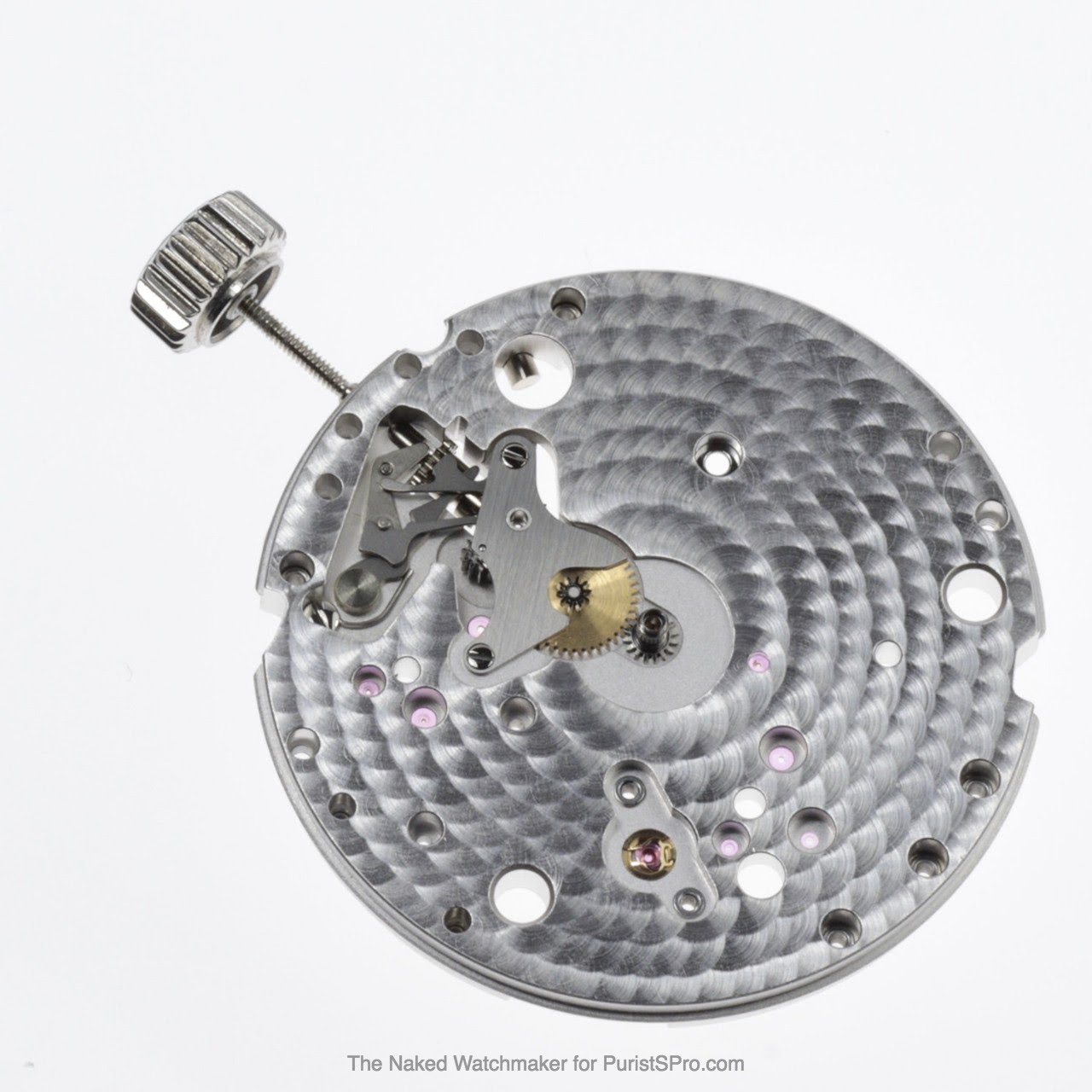
Close-up: keyless works:
I hope you found this microscopic journey as interesting as I did. I can only encourage you to take an even more intensive and extensive look at this deconstruction (and many others) over at Peter's site
The Naked Watchmaker (
here ).
It is deeply facinating, entertaining and informative. The more we know and the deeper we go in our appreciation, the more intense we persue this hobby, the better informed decisions we make.
I can only thank Peter and his team for setting up this immensly important resource!
Best,
Magnus