
Complications
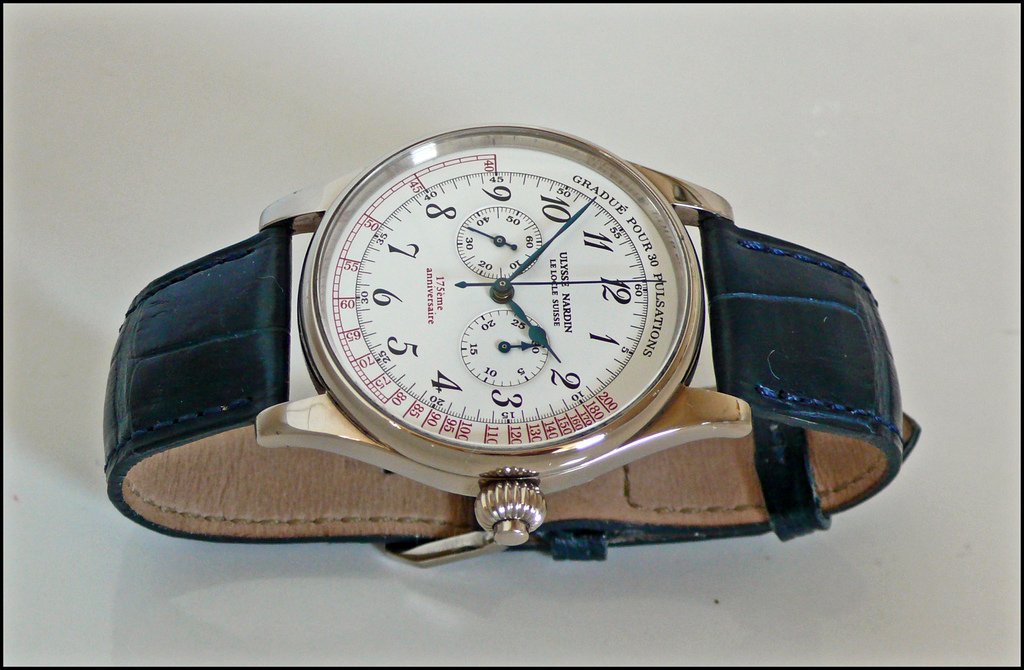
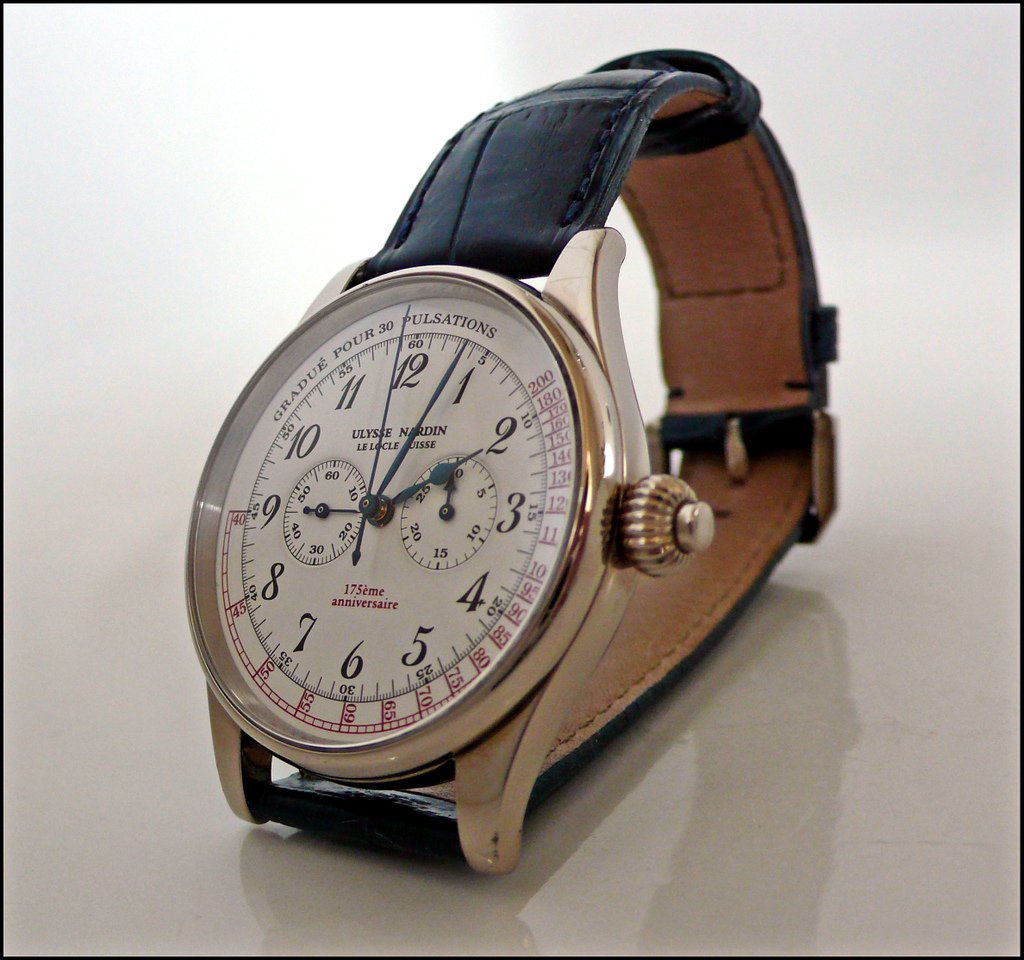
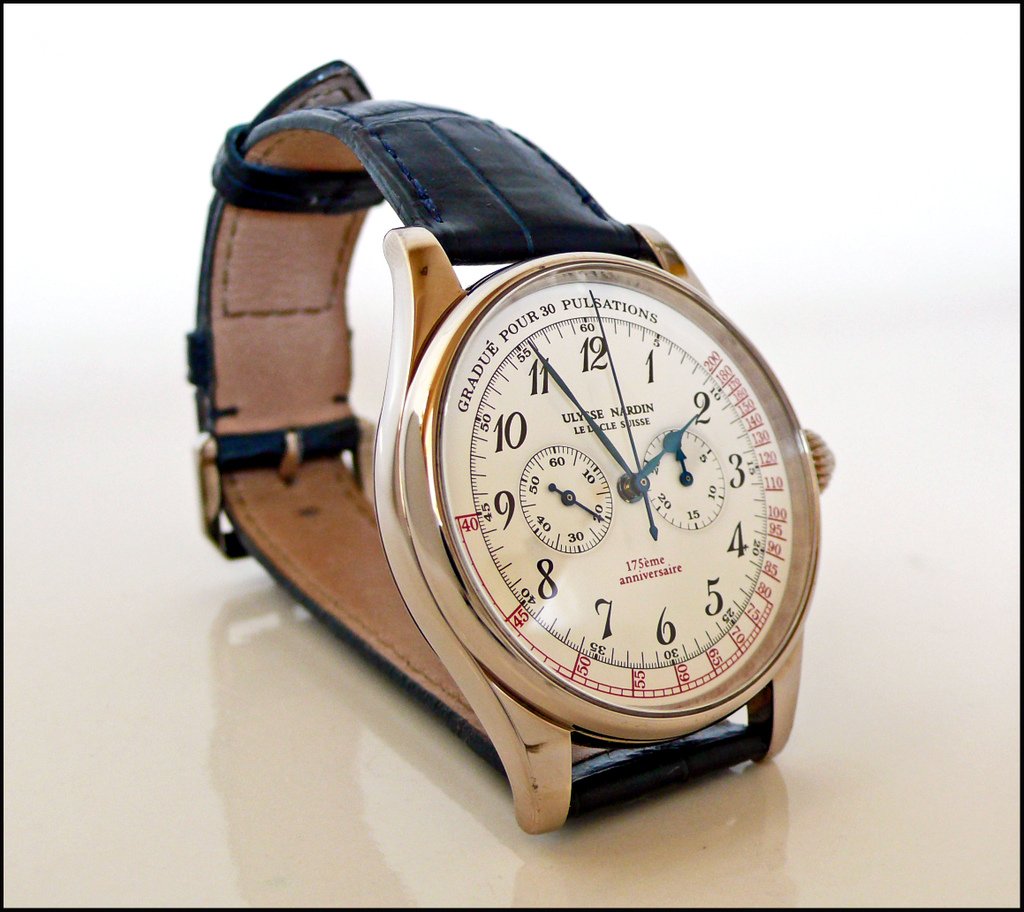
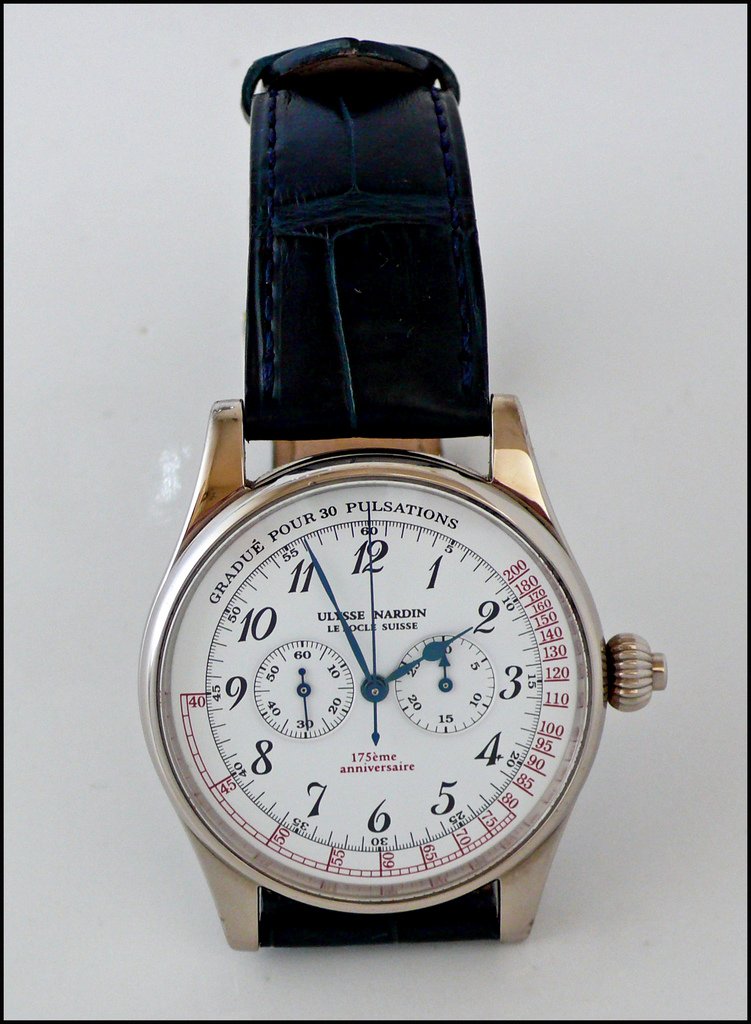
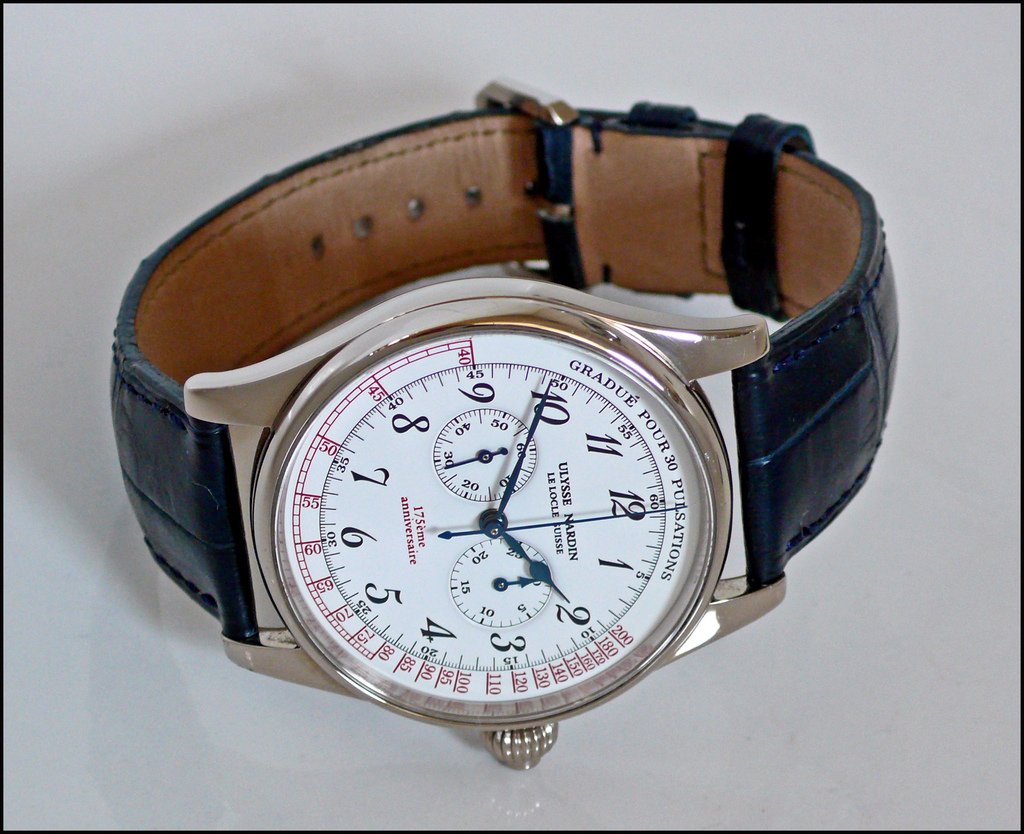
Amanico introduces the Ulysse Nardin 175th Anniversary Monopusher Chronograph, a significant piece celebrating the brand's heritage. This post not only showcases the watch with detailed photographs but also prompts a discussion on the rarity and appeal of monopusher chronographs from various brands. Amanico highlights the movement's unique rework by F.P. Journe, inviting collectors to share their knowledge and appreciation for this specialized complication.


PP with the 5959, and JLC with the Duo Metre... But I was thinking about coaxial monopusher... Best. Nicolas
Both Lemania from shortly after WW2. white dial for UK Fleet Air Arm Black dial for RAF Both have now gone the way of all my military pieces i'm afraid. there was 1 other 1 button model with a slightly different case for the Swedish Army. Also an Omega dialled model which in essence was identical inside. Here's another one from way back when. dialled as an 'Invar'. no idea what movement it had or even its true age. i dont think its as old as it looks, but it did very well under the hammer. also
... which shares the same movement. I wanted to mention the MIH watch, but Graham already put it on the list. However, we should not overlook that the latter is a rather simple conversion from the traditional two-pusher-layout, whereas a design where the pusher is co-axial with the winding crown is a bit more complicated - and looks better, IMHO. Best regards, Marcus
Marcus/Nicholas. i came across a Bulova from way back on the bay last night but no pic. none of the ones i've mentioned are co-axial which is a bit of a special feat IMO. if Nicholas had mentioned 'built into the crown' we would have all been stumped as i dont even know the ones he's mentioned except the UN. have you noticed, that all the ones i found are vintage pieces, have they stopped making them now or lost the technique except in the high end? just an observation Graham
.... you should not forget that chronographs were built as a tool, and not as a luxury accessory. And the monopusher technology was not very practical, because it does not permit the added measuring of time intervals. The twin pusher technology was a progress, compared with the monopusher, and was therefore welcomed by those who needed chronographs. Today, the monopusher is only interesting because of its rarity, and the elegance of the case, that offered a chronograph function, but without any
as, in contrast to column wheel operated chronographs, for the conversion the cam of the 7750 had to 'learn' an additional function, which has been 'programmed' by Paul Gerber with additional nudges of a rather complex shape: Best, Magnus
This thread is active on the Ulysse Nardin forum with 26 replies. Share your knowledge with fellow collectors.
Join the Discussion →


