Reference Guide
Miranda initiates a deep dive into Patek Philippe's chronograph history, focusing on early models without additional complications. This comprehensive overview highlights Patek Philippe's significant, yet often overlooked, contributions to chronograph development, tracing its evolution from the first split-seconds patent in 1902 to iconic references like the 130.


One of the most popular complications in horology is the chronograph, and Patek Philippe chronographs are some of the most sought after in the collector’s world. Every year records are broken at auction, and the lust for them is insatiable.
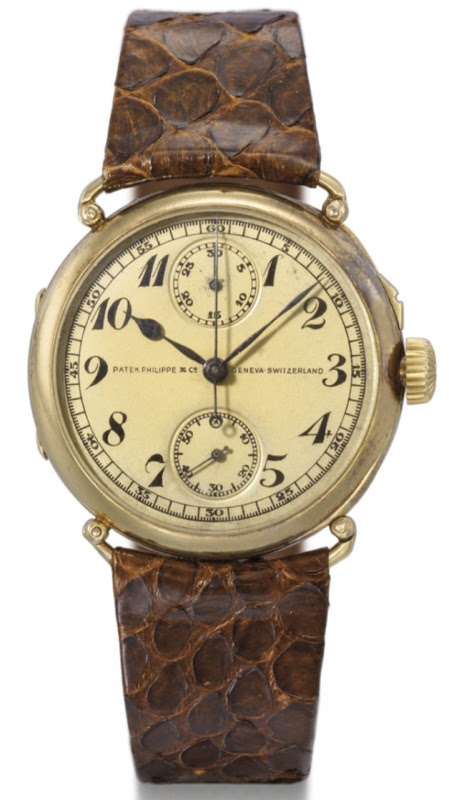
Whilst Patek Philippe is famed for its calendar complications, minute repeaters and tourbillons its contribution to the development of the chronograph is often overlooked. Patek Philippe has been producing exceptional wrist chronographs since the dawn of the wristwatch. In 1902 Patek Philippe applied for the first ever patent for a split second’s chronograph.
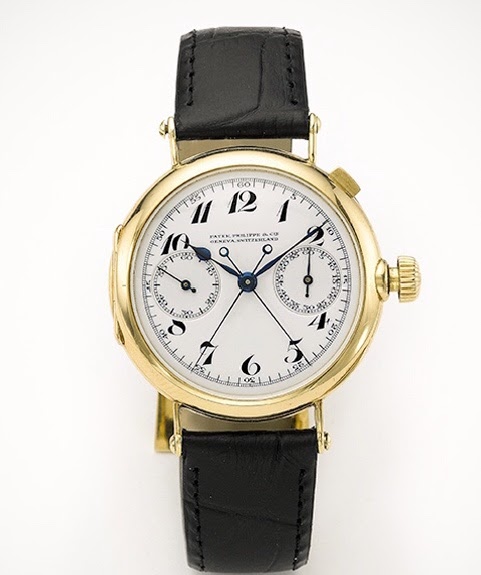


The Patek Philippe Reference 5950 is a monopusher split-seconds chronograph, a highly complex complication that showcases Patek Philippe's traditional watchmaking expertise. This reference is notable for its cushion-shaped case, drawing inspiration from early 20th-century Patek Philippe chronographs, and its integration of a sophisticated manual-winding movement. It represents a contemporary interpretation of historical designs, appealing to collectors who value both technical prowess and vintage aesthetics. The 5950 stands out in the Patek Philippe collection for its unique combination of a rare complication and a distinctive case form.
The watch features a 37mm cushion-shaped case, crafted from platinum, providing a substantial feel on the wrist. It houses the manual-winding caliber CHR 27-525 PS, a movement known for its slim profile and intricate construction, including a column-wheel mechanism. This caliber offers a power reserve of approximately 48 to 52 hours. The dial is protected by a sapphire crystal, allowing for a clear view of the intricate details. The caseback is also sapphire, revealing the meticulously finished movement.
For collectors, the Reference 5950 holds significance due to its limited production and the complexity of its monopusher split-seconds chronograph function. It appeals to those seeking a high-complication timepiece with a strong historical design lineage. The platinum case and the specific movement further enhance its desirability, positioning it as a notable piece within Patek Philippe's grand complications. Its design echoes earlier Patek Philippe chronographs, making it a bridge between historical and contemporary horology.
an ultra thin movement in a 33.2mm case - Patek at its best!
On this subject, I have always wondered why Patek put polished caps on their column wheel? Is it simply for protection? And if so, why don't the other manufacturers see the need to do it?
Size of chronographs has changed considerably. Some pure jewels in this post from bygone eras. Cheers D
I think I like the pure Chrono most. The Patek Philippe heritage is fabulous
Tried one on in Geneva. It was amazing - compact and had wrist presence
I thought the article was on Patek chronographs (without complications) and not just vintage Patek chronographs but as usual, I may be wrong
This thread is active on the Patek Philippe forum with 22 replies. Share your knowledge with fellow collectors.
Join the Discussion →


