
ImranLondon
[PuristSPro Moderator]
6315

The Zenith Daytona "Black Panther": Collecting the Zenith Daytona
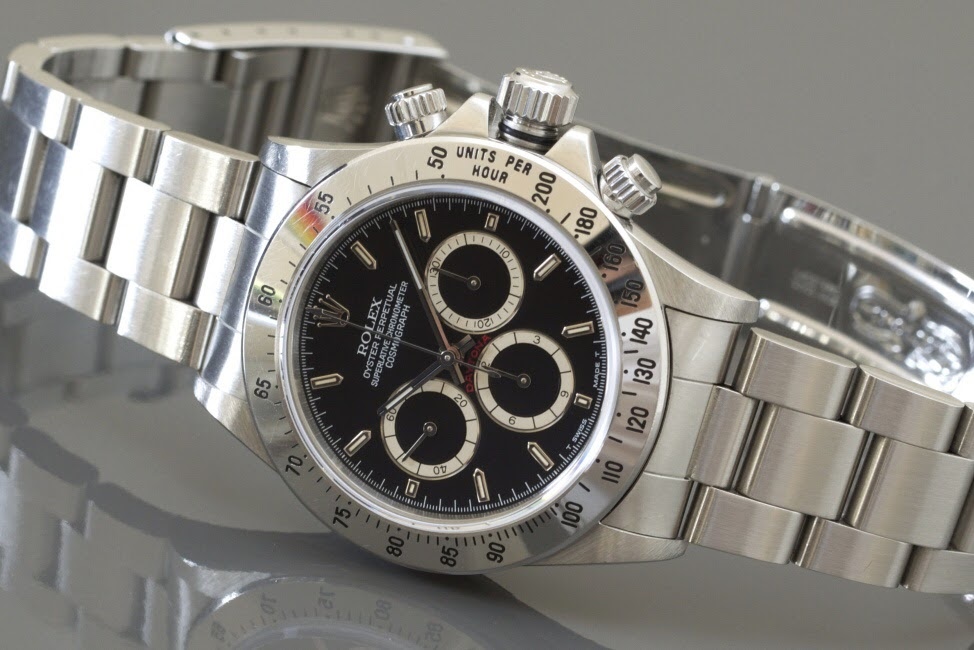
The rise of the Zenith Daytona has been a long time coming. It is after all the watch that’s been largely responsible for the rise in stock of vintage Rolex. Overshadowed by the four-digit references, it is finally coming into its own. Maybe even readying to take the crown as the Daytona of the connoisseur. Amongst the many variations and references, there are certain pieces, the rarest and dare I say the most beautiful of all. The future Kings. One such piece is a rarity made for less than a month or maybe two. I call it the “Black Panther”- it’s rare, beautiful and black.
Before I get started on the Black Panther, let us examine the various iterations of the “Zenith Daytona”. The R series, also known as “Floating Cosmograph” feature the vintage style 50-unit bezel from the 4 digits series and the Cosmograph a step below the Superlative Chronometer Officially Certified wording, hence the floating affect. Dials were either white or black. There were three different versions, with the early white version featuring a special lacquer that gave the print a 3D type effect. This style of lacquering was not unique to the Daytona, and there are Explore 2 and Datejust versions also. This dial is known as “Porcelain”. The white porcelain is by far the sought-after version and commands a significant premium. The steel is the most desirable then the gold and finally the bi-metal version. The regular “white dial” is also very desirable, but the black version is rarer. I would say the black is more collectible than the equivalent non-porcelain white. This style was available for the 1988-89 year and possibly you may find a very early L version. But I would stick to R series watches.
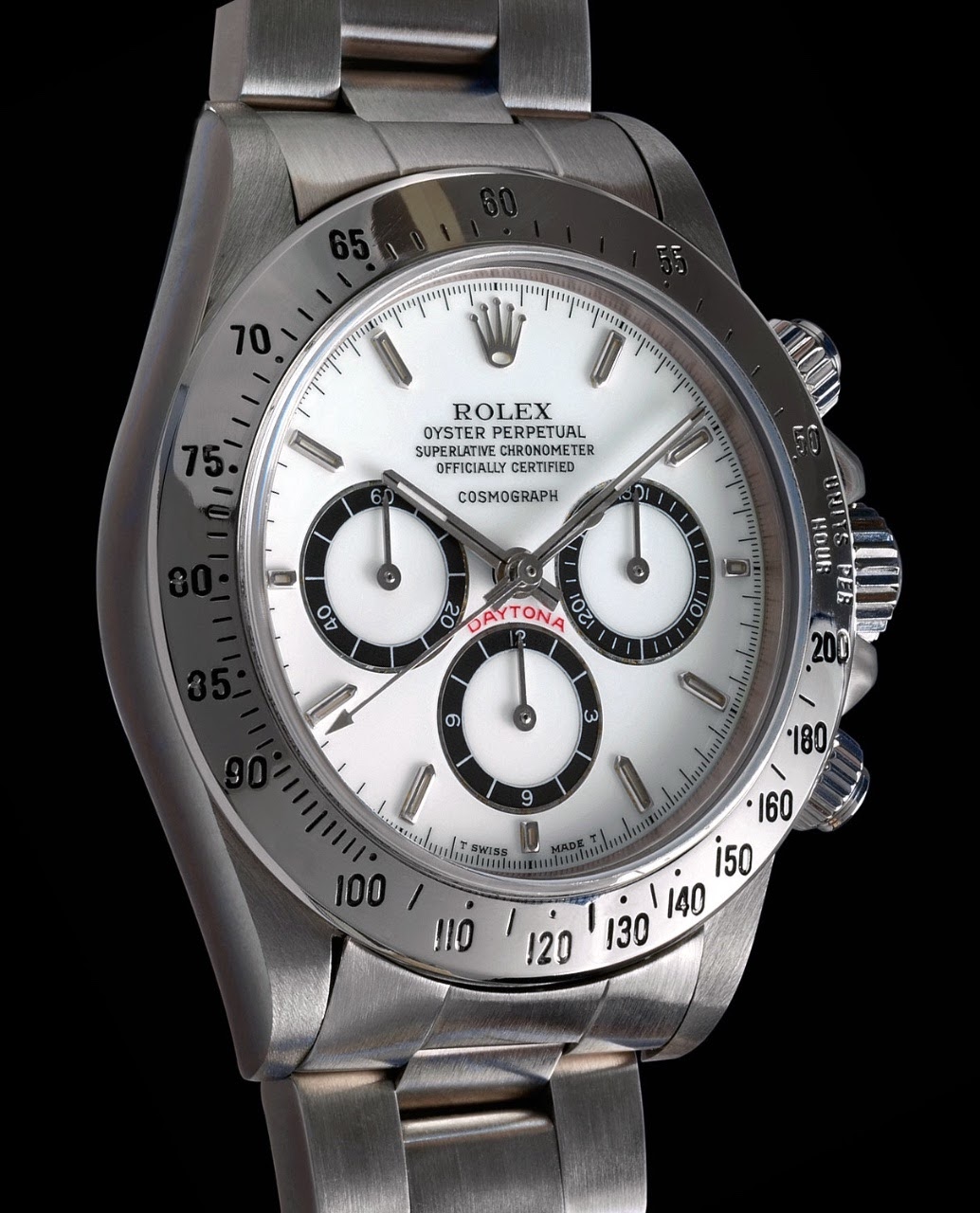
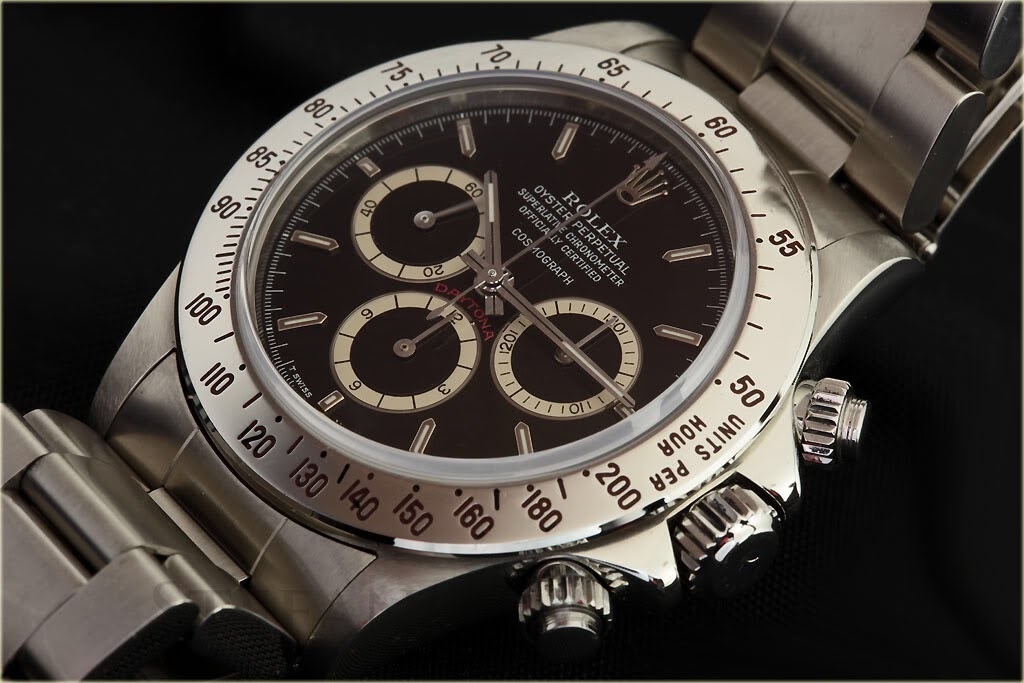
The L series is where it gets really interesting. Singer was still producing the dials, and in typical Singer tradition they experimented with some variations. The first L series watches continued the vintage aesthetic of the 50 units bezel. BUT the dial lost the “Officially Certified” and Cosmograph spacing was deleted. This in my opinion gave for a far more pleasing aesthetic, less definitely is more in this case. It was made in both white and black versions, with black being probably rarer, and is known as the four lines dial. The black version- the “Black Panther” we will examine in more detail later. Not content with the dial change, again in the first half of the L series we saw a bezel change. The new bezel called 225, changed its scale, now going up to 400. It is called 225 because it had a 225 units mark. In my opinion the loss of symmetry in the bezel was not as pleasing, but certainly not bad either. Again, in white and black, and again most probably rarer in black. Both versions of the four line are extremely desirable. The 50 units bezel and four lines dial in either white or black dials in steel, steel and gold or gold are by far the rarest version of any Zenith Daytona. The second half of the L series saw the new regular 400 units bezel that continued till the end of the production. The dials reverted to the “Officially Certified” designation, but the Cosmograph name no longer was floating like in the early L series.


The new 400 bezel and new dial configuration continued till the end, with one exception. The inverted 6, (so called because the 6 on the 12-hour register looked like 9) which started in the R series stopped in about 1993. The inverted 6 models do command a greater appreciation with collectors. It worth noting that the A and P series models switched from tritium to Luminova.
As for bracelets, the early steel models up to about N series, had matt finish, replaced by polished centre links, and finally with solid end links in the A/P series.

Colour change dials often referred to as “tropical” dials are also sought after. The most famous being the “Patrizzi” dial, after the famous Antiquorum auctioneer. These should be almost a burnt brown, but these days anything “creamy” is called Patrizzi. I have also seen very infrequently “Panna” white dials. From recollection and other articles, most Patrizzi dials are in the W series.


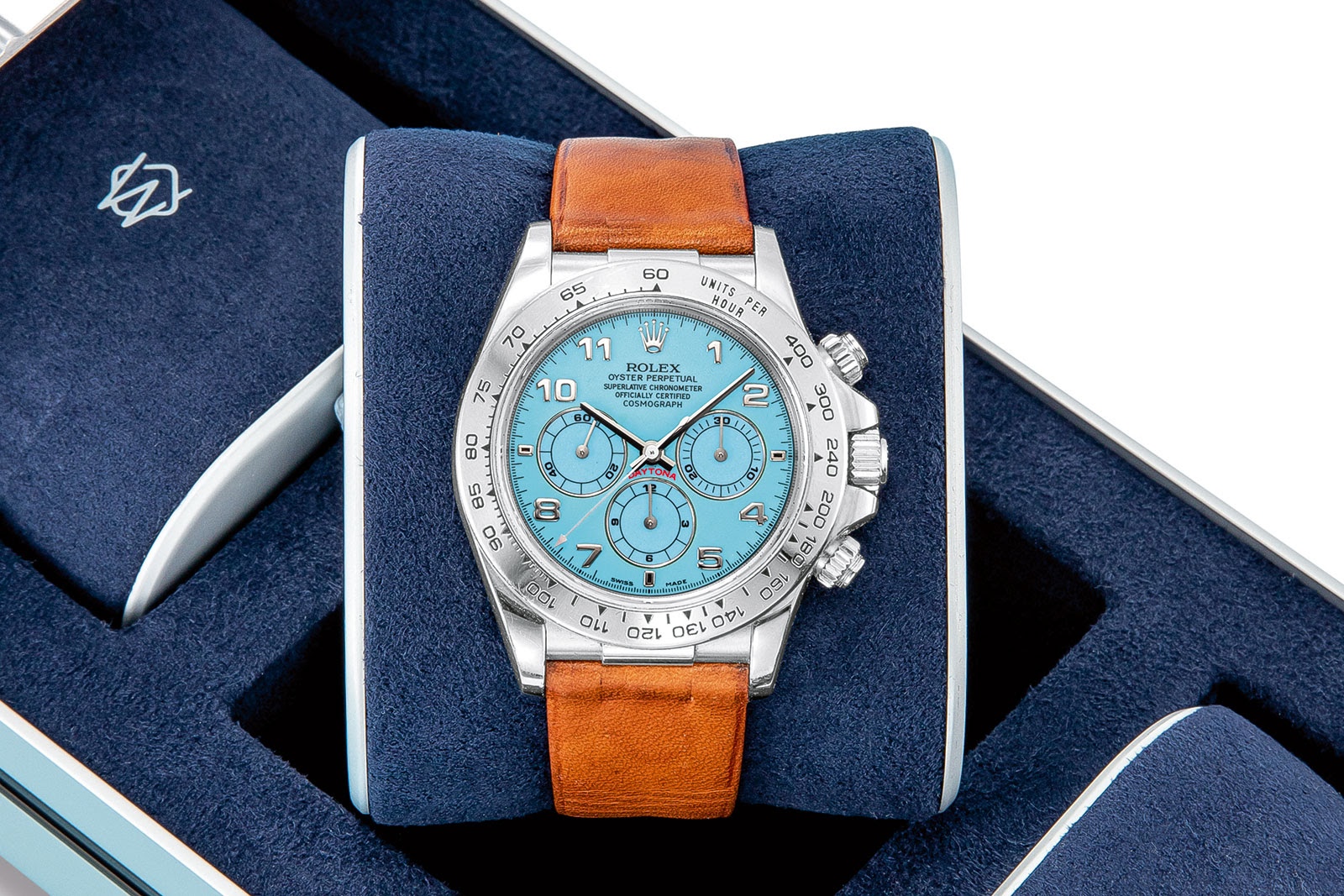
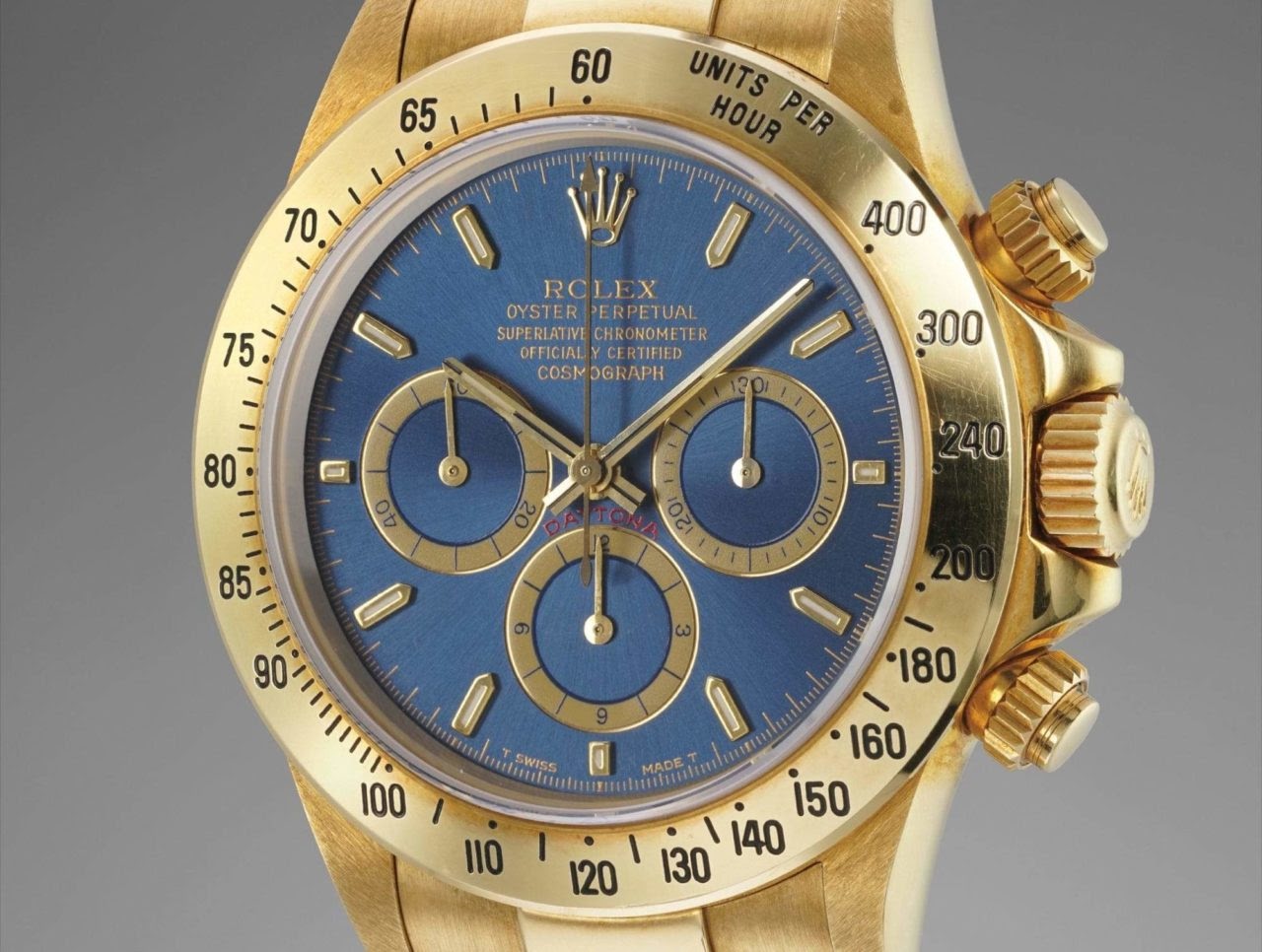
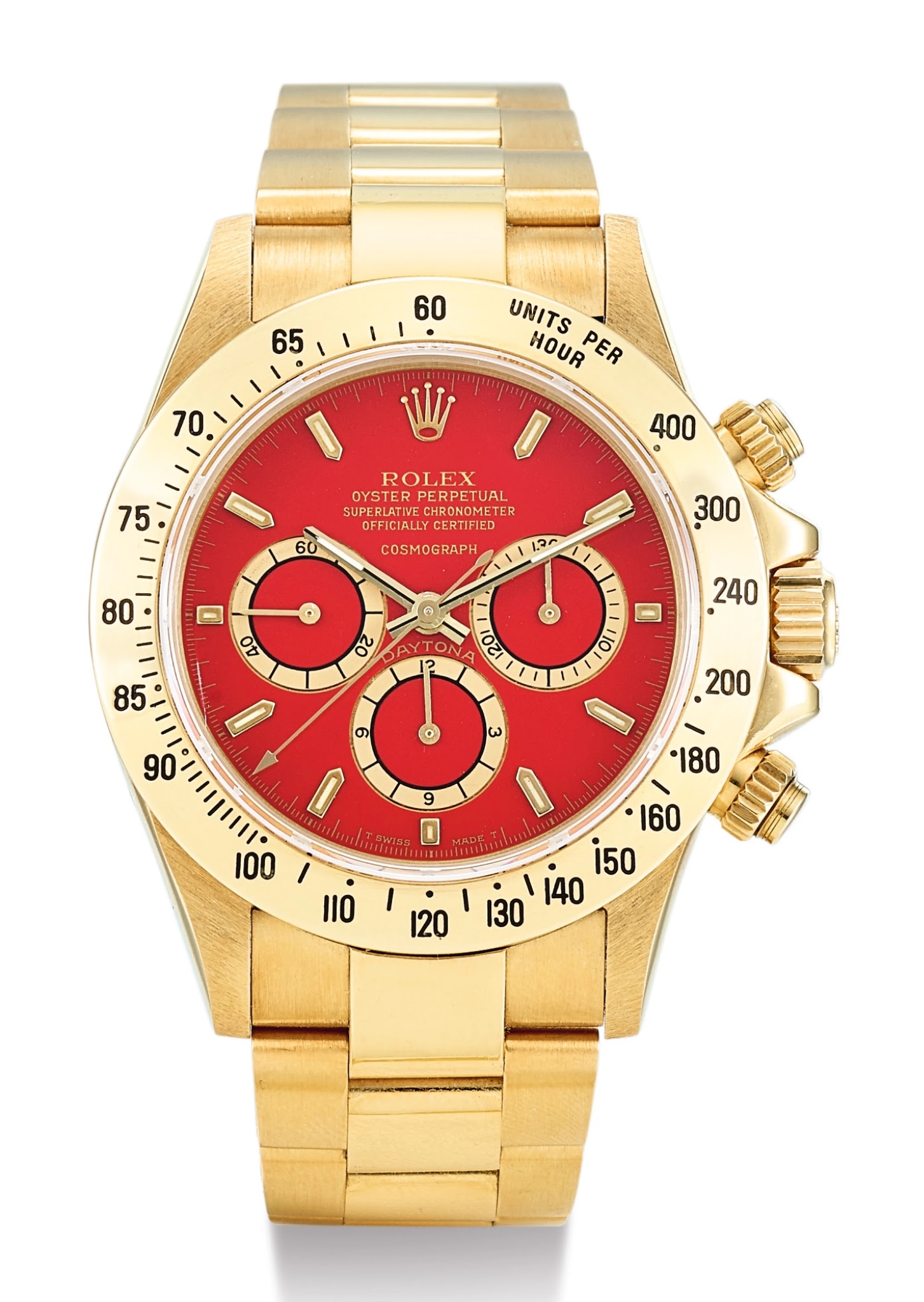
Finally, before moving on to the star of the show, here are the monsters of the Zenith era. Rarity is King they say, then these are the Kings of Kings. If you crave the rarest and have pockets that are deep enough, nothing comes close to the platinum Zenith Daytona’s. Gem set versions are also hugely rare and sought after, such as the emerald Daytona. Then there are special editions/one off pieces. Special dials such as the blue “Chairman” the unique red dial and the gorgeous salmon dial WG models.



Black Panther
The Black Panther is extremely rare, it is estimated that less than 11% are black. Its apt moniker then for the even rarer Black 4 lines 50 units bezel. For me its on a par with the rare porcelain. Disclaimer- I don’t own one- and now probably won’t, but it’s the holy grail for me. As stated introduced in the early L series, 1990, it would have been in production for a month or so, then the bezel was replaced with the 225 bezels. I have been tracking this beast for 20 years, in this time, I have seen probably no more than about 35 watches of which about 15 were black. It is indeed a charmed variation. For me in the non-special order/gem set versions this equals the porcelain as the non-plus ultra of the Zenith Daytona series. And in this collectors’ eyes at least, the most aesthetically balanced dial/bezel combination. I don’t believe it will be too long before the inverted 6 models vie for attention along with “Big Red” 6263’s and these R and L series marvels compete with regular Paul Newman Daytona’s.


The Zenith Daytona "Black Panther": Collecting the Zenith Daytona

Thanks for the detailed explanation🥃🥃

Awesome post and info…

Thank you for this very informative post! I will keep it handy for future reference.

My recollection is that WatchTime's review of the first in-house Daytonas . . .


Awesome write up. So much knowledge shred. I have a long way to go.

