Comments:

In their recent excellent video discussing the Watches and Wonders 2026 both Tim Mosso and Jack Forster had an interesting discussion about how they didn't see any real innovation, things felt repetitive and prices overall have become too expensive.
The show took up so much of their time they couldn't deal with the logistics of visiting the other exhibitions taking place all over Geneva that showcased the Independents and "Microbrands" (a term I loathe, which I'll explain why later). They also talked about their nostalgia for Baselworld where all the brands big and small were all under one roof and of the fully comped SIHH.
The most interesting thing for me is that at the end they said they didn't see any trends emerging from this year's Watches and Wonders. Well Gentlemen if you couldn't visit the Beau-Rivage, Chronopolis at the Les Halles de l'Île or the Masters of Horology then for sure you won't be able to discern any emerging trends.
The Morgan Stanley, Vontobel and Deloitte Annual Watch reports focus on just the Swiss Watch Industry. While an important source of watches in the world these reports provide only a small snapshot of the overall global watchmaking industry. Over the past months the series of posts I've done on watchmaking in different parts of the world has given myself some insights on the overall trends in watchmaking today which I would like to share with you.
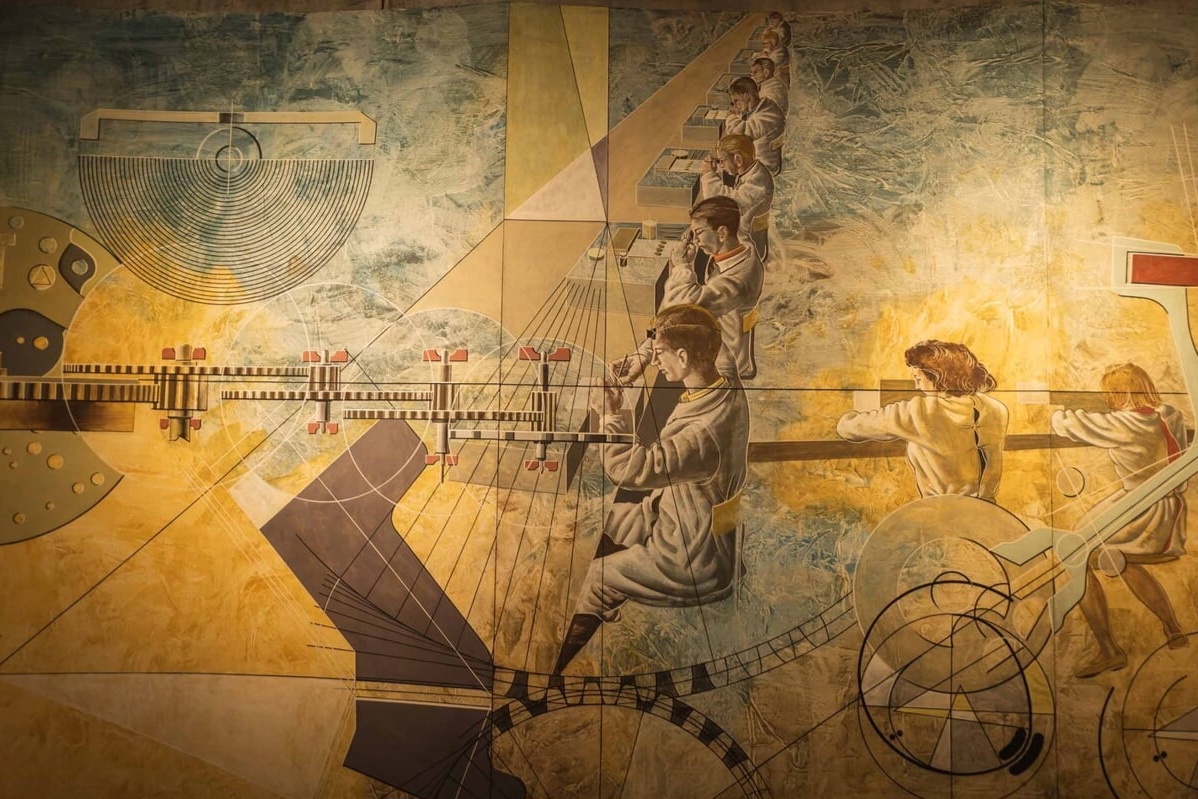
I would like to use US Defense Industry as an Analogy, in the 1990s there were over 60 Prime Contractor companies that had to consolidate over a 15 year period and the number eventually became 5. The over consolidation reminds me of what happened during the same period with Richemont, Swatch Group, LVMH, Rolex and Kering. This over consolidation gave too much power to these Horological Legacy Primes where they expanded production, rearranged the way watches were distributed and increased prices. However the problem with becoming too big is that you start to believe in your invincibility, get disconnected with your customers and lack the agility to respond to changing market conditions and trends.
This disconnect allowed the rise of Independent Watchmakers and Microbrands not just in Europe but across the World. The term Microbrands is highly derogatory in my opinion, they should be referred to as watchmaking startups or just startups.The Startups are in direct contact with their customers and nimble enough to respond to their needs and trends.
My posts do not cover the full ecosystem of Independents and Startups across the world but do give a flavor of the state of things currently. Most of these startups have been setup within the last 15 years with more starting up every month.
My understanding is that while Slowing demand in China and Tariffs have hurt the Legacy Primes, the rise of Independents, Startups, new Brands in China will continue to put pressure on them and we will see continued weakness as the focus will slowly shift away from them. This will hurt them and their watchmaking in everyway. Audemars Piguet's board realizes this shift and attempted to regain cultural relevance with their recent Swatch Collaboration. Time will tell if this will help them and whether the Swiss Watch Industry will be able to face reality and reform itself in time.
What do you all think? Agree or Disagree with my thoughts? Or do you have another perspective.
To conclude I will share my favorite watches and brands from each region of the World from my earlier series of Posts.
The United Kingdom

www.watchprosite.com /
India

www.watchprosite.com /
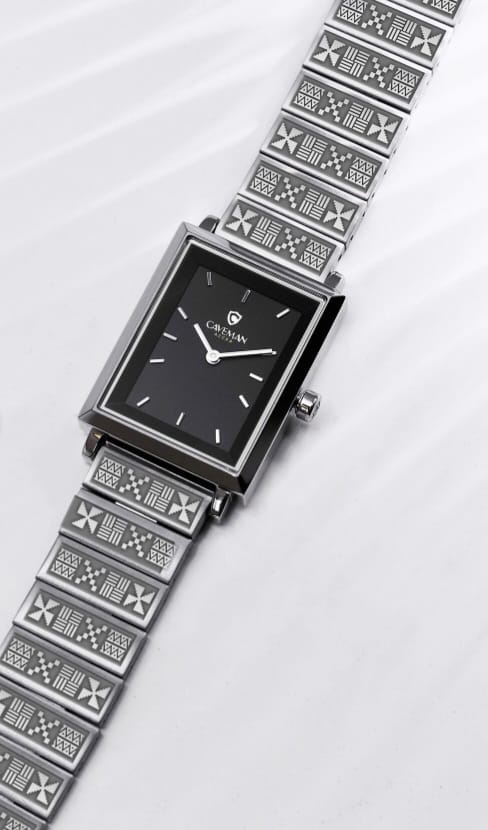
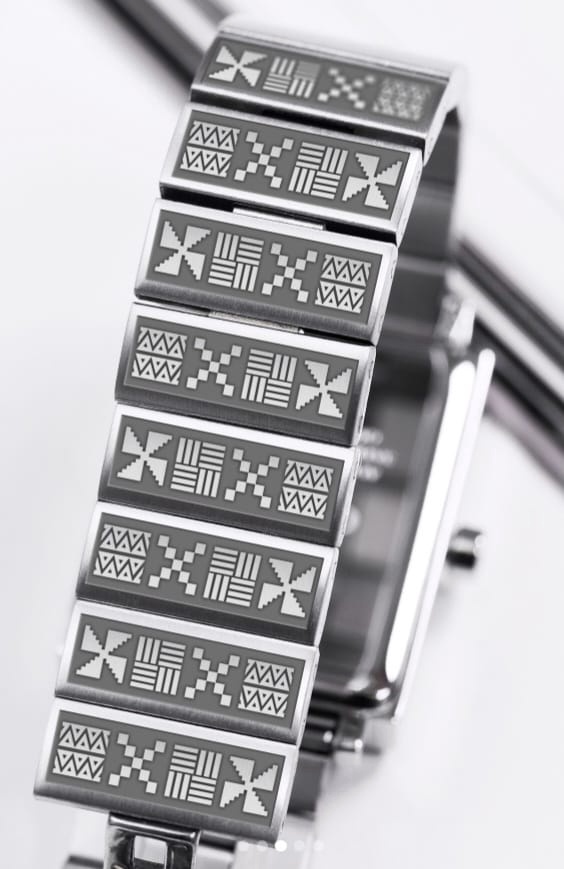
Africa
www.watchprosite.com /
South America


www.watchprosite.com /
New Zealand


www.watchprosite.com /
Australia


www.watchprosite.com /
Vietnam


www.watchprosite.com /
Canada


www.watchprosite.com /
The United States of America


www.watchprosite.com /
Middle East


www.watchprosite.com /
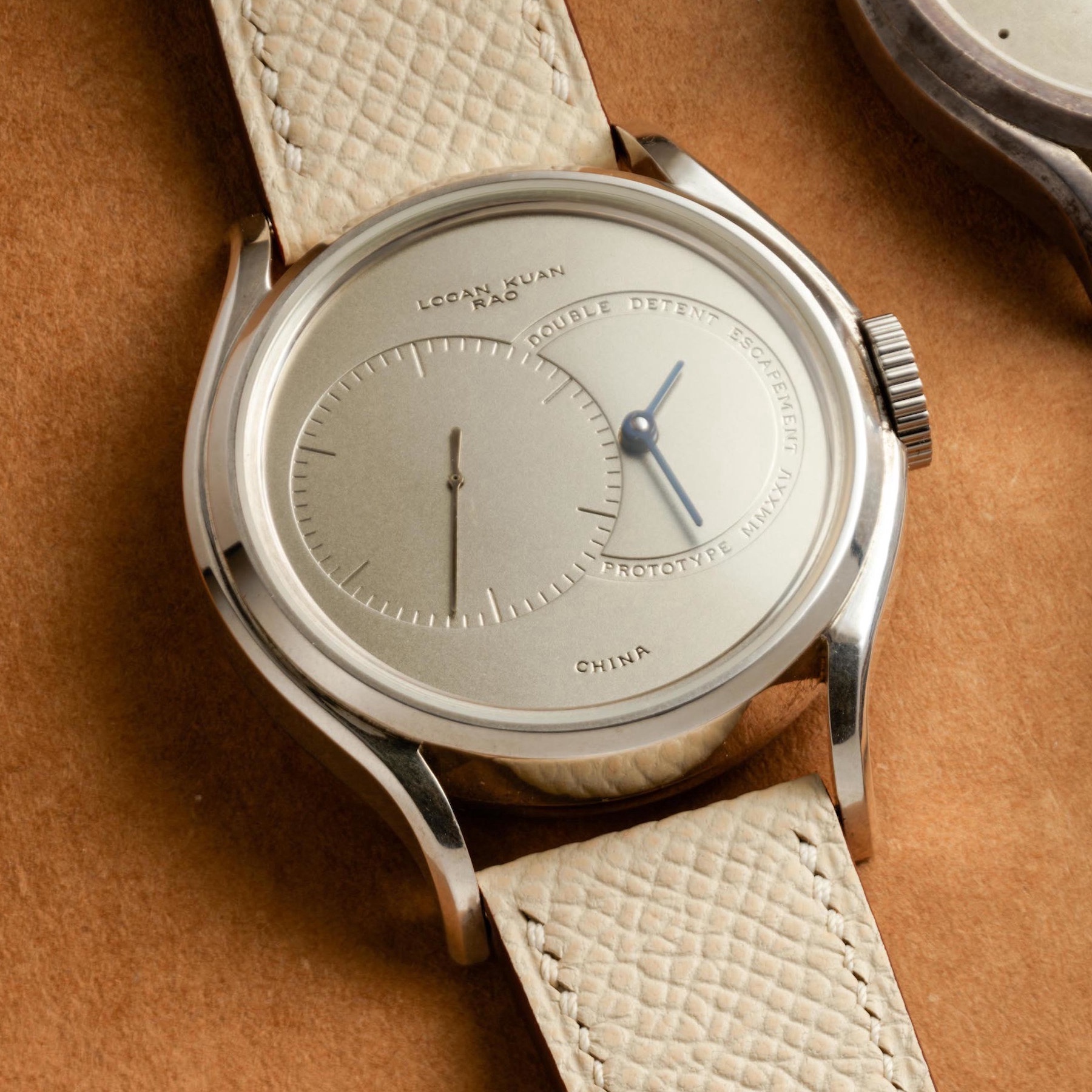
China
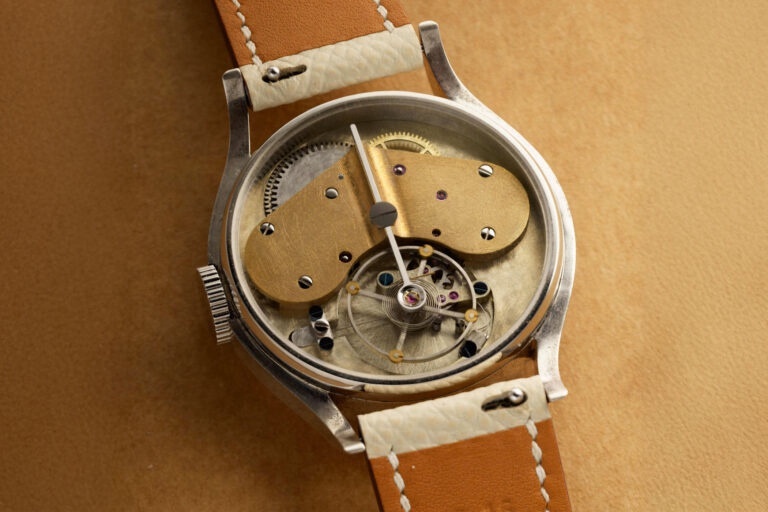
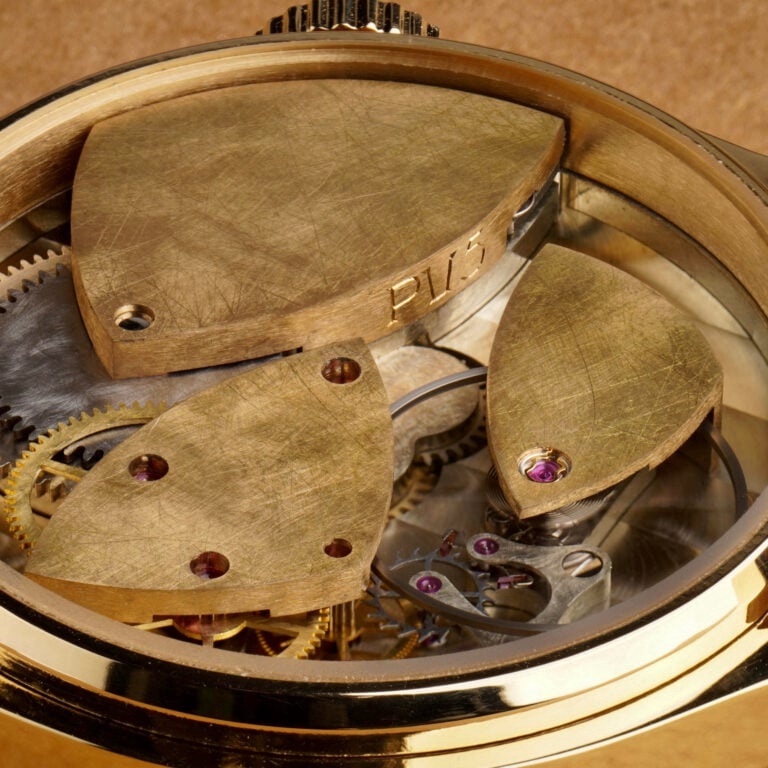
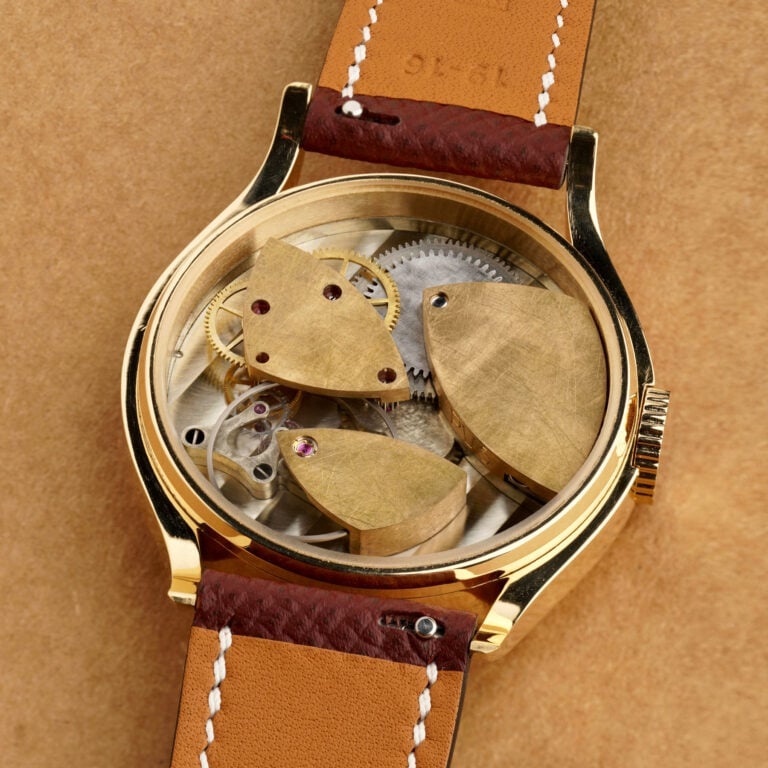
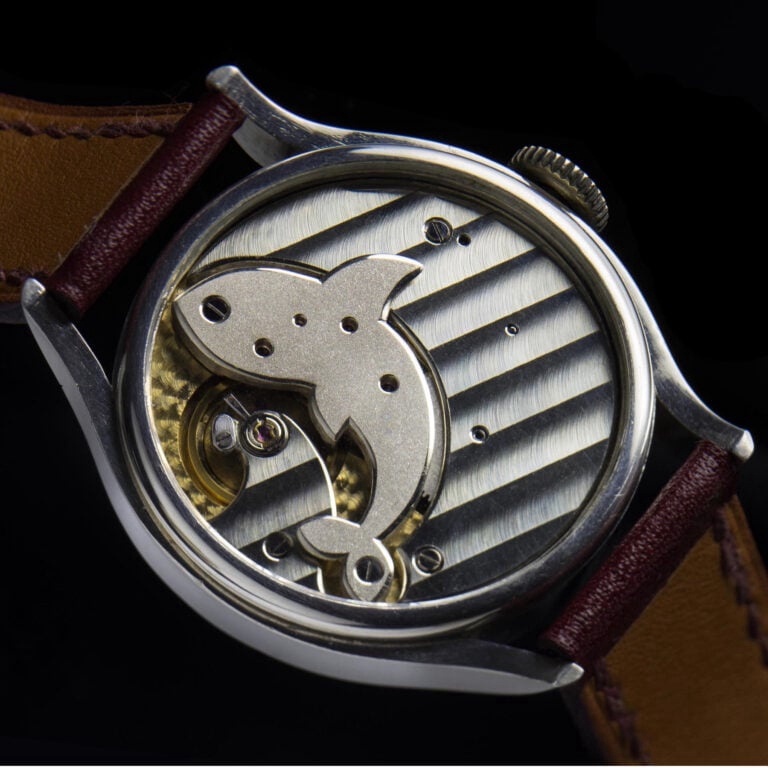
www.watchprosite.com /
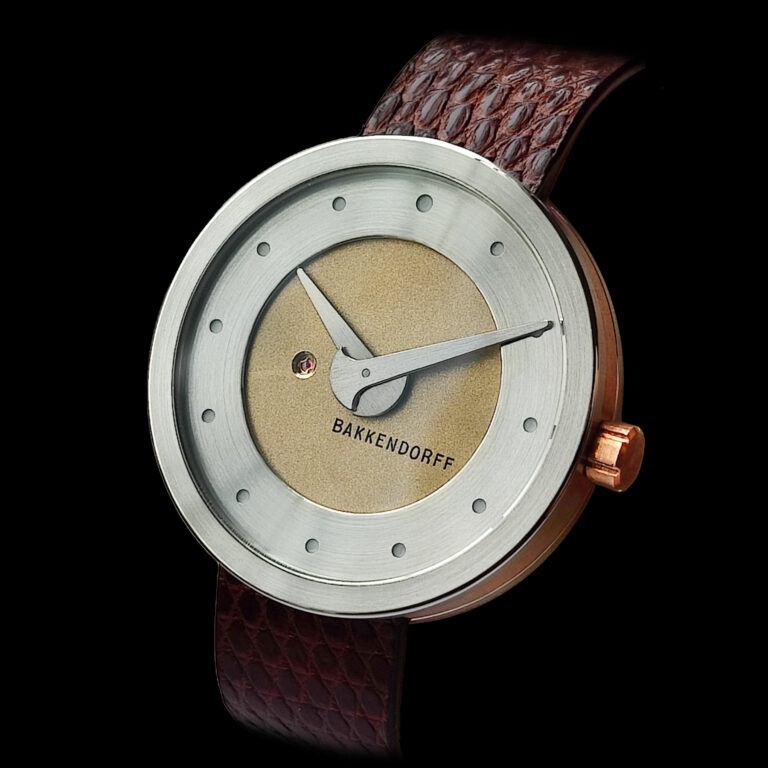
Scandinavia


www.watchprosite.com /
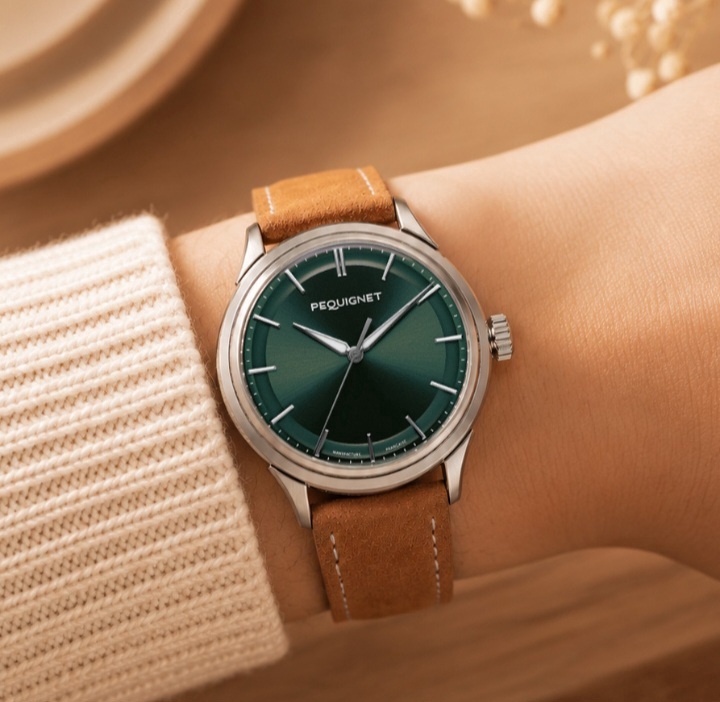
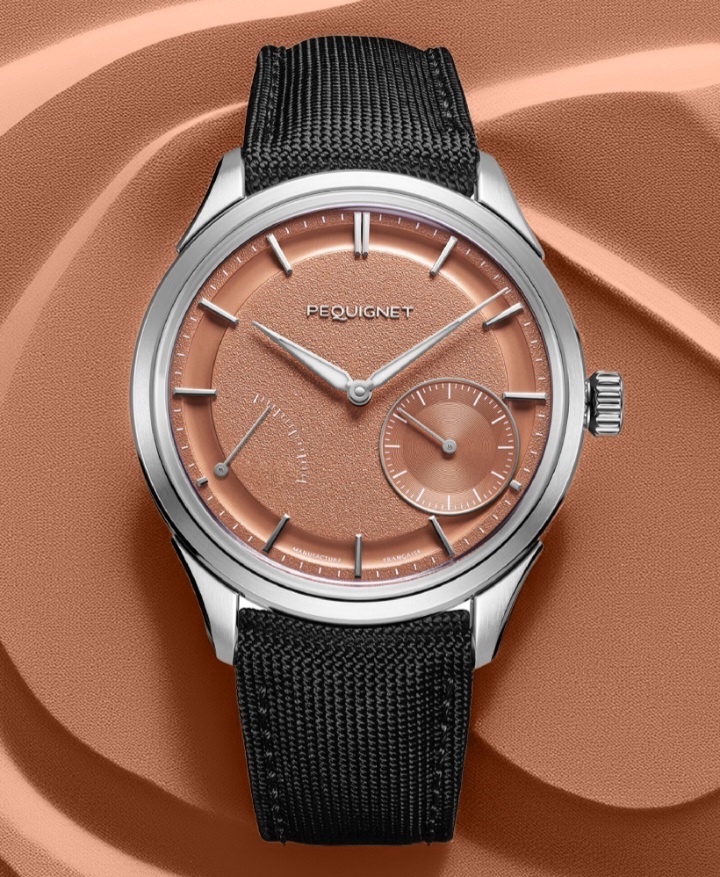
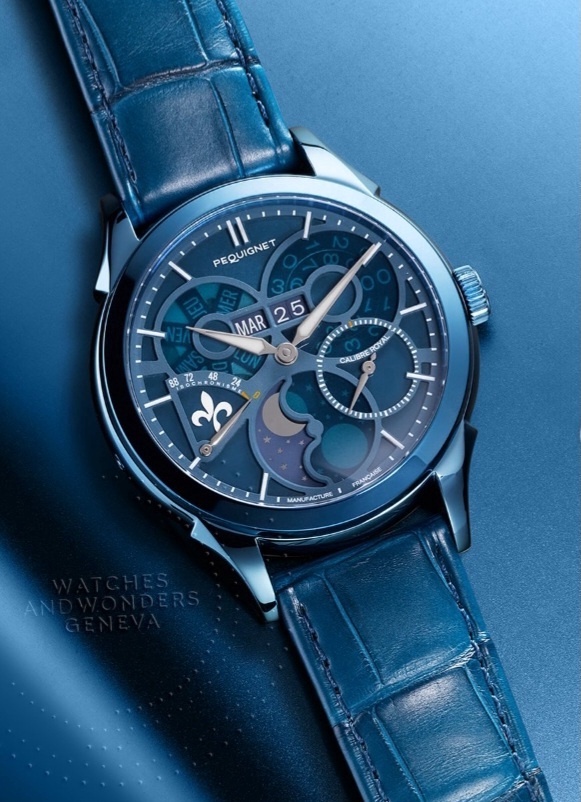
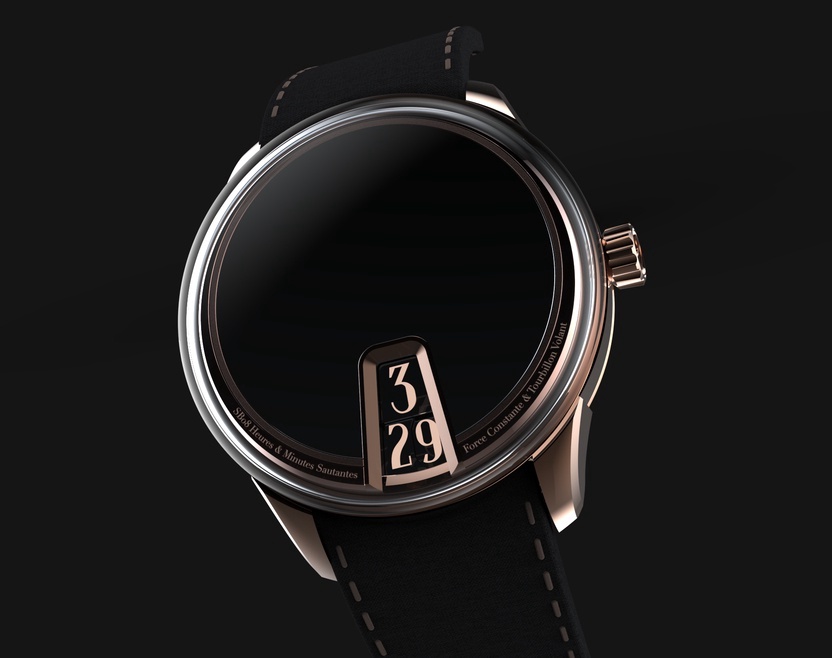
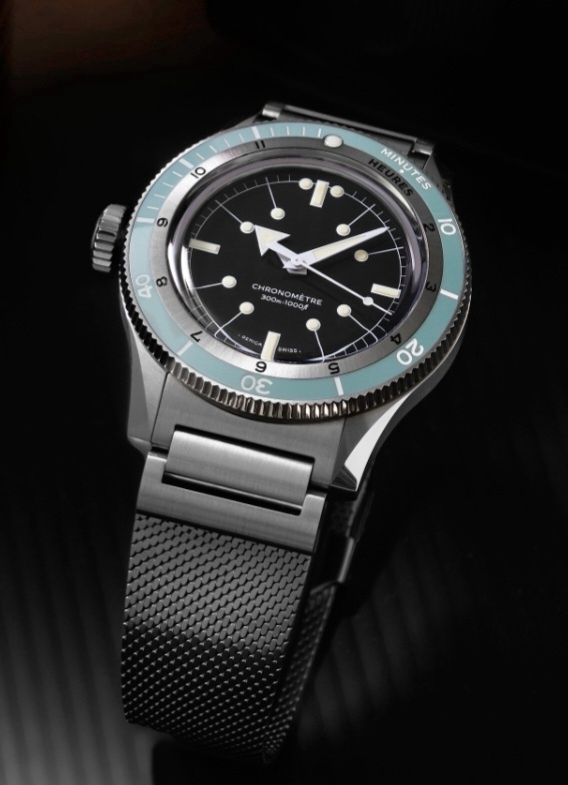
France
www.watchprosite.com /
That Concludes the Series. Thank You for Reading and Your Appreciation 😊🙏
Source: Steve Eisman "How Silicon Valley Took Over the Defense Industry with Peter Arment", Google Images.


Trends in Global Watchmaking
In their recent excellent video discussing the Watches and Wonders 2026 both Tim Mosso and Jack Forster had an interesting discussion about how they didn't see any real innovation, things felt repetitive and prices overall have become too expensive.
The show took up so much of their time they couldn't deal with the logistics of visiting the other exhibitions taking place all over Geneva that showcased the Independents and "Microbrands" (a term I loathe, which I'll explain why later). They also talked about their nostalgia for Baselworld where all the brands big and small were all under one roof and of the fully comped SIHH.
The most interesting thing for me is that at the end they said they didn't see any trends emerging from this year's Watches and Wonders. Well Gentlemen if you couldn't visit the Beau-Rivage, Chronopolis at the Les Halles de l'Île or the Masters of Horology then for sure you won't be able to discern any emerging trends.
The Morgan Stanley, Vontobel and Deloitte Annual Watch reports focus on just the Swiss Watch Industry. While an important source of watches in the world these reports provide only a small snapshot of the overall global watchmaking industry. Over the past months the series of posts I've done on watchmaking in different parts of the world has given myself some insights on the overall trends in watchmaking today which I would like to share with you.
I would like to use US Defense Industry as an Analogy, in the 1990s there were over 60 Prime Contractor companies that had to consolidate over a 15 year period and the number eventually became 5. The over consolidation reminds me of what happened during the same period with Richemont, Swatch Group, LVMH, Rolex and Kering. This over consolidation gave too much power to these Horological Legacy Primes where they expanded production, rearranged the way watches were distributed and increased prices. However the problem with becoming too big is that you start to believe in your invincibility, get disconnected with your customers and lack the agility to respond to changing market conditions and trends.
This disconnect allowed the rise of Independent Watchmakers and Microbrands not just in Europe but across the World. The term Microbrands is highly derogatory in my opinion, they should be referred to as watchmaking startups or just startups.The Startups are in direct contact with their customers and nimble enough to respond to their needs and trends.
My posts do not cover the full ecosystem of Independents and Startups across the world but do give a flavor of the state of things currently. Most of these startups have been setup within the last 15 years with more starting up every month.
My understanding is that while Slowing demand in China and Tariffs have hurt the Legacy Primes, the rise of Independents, Startups, new Brands in China will continue to put pressure on them and we will see continued weakness as the focus will slowly shift away from them. This will hurt them and their watchmaking in everyway. Audemars Piguet's board realizes this shift and attempted to regain cultural relevance with their recent Swatch Collaboration. Time will tell if this will help them and whether the Swiss Watch Industry will be able to face reality and reform itself in time.
What do you all think? Agree or Disagree with my thoughts? Or do you have another perspective.
To conclude I will share my favorite watches and brands from each region of the World from my earlier series of Posts.
The United Kingdom
www.watchprosite.com /
India
www.watchprosite.com /
Africa
www.watchprosite.com /
South America
www.watchprosite.com /
New Zealand
www.watchprosite.com /
Australia
www.watchprosite.com /
Vietnam
www.watchprosite.com /
Canada
www.watchprosite.com /
The United States of America
www.watchprosite.com /
Middle East
www.watchprosite.com /
China
www.watchprosite.com /
Scandinavia
www.watchprosite.com /
France
www.watchprosite.com /
That Concludes the Series. Thank You for Reading and Your Appreciation 😊🙏
Source: Steve Eisman "How Silicon Valley Took Over the Defense Industry with Peter Arment", Google Images.
Sometimes I'm not sure if they see beyond the data-harvesting of their social media app...
Or maybe that's my cynicism.
That's a pretty comprehensive list you've put together SALMANPK...
...what about Middle Earth?
Great comprehensive post my friend 👍👌👌
Many thanks for gathering all this info you must have spent quite a long time to gather it 🤦♂️ so thank you for the work…
I know it is still very niche but I would definitely ad Theo Auffret in your list of French watchmakers 😉 I know you know…
Thank you for writing this article and for your tour d’horizon of international watchmaking. It coincides well with the fact that I just purchased my watch from a smaller brand from China this week.
In German we have the following saying:

„Competition is good for business“
I sadly have to agree with them. Nothing new under the sun, and hard to notice a trend, here. Not only this year, but for some years now.
I could see some cool ones, though, but too few, alas.
Best,
Nicolas