
Thanks a lot Al !
And thanks too to pplater for his comments.
Fr.Xavier
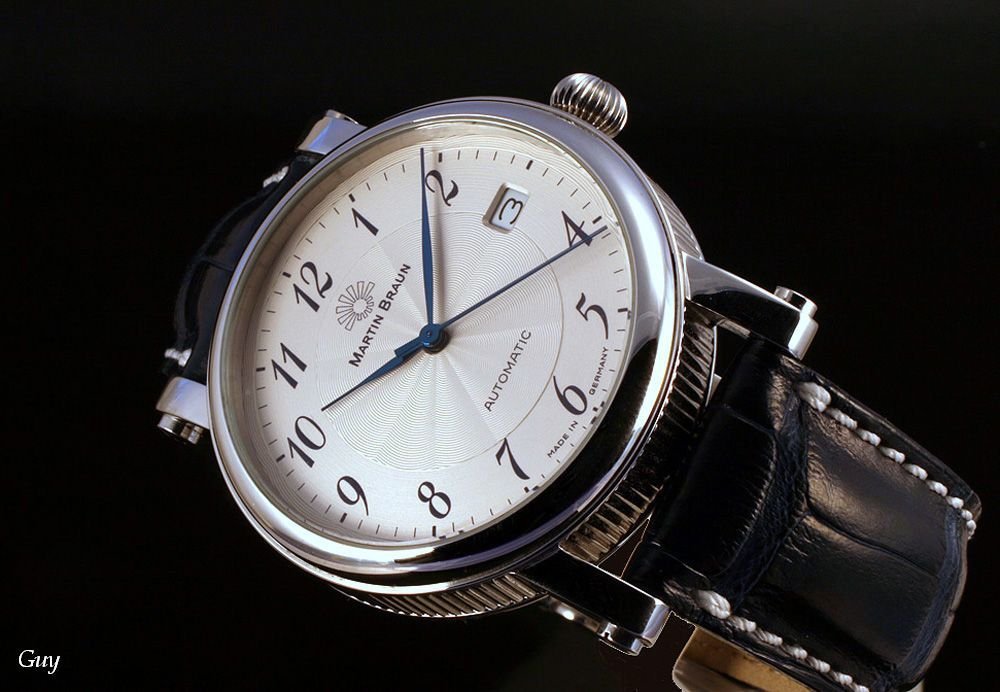
Very nice, thanks Guy.
Fr.Xavier

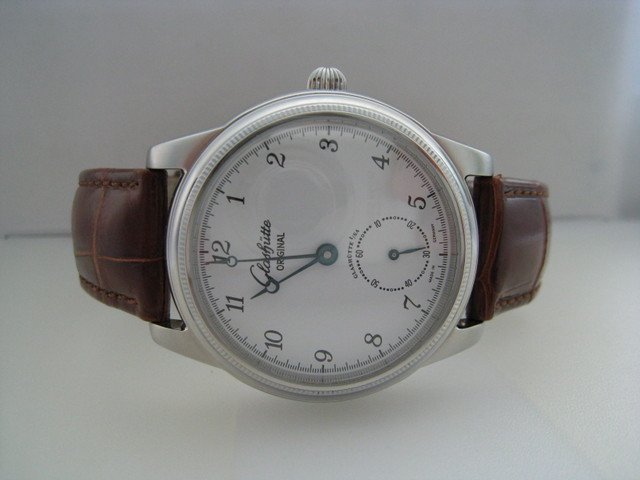


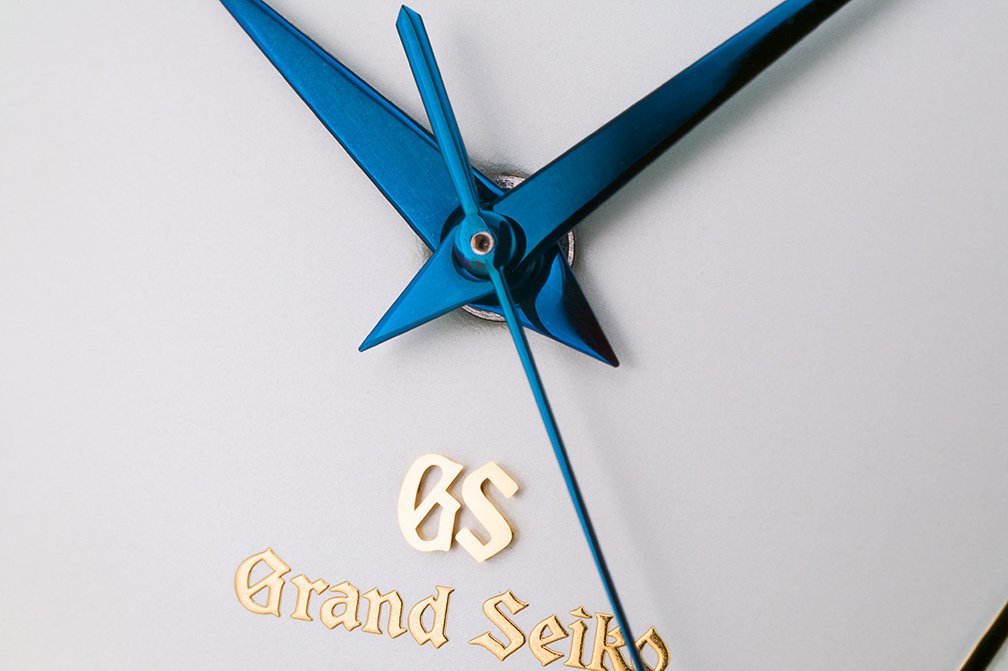

GS guilloche dial
SJX thanks for the nice pics.
I am a big fan of Seiko watches. I have noticed this piece for some time but I still think that the "GSGSGS" dial is overly done and is enpowering the whole watch.
It is also very ironic that the normally low profile, almost-unadvertised GS would make so big a statement on the dial.
Any idea how the GSGSGS "guilloche" dial is done? Precision machining such as CNC or stamping? An insight into this proces might make me appreciate this watch more.
Pat
I'm guessing it's stamped
designs and execution. As an example, this dial below is stamped with a cylindrical die (accompanied at one time
by a documentary video!):
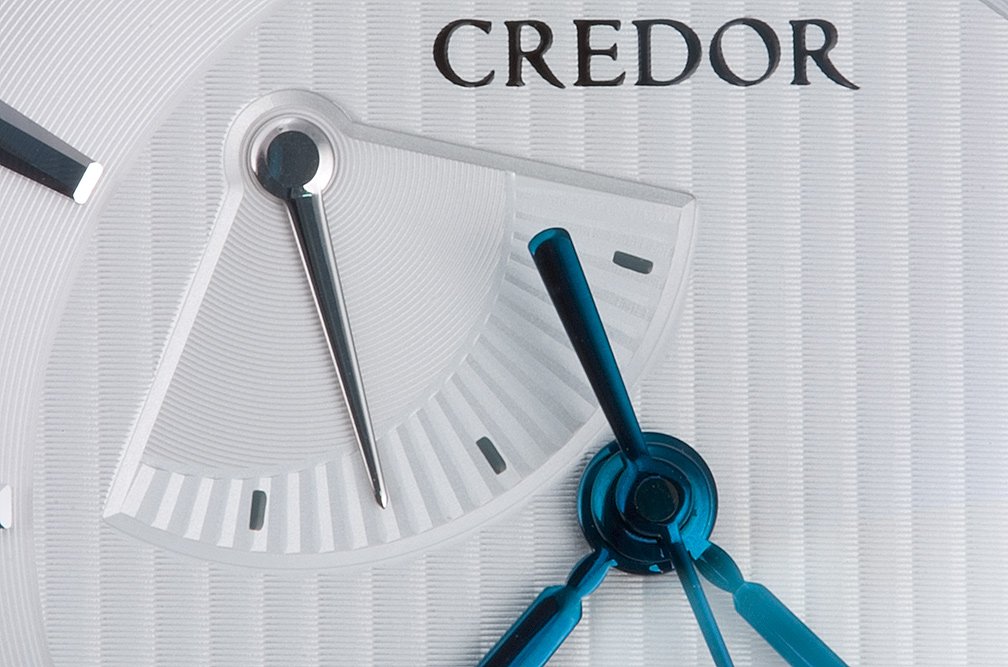

Heated blue hands?
Thanks Steve and SJX. I guess the blue hands tempered? Or plated?
Steve your Credor photo is so awesome. They even put a blue cap over the shaft.
If I may reproduce your photo here...


Hot vs cold blueing
Seiko uses "hot" bluing for its hands, i.e. the hands are blued over heat. By chemical bluing I was referring to "cold" bluing where a solution is applied to the steel without the for heat. From what I recall, cold bluing results in steel that looks the same but does not have the same degree of rust or wear resistance as hot bluing.
- SJX
As you may ....
Not sure if I'm mistaken, but I guess the traditional process of heat blueing steel is a chemical reaction - oxidation.
So, one could say they're "chemically treated"?
I know there are multiple ways to achieve the blueish tint.
BTW, in my oppinion the often heard "rust protecting" effect of blueing isn't really very effective (if existant at all) - I believe
it's more because rust is less visible on the darker surface - but's that's just my unqualified opinion only.
Best regards
Suitbert
You are right
Heat bluing is a chemical reaction, and different temperatures and different periods over the flame result in different colours, but my knowledge of heat treatment ends there. Then of course there are some makers (especially producers of fake watches in China), that paint the hands a bright blue. :-)
As for rust resistance I have no idea. Gun makers say that bluing of the steel parts on firearms does indeed increase rust resistance so I assume the same holds true for watches?
- SJX

Seiko seems to be inconsistent in hands treatments
These two are the same, even though one is a manual wind and the other a quartz watch.

This is a Spring Drive with a nifty silver center on the second hand.

Whereas this Spring Drive doesn't have blue or silver cap

And this has silver hands and a cap (and a dial whose composition totally baffles me, because it is smooth but has depth - layers?! )
I've taken at least 100 pictures of this dial and this one is the only one that reveals both the GS logo and the lions.
Otherwise you see a smooth-ish surface with squares and faint horizontal lines.
Only strong lighting at just the right angle reveals what's underneath.
Sorry, minor diversion from the blue hand scheme

Here's my penance - another blue hander

This message has been edited by cazalea on 2009-01-01 21:37:11
SJX - what about the secret lion at 2:00?
There's supposed to be a missing GS filled with the Seiko rampant lion - a trace of it is here.
Is it visible to the naked eye?
Thanks
Mike

You noticed it!
I forgot about it while taking photos but it is visible to the naked eye. Unlike the surrounding GS logos, the lion logo appears flat. I have no idea what its significance is though.
- SJX
Strange Indeed ....
This is clearly not a well-known documented difference between the sibling watches. Very interesting indeed!
This message has been edited by mycroft on 2009-01-02 07:07:11
Here it is more clearly

Thanks, Almost ...
Looking quite similar to the Peugot insignia and analogous to the more famous Prancing Horse!!
I tip my hat to your remarkable visual acuity!


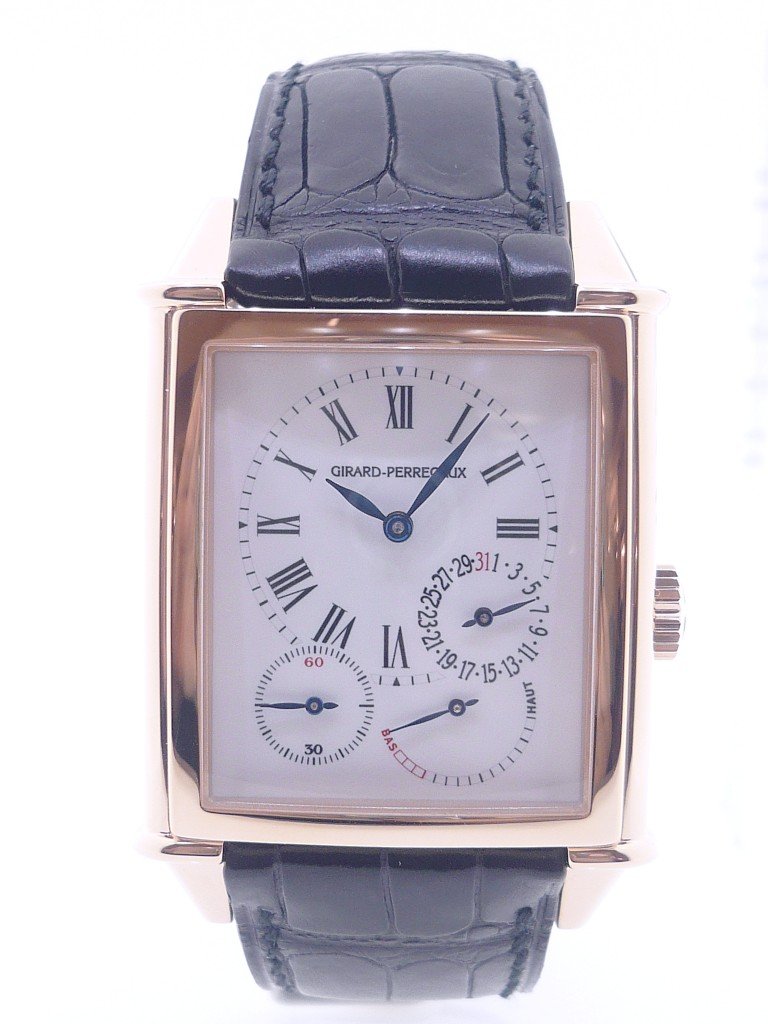


Blue hands add drama...
...here's another shot of blued hands. I tried to capture some dramatic neo-noir lighting as well.



a bit late, but the watch only arrived yesterday
i didnt realise until it arrived how blue the hands are as they look black in all the pics i've seen.
this is the 'forgotten re edition', we get loads of posts on the Polaris, the Longines legend diver etc etc, but very few on this, the Seagull PLAAF 1963 re edition. a watch with long long history. originally a Venus 175 calibre, upgraded by Seagull from 17 to 19 jewels and recently from 19 to 21 jewels although it keeps its ST19 name. this movement has been consistently in use since the 1940's to the present day in several different case and brand variations and has proved to be utterly reliable. there are stories of poor quality control in some of the seagulls, but the majority are fine.


just a small offering
Graham