
Omega ‘signed’ lenses
Hi All,
I know this is occasionally discussed but I wanted to get some more information on the logo in the hesalite lenses of vintage Omega watches.
I gather that this feature was introduced in the 1950’s but how long did its use continue? Was it used across the entire Omega range of that period? When did they change to mineral glass or sapphire crystals? (I realise some Speedy Pro’s still came with the signed hesalite, as will the upcoming 40th Anniversary model). The symbol is on the inner surface, but is it etched or moulded? Do Omega still provide these parts and if not, is a signed hesalite lens a useful indicator of originality? Oh, yes, and I assume that hesalite is exactly the same thing as acrylic?
Any information would be much appreciated.
Regards
Andrew
Ps. If anyone wants to post some gratuitous images of the Omega logo I wouldn’t complain…


My circa 1999 Speedmaster Pro ...
Speedmasters…
Hi Chris,
I have the Ref. 3572.50 hesalite/sapphire sandwiched Speedmaster from 2000 and it also has the symbol on the lens. Unfortunately I have never been able to get an adequate photo of it. I am not aware of any other modern Omega watches that use the hesalite lens, but it is obviously a nice nod to history and gives the face some additional warmth that I like.
Sapphire crystals are hard and scratch resistant but relatively brittle and I assume that engraving them would increase the chance of breakage. I guess they could print or transfer an image onto the crystal and perhaps modern laser etching would be possible. I am not aware of Omega ‘signing’ their crystal lenses.
I actually really like the little ‘secret’ logo, something only visible to the wearer (and even then, only in the right situation) and to those you choose to show it to.
Thanks for your comments.
Regards
Andrew

My sixties...
Andrew:
1 piece of evidence
My favourite watch, my father's 60's SS square Cal562 has the signed acrylic. The crystal is original and has has had many, many scratches polished out. I only noticed the symbol a few weeks ago, when inspecting some crazing. It was only visible (and I've looked for it before) under a blazing hot summer sun...
And yes. Hesalite is just a form of Acrylic. My guess is that it's etched. I am not sure you could get such sharp edges on acrylic if it was moulded-in. Alternatively, is might also be pressed into the crystal after moulding (cookie cutter style)
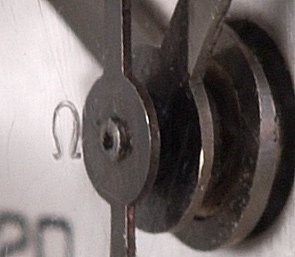
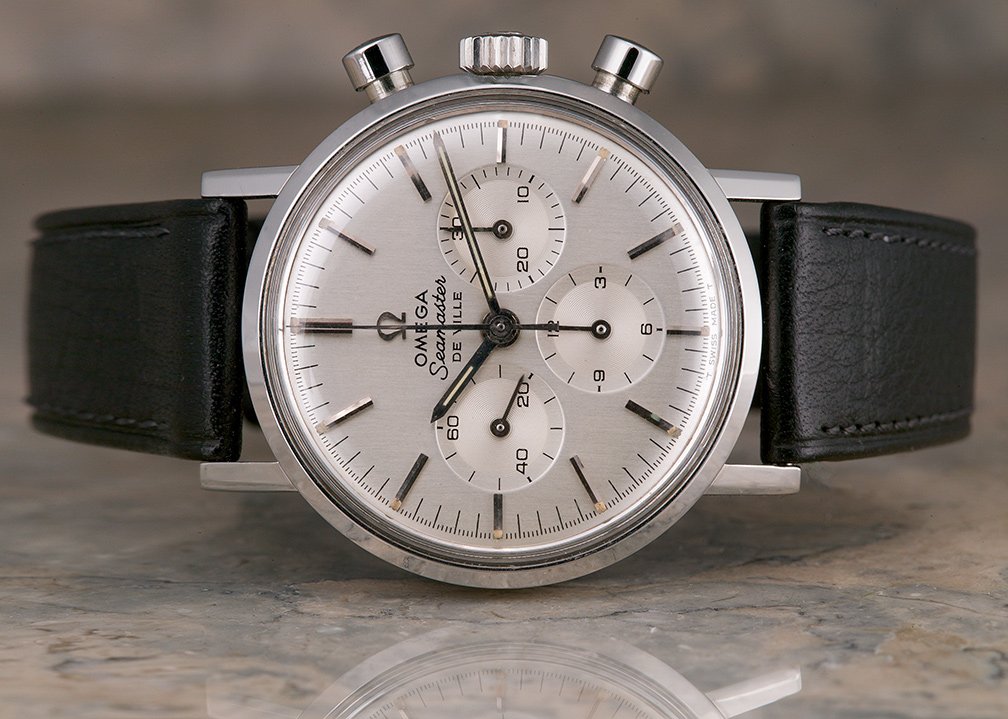

the 1957 'replica' made 1998-2001 has hesalite and etched logo
my understanding is that on the hesalite and plexiglass it is etched to the inside. hesalite is still used in the anniversary pieces to give them some historic value.
Graham