
219
3826

An American in Paris: The ‘Haute’ of Automobiles, Horologie, and Cuisine from Ralph Lauren
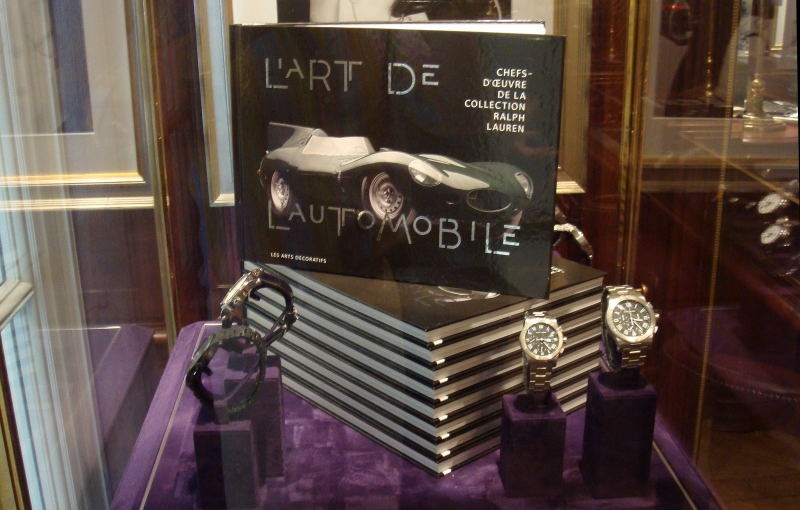
Ralph Lauren has admitted to his long running affair with Paris. When receiving the Legion D’Honneur, French President Nicolas Sarkozy stated that Ralph Lauren represented: “.. an America we like very much —beauty, democracy and quality of life”. Opening the new flagship store on Boulevard St. Germain, Ralph Lauren noted that at last, he had everything under one roof. And it is everything that now defines the Ralph Lauren design empire: clothing lines (new and vintage), haute horologie, and one of only two locations for his restaurant in the world.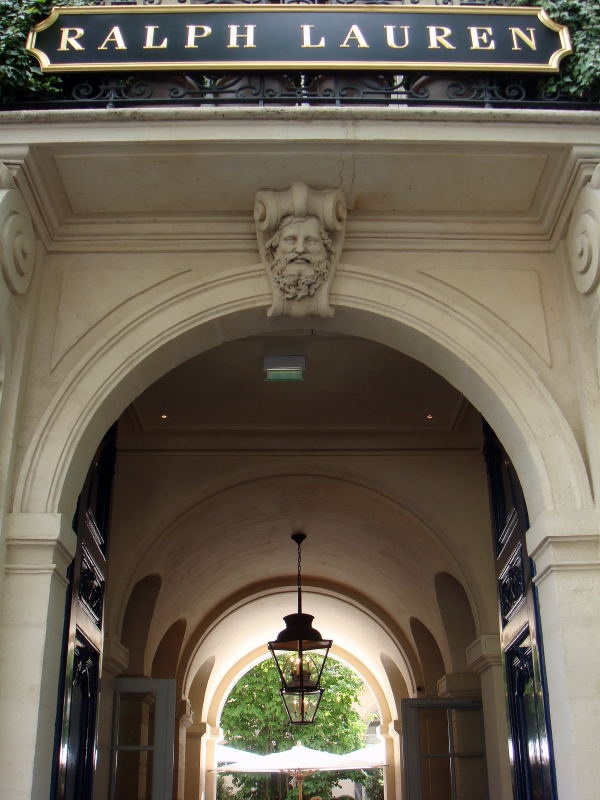
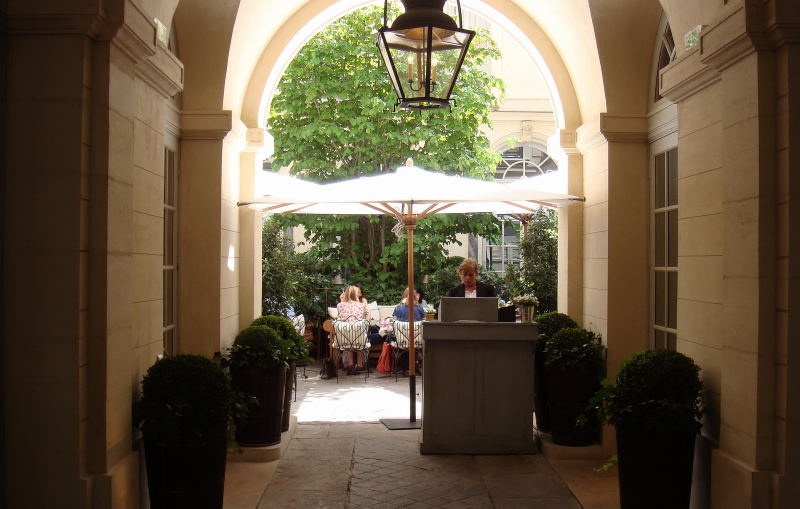
[The haute horologie atelier is on the right hand side as you walk into the courtyard]
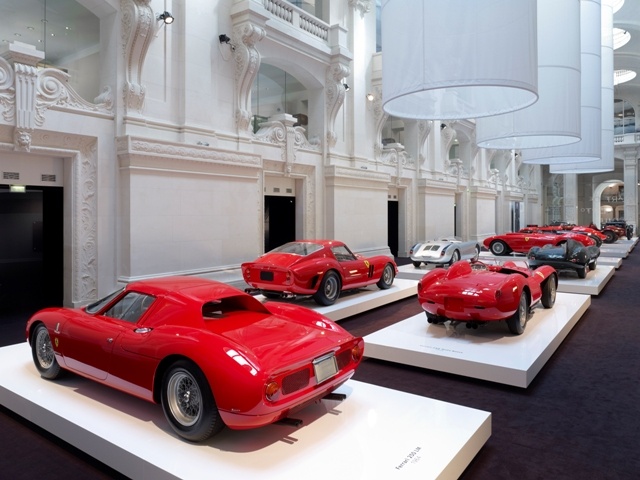
It was therefore something of a ‘Cela va de soi’ to say ‘oui’ to an invite to see a part of Ralph Lauren’s car collection at the Paris’ Musée des Arts Décoratifs. Seventeen outstanding and iconic cars were chosen by curator Rodolphe Rapetti, and put on display by Jean-Michel Wilmotte at the Musee. The cars are truly outstanding not only in the form in which they are maintained and presented, but in the quality of the cars that Ralph Lauren has collected. It is not that he has simply gone out and bought the most expensive, or simply ‘one of everything’, he has formed a collection based on knowledge, experience, and most of all a passion for design. 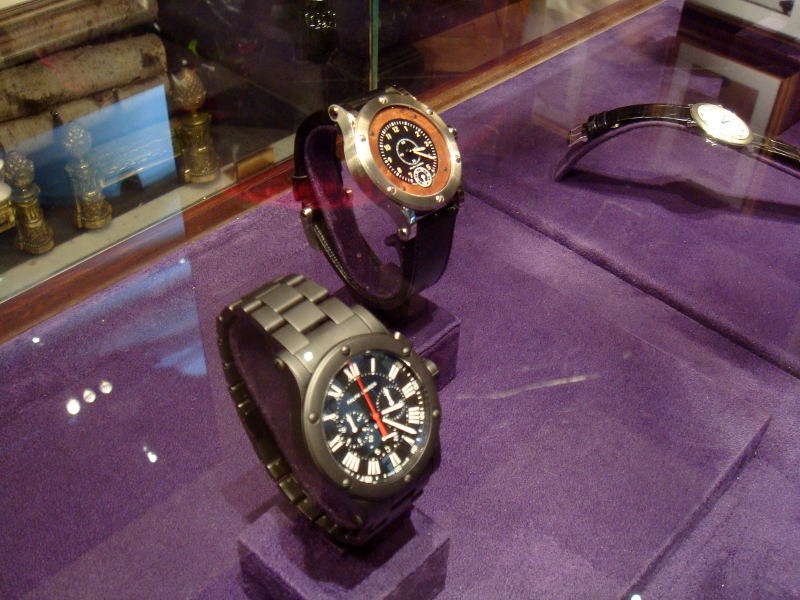
The opening of the exhibition was well timed. In reviewing the Ralph Lauren Collection for the exhibition, the man himself had taken inspiration from his Bugatti Type 57 Atlantic and the Ferrari red to design two timepieces around his Sporting watch line. The first is the Automotive watch. At first, I will confess that I was unsure about this one. Putting the ‘burl’ wood as a surround and using the dial type from the Bugatti did not seem to me to be an exercise that would be worthy of merit. But the funny thing is that the watch works! If you see the watch against the inspiration for the design of the watch itself, it makes sense. It is a genuine rendition of a watch inspired from the famous car. Great care and attention was paid to the aesthetic of the watch. In the same way that the burl wood finish and the galvanic dials appear in the car, the same holds true for the watch. The same type face as the dials in the car is used for the dial on the watch; the Sports line for the Ralph Lauren watches have roman numerals with the exception of this one (that uses Arabic numerals).
The second is the Sporting chronograph in black ceramic with a Ferrari red centre chronograph hand in the 45mm model. The material used for the case and bracelet is an ultra-tough ceramic zirconia often used for high-tech precision applications (for example, ceramic knifes). The material is highly resistant to acids and alkalis; has shock resistant properties, and is ideal as a casing for a sports watch.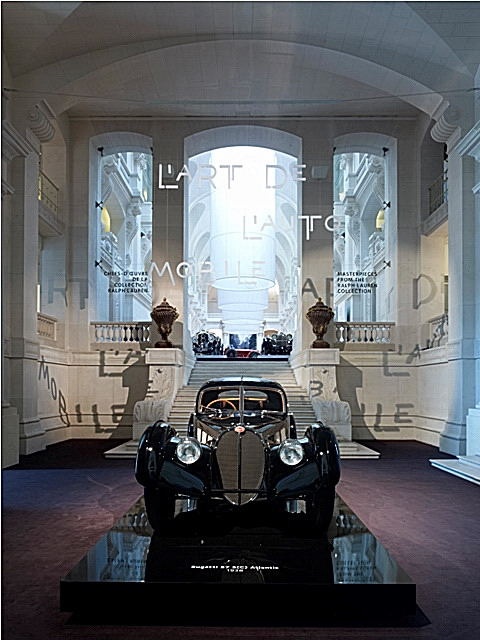
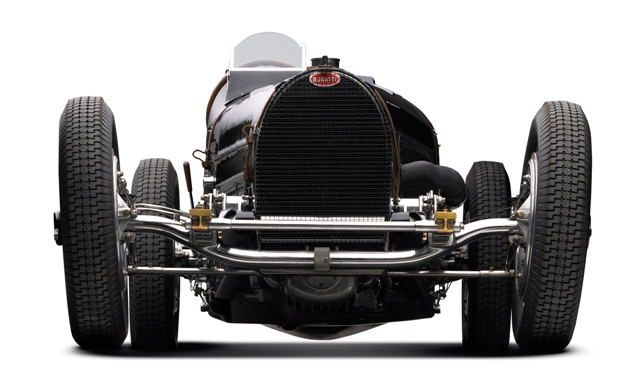
The Bugatti Atlantic itself is a stunning car; the zenith of French coachwork and car manufacture before the Second World War. However, for me, it was not the star of the show. For my tastes, the Bugatti Type 59 was a car apart; one of the final forms for Bugatti’s Grand Prix cars and a jewel of a car in every sense. While we make comparisons of watches that are inspired by cars, it is rare to see a car finished in a manner that reminds you of the finish on a watch. Every element of the car was finished to an exacting standard. Even the rivets holding the car panels together had been woven together with a thin copper wire that ran throughout the bodywork. In a stunning and simple way it is automotive engineering geared towards an end goal of speed and control: no frills, no embellishment, just performance.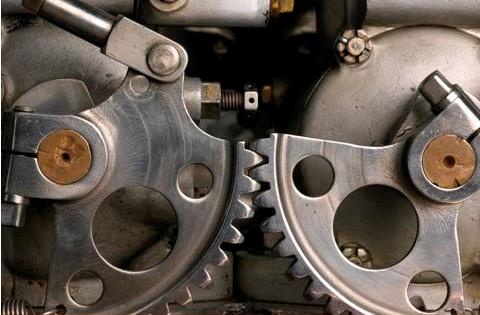
[A detailed section of the gears off the Bugatti Type 59]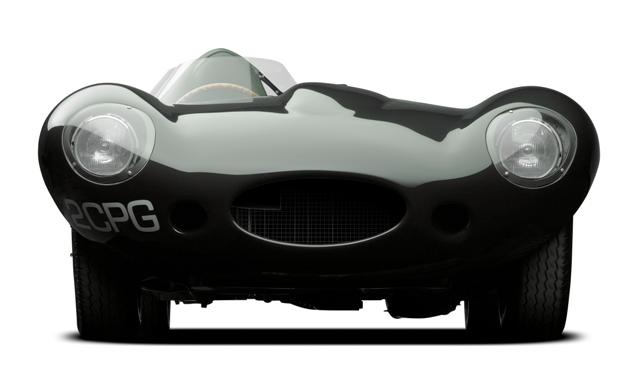
The other car that caught my eye was the Jaguar D-Type. Designed by Malcolm Sayer, who had started off his career in aeroplane design, the Ralph Lauren D-Type is from the time where Jaguar dominated Le Mans in the mid 1950’s. This is a stunning example of the speed machine that helped Jaguar to three successive LeMans victories. While the body shape is nothing less than a vision of aerodynamic curves that suggest fluidity and exhilaration, the car was an engineering marvel: disk brakes instead of the standard drum of the time; the minimal frontal height, and aerodynamic shape was from the development of a dry sump lubrication for the XK engine and by rotating the engine over by 8° (which also resulted in the off-centre bonnet bulge). The high top speed for the D-Type was from redesigning the underbody and placing a large vertical stabiliser was mounted behind the driver's head, which aided aerodynamic stability and minimised drag.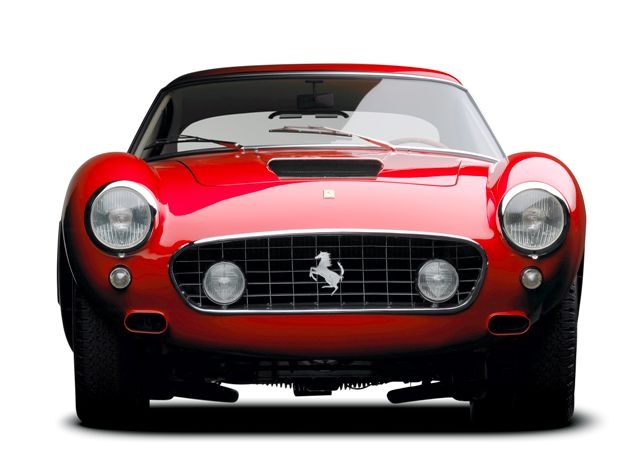
Finally, if I was driving home from Paris that day, and needed a car to get me there on French and English country roads, then the Ferrari 250 Berlinetta SWB would be that choice. Designed and developed by Giotto Bizzarrini, Carlo Chiti, and Mauro Forghieri, and (fittingly) unveiled at the Paris Motor Show, the 250 SWB was the first in a Ferrari GT to be fitted with disc brakes, and the combination of low weight, high power, and well-sorted suspension made it a competitive car in the GT racing class. Indeed, it won the GT class of the Constructor's Championship for Ferrari in 1961. 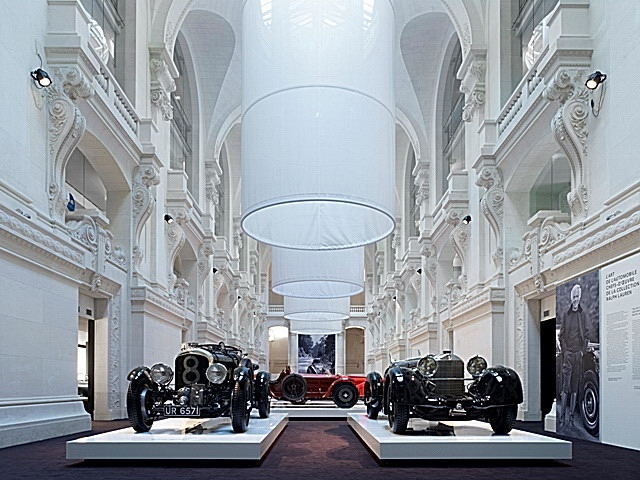
The store at 173 Boulevard St. Germain is a restoration project that was 3 years in the making. At the opening of the store Hubert de Givenchy (Founder of Givenchy) praised the three-year restoration of the store, from digging out a Roman well and skulls in the cellars to re-gilding the upstairs boiserie: “He saved the building for France.” To ensure that everything about the restoration was exactly right, Ralph Lauren employed consultant historical architects. It is the attention to detail in everything that Ralph Lauren does.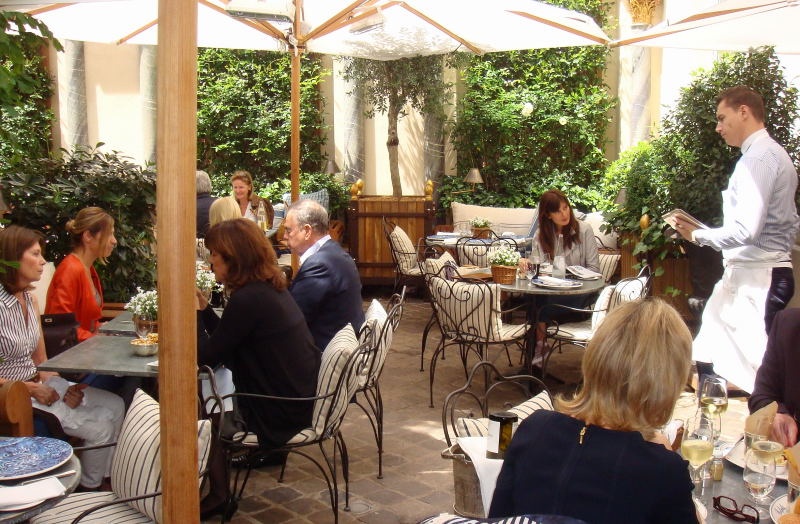
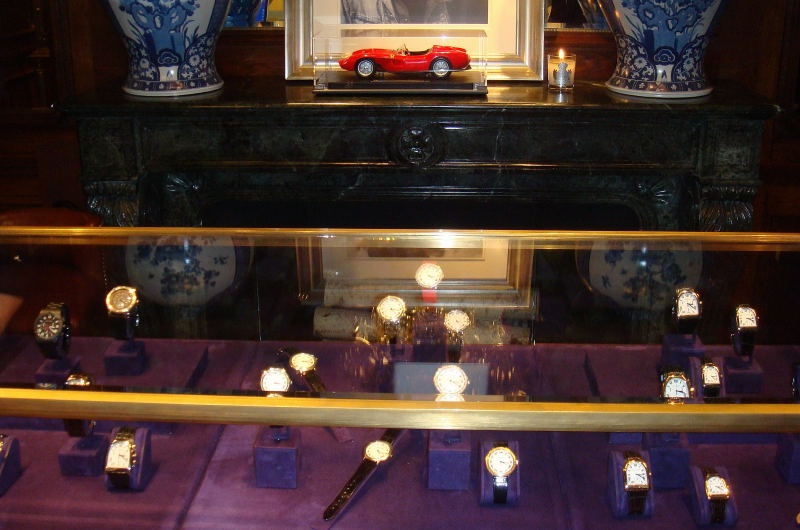
As you walk into the Courtyard (that now houses the restaurant: Ralph’s), the door to the right leads into the Ralph Lauren Watch atelier. This is one of a few dedicated Watch Salons in the world and houses the full range of watches. From the timepieces that are designed with Automotive inspiration in mind, and other ‘one-offs’, to the standard range that are now becoming known in watch enthusiast circles.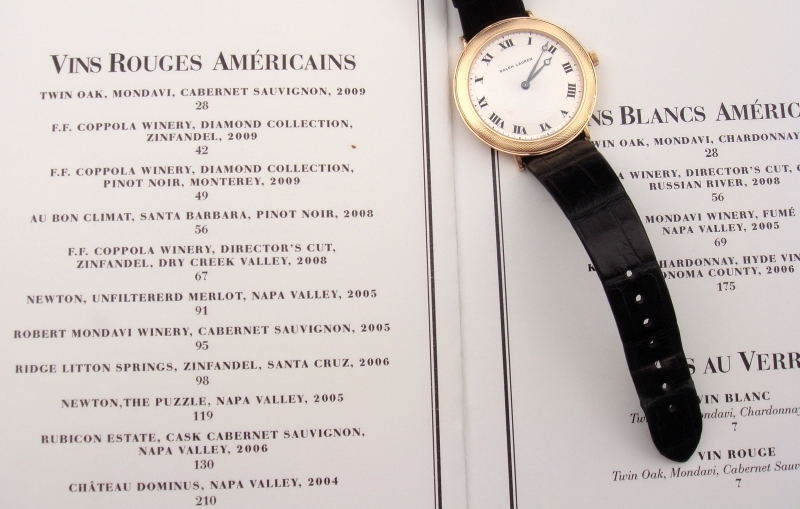
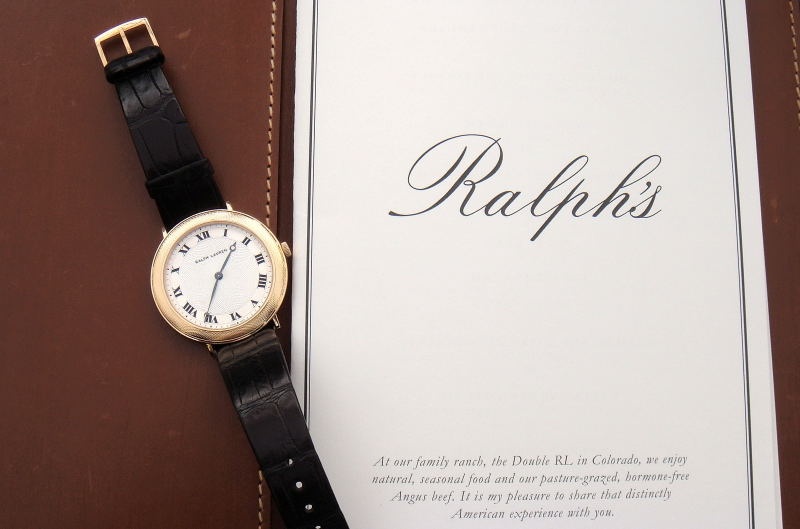
My wrist companion for the day was the same Ralph Lauren Slim Classique that I had reviewed back at the end of last year: home.watchprosite.com
We settled into lunch at Ralph’s, the restaurant that Ralph Lauren set up to celebrate American food. The restaurant itself is testimony to Ralph Lauren’s attention to detail. Everything about the food has an American authenticity about it. From the Oyster crackers for the clam chouder being flown in from Vermont, to the tomatoes being of the Early Bird variety that I found in California. The steaks are flown in from Ralph Lauren’s own cattle herd from the Double RL Ranch in Colorado. I can tell you they are excellent. While some locally produced wines are available at Ralph’s, the American wine list is one of the best outside the US. We ordered a bottle of Ridge Lytton Springs Zinfandel from the Santa Cruz mountains. For a moment, it was true west-coast; I could have been sitting in a courtyard in northern California.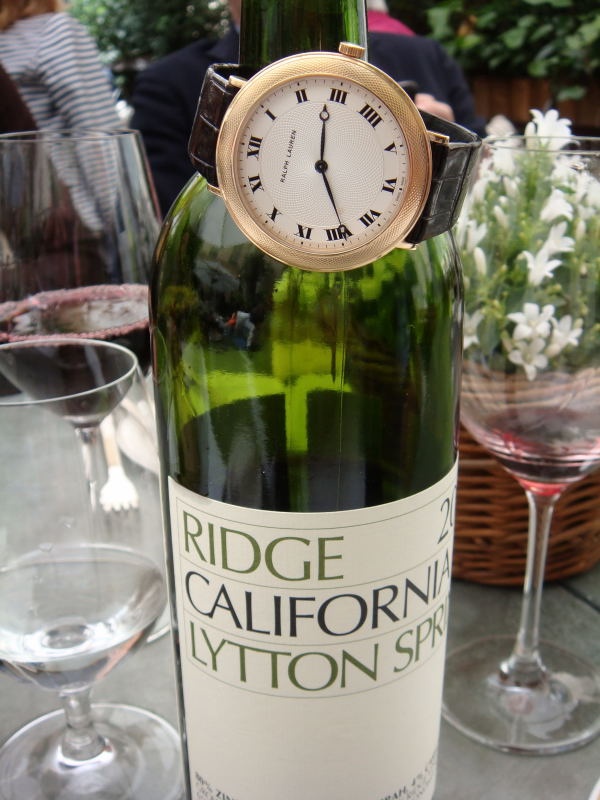
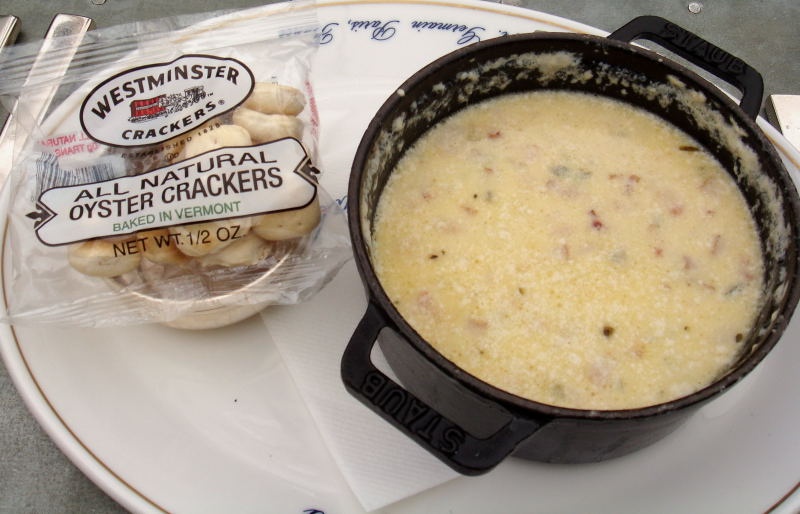
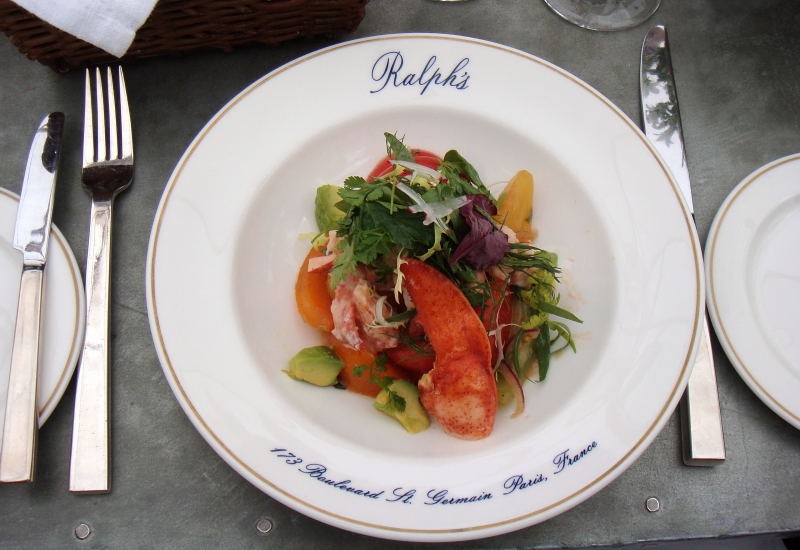
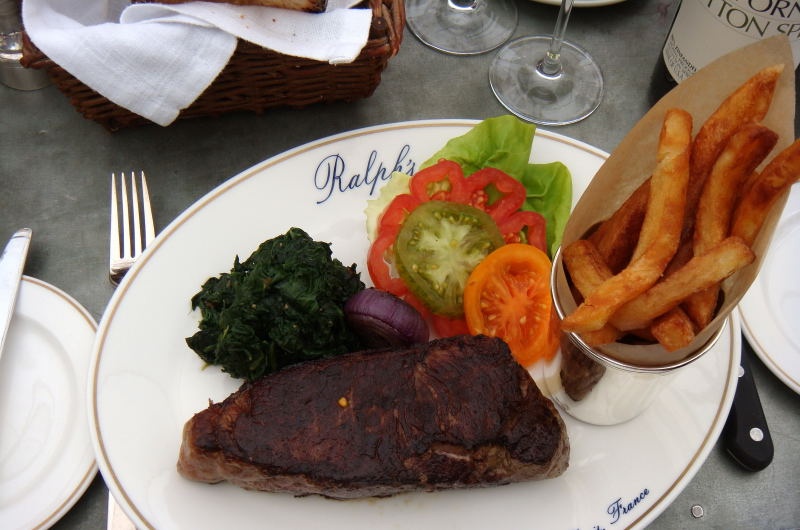
Even though, as an American in Paris, you might get enraptured by the Parisian scene, there is a small part of the 6th Arrondisement where you can go back home. What is startling is the almost seamless transition between American and French. There is to my mind, little apart from a terminology difference between ‘steak and fries’ and ‘steak-frites’. What matters is the execution of the food itself and in that area the kitchens at Ralph’s are one of the best. The food reminded me of the type of fare that could be found in restaurants such as the ‘Chez Panisse Cafe’ in Berkeley California, where the fresh and natural taste of the food is accentuated in the food, rather than covering it with sauces or reconstituting it. It took me back to my home in California, if only for a short while. Before I knew it, I was back on the Boulevard St. Germain!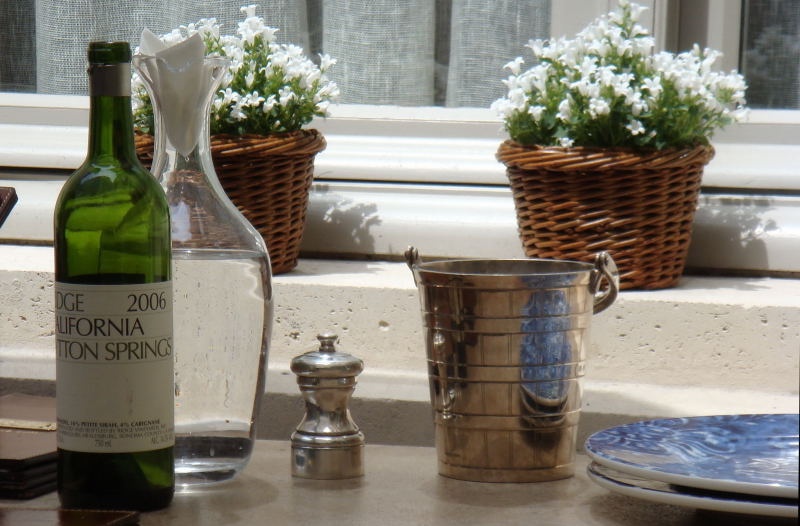
I recommend both the Automobile exhibition at the Musee, and dining at Ralph’s. Both are a great experience. However, I will end with an appeal! Ralph Lauren is also known as a watch collector of equal standing as his car collection. His choices are eclectic and insightful, and it is certainly my wish (and the other watch journalists who were with me that afternoon) that a similar exhibition can be assembled in the near future on Ralph Lauren’s vintage watch collection. I am sure that if so it would astound and delight watch collectors the world over.
Here’s hoping!
Andrew H This message has been edited by AnthonyTsai on 2011-06-24 06:05:46
An American in Paris: The ‘Haute’ of Automobiles, Horologie, and Cuisine from Ralph Lauren

the world's most expensive hamburger!
Yes, but it can feed the whole table! I was surprised
I've had a chance to examine Ralph Lauren's watches.....
The Ridge Zin reminded me of 'home'. Used to live in CA


Beautiful day in Paris..
Thanks - it was a beautiful day in Paris and hope to be back
Both were great! As I said, was not that keen on the

That watch on the menu... is very nice...
I think RL is having fun, both with cars and with his watches,

Very nice fusion article. The cars were amazing and the place
Thanks for the kind words. Then I know where you are. Ridge

Thanks Imran - there is always the Eurostar for the day trip...


Thanks Andrew for the visit !