
Quartz
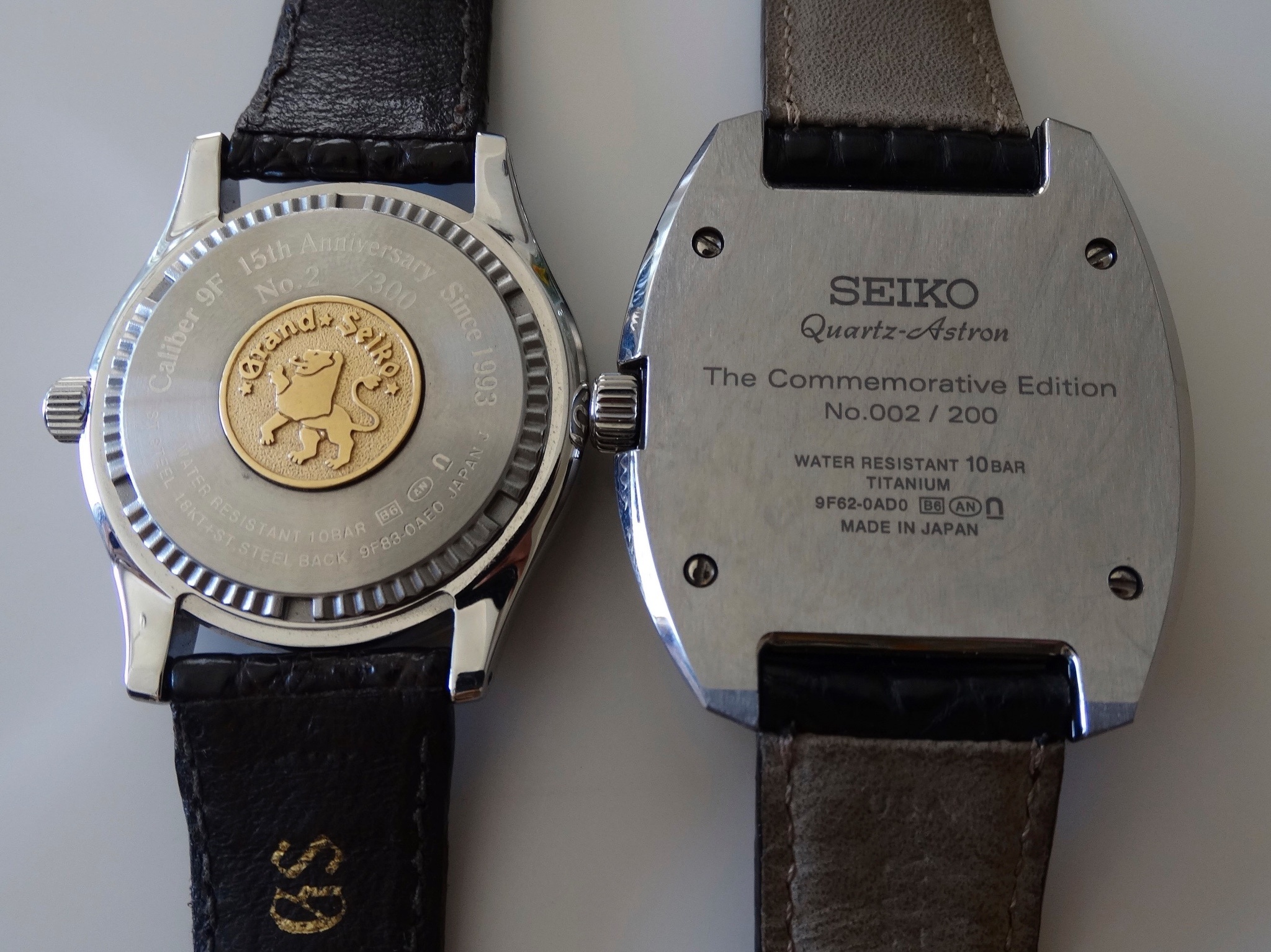
Grand Seiko Spring Drive UFA
Rolex Oysterquartz
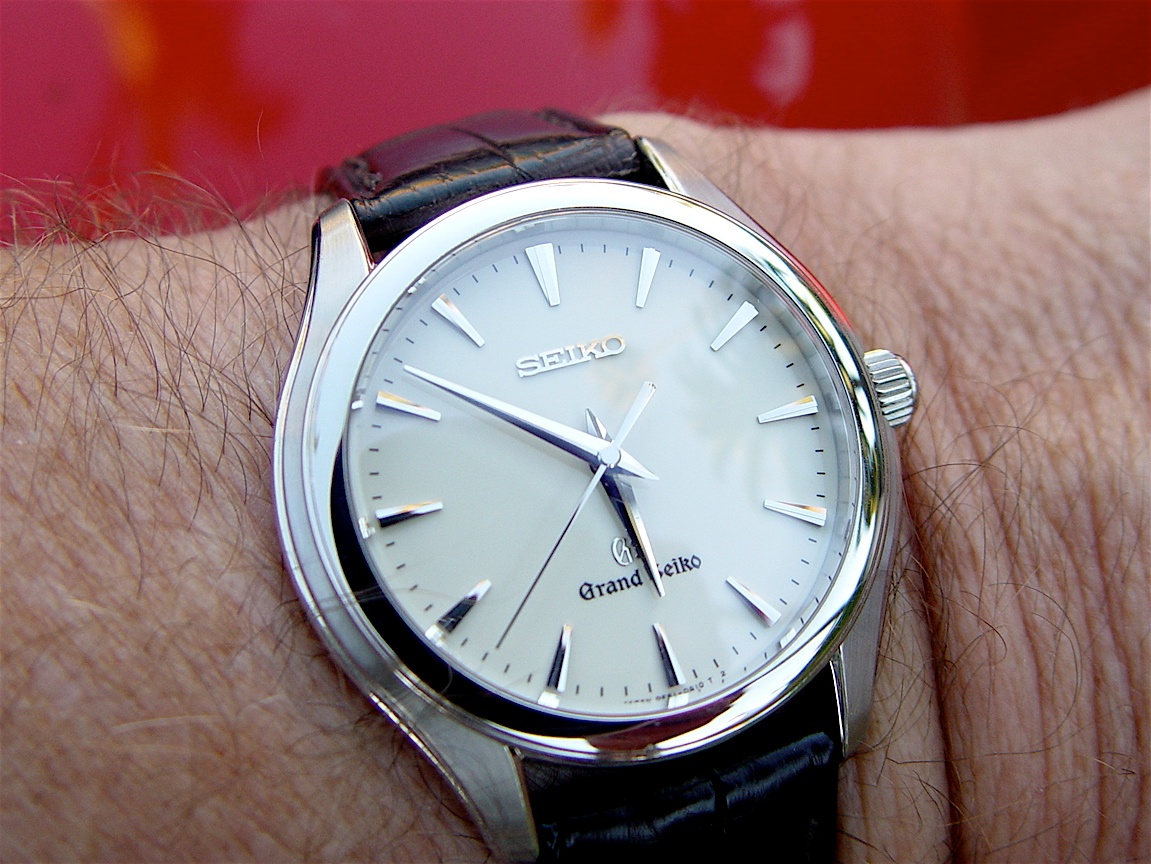
Grand Seiko Quartz
Each movement is absolutely unique and tells an exciting story.
Hopefully three times 13 won't bring bad luck.
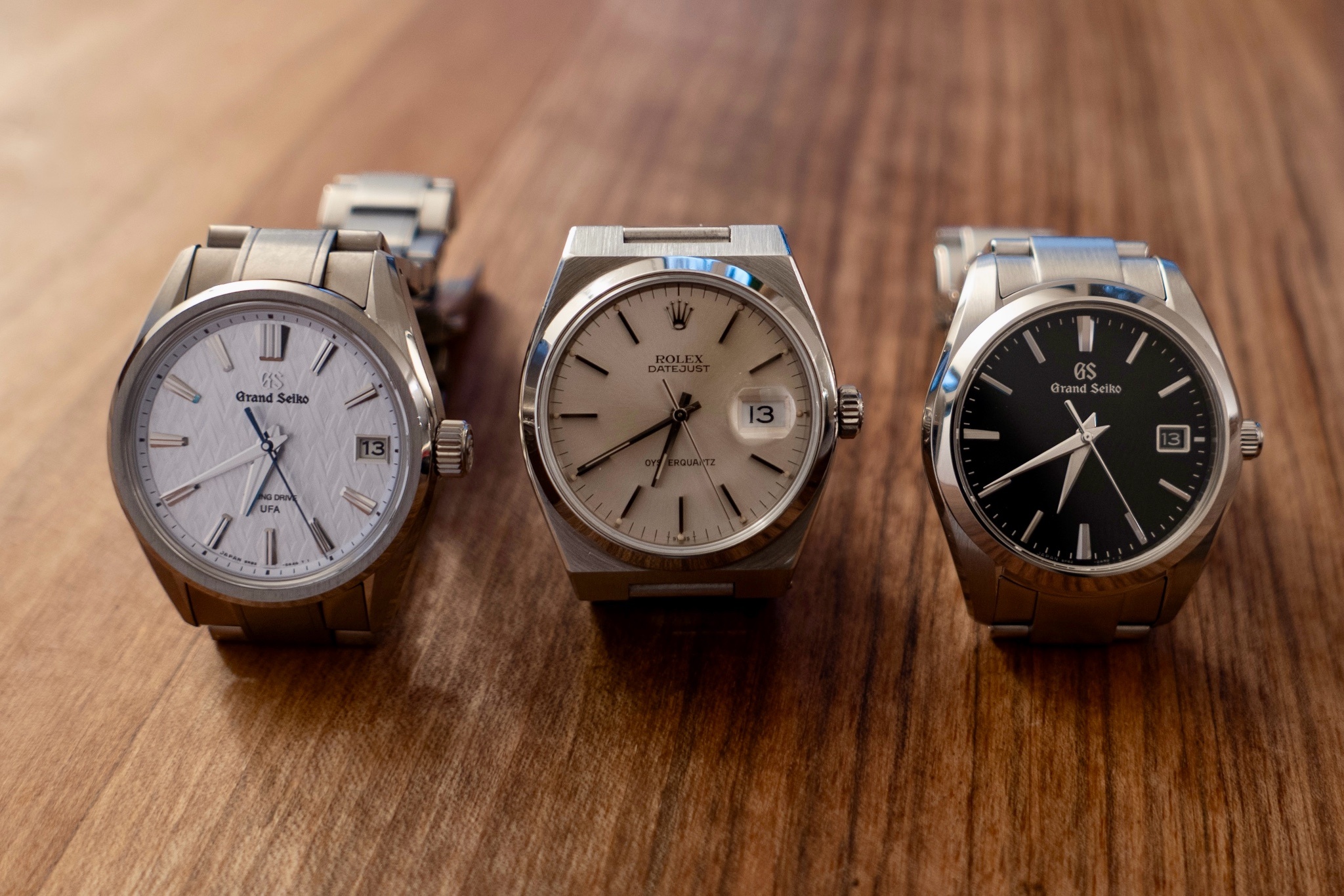

Nice collection!
I’m very happy to see love for these unappreciated but technically superb watches.
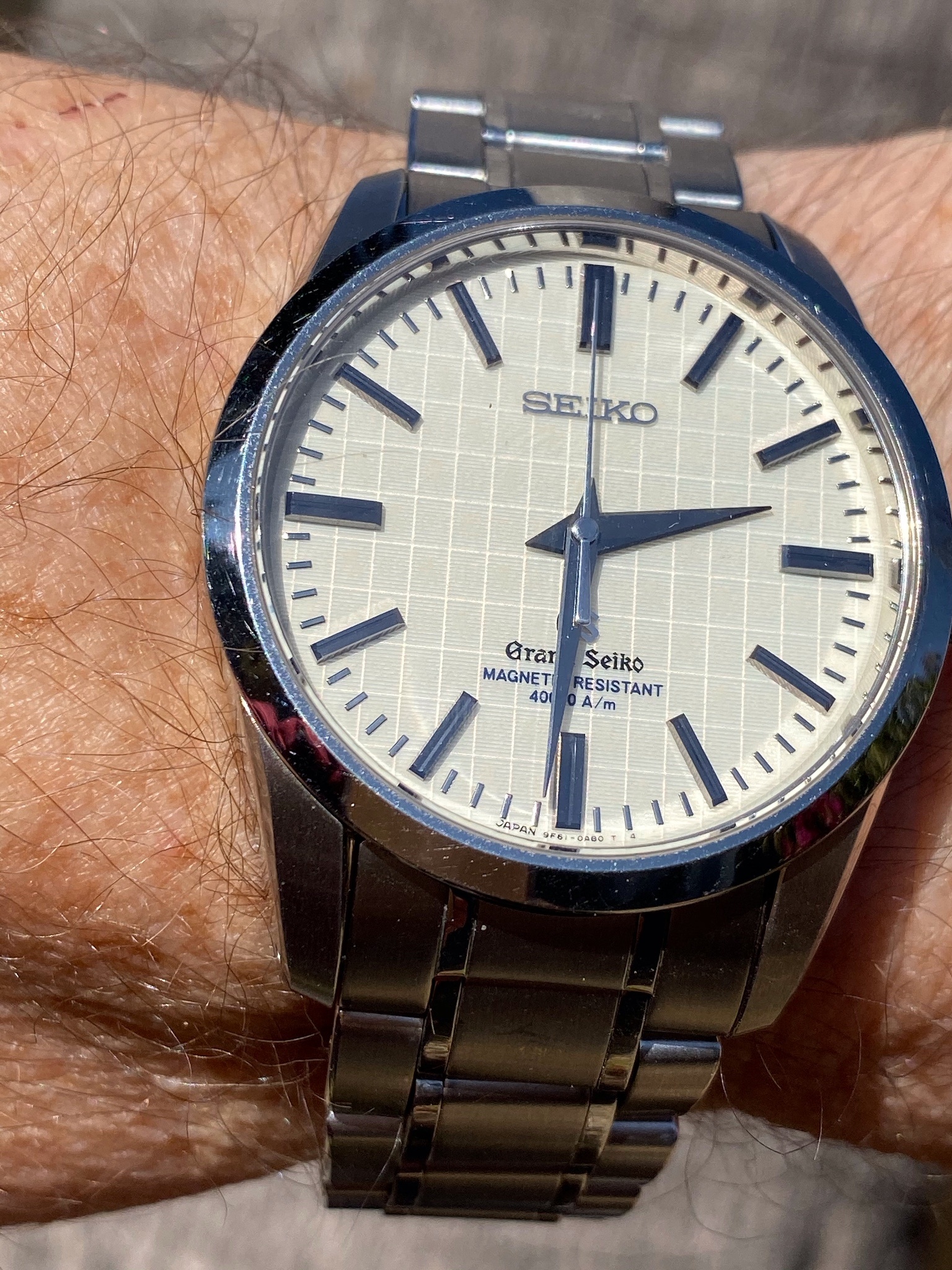
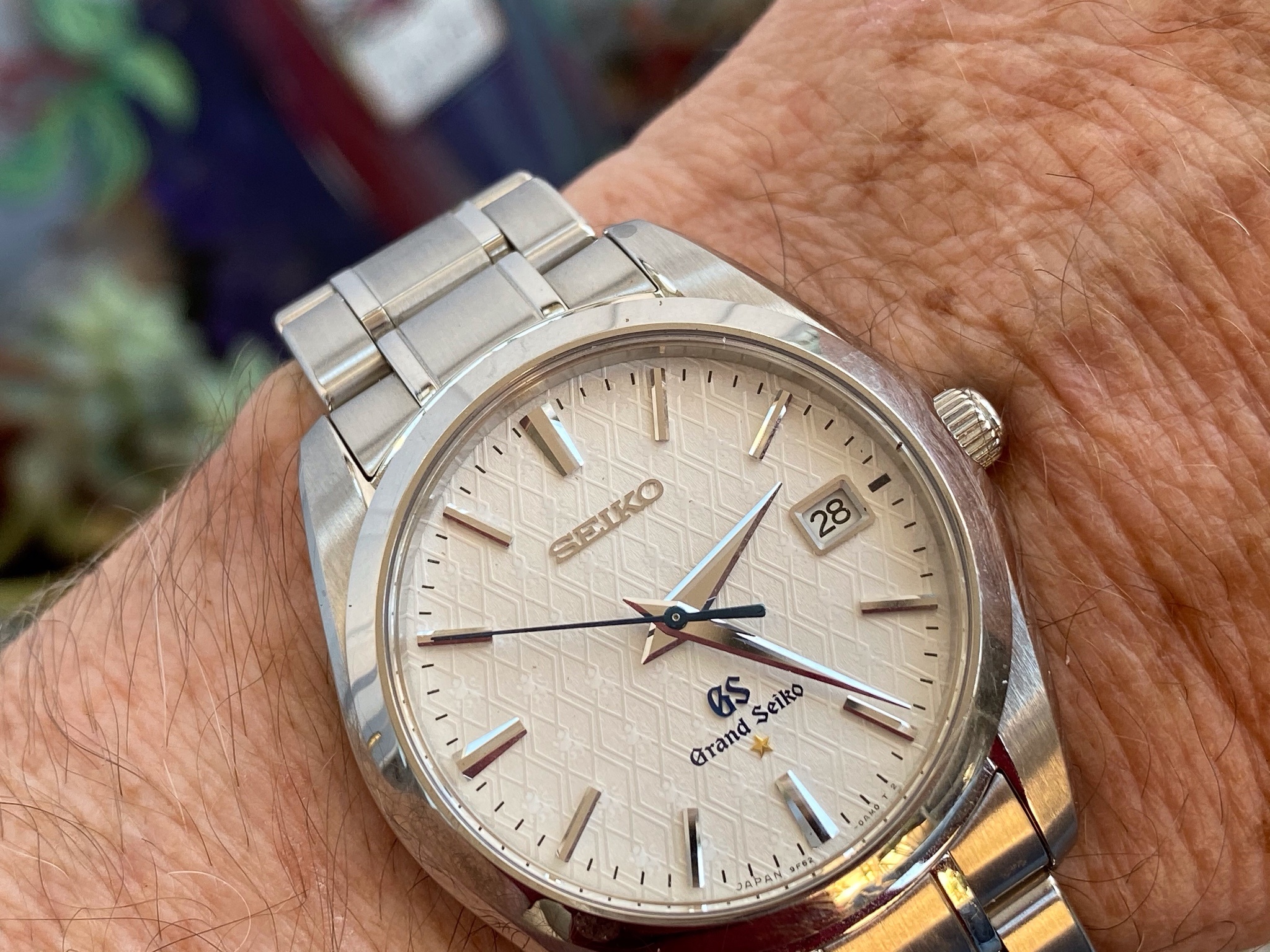
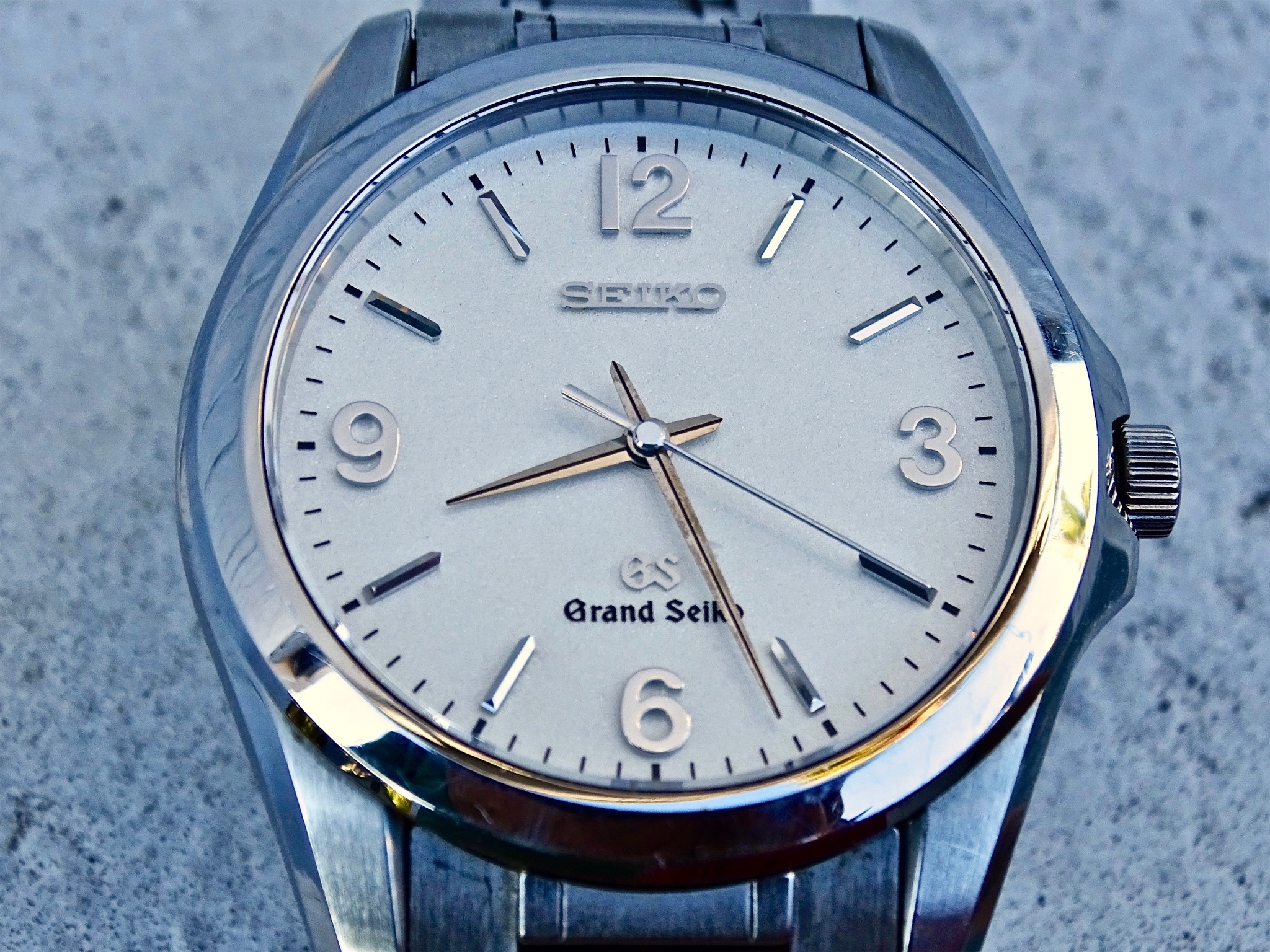
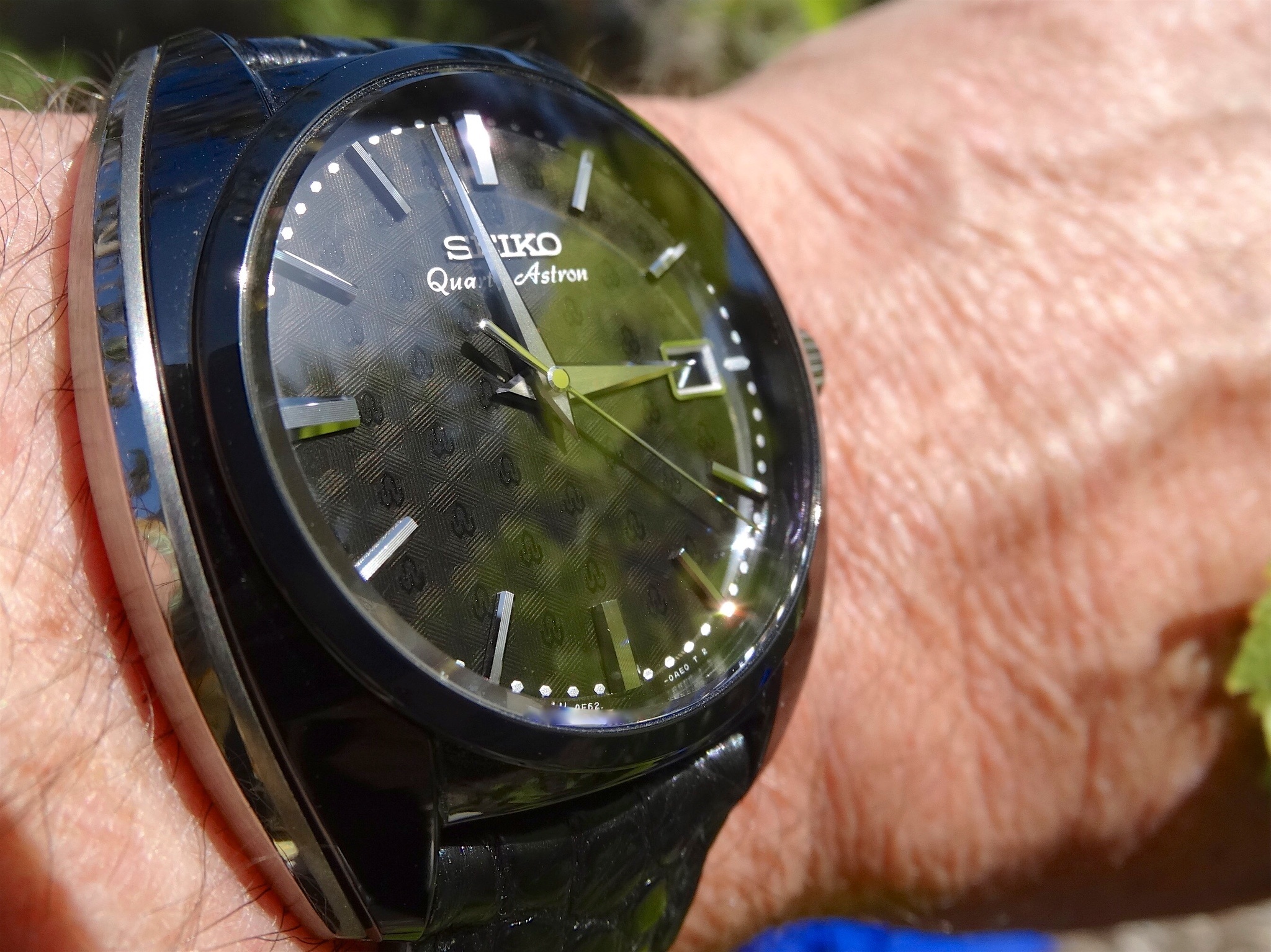
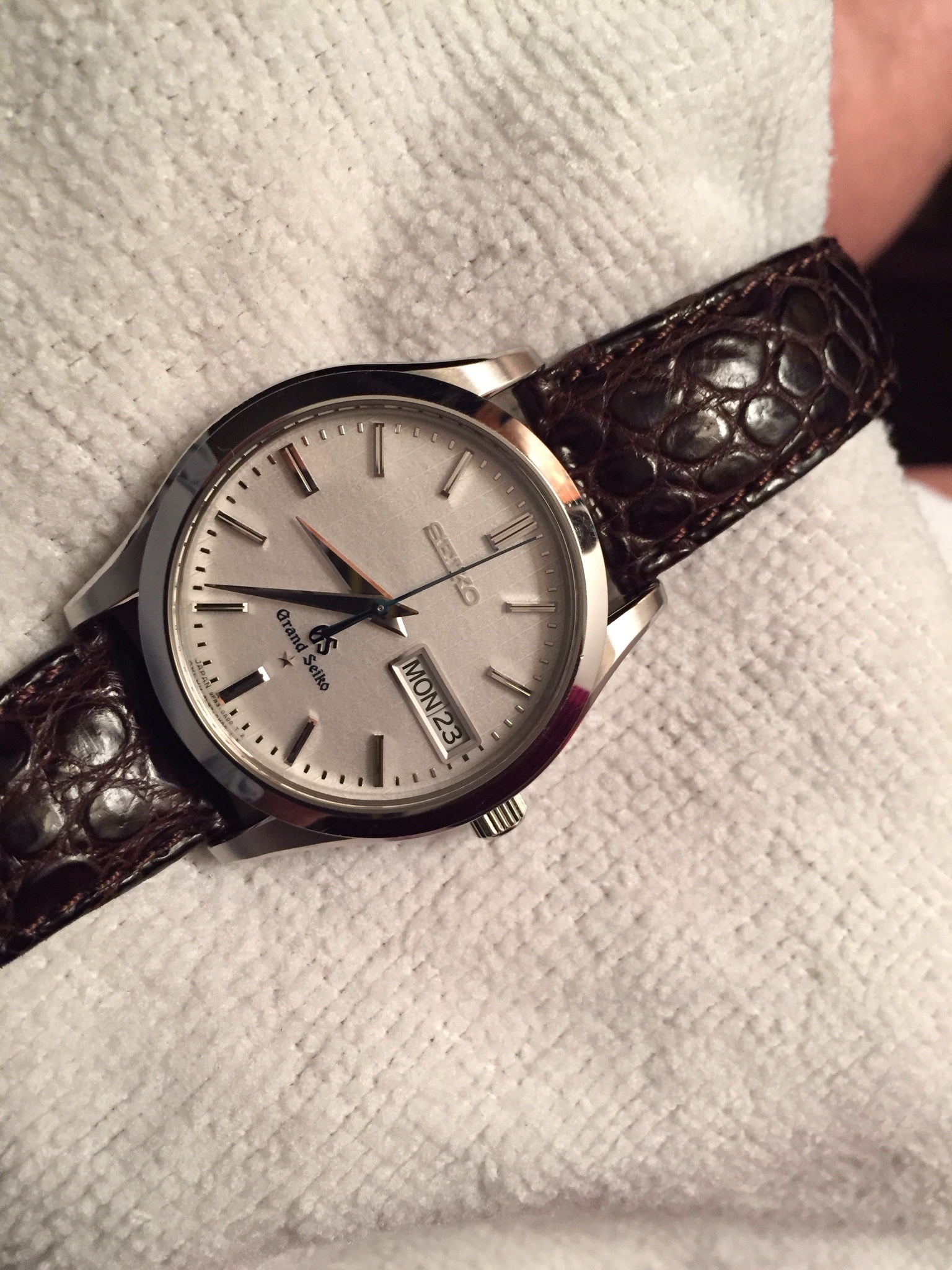
Not counting Spring Drives; there have been too many 🙁
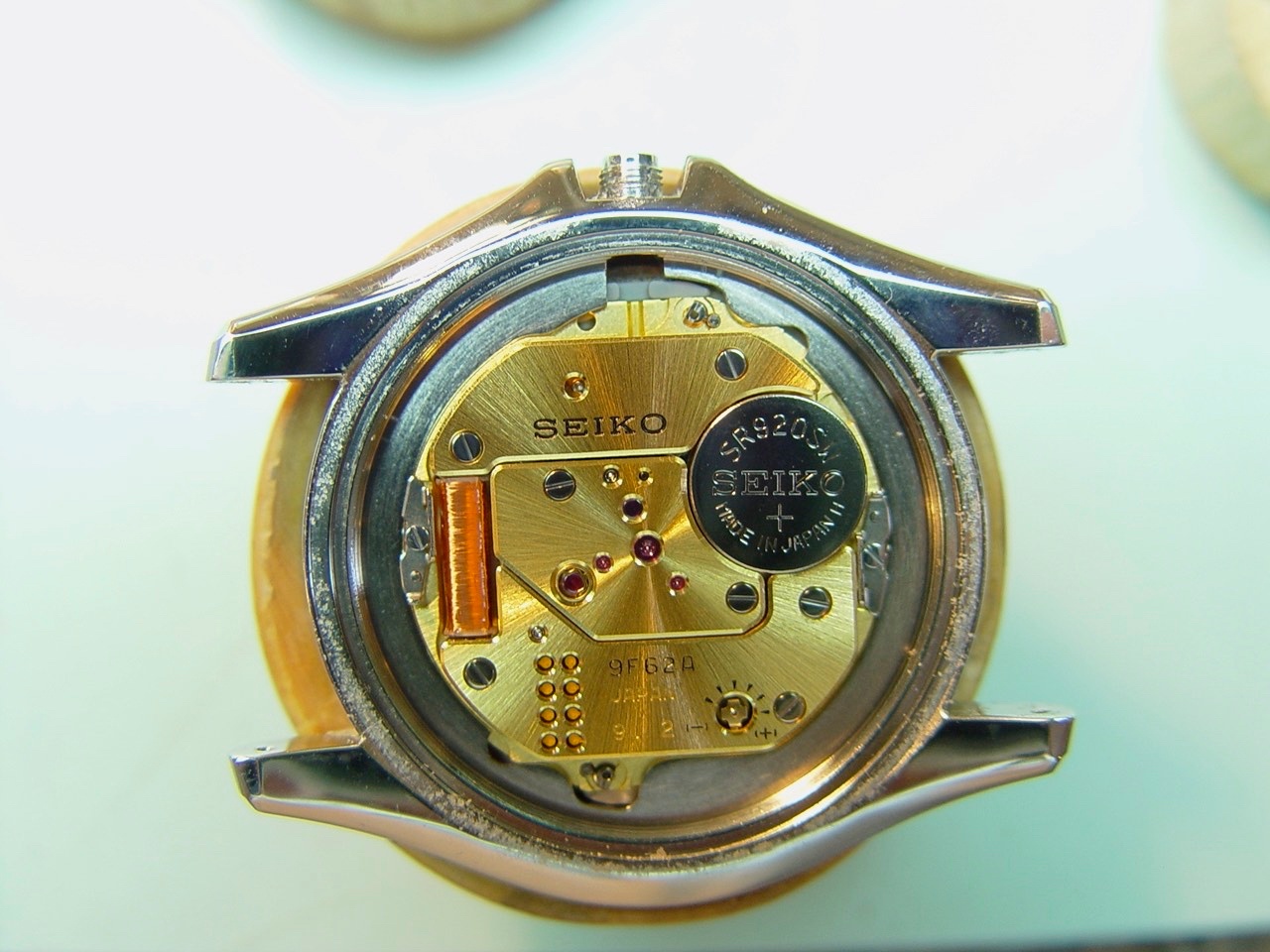
Insides:
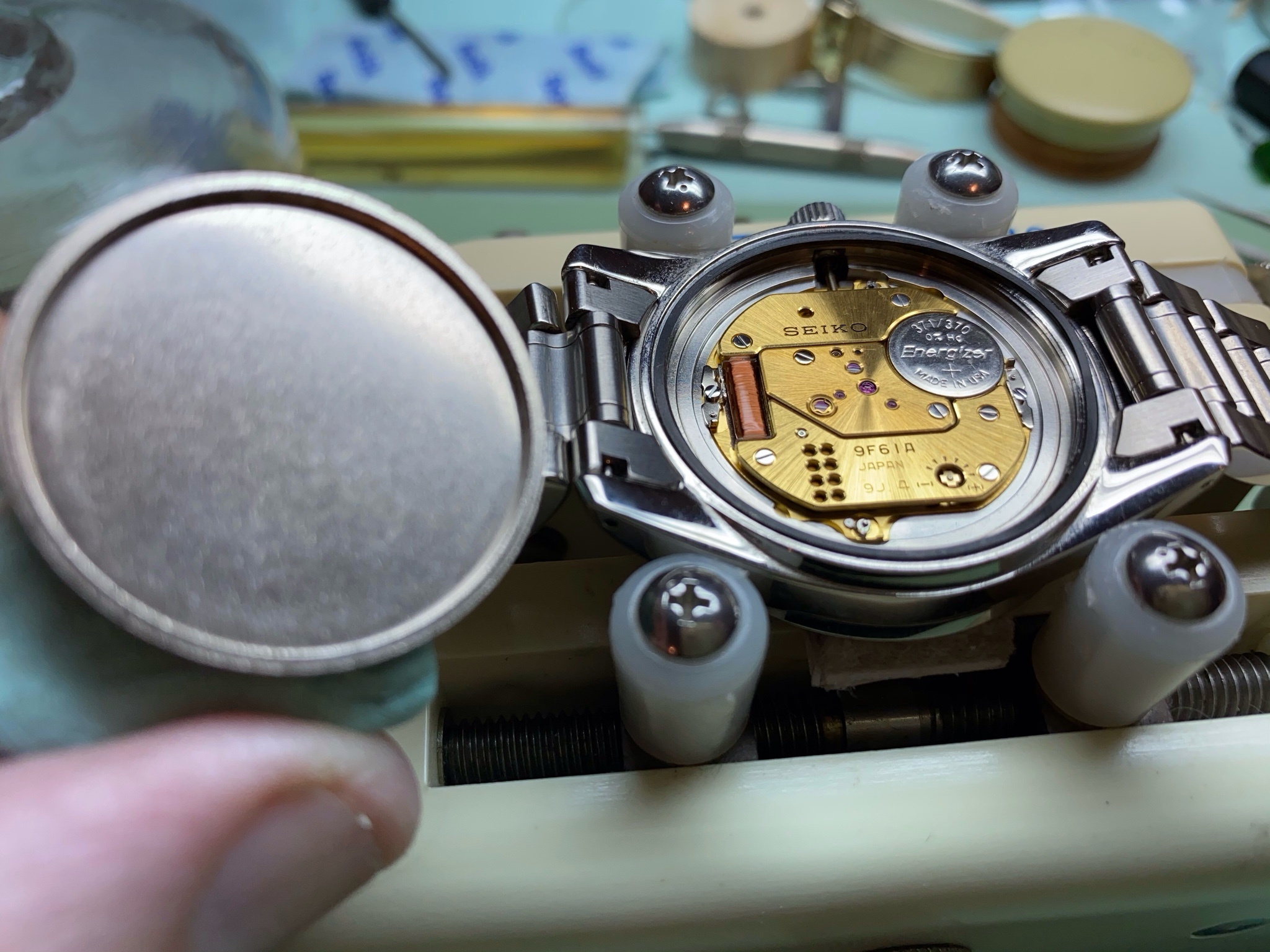
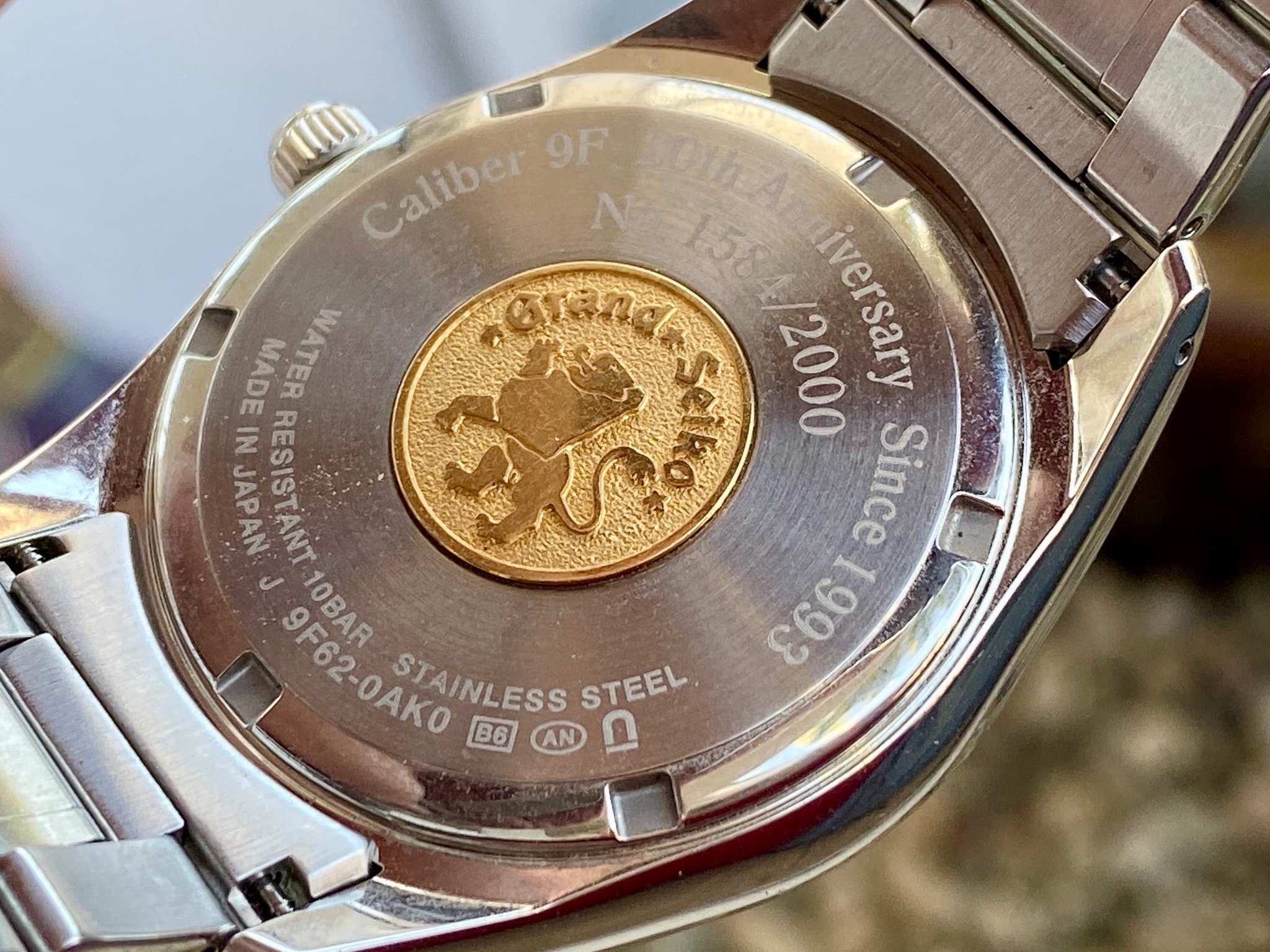
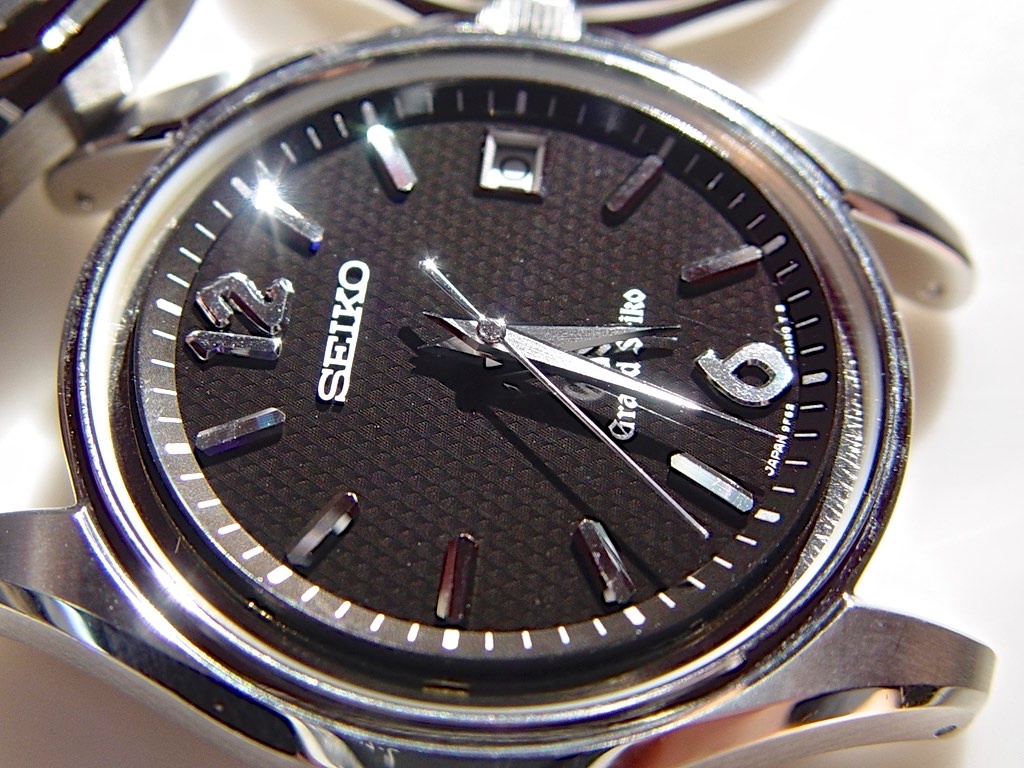


Super nice trio but...

Look at the power storage and regulator separately
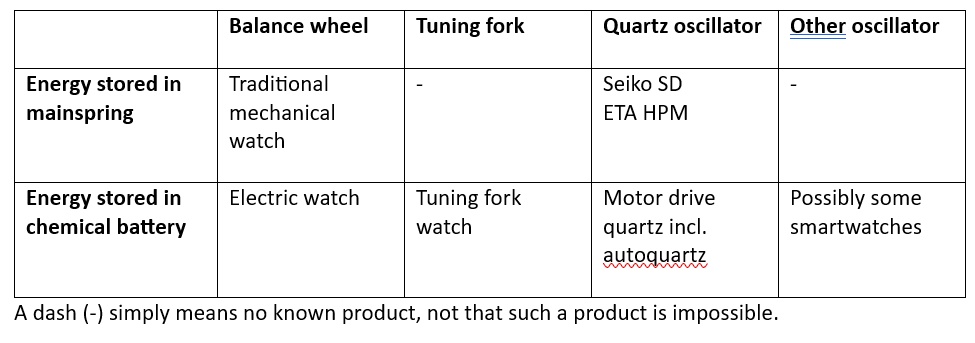
Spring Drive is quartz regulation X mainspring.
Electric watches were balance wheel regulation X battery
I think we need to include Accutrons in this chart, and probably Solar watches as well!
Key Components and Mechanism
1 Tuning Fork:
- The heart of the watch is a small, metal tuning fork, typically shaped like a U with two prongs.
- In the Accutron, the tuning fork vibrates at a precise frequency of 360 Hz (360 cycles per second)
- The tuning fork’s consistent vibration serves as the timekeeping element, acting like a pendulum but with far greater precision.
- A small battery (usually 1.35V) powers the watch, providing energy to sustain the tuning fork’s vibrations.
- The tuning fork is fitted with a tiny magnet at the end of each prong. These magnets interact with electromagnetic coils in the watch.
- A transistorized electronic circuit sends small electrical pulses to the coils, creating a magnetic field that keeps the tuning fork vibrating continuously.
- The vibrations of the tuning fork are mechanically translated into rotational motion to drive the watch’s gear train.
- One prong of the tuning fork has a tiny jewel (called a pawl) that engages with an index wheel, a small gear with 300–400 tiny teeth.
- As the tuning fork vibrates, the pawl pushes the index wheel forward in tiny increments, converting the rapid oscillations into a controlled, stepwise motion.
- This index wheel drives the gear train, which moves the watch’s hands to display the time.
- The gear train reduces the high-frequency jumping motion of the index wheel into slower movement to turn the hour, minute, and second hands.
- Accutron’s second hand moves in a smooth, sweeping motion due to the rapid 360 Hz vibrations, giving it a distinctive glide.
- A battery powers the electronic circuit, which is simple but efficient, allowing the watch to run for about a year before needing a replacement.
- The Accutron’s battery was a innovation at the time, and eliminated the need for winding like traditional mechanical watches.
- Accuracy: The 360 Hz tuning fork provided accuracy within 1-2 seconds per day, far surpassing most mechanical watches of the era (several seconds per minute).
- Smooth Motion: The high-frequency vibrations resulted in a smooth sweep of the second hand, a feature later associated with luxury mechanical watches.
- Reliability: With fewer moving parts than a traditional mechanical watch, the tuning fork system was less prone to wear and required minimal lubrication.
- Humming Sound: Unlike the ticking of mechanical watches, the Accutron produces a faint, high-pitched hum due to the 360 Hz vibrations of the tuning fork.
- Historical Significance: The Accutron was used in NASA missions, including Apollo, due to its reliability and accuracy in extreme conditions.
- Battery Dependency: The watch requires a battery, which was a novel concept in the 1960s but needed periodic replacement.
- Obsolescence: Quartz watches arrived in the 1970s, using a quartz crystal vibrating at 32,768 Hz which were more accurate and cheaper to produce.
- Maintenance: the tuning fork mechanism requires specialized knowledge; parts for vintage Accutrons can be hard to find today.
- The Bulova Accutron Spaceview, with its transparent dial showcasing the tuning fork mechanism, became iconic for its futuristic design.
- The Accutron 214 (the original model) and later variants like the 218 and 224 refined the technology, adjusting components and adding features like a day or day/date window
Quartz wristwatches operate using a quartz crystal oscillator to keep time with high accuracy, with the following components:
- Power Source: A small battery provides power to the watch's electronic components.
- Quartz Crystal Oscillator: The core component is a tiny quartz crystal, cut into a tuning fork shape. When an electric current from the battery is applied, the crystal vibrates at a precise frequency, typically 32,768 times per second (32.768 kHz), due to a piezoelectric effect. (When an electric voltage is applied to the quartz material, it causes the crystal lattice to deform, producing mechanical movement or vibrations. In quartz wristwatches, this is how the quartz crystal oscillates at a precise frequency [32,768 Hz] when powered by a battery.)
- Integrated Circuit: The vibrations are counted by an integrated circuit (IC). The IC divides the crystal’s high-frequency oscillations into regular pulses, usually one per second, to create a stable timekeeping signal.
- Stepper Motor: The IC sends these pulses to an electric stepper motor, which converts the electrical signals into mechanical movement. The motor turns gears in small, precise increments.
- Gear Train and Hands: The gears drive the watch hands (or digital display), moving them to indicate hours, minutes, and seconds on the watch face.
- Display: Analog quartz watches show time via hands on a dial, while digital quartz watches use an LCD or LED display to show numbers.
A quartz crystal’s consistent vibration frequency ensures accuracy, typically losing or gaining only a few seconds per month, far better than mechanical watches. The battery usually lasts 1–2 years, depending on the watch. This design is simple, reliable, and cost-effective, making quartz watches popular since their introduction in the late 1960s.
SOLAR WATCH
A solar watch operates by converting light energy into electrical energy to power a quartz-based timekeeping mechanism, eliminating or reducing the need for a traditional battery:
- Solar Panel: The watch face (or a portion of it) contains a photovoltaic solar cell, typically hidden beneath the dial. This cell captures light from any source—sunlight, artificial light, or even dim indoor lighting—and converts it into electrical energy.
- Energy Storage: The generated electricity charges a rechargeable battery or a capacitor. Unlike standard quartz watch batteries, this storage unit can be recharged repeatedly, often lasting for years. Some watches store enough energy to run for months in complete darkness after a full charge.
- Quartz Crystal Oscillator : Like a standard quartz watch, a solar watch uses a quartz crystal that vibrates at a precise frequency (32,768 Hz) when an electric current from the stored energy is applied, thanks to the piezoelectric effect (explained earlier). This creates a stable timekeeping signal.
- Integrated Circuit : An integrated circuit (IC) counts the quartz crystal’s vibrations and divides them into regular pulses (typically one per second) to drive the watch’s timekeeping mechanism.
- Stepper Motor and Gear Train : The IC sends pulses to a stepper motor, which converts the electrical signals into mechanical movement. The motor turns a gear train, which moves the watch hands on an analog display OR powers a digital display.
- Display: Analog solar watches show time via hands on a dial, while digital ones use an LCD/LED display. Some models include additional features like date, chronograph, or alarms, powered by the same solar energy.
Key Features
- Light Sensitivity: Solar cells work with a wide range of light sources, requiring as little as 200–300 lux (dim indoor light) to charge effectively.
- Accuracy: Matches quartz watch precision, typically losing/gaining only a few seconds per month.
- Eco-Friendly: Reduces battery waste, as the rechargeable cell lasts 10–20 years, and no battery replacements are needed under normal use.
- Power Reserve: Many solar watches store enough energy to run for 6–12 months in the dark after a full charge.
How It Differs
Unlike a traditional quartz watch, which relies on a non-rechargeable battery replaced every 1–2 years, a solar watch uses light to recharge its energy storage, making it more sustainable and low-maintenance. The core timekeeping mechanism (quartz oscillator, IC, and stepper motor) remains identical.
Limitations
- Requires sufficient light exposure to maintain charge; prolonged storage in darkness can deplete the power reserve.
- Solar cells may degrade over decades
- Initial cost may be higher than standard quartz watches due to the solar technology.
Solar watches from by brands like Citizen (Eco-Drive) and Seiko (Solar), combine the accuracy of quartz with eco-friendly power, making them a practical choice.
SPRING DRIVE

I had several of the early ones. On the first model, the movement was fine; the case a bit rattly.


Yes, Accutron is in the chart
I considered solar quartz watches as part of the quartz regulation X battery category, since the solar cell’s function is to charge the battery.
Same with Seiko Kinetic / ETA Autoquartz where the rotor charges a battery/capacitor.

Not aware of a culture where 39 is an u lucky number 😁

Oyster Quartz?


