
patrick_y
[PuristSPro Moderator]
33543

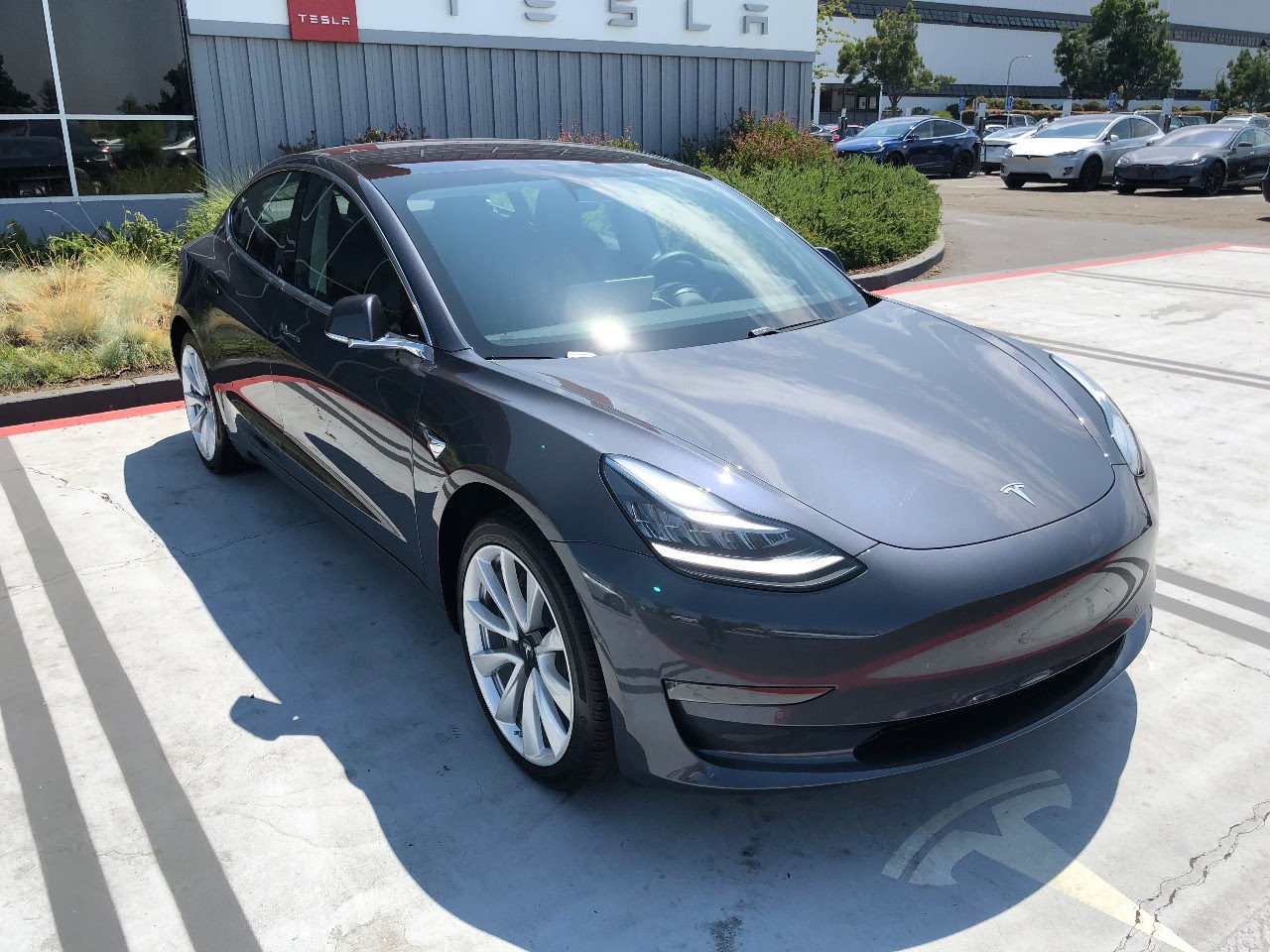
Which kind of Tesla were you in? The Model 3 is the worse offender!
The Model 3 with the standard brakes (high performance model has bigger and better brakes) really doesn't do well. And they're not consistent. Oddly, the brakes are all made by highly regarded Brembo (calipers, pads, and rotors) and the calipers are made in their Mexico plant (don't know where the rotors and pads are made, maybe Mexico as well).
I recently drove the Taycan RWD base variant. I've only owned RWD cars. I'm not always happy about the steering feel in AWD cars. So I test drove the Porsche Taycan RWD car. I also prefer non-air suspension cars for sporty cars - to me air suspension should be relegated to luxury cars and SUVs only. To me (and some of you may say that I'm being too picky), the Taycan RWD felt extremely slow and extremely heavy. The torque curve of the power delivery was very gradual and consistent (the Tesla torque curve on Model 3 dies off after about 7-8 seconds of strong acceleration - maybe the battery can't provide continuous high power for very long) in the Porsche - very precise - but net power felt really low. The car also was VERY HEAVY and had A LOT OF INERTIA. We generally call a slow car on the racetrack a "momentum car" and this Taycan felt like a momentum car. The brakes on the Taycan ARE MUCH BETTER than the Tesla Model 3 brakes. Tesla Model 3 brakes are so bad, I don't think I would survive half a lap on the local racetrack. The local racetrack has 11 corners, entry speed into turn 2 is a downhill 120mph to 140 mph 180 degree left-side hairpin turn. To brake from 120 mph to 40-50mph would likely overwhelm the Tesla Model 3's brakes. And you'd likely crash at Turn 2. The Porsche's brakes - while I haven't done any measured stops, would likely be more consistent. And you could probably do a "brake in a box" consistency-test ten times fairly consistently in the Porsche.
I was told by many Taycan owners that acceleration in the RWD variant isn't very "electric-car appropriate" which is why they upgraded to the "4S" Taycan or Turbo model. One also said he noticed the car is very heavy but he says he is very used to it, so it doesn't bother him anymore. But he confided in me that when he first got the car he found the car was not very responsive - he said, "I turned the steering wheel, and there is a substantial delay, the car didn't respond for the first quarter second." The 4S model has air suspension as standard - I'm not a big fan of air suspensions in sporty cars, and I'm not accustomed to AWD cars. I haven't driven the 4S model - but I have a feeling that I'd like it if I didn't mind the AWD and air suspension aspects.
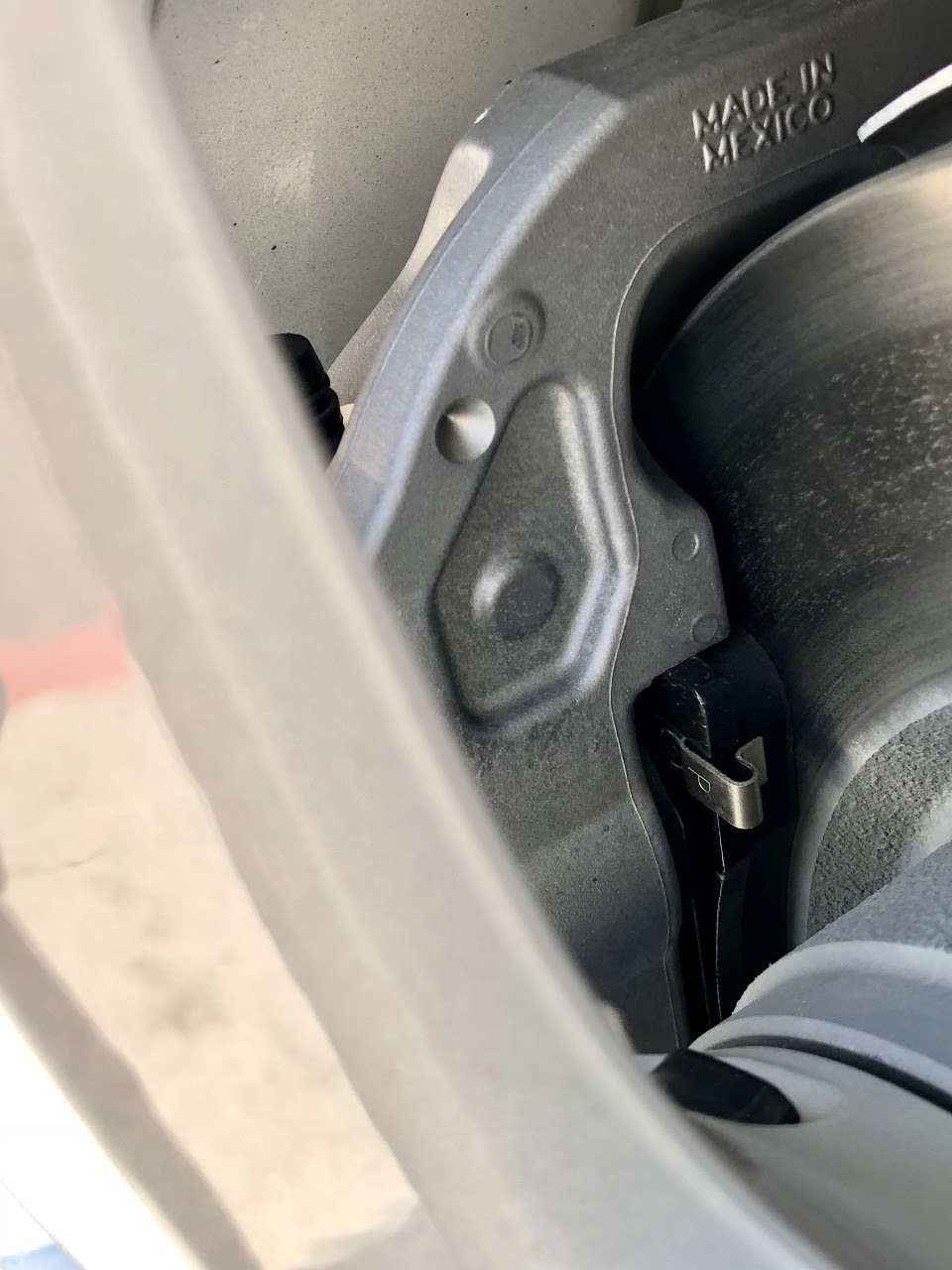
Tesla Model 3 Brakes - NON PERFORMANCE Front Caliper. Caliper is a 4 piston caliper, doesn't look very rigid. Rotors are small, really small. Like only 12 and a half inches in diameter! Rotors are ventilated but the vanes inside are straight and not directionally vaned. Pads seem a little thin.
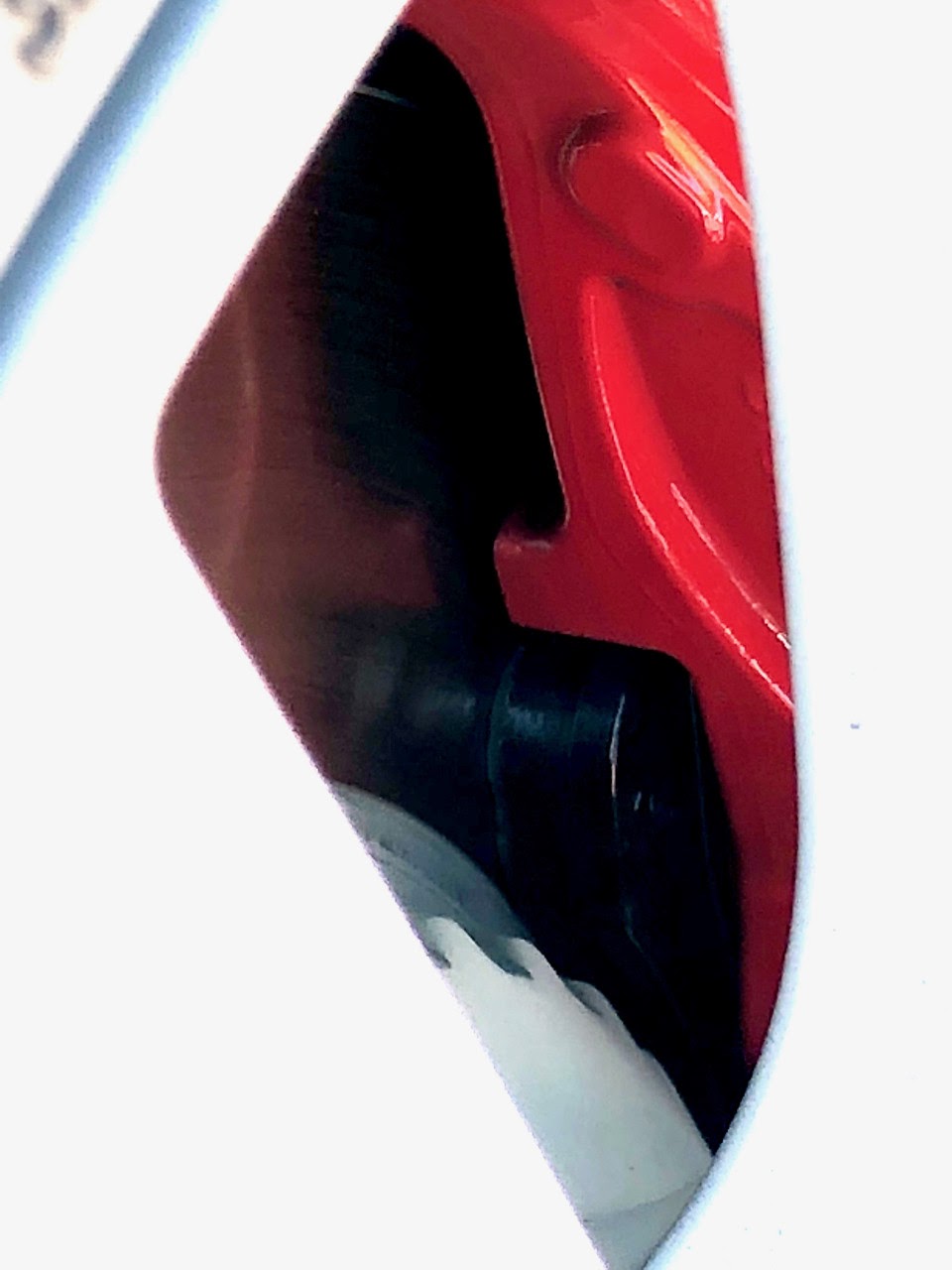
Tesla Model 3 Performance (with Performance Upgrade Package) Front Caliper. Notice, much larger caliper, still 4 pistons, thicker pads (more pad material before heat transfers to caliper and brake fluid), larger diameter rotors (about 13 and a half inches in diameter), larger swept area, rotor might be directionally vaned inside, and rotor is separated from hub.
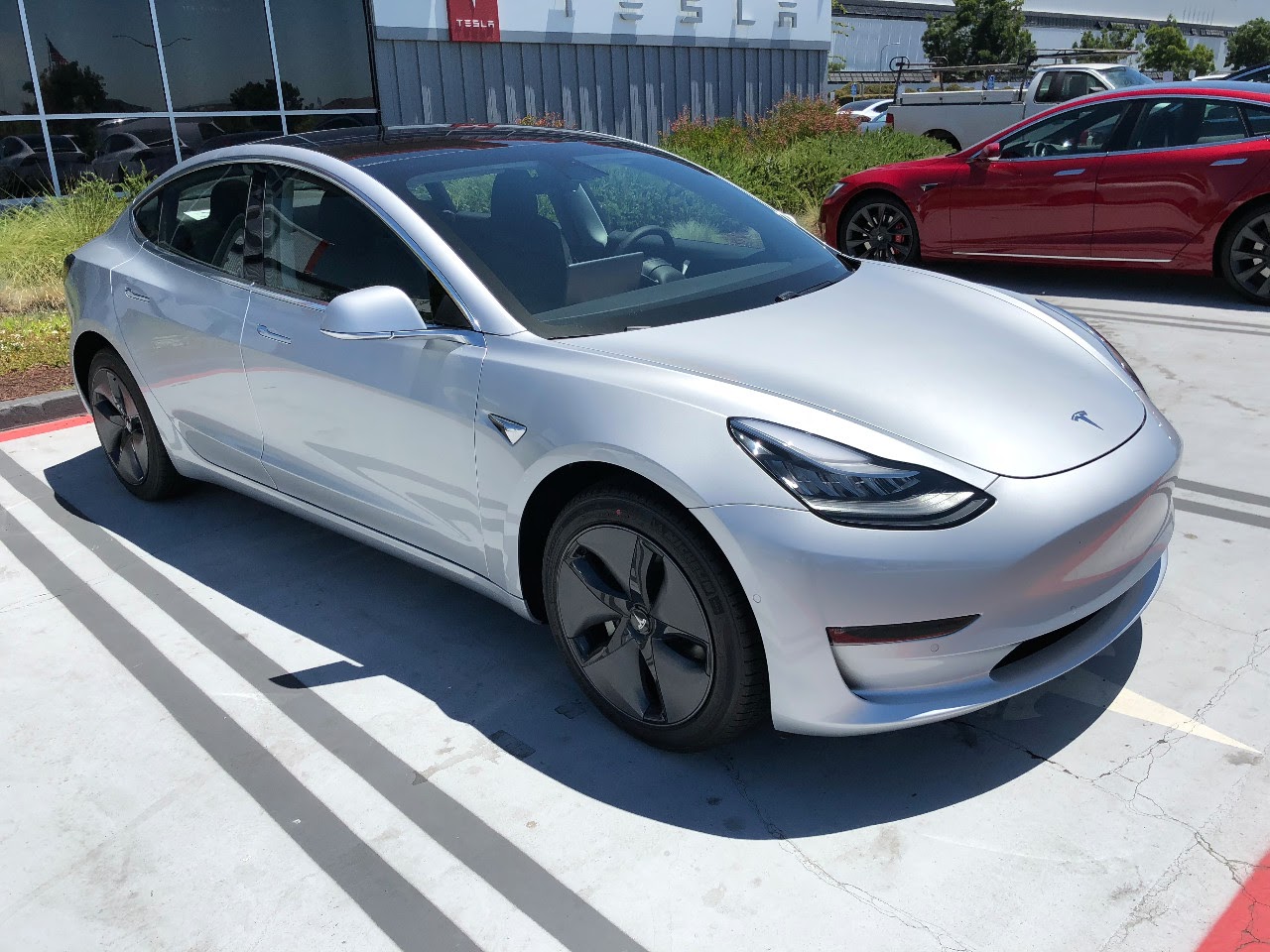
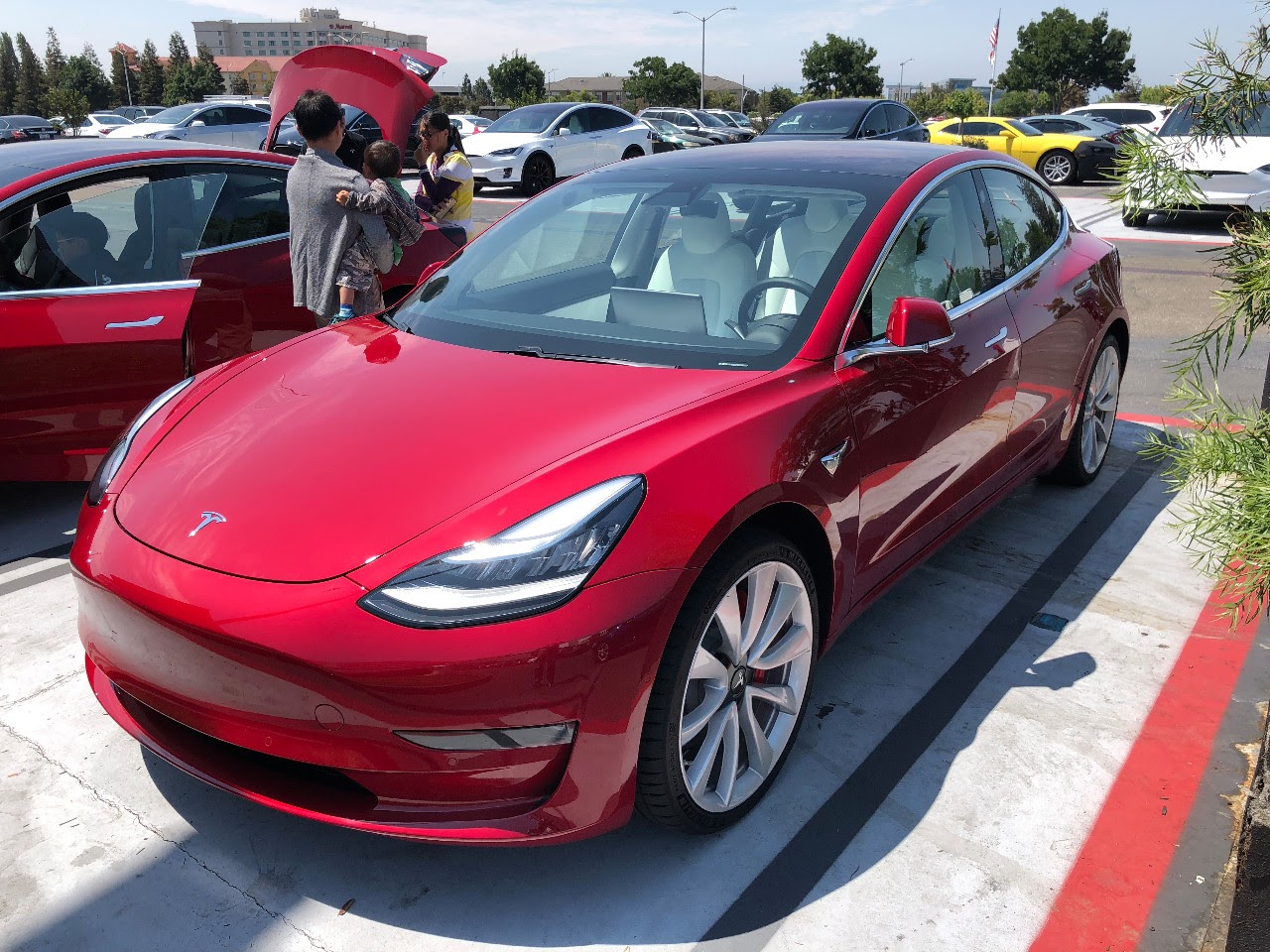

First time driving an EV today!
My BMW X3 M40 is in for a routine service, and they gave me an i5 xDrive 40 for a loaner. The first thing I noticed was the instant torque. It is fast off the line. The other thing that impressed me: When cruising at 40 MPH, pull the paddle shifter toward...
I'm very happy with M40i's - in a M240i drive convertible and X3M40i
It's a great engine and fun in two different packages
Fantastic!
I’ve owned a handful of BMW’s, mostly 328’s and 335’s. The X3 M40 is my favorite by far. It’s like a Swiss Army knife, it’s got the perfect blend of sport, luxury, and utility for me! 👍🏻
Wait until you drive a Tesla.
That BMW looks very nice! White with red interior! Hot stuff! The last 5 series I owned was a V8 petrol variant - very nice car, aluminum intensive, and had a slightly sporty feel to it. And the last 5 series I drove was an inline-4 petrol 2020 model year...

I would love to read someone’s impressions of the Porsche Taycan. I feel like I’ve noticed quite a number on the street (relatively speaking).
Regarding what you were saying above, I recently experienced your point about the Tesla brakes. While on highway, there was an abrupt slowdown and stoppage in front of me. I noticed it, but had to put full pressure on the brakes because it just didn’t see...
Which kind of Tesla were you in? The Model 3 is the worse offender!
The Model 3 with the standard brakes (high performance model has bigger and better brakes) really doesn't do well. And they're not consistent. Oddly, the brakes are all made by highly regarded Brembo (calipers, pads, and rotors) and the calipers are made ...
Interestingly
You can control the level of braking energy regeneration in the i5. But not the dynamics of the way it handles / suspension 🤷🏻♂️ Currently, the setting is turned up all the way. In my ICE X3 M40, there is def some engine braking, and even more so in Spor...
Great and informative write up Patrick!
Thanks for sharing your experiences. It’s going to take some time to get me to convert from ICE to EV. But I also understand this is the way of the future, and in some places, very possible you won’t be able to buy a new ICE vehicle anymore in 10 years! I...
I'm okay with that...
I'm okay with not having ICE cars in the future. As the electric cars are pretty good. Before my Tesla, I had a very thirsty V8 AMG Mercedes that would need a gas station visit every week. Now, charging at home and rarely ever going to an "electric car ga...

Thank you for this!I have an i5 Touring incoming in a month or so.
Switching from my 3rd EQB 350 and looking forward to trying a different way of driving on electricity. And the instant torque is something you never tire of. Claus

+1 on the red interior Larry
It adds another layer of depth to an already interesting car. After driving an EV today for the first time, I too get the appeal of an EV. But there is something about having traditional gears and wonderful engine sounds and intoxicating exhaust notes tha...
Don't ever drive an Aston Martin Larry...
It would not be considered a "crazy thing" to buy the car just because of the exhaust note alone.
Hey Patrick, my boneheaded decision years ago.
I had a 996 GT3 and traded it for a DB 9 for the looks and exhaust note ( I thought I was J Bond ) absolutely dull performance. Worst decision EVER!
Uh Ohhhhhh...
Yeah... That would've been a "bad crazy" decision. Sorry my friend. Wished I had known, I would've talked you out of that one! I never had a 996 GT3. That must've been cool.

I've only experienced the 997 GT3. Didn't get a chance to drive the 996 GT3.
The 997 GT3 was a little raw - easy to understand to drive the car at 7/10ths, but not easy to understand to drive the car at 9/10ths or more. I suppose that can be said about many cars, but I'd say the 997 GT3 was especially difficult. The 997 GT3 had a ...
The Huracan is now phased out.
The new replacement is unfortunately Hybridized. Nothing wrong with Hybrids. Just not what I want. I want either something all gas or all electric. Maybe Lamborghini will make a third sports car model that is just petrol powered. But unlikely at this poin...

I’m very pleased with my 2022 X3 M40
So I’m going to hold onto it for a while 🙂 It’s the perfect car for me; Fits my lifestyle well and is fun to drive 👍🏻 PS: But yes, this is a very common dealer strategy: “During service, let’s get him into a nice loaner with only 3,000 miles and that fres...
