
Bruno.M1
4913

A shift from the 60's tot the 90's
n recent years, timepieces from the 1990s to early 2000s have gained remarkable popularity, even surpassing the demand for watches from the 1950s, 60s, and 70s. While classic models from the mid-20th century remain iconic and highly valued by collectors, there is a noticeable shift toward more modern designs and technologies. This trend highlights the growing appreciation for the nostalgia and unique characteristics of watches from the late 20th and early 21st centuries.
As with any trend, there are exceptions. Certain iconic pieces from earlier decades retain their allure, thanks to their historical significance and timeless design. However, the broader market reflects a shift in focus to the aesthetic, materials, and technical innovations of watches from the 90s and 2000s.
Interestingly, this phenomenon mirrors what has been observed in the automotive world. Cars from the 1950s and 60s, once the pinnacle of vintage desirability, are now being overshadowed in some circles by models from the 1980s. The same principle applies: newer "vintage" models resonate more with a younger generation of collectors, aligning with their own memories and milestones. As a result, we see a growing reverence for designs that were once considered too modern to be classic but are now recognized as emblematic of their era.
A significant part of this phenomenon can likely be explained by the influence of new generations. If you were born in the 1970s or 1980s, you were a teenager in the 1990s. During those formative years, you were exposed to watches and cars from that era. Of course, at the time, you didn’t have the money to afford them, but they became aspirations—dreams you hoped to achieve one day. Maybe you had a poster of Cindy Crawford on your bedroom wall, alongside a Porsche 959 or Ferrari F40. If you were into watches, you might have been drawn to brands like Blancpain, Breguet, Roth, Parmigiani, and, naturally, iconic Rolex models like the Submariner or Daytona.
The reality is that now, in your 40s, 50s, or 60s, you might finally have the financial means to make those youthful dreams a reality. As a result, objects from 20 or 30 years ago now capture your attention more than the things your father or grandfather admired in the 1940s, 1950s, or 1960s.
Well, do you agree or do you have a different opinion ?


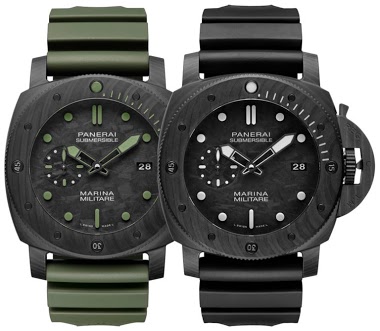

A shift from the 60's tot the 90's


I think it's the value more than the nostalgia. Not sure that many folks had a poster of a Daniel Roth or Cartier on their wall growing up.

Yes, the influence of new generations

Fully agree in principle 👍🏻👌🏻

Very plausible. PLUS we need to think 'fashionable' of today, and does Cash Rule everything (around me).

Well... personally living in Miami during the 1980s means my 'vision' is a bit biased toward Miami Vice, Swatch, Square Grouper, etc..... :)
Well Said Sir👍 I hear you

I believe you are absolutely right. It depends what era you grew up in


I lost interest in modern watches when:


Interesting view
...
